Twa kɔ nsɛm atitiriw so
Log in
Sign up for FREE
arrow_back
Laabri

Unit 6 - Lesson 13 - Grade 3: Illustrative Mathematics

star
star
star
star
star
Last updated over 1 year ago
6 Nsɛmmisa
Hyɛ no nsow a efi ɔkyerɛwfo no hɔ:

Grade 3 Unit 6

Lesson 13: Problems with Missing Information

CC BY 2021 Illustrative Mathematics®

Grade 3 Unit 6

Lesson 13: Problems with Missing Information

CC BY 2021 Illustrative Mathematics®

Lesson: Problems with Missing Information

Estimation Exploration: Giant Cantaloupe (Warm Up)

1

Info Gap: Pumpkin Weigh-Off

Info Gap: Pig Weigh-Off

Cool Down: Winner, Winner
1
Asemmisa {{asɛmmisaAhyɛnsode}}
1.

A regular cantaloupe weighs between 1 and 5 kilograms.
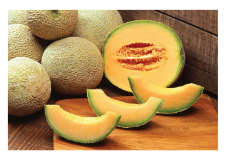
This cantaloupe melon was a winner at the 2010 Alaska State Fair. How many kilograms do you think it weighs?
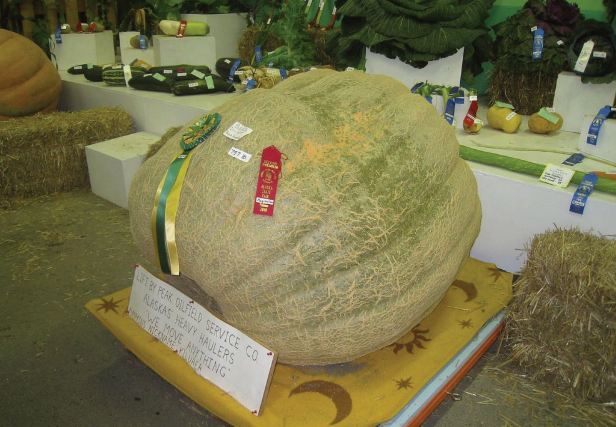
Record an estimate that is:
A regular cantaloupe weighs between 1 and 5 kilograms.

This cantaloupe melon was a winner at the 2010 Alaska State Fair. How many kilograms do you think it

weighs?

Record an estimate that is:

Round 1

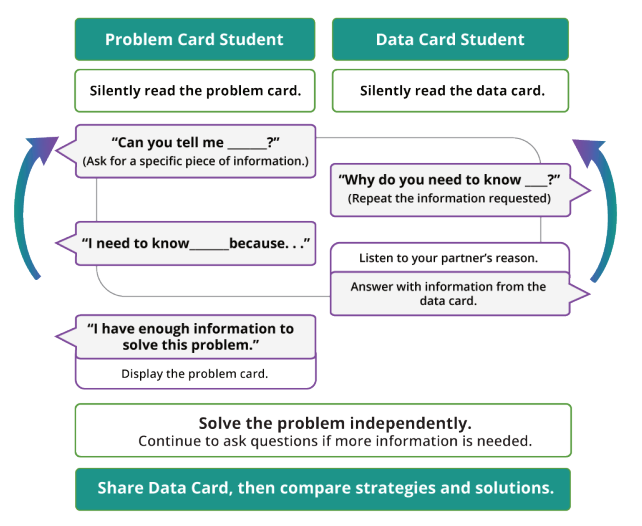
Your teacher will give you either a problem card or a data card. Do not show or read your card to your partner.

Problem Card Student: Silently read the problem card.

Data Card Student: Silently read the data card.

Problem Card Student:

"Can you tell me______?" (Ask for a specific piece of information)

Data Card Student:

"Why do you need to know _____?" (Repeat the information requested)

Problem Card Student:

"I need to know _______ because _______."

Data Card Student:

Listen to your partner's reason. Answer with information from the data card.

Problem Card Student:

Continue asking questions until you can say, "I have enough information to solve this problem."

Display the problem card.

1
Asemmisa {{asɛmmisaAhyɛnsode}}
2.

Solve the problem independently.

Data Card Student:

Share Data Card, then compare strategies and solutions.

Pause here so your teacher can review your work.

Ask your teacher for a new set of cards and repeat the activity, trading roles with your partner.

Round 2

Your teacher will give you either a problem card or a data card. Do not show or read your card to your partner.

Problem Card Student: Silently read the problem card.

Data Card Student: Silently read the data card.

Problem Card Student:

"Can you tell me______?" (Ask for a specific piece of information)

Data Card Student:

"Why do you need to know _____?" (Repeat the information requested)

Problem Card Student:

"I need to know _______ because _______."

Data Card Student:

Listen to your partner's reason. Answer with information from the data card.

Problem Card Student:

Continue asking questions until you can say, "I have enough information to solve this problem."

Display the problem card.

1
Asemmisa {{asɛmmisaAhyɛnsode}}
3.

Solve the problem independently.

Data Card Student:

Share Data Card, then compare strategies and solutions.

Pause here so your teacher can review your work.

Ask your teacher for a new set of cards and repeat the activity, trading roles with your partner.

Your teacher will give you a new problem card or data card. Do not show or read your card to your partner.

Use the same information gap routine to solve the problem. Then, pause so your teacher can review your work.

Ask your teacher for a new set of cards and repeat the activity, trading roles with your partner.

Round 1

Your teacher will give you either a problem card or a data card. Do not show or read your card to your partner.

Problem Card Student: Silently read the problem card.

Data Card Student: Silently read the data card.

Problem Card Student:

"Can you tell me______?" (Ask for a specific piece of information)

Data Card Student:

"Why do you need to know _____?" (Repeat the information requested)

Problem Card Student:

"I need to know _______ because _______."

Data Card Student:

Listen to your partner's reason. Answer with information from the data card.

Problem Card Student:

Continue asking questions until you can say, "I have enough information to solve this problem."

Display the problem card.

1
Asemmisa {{asɛmmisaAhyɛnsode}}
4.

Solve the problem independently.

Data Card Student:

Share Data Card, then compare strategies and solutions.

Pause here so your teacher can review your work.

Ask your teacher for a new set of cards and repeat the activity, trading roles with your partner.

Round 2

Your teacher will give you either a problem card or a data card. Do not show or read your card to your partner.

Problem Card Student: Silently read the problem card.

Data Card Student: Silently read the data card.

Problem Card Student:

"Can you tell me______?" (Ask for a specific piece of information)

Data Card Student:

"Why do you need to know _____?" (Repeat the information requested)

Problem Card Student:

"I need to know _______ because _______."

Data Card Student:

Listen to your partner's reason. Answer with information from the data card.

Problem Card Student:

Continue asking questions until you can say, "I have enough information to solve this problem."

Display the problem card.

1
Asemmisa {{asɛmmisaAhyɛnsode}}
5.

Solve the problem independently.

Data Card Student:

Share Data Card, then compare strategies and solutions.

Pause here so your teacher can review your work.

Ask your teacher for a new set of cards and repeat the activity, trading roles with your partner.

Asemmisa {{asɛmmisaAhyɛnsode}}
6.

The winning pig weighed 48 kilograms when his owner decided to raise him to show at the fair. At the fair weigh-off, the pig weighed 124 kilograms. How much weight did the pig gain? Explain or show your reasoning.