Log in
Sign up for FREE
arrow_back
Library

Housing & Interior Design Elements and Principles of Design

star
star
star
star
star
Last updated over 7 years ago
30 questions
Note from the author:
1
11.2.2
1
11.2.2
1
11.2.2
1
11.2.1
1
11.2.1
1
11.2.3
1
11.2.1
1
11.2.2
1
11.2.1
1
11.2.1
1
11.2.1
1
11.2.1
1
11.2.1
1
11.2.2
1
11.2.2
1
11.2.1
1
11.2.1
1
11.2.3
1
11.2.2
1
11.2.2
1
11.2.1
1
11.2.1
1
11.2.1
1
11.2.1
1
11.2.1
1
11.2.1
1
11.2.3
1
11.2.1
1
11.2.1
1
11.2.3
Family and Consumer Sciences, FACS, FCS
Question 1
1.

Question 2
2.

Question 3
3.

Question 4
4.

Question 5
5.

Question 6
6.

Question 7
7.

Question 8
8.

Question 9
9.

Question 10
10.

Question 11
11.

Question 12
12.

Question 13
13.

Question 14
14.

Question 15
15.

Question 16
16.

Question 17
17.

Question 18
18.

Question 19
19.

Question 20
20.

Question 21
21.

Question 22
22.

Question 23
23.

Question 24
24.

Question 25
25.

Question 26
26.

Question 27
27.

Question 28
28.

Explain how this room shows harmony. Use Elements and Principles terms to support your reasoning.

Question 29
29.

Question 30
30.

What could improve this arrangement?

Asymmetrical balance is also known as _________ balance.
formal
informal
repetitive
textural
Smooth velvets and gold convey a feeling of ______________ in a room.
regality
relaxation
ruggedness
simplicity
Using reds, oranges and yellows in a room will make it feel:
cold
enclosed
open
warm
______________is a gradual increase or decrease of color, size, height or pattern.
Gradation
Radiation
Repetition
Rhythm
A combination of colors selected for a room design in order to create a mood or set a tone is a (n)
color scheme
proportion
rhythm
texture
_____________ is an important consideration when selecting furniture.
color
proportion
repetition
rhythm
Interior designers consider ________ to be the most significant design element.
color
proportion
rhythm
texture
Negative _________________ on a wall is important because it gives your eyes a rest.
form
hue
scale
space
______________ can show direction, lead the eye, outline the object, divide a space, and communicate a feeling or mood.
Form
Line
Scale
Rhythm
When lines connect they become a _____________.
form
hue
scale
space
____________ can be tactile (you can feel it) or visual (you can see it). Might be shown in furniture, wall coverings, bedding, carpets, or paintings.
Color
Form
Space
Texture
Center point or focal point that first catches the viewer’s attention and creates order.
Emphasis
Radiation
Rhythm
Unity
The best example of symmetrical balance is:
A rectangular picture frame next to a square picture frame.
A red vase next to a green plant.
An antique vase next to a clock on a fireplace mantel.
Matching bookcases on either side of a fireplace.
To add a sense of excitement to a room, you would use:
Long horizontal lines
Tall vertical lines
Diagonal Lines
No Lines
To add a sense of calm to a room, you would use:
Long horizontal lines
Zigzag lines
Diagonal lines
No lines
Identical chairs arranged around a circular dining room table are an example of:
Emphasis
Radiation
Gradation
Unity
Wallpaper that has the same two figures alternating is an example of:
Repetition
Variety
Radiation
Emphasis
Wall coverings with vertical patterns can make:
A room appear friendlier
A ceiling appear higher
A room appear wider
A ceiling appear lower
Large, open spaces general convey feelings of:
Being uncomfortable and lonely
Freedom and luxury
Privacy and intimacy
Being uncomfortable and hostile
One way to create stability in a design is to:
Balance a triangle on one of its three points
Create an object in which the top is larger than the bottom
Create an object in which the top is smaller than the bottom
Avoid using furniture such as pianos and sofas.
When all parts of design are related to one idea, the design is said to have:
Balance
Harmony
Rhythm
Variety
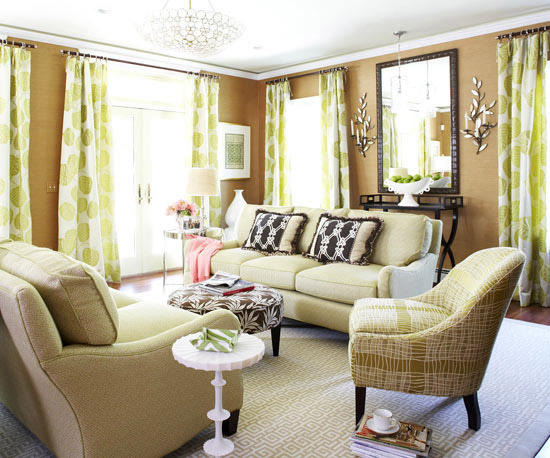
What color scheme is shown in the photo?
Analagous
Complementary
Split Complementary
Primary
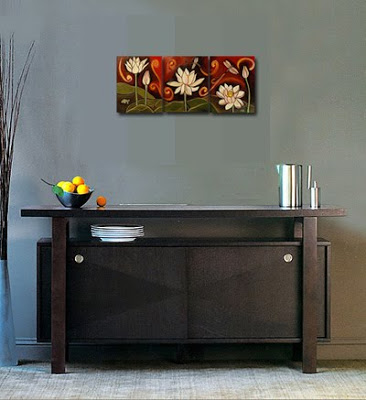
What color scheme is shown in the photo?
analagous
complementary
split complementary
monochromatic

What color scheme is shown in the photo?
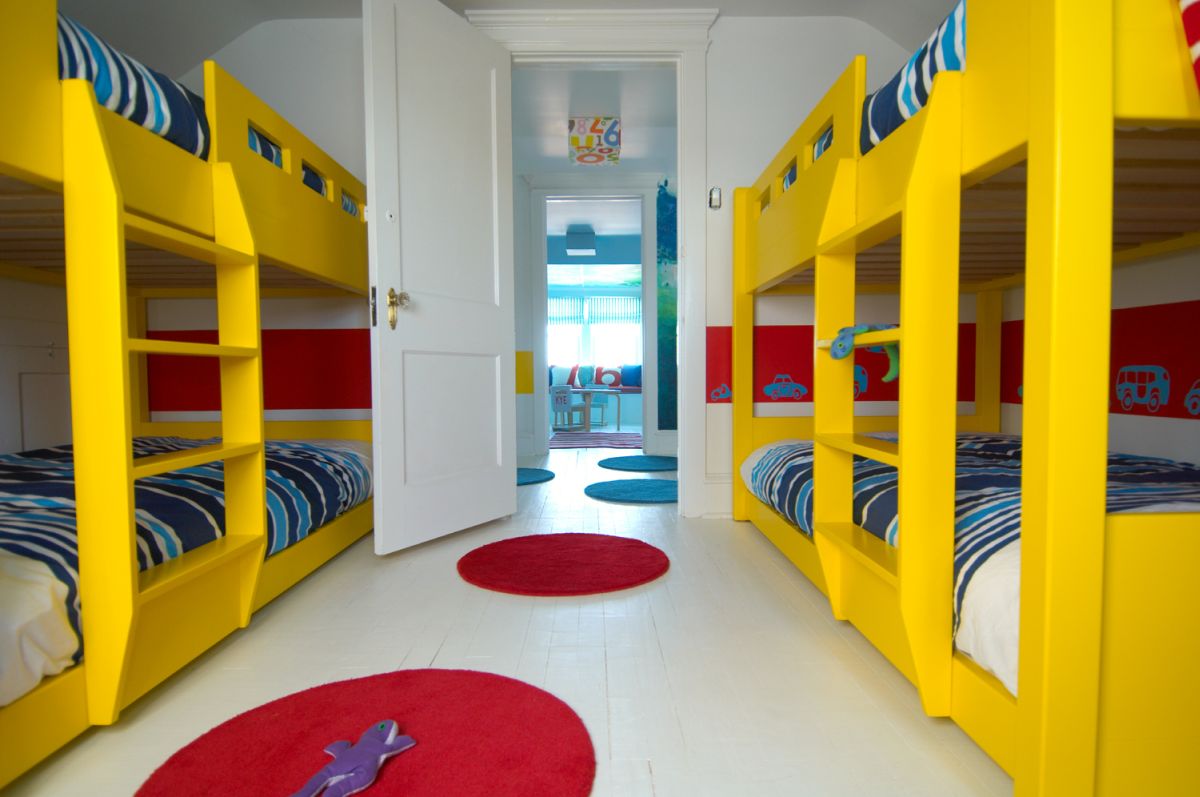
analagous
triadic
monochromatic
tertiary
What color scheme is shown in the photo?
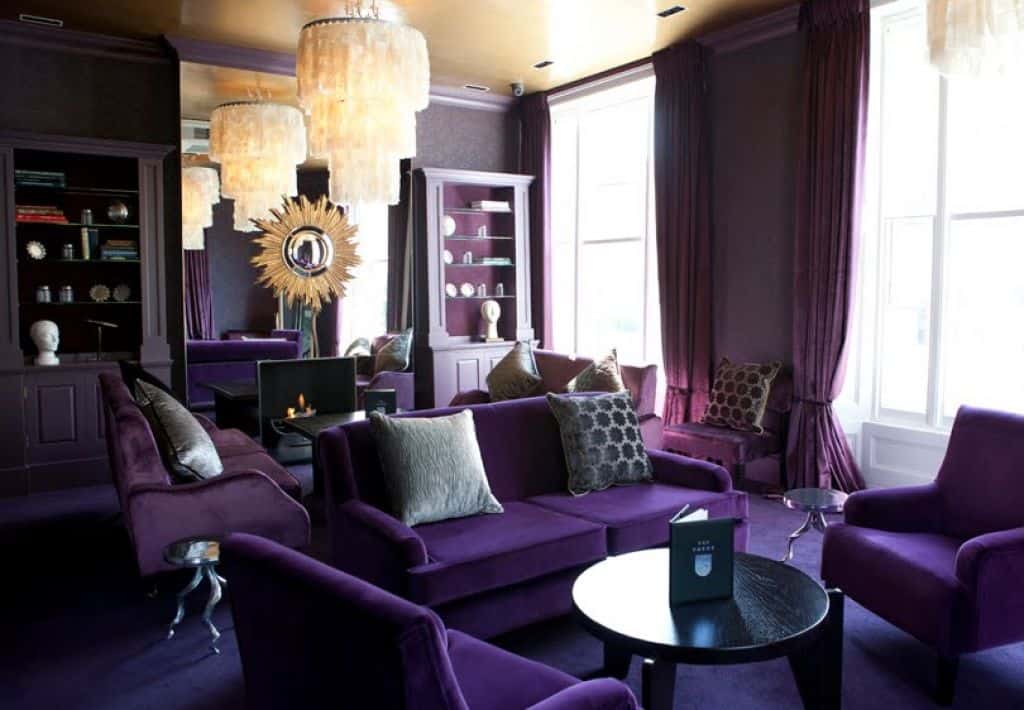
analagous
complementary
monochromatic
split complentary
What color scheme is shown in the photo?
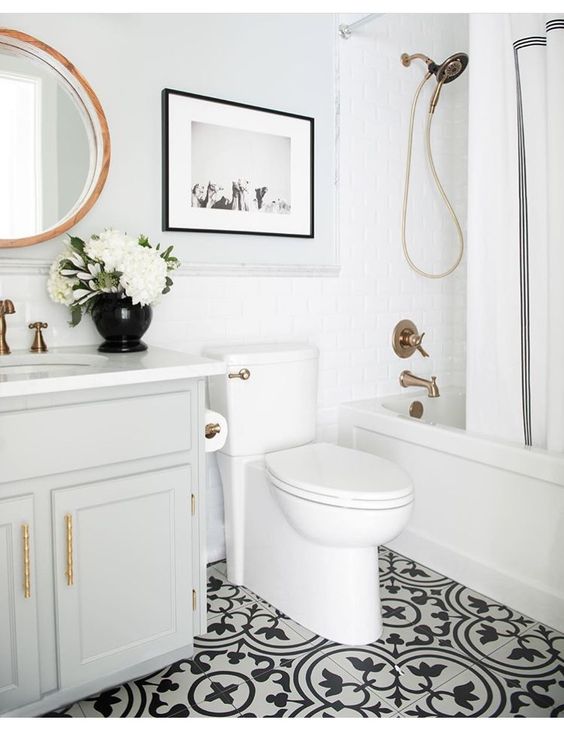
analagous
complementary
neutral
split complentary
What effect do the drapes have in this room design?
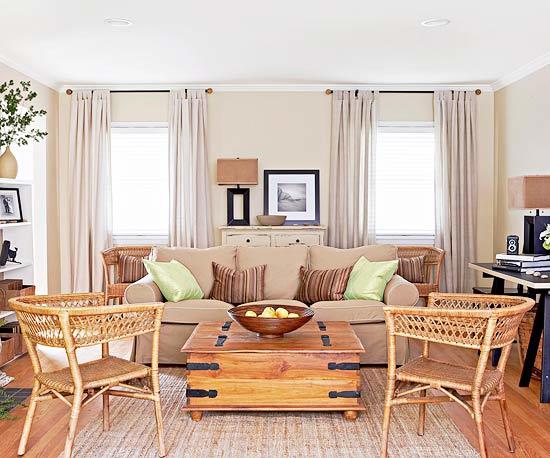
They draw the eye up, make the ceiling appear higher.
They draw the eyes towards the floor.
They cover the window trim.
None, they are neutral.
The artwork in this photo, along with the fireplace, are an example of ___________________ in this room design.
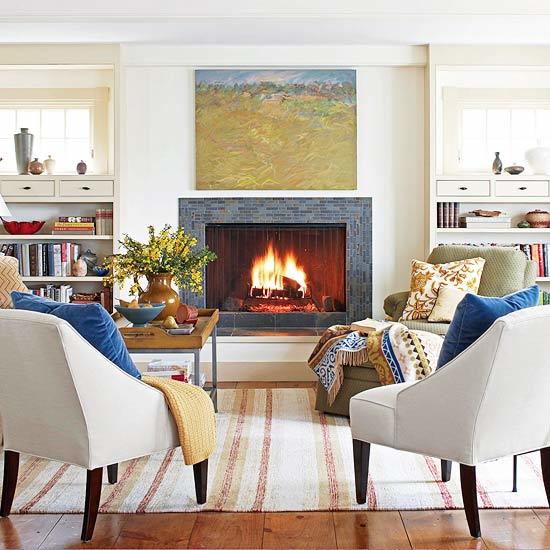
Balance
Color
Emphasis
Line