Which one has the stronger bond?
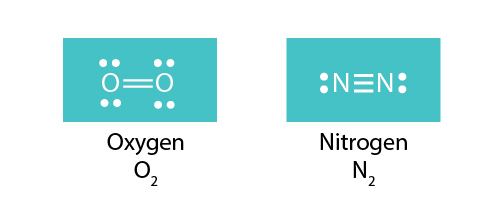
Which one has the stronger bond?
Made up of 2 or more different elements.
A group of atoms held together by covalent bonding that acts as an independent unit.
Categorize the items below.
H2
H2O
N2
NaCl
Compound
Molecule
A chemical bond formed when two atoms share one or more pairs of valence electrons.
How does an atom (other than helium) with less than 8 valence electrons become stable?
Which one has the stronger bond?
How many atoms make up this compound?
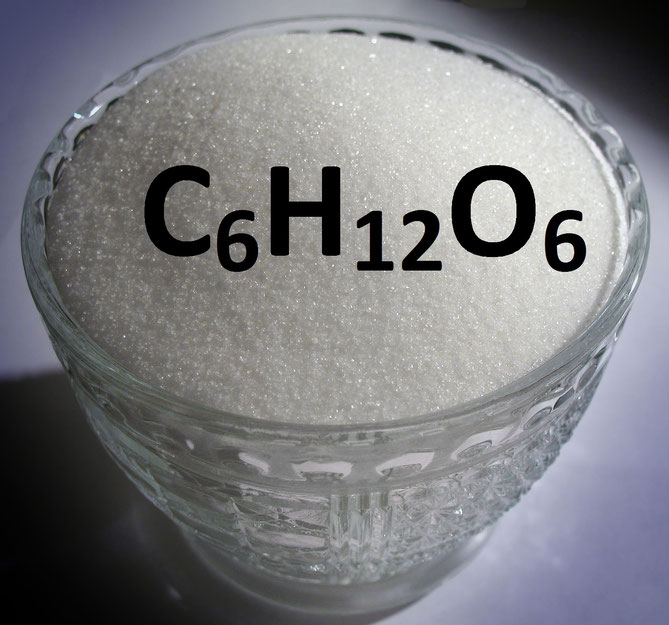
How many valence electrons are shared in each covalent bond?
What kind of chemical bonding is taking place with Bromide?

A molecule that has a partial positive end and a partial negative end because of unequal sharing of electrons.
Polar molecule dissolves into a _________________ molecule.
A group of chemical symbols and numbers that represent the elements and the number of atoms of each element that make up a compound
How many atoms of oxygen are there in H₂O₂
How many atoms of hydrogen are there in HCOOH₂ ?
Why is water polar?