Algebra 2 7-3 Guided Practice: Logarithmic Functions as Inverses
star
star
star
star
star
Last updated almost 4 years ago
31 Nsɛmmisa

3
12
A.SSE.1.b
F.BF.4.a
F.IF.8.b


3

3



3


3
10
10
F.IF.1
F.IF.5
+2

3
9
18
A.SSE.1.b
F.IF.1
+3

Video Check: Select all that apply with regards to the video embedded directly above this item.
Solve It! The chart shows different ways you can write 4 and 16 in the form ab, in which a and b are integers and a ≠ 1.
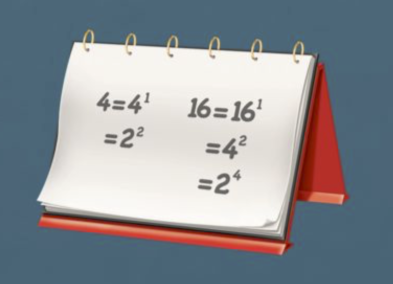
What is the smallest number you can write in this ab form in four different ways? In five different ways? In seven different ways?
64
4096
16,777,216
24,287,916
In four different ways
In five different ways
In seven different ways
Video Check: Select all that apply with regards to the video embedded directly above this item.

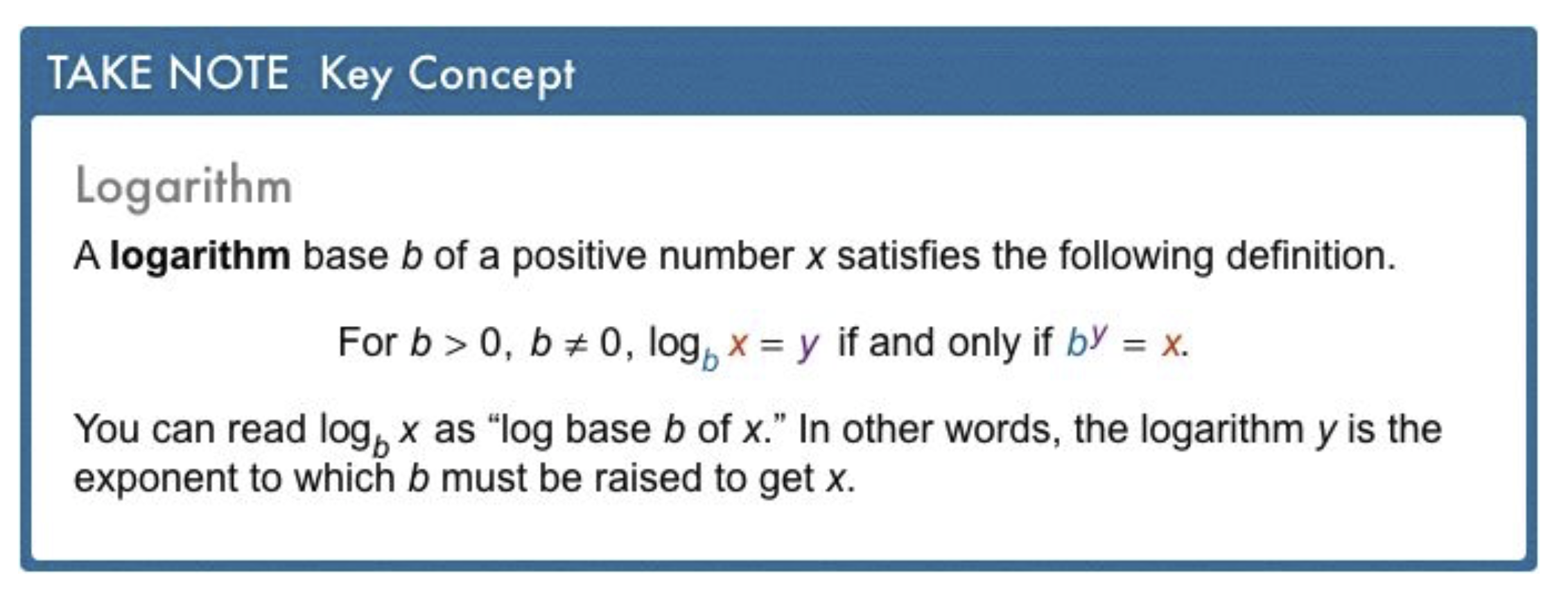
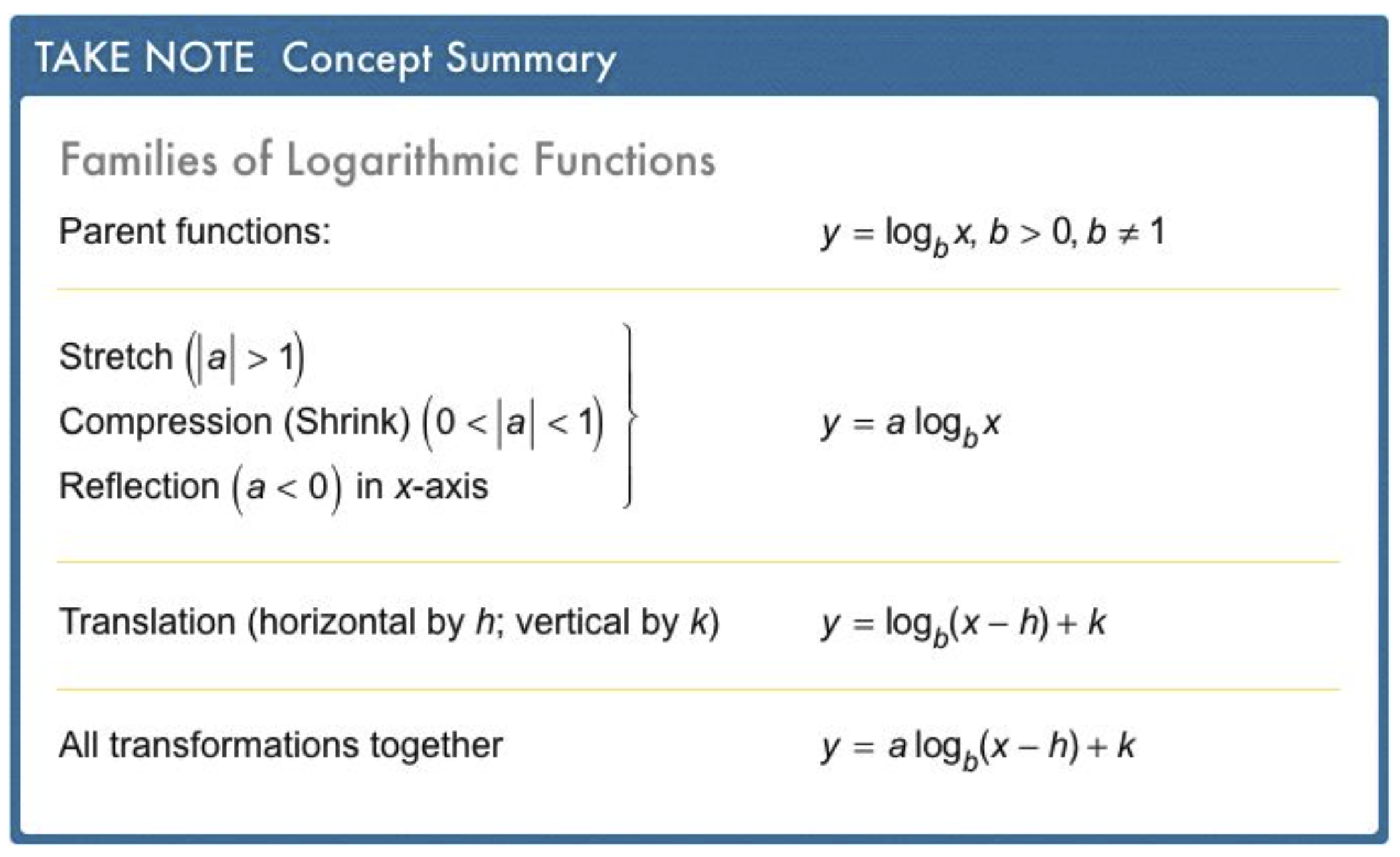
Take Note: Write the logarithmic expression that can be read as "log base b of x".
Remember that you can access subscript font using an underscore.
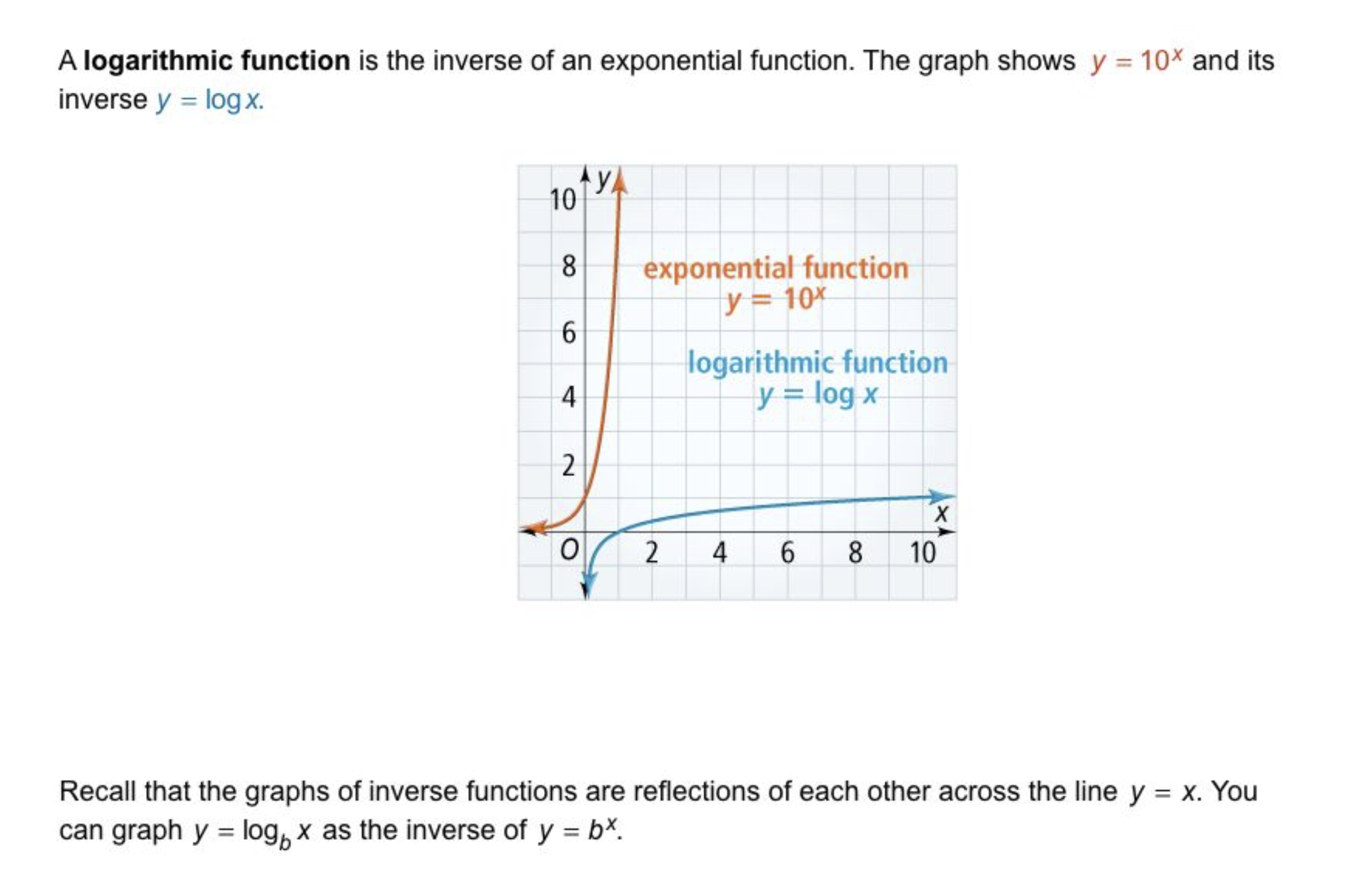
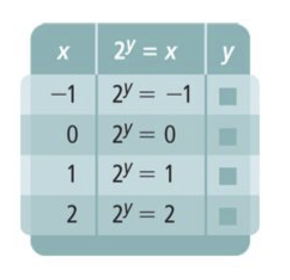
Take Note: Logarithmic functions and exponential functions are inverses. Complete the statement below that describes their relationship.
Enter an exponential equation that includes b, x, and y.
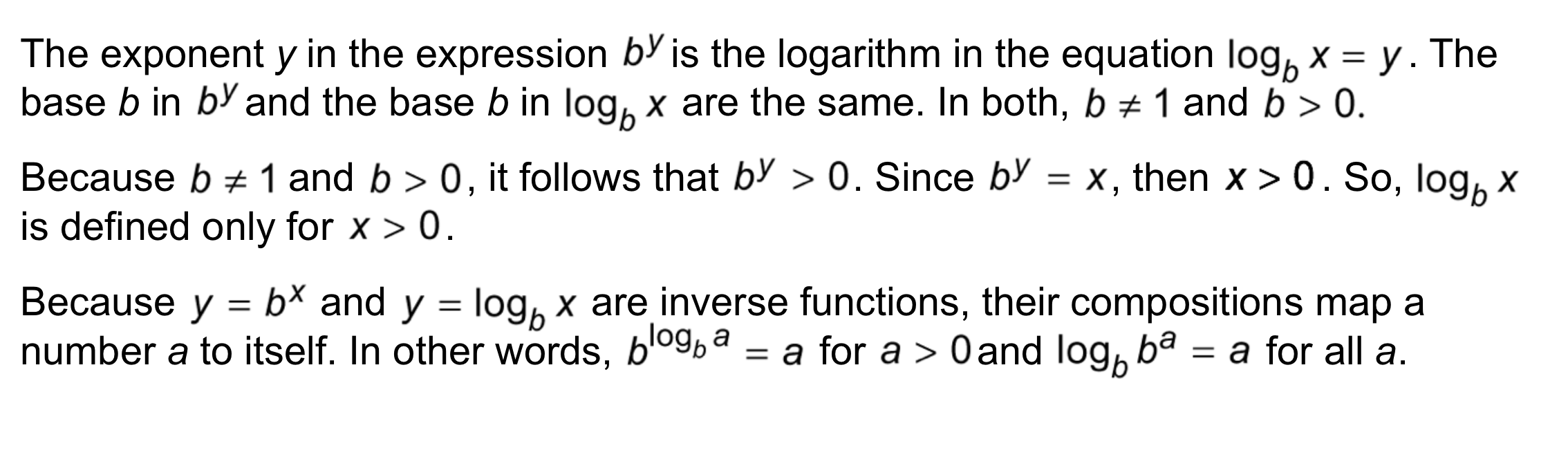
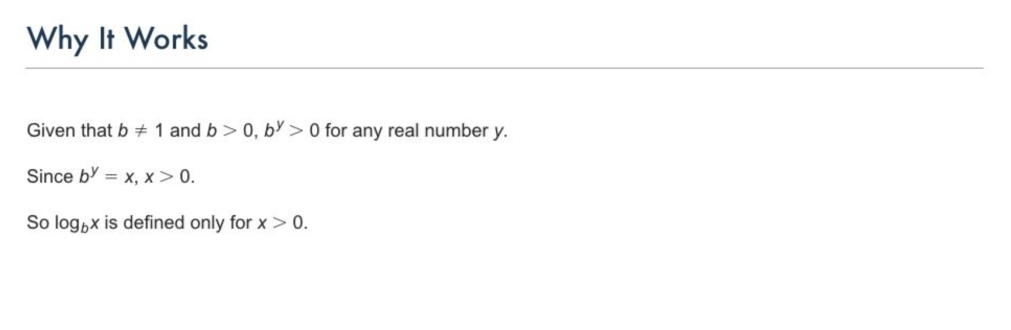
Take Note: Explain why the equation below is true. What causes the expression to simplify as it does (as long as a>0)?
Take Note: Explain why the equation below is true. What causes the expression to simplify as it does?
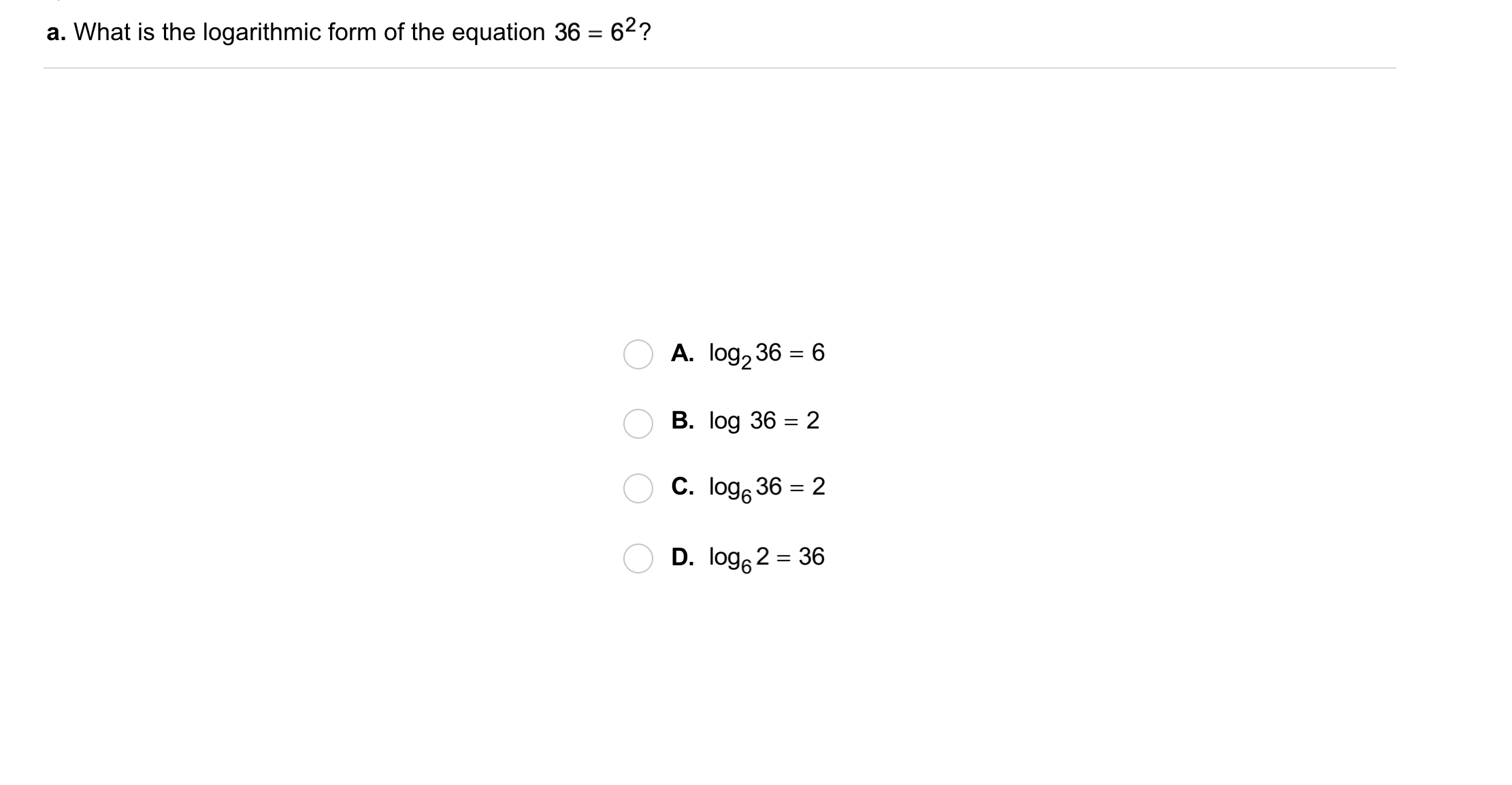
Problem 1 Got It?
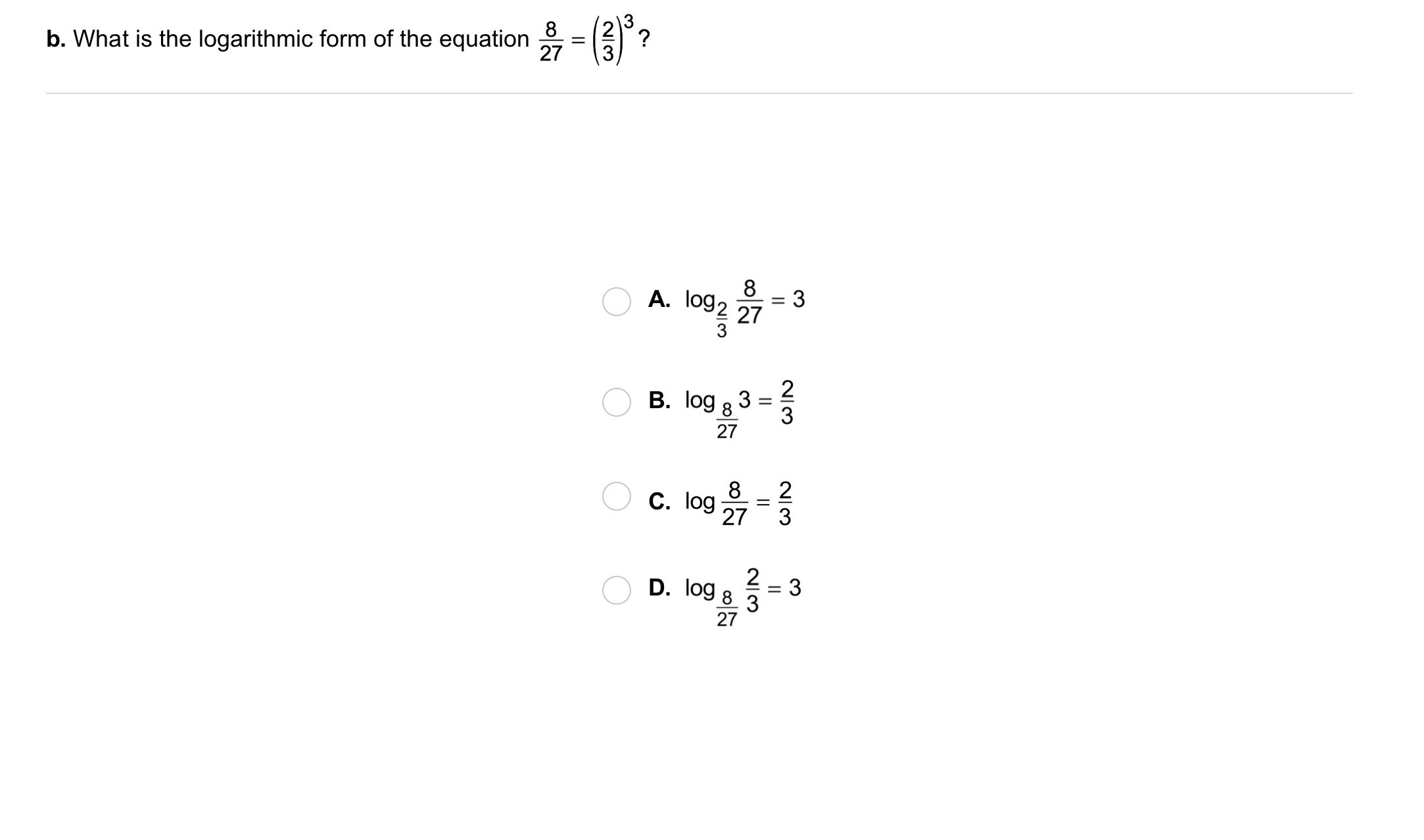
Problem 1 Got It?
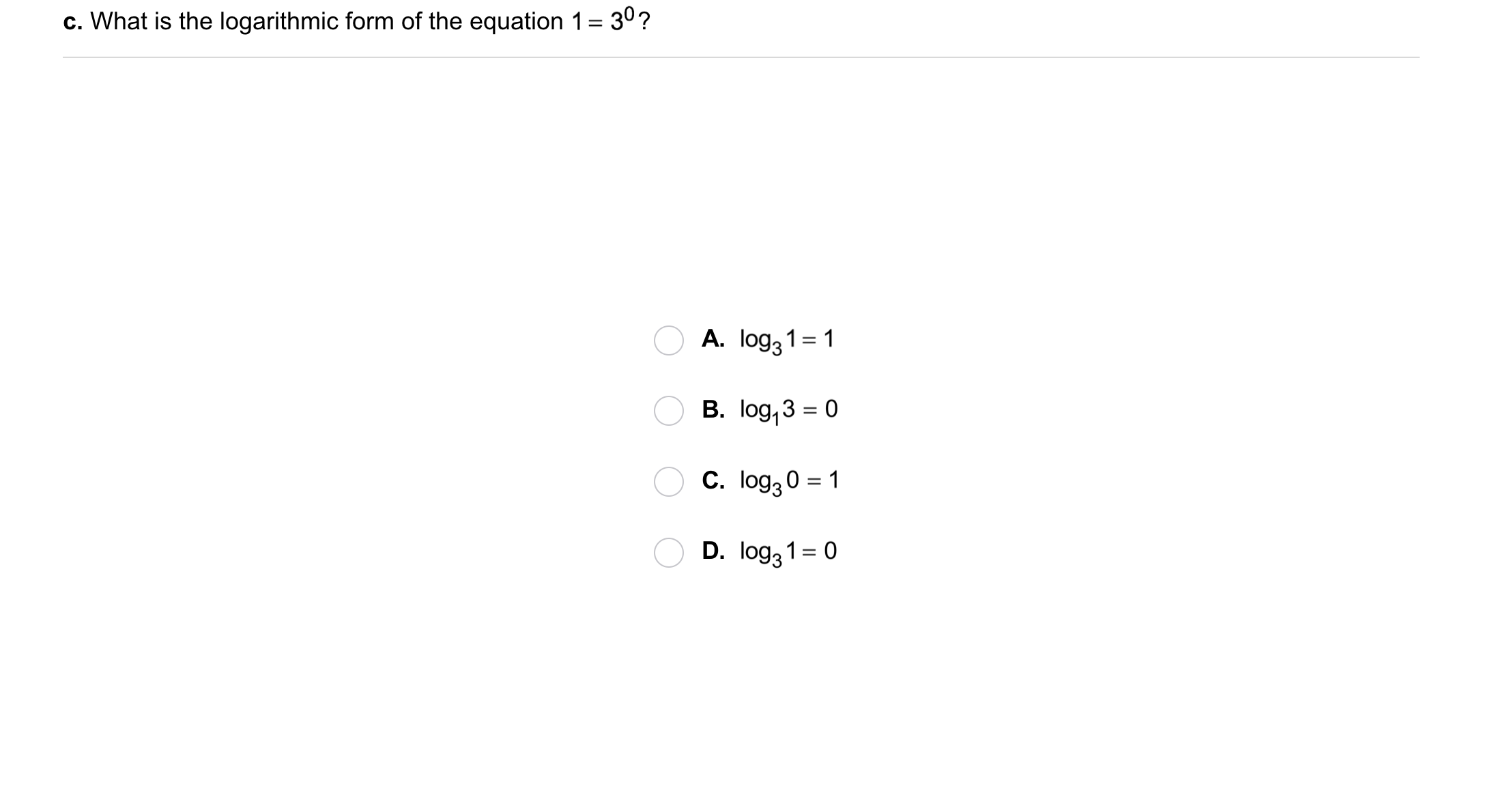
Problem 1 Got It?
Video Check: Select all that apply with regards to the video embedded directly above this item.

Take Note: Summarize the process of evaluating logarithms by using their exponential form.
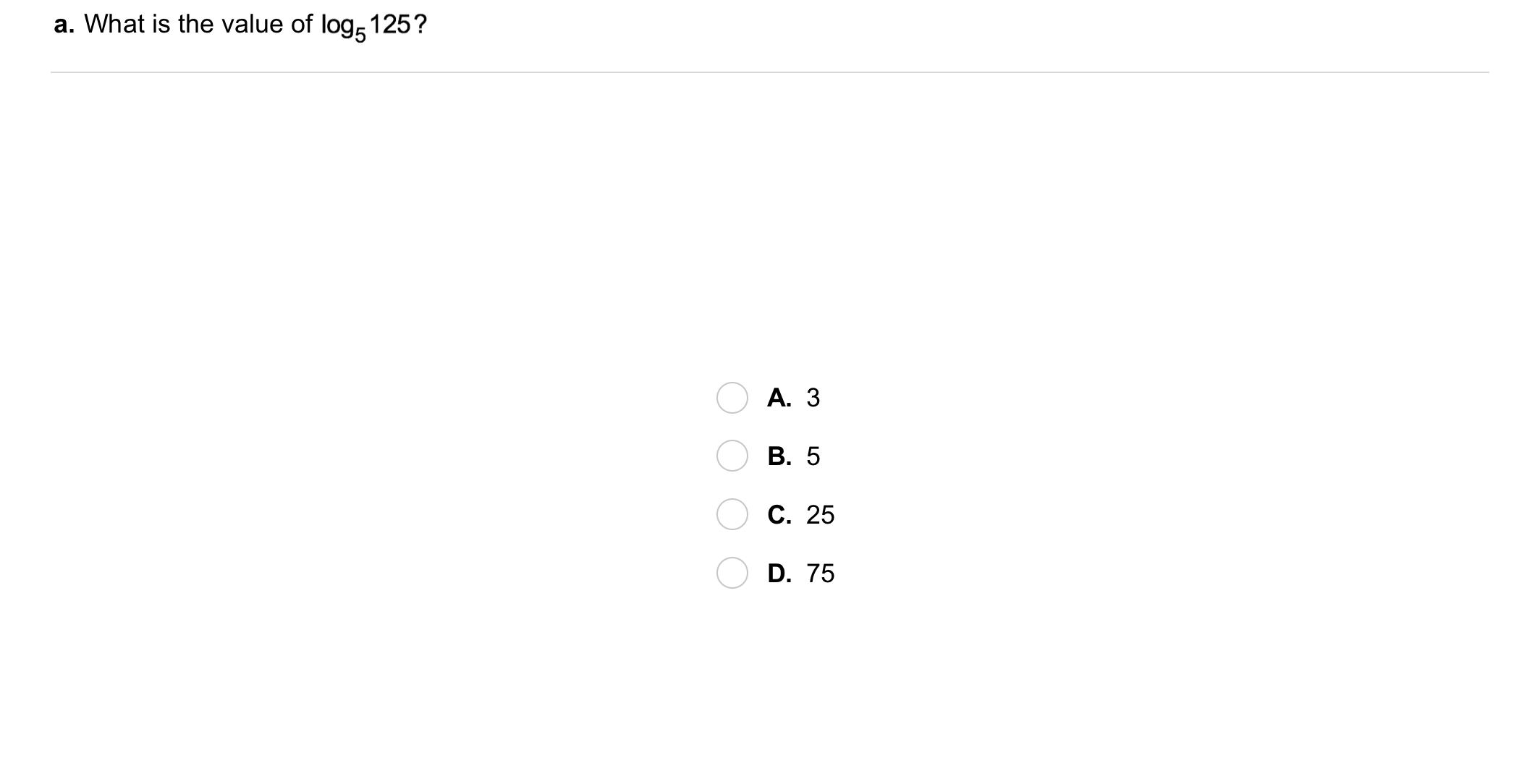
Problem 2 Got It?
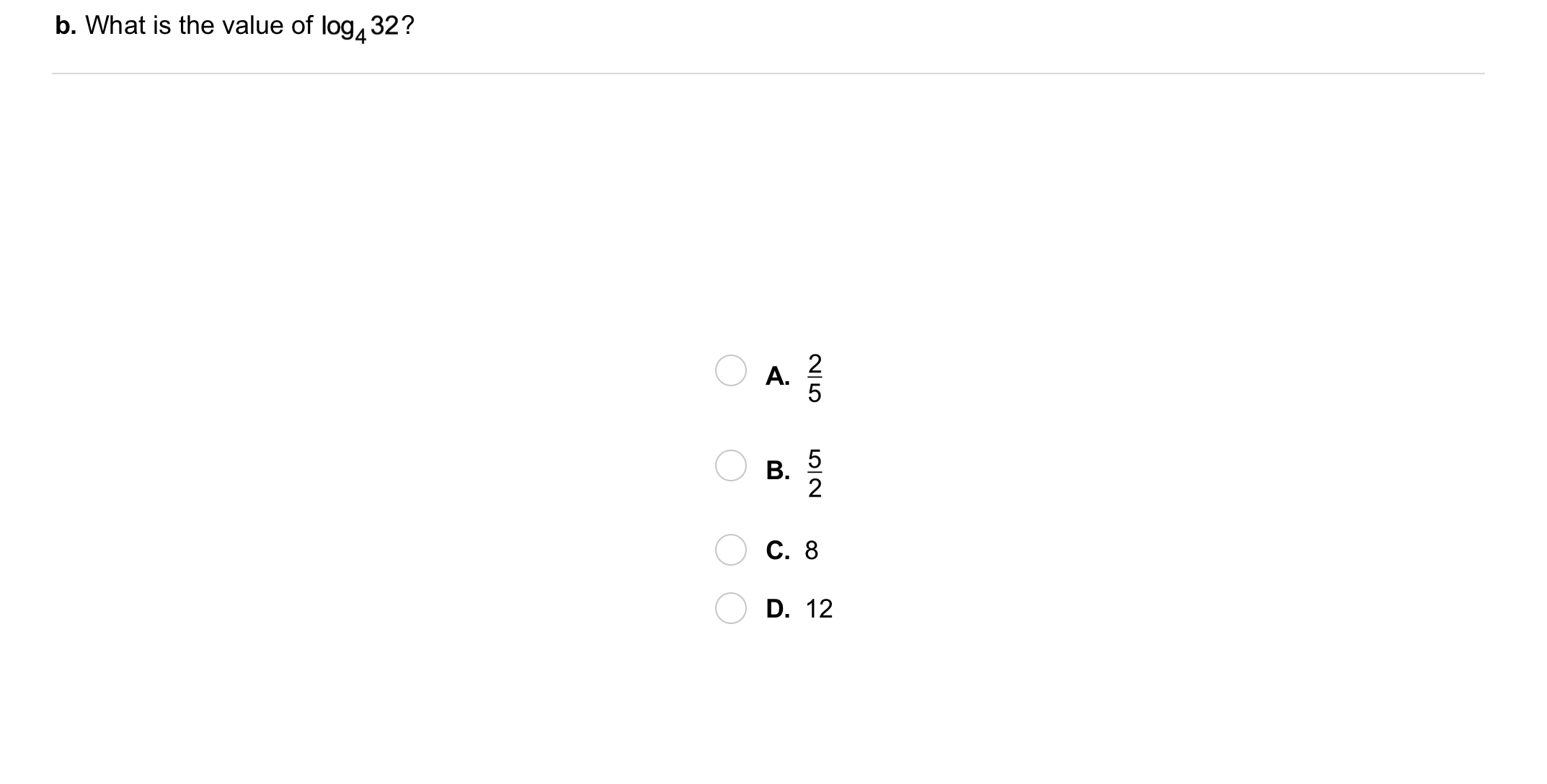
Problem 2 Got It?
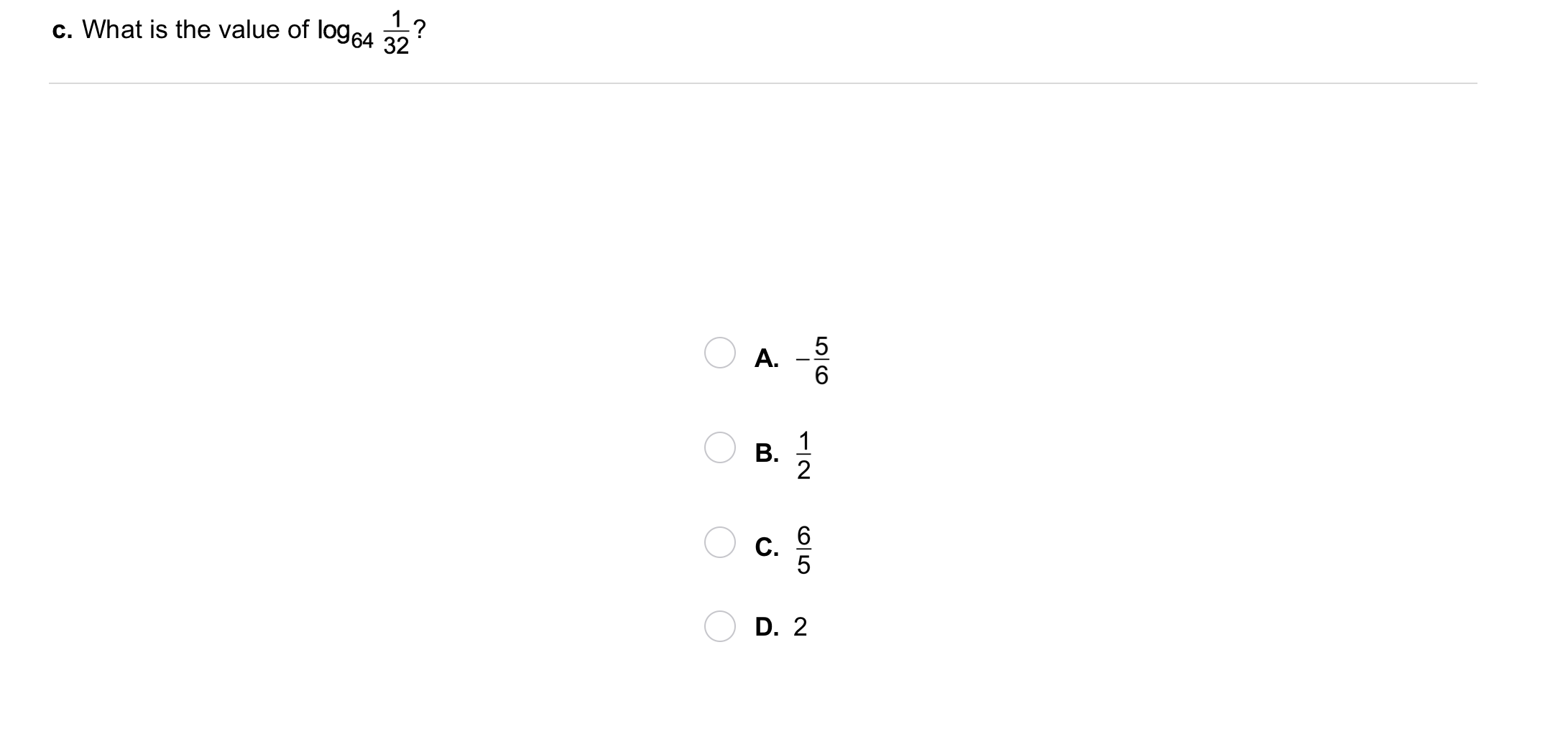
Problem 2 Got It?
Video Check: Select all that apply with regards to the video embedded directly above this item.

Take Note: What is a common logarithm ?
Take Note: Provide an example of a common logarithm.
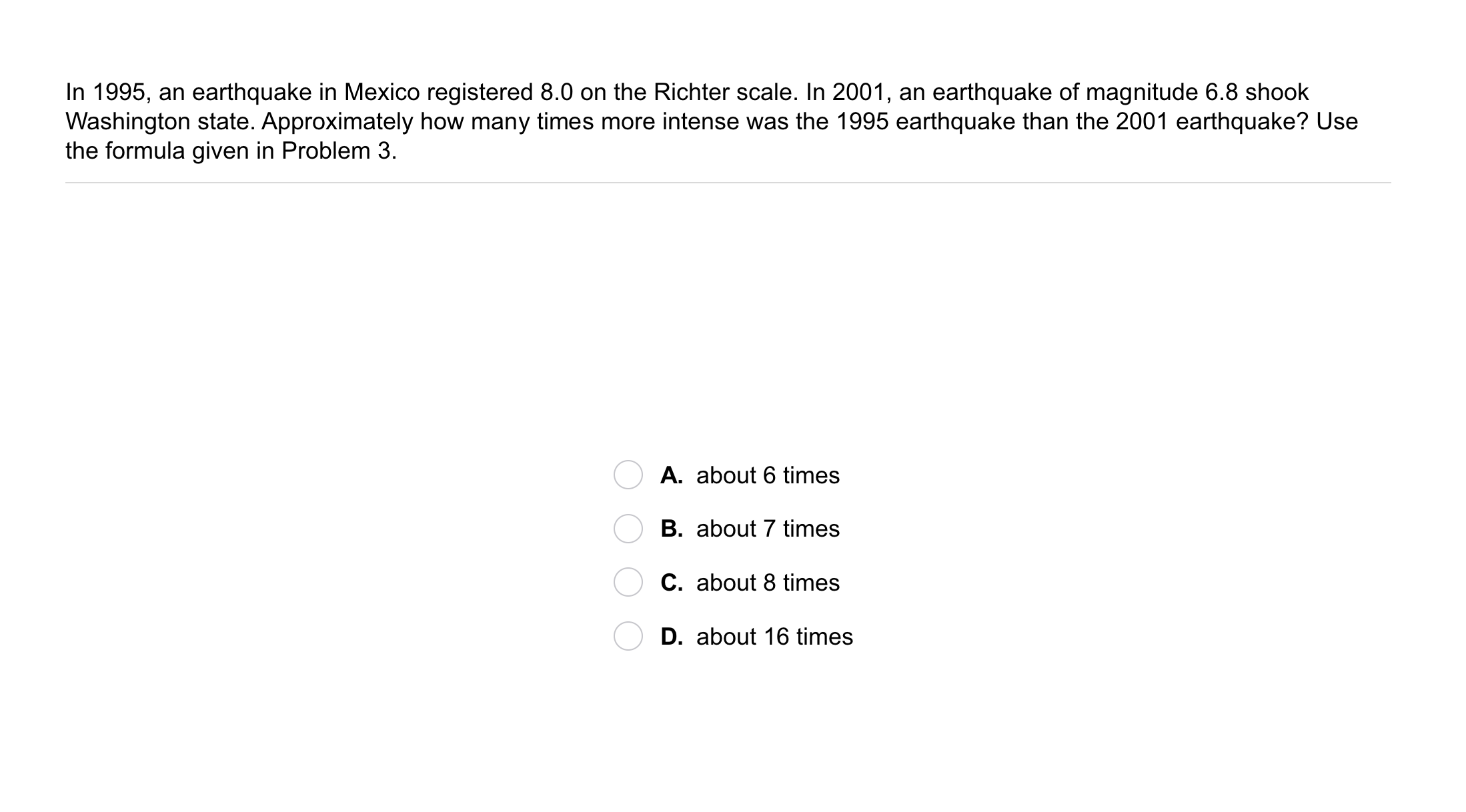
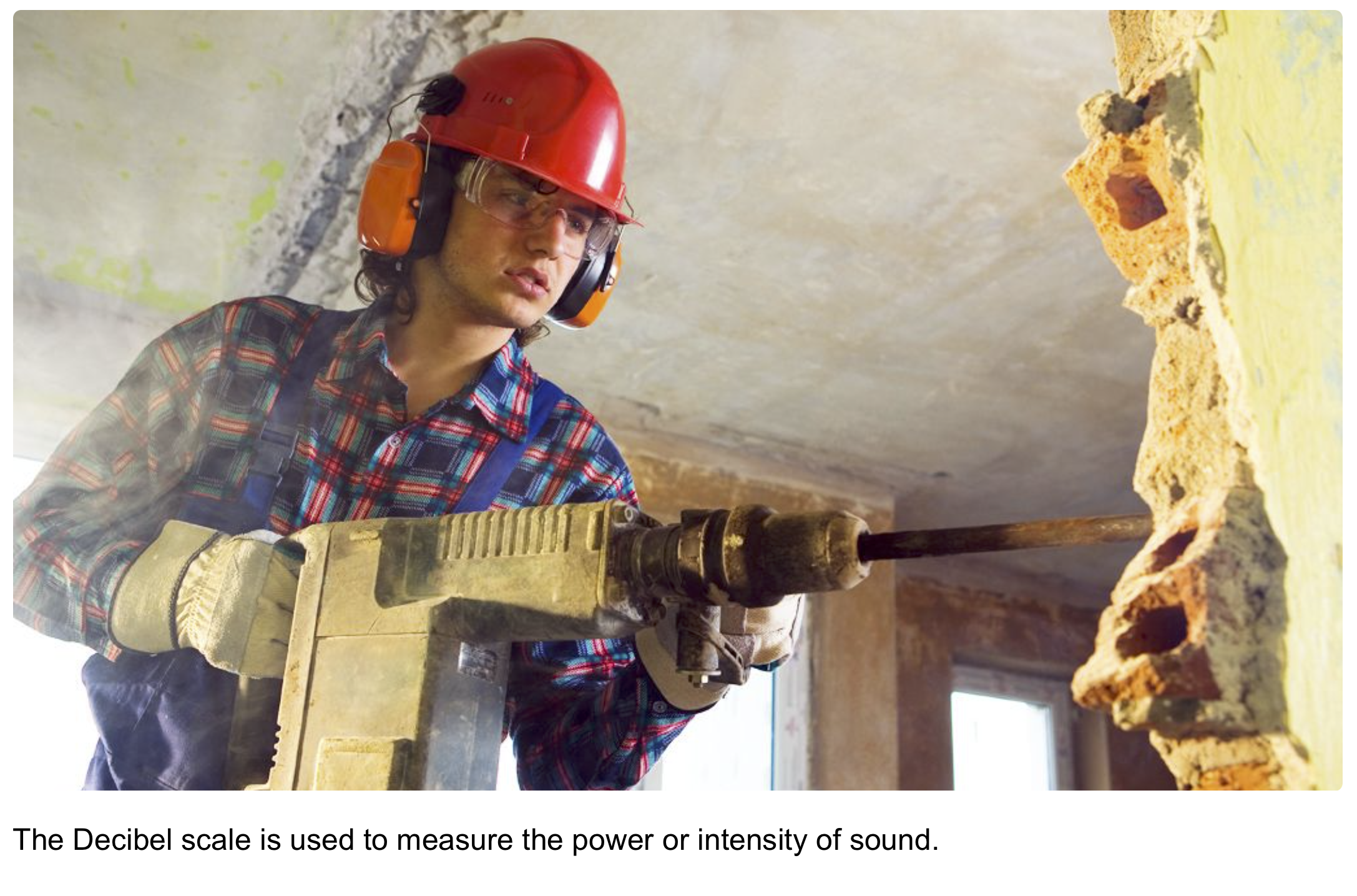
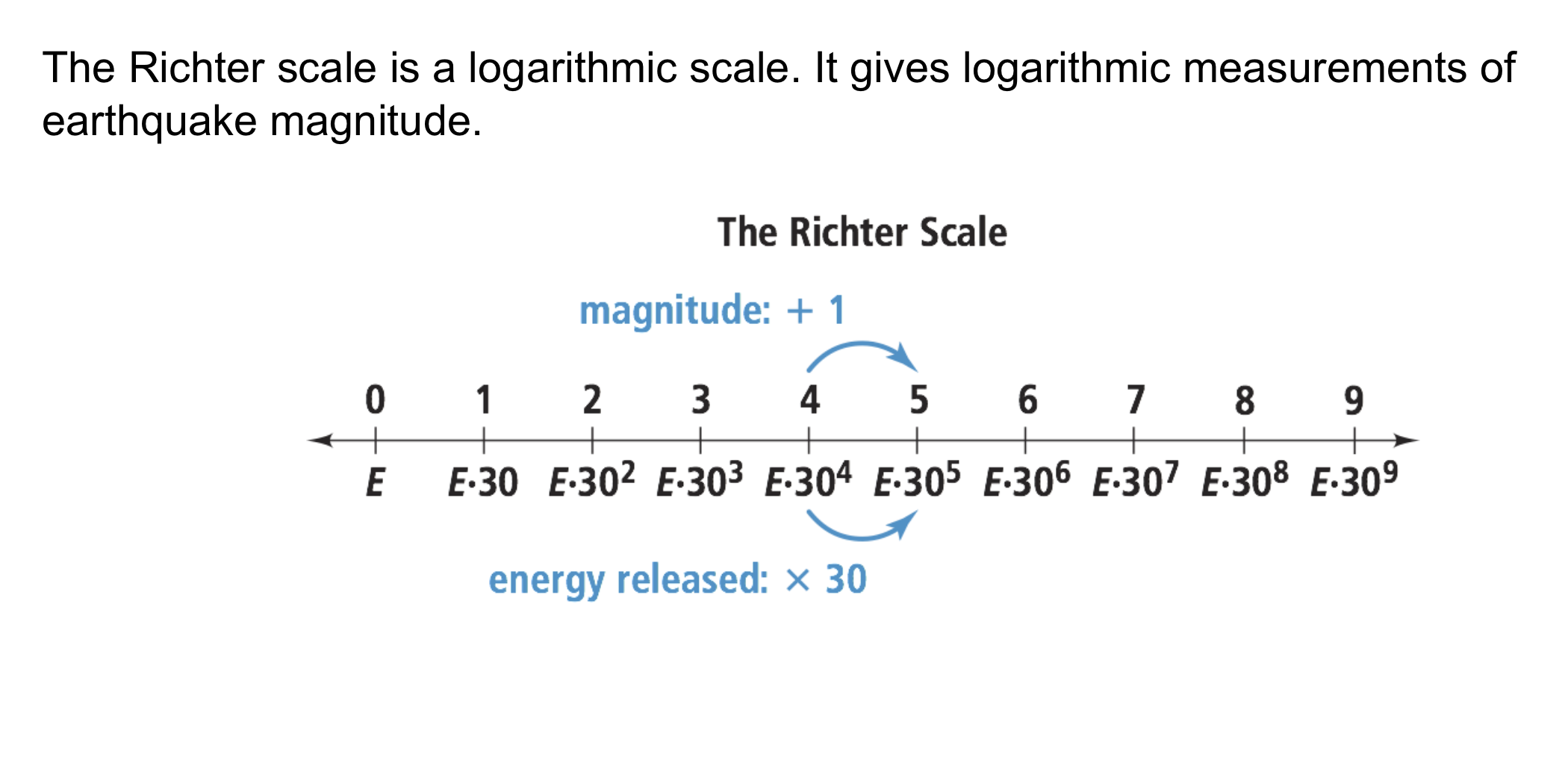
Problem 3 Got It? In 1995, an earthquake in Mexico registered 8.0 on the Richter scale. In 2001, an earthquake of magnitude 6.8 shook Washington state. Approximately how many times more intense was the 1995 earthquake than the 2001 earthquake? Use the Formula in Problem 3.
Video Check: Select all that apply with regards to the video embedded directly above this item.

Take Note:
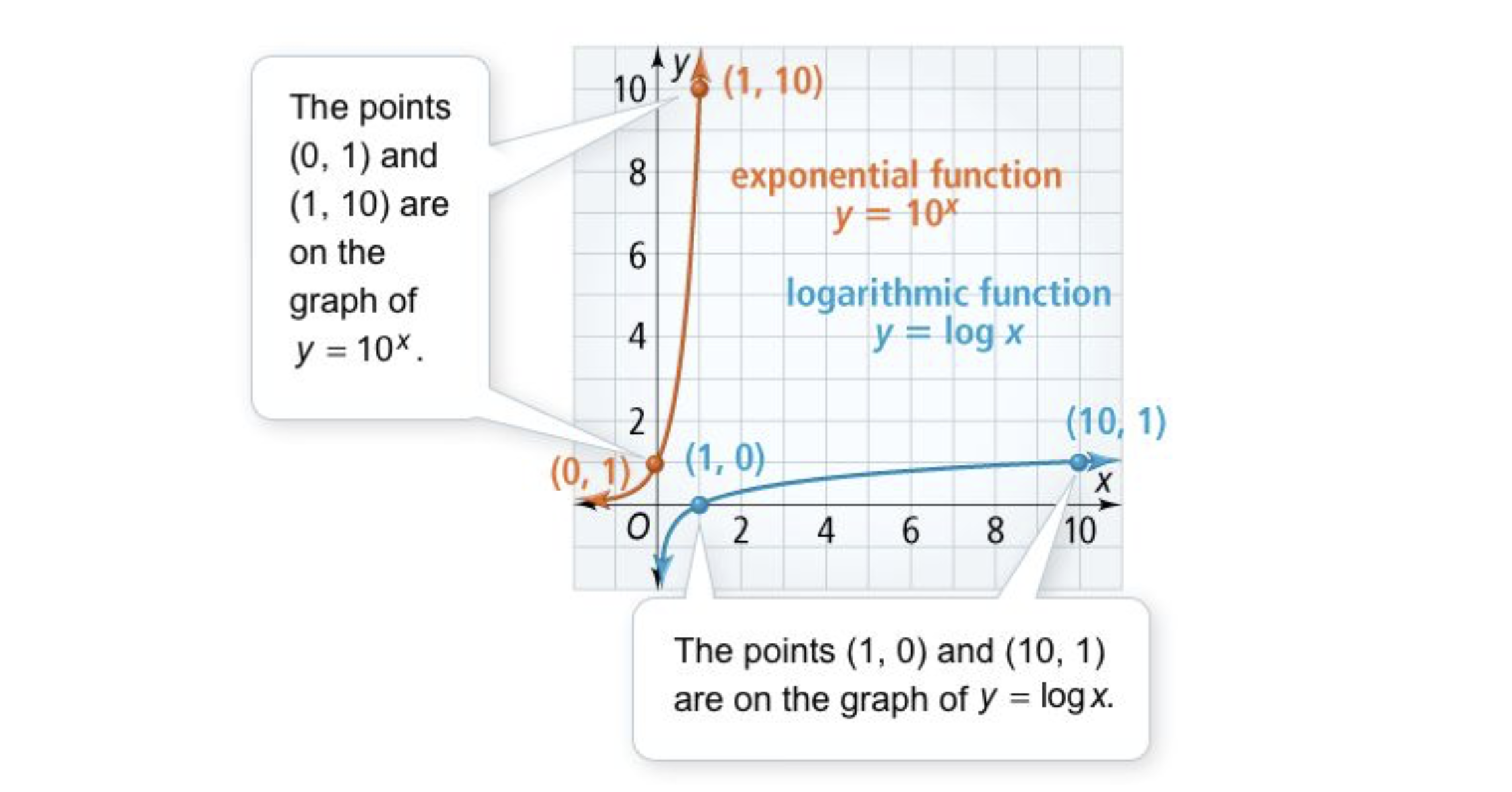
Graph the common logarithmic function
On the same plane, graph the inverse of that function, the exponential function
Graph the linear function
Zoom and pan your graph to establish an appropriate viewing window.
Capture a screenshot of your graph and upload or paste it onto the Formative canvas.
Note that the graphs of the common logarithmic function and the inverse exponential function are reflexive across the diagonal line. Recall that this is a simple visual test to confirm that functions are inverses.
Problem 4 Got It? What is the graph of y = log4x ? Identify the domain, range, y-intercept, and asymptote(s).

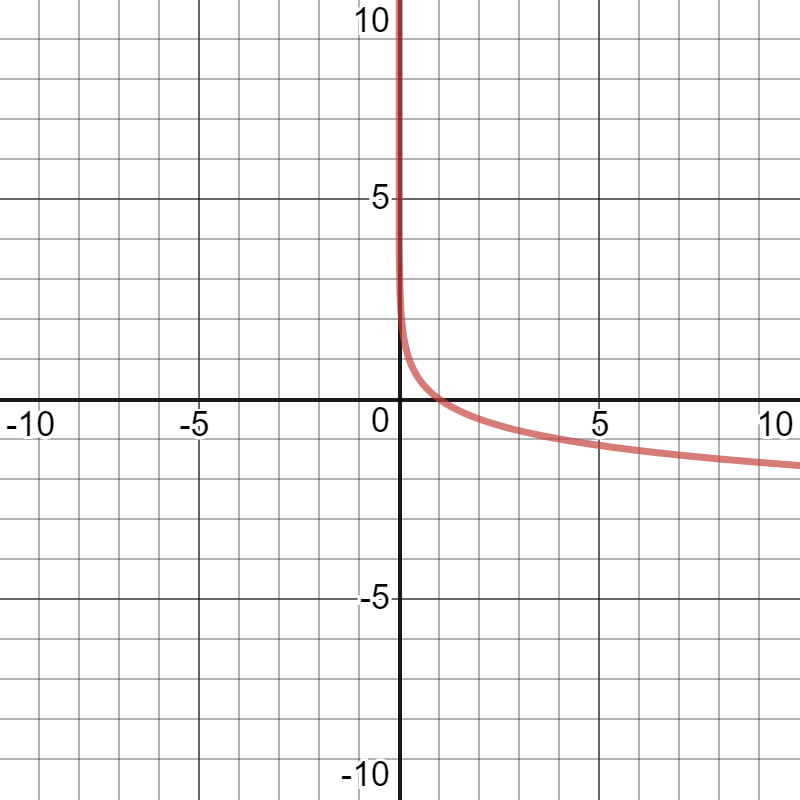
Domain: x > 0
Domain: x > 4
Range: y > 0
Range: all real numbers
y-intercept: 4
No y-intercept
Vertical asymptote: x = 0
No asymptotes
Graph of
Domain of
Range of
y-intercept of
Asymptote(s) of
Video Check: Select all that apply with regards to the video embedded directly above this item.

Take Note: Consider the general form of transformed logarithmic functions.
Match each type of transformation with its parameter from the general form.
| Draggable item | arrow_right_alt | Ade a ɛne no hyia |
|---|---|---|
vertical translation (shift) | arrow_right_alt | a |
vertical scaling (stretch/compression) & reflection (flip) | arrow_right_alt | h |
horizontal translation (shift) | arrow_right_alt | k |
Problem 5 Got It? How does the graph of each function compare to the graph of the parent function? Match the appropriate transformation(s) and domain, range, and asymptote changes with each function on the right.
Translate 3 units right
Translate 3 units left
Translate 4 units down
Translate 4 units up
Domain, range, and asymptote remain the same
Domain changes from x > 0 to x > 3
Range remains all real numbers
Asymptote changes from x = 0 to x = 3
Stretch vertically by a factor of 3

🧠 Retrieval Practice:
Summarize the mathematical content of this lesson. What topics, ideas, and vocabulary were introduced?
Take Note: Which of the following are common logarithms? Select all that apply.