Twa kɔ nsɛm atitiriw so
Log in
Sign up for FREE
arrow_back
Laabri

Algebra 2 2-5 Complete Lesson: Using Linear Models

star
star
star
star
star
Last updated over 4 years ago
22 Nsɛmmisa
Hyɛ no nsow a efi ɔkyerɛwfo no hɔ:

A complete formative lesson with embedded slideshow, mini lecture screencasts, checks for understanding, practice items, mixed review, and reflection. I create these assignments to supplement each lesson of Pearson's Common Core Edition Algebra 1, Algebra 2, and Geometry courses. See also mathquest.net and twitter.com/mathquestEDU.

20
A.CED.2
F.IF.4
10
F.IF.4
F.IF.6
10
A.CED.2
F.IF.4
10
F.IF.4
F.IF.6

10
F.IF.4
F.IF.6
10
A.CED.2
F.IF.4
10
F.IF.4
F.IF.6
10
A.CED.2
F.IF.4
F.IF.6
10
F.IF.4
10
F.IF.4
10
F.IF.4
F.IF.6

15
A.CED.2
10
A.CED.2

10
A.CED.2
10
F.IF.4
10
F.IF.4
F.IF.6
100
10
A.CED.2
F.IF.4
F.IF.6

Solve It! The graph shows the number of hours and the amount of money you earned each day last week.

10
Asemmisa {{asɛmmisaAhyɛnsode}}
1.

How many hours should you work to earn $200? Enter only a number. Your response is only an approximation based on the trend of the data in the graph.

F.IF.4
F.IF.6
10
Asemmisa {{asɛmmisaAhyɛnsode}}
2.

What assumptions did you make to find your answer? Explain.

F.IF.4
F.IF.6
Asemmisa {{asɛmmisaAhyɛnsode}}
3.

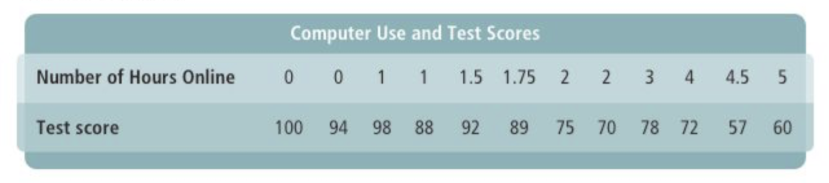
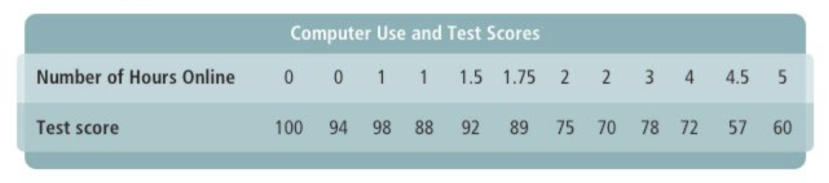
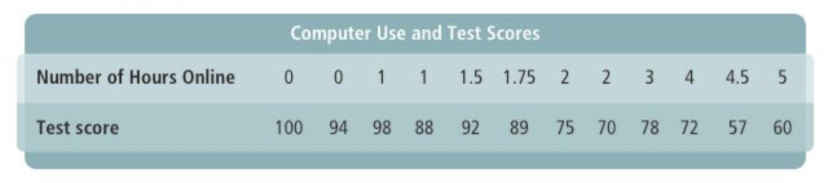
Problem 1 Got It? The table shows the numbers of hours students spend online the day before a test and the scores on the test. Make a scatterplot of these data on the canvas. Use colors that stand out and include all relevant graph detail.

Asemmisa {{asɛmmisaAhyɛnsode}}
4.

Problem 1 Got It? How would you describe the correlation between the variables in the table?

Problem 1 Got It? Now use the embedded Desmos graphing utility below to plot the same data.

1. Click the + button and add a table.

2. Input the hours from the table into the x₁ column.

3. Input the test scores from the table into the y₁ column.

4. Zoom and pan your graph to establish a suitable viewing window. (You may use the wrench button for fine tuning.)

5. Take a screenshot of your scatterplot.

Asemmisa {{asɛmmisaAhyɛnsode}}
5.

Problem 1 Got It? Upload the screenshot you took of your Desmos scatterplot to the canvas.

Asemmisa {{asɛmmisaAhyɛnsode}}
6.

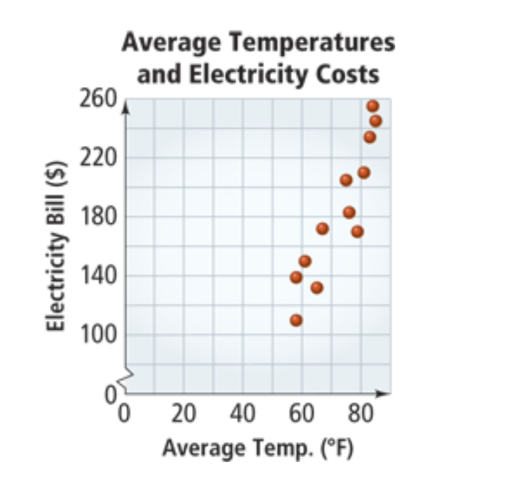
Problem 1 Got It? Reasoning: Using the graph from Problem 1, how much would you expect to pay for electricity if the average temperature was 70°F? Explain.

10
Asemmisa {{asɛmmisaAhyɛnsode}}
7.

Problem 2 Got It?

F.IF.4
F.IF.6
10
Asemmisa {{asɛmmisaAhyɛnsode}}
8.

Problem 3 Got It? Consider using the embedded Desmos graphing utility above.

A.CED.2
F.IF.4
F.IF.6
Asemmisa {{asɛmmisaAhyɛnsode}}
9.

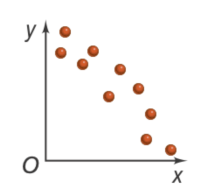
Describe the correlation in the data represented in the scatter plot below.

Asemmisa {{asɛmmisaAhyɛnsode}}
10.

Make a scatter plot of the set of points.

Asemmisa {{asɛmmisaAhyɛnsode}}
11.

Describe the correlation in the data you graphed in the previous item.

Asemmisa {{asɛmmisaAhyɛnsode}}
12.

The set {(2, 58), (6, 105), (8, 88), (8, 118), (12, 117), (16, 137), (20, 157), (20, 169)} is graphed below.

Sketch a trend line to model the data. Use a contrasting color.

Asemmisa {{asɛmmisaAhyɛnsode}}
13.

Writing: How can you determine whether two variables x and y for a real-life situation are correlated?

Asemmisa {{asɛmmisaAhyɛnsode}}
14.

Analysis: Do you think a trend line on a graph is always the same as the line of best fit? Why or why not?

Asemmisa {{asɛmmisaAhyɛnsode}}
15.

Compare and Contrast: What is the difference between a positive correlation and a negative correlation?

How might you relate positive correlation with direct variation?

Asemmisa {{asɛmmisaAhyɛnsode}}
16.

Review Lesson 2-3: Graph the following linear equations in the indicated colors on the same coordinate plane using the embedded graphing utility. Zoom and pan your graph to leave an appropriate scale and viewing window that includes all three lines.

Yɛayi Graphing asɛmmisa type foforo a wɔatu mpɔn adi! Asuafo rentumi mmua saa asɛmmisa yi bio.
Asemmisa {{asɛmmisaAhyɛnsode}}
17.

Review Lesson 2-4: Match each slope/point pair with its equation written in standard form.

  • slope = 2; (2, 6)

  • slope = -1; (-3, 3)

  • slope = 0; (0, 2)

  • -2x + y = 2

  • y = 2

  • x + y = 0

Asemmisa {{asɛmmisaAhyɛnsode}}
18.

Vocabulary Review: Indicate the set(s) of data that you can model with a linear function.

  • 3, 6, 9, 12,...

  • amount of rain each day of the week

  • birthdays of your classmates

  • Can be modeled with a linear function

Asemmisa {{asɛmmisaAhyɛnsode}}
19.

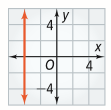
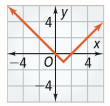
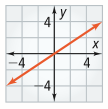
Vocabulary Review: Indicate the graphs that do NOT show a linear function.

  • Do NOT show a linear function

Asemmisa {{asɛmmisaAhyɛnsode}}
20.

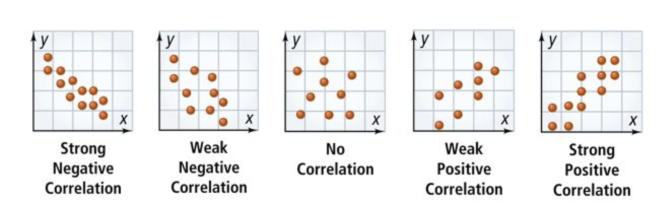
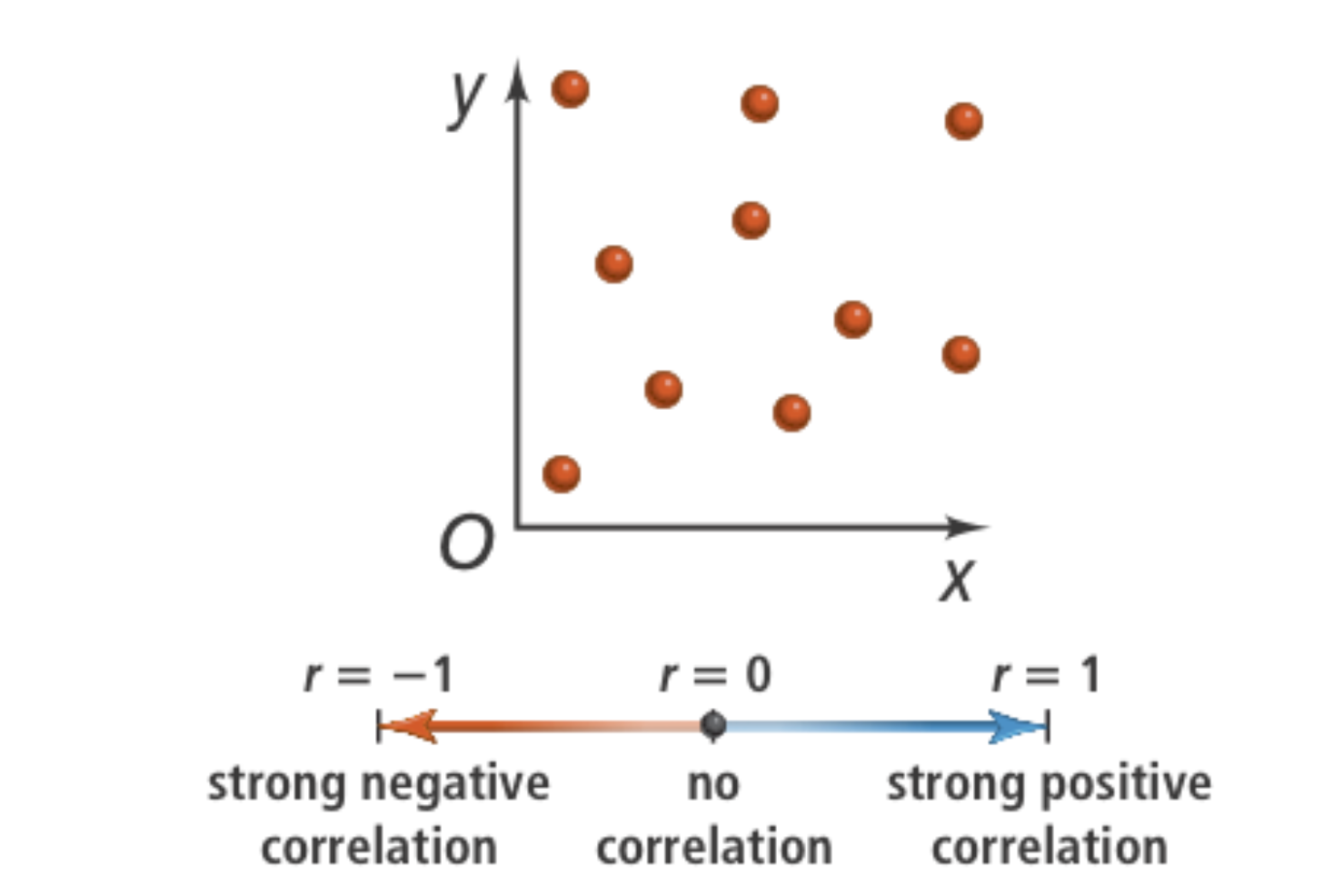
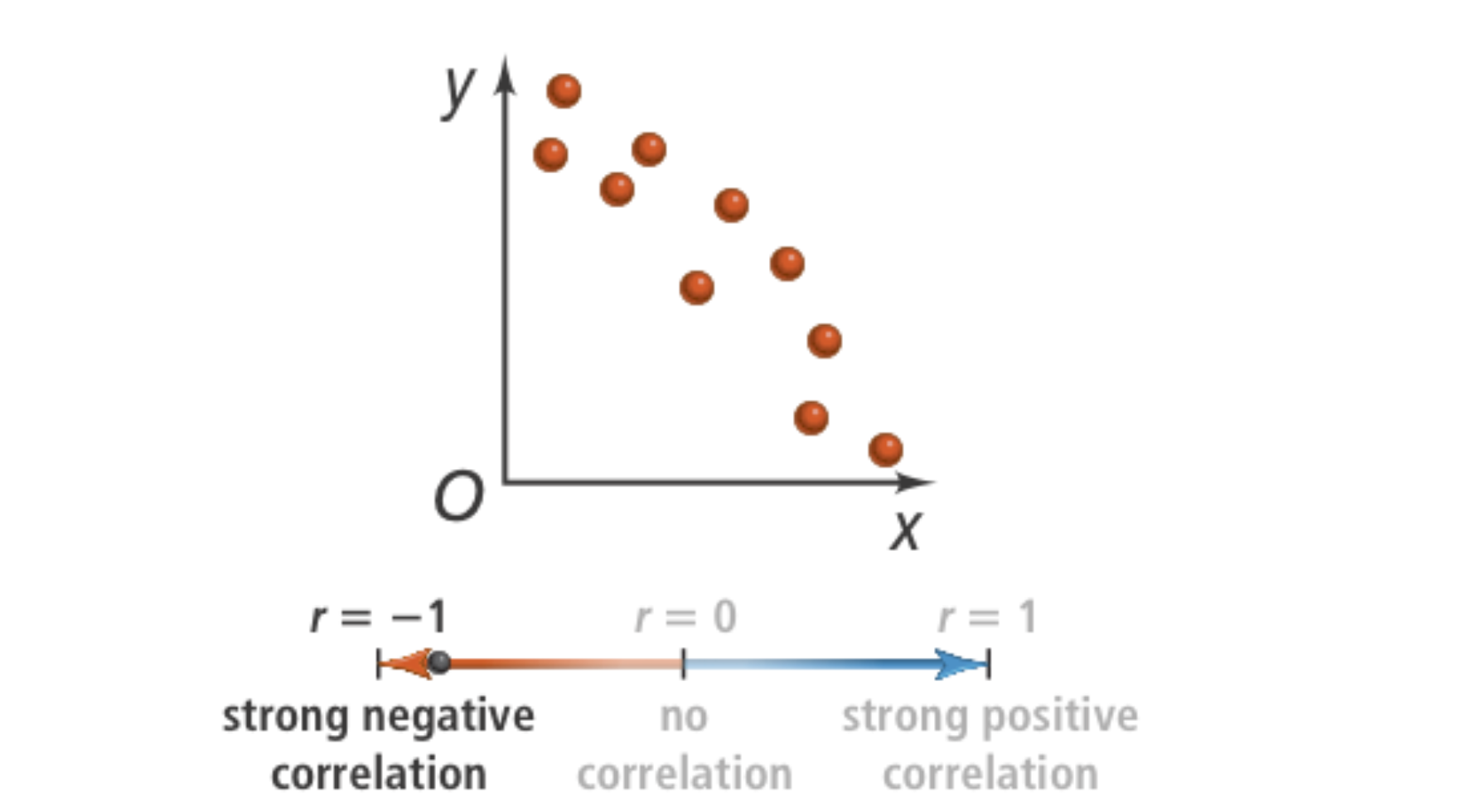
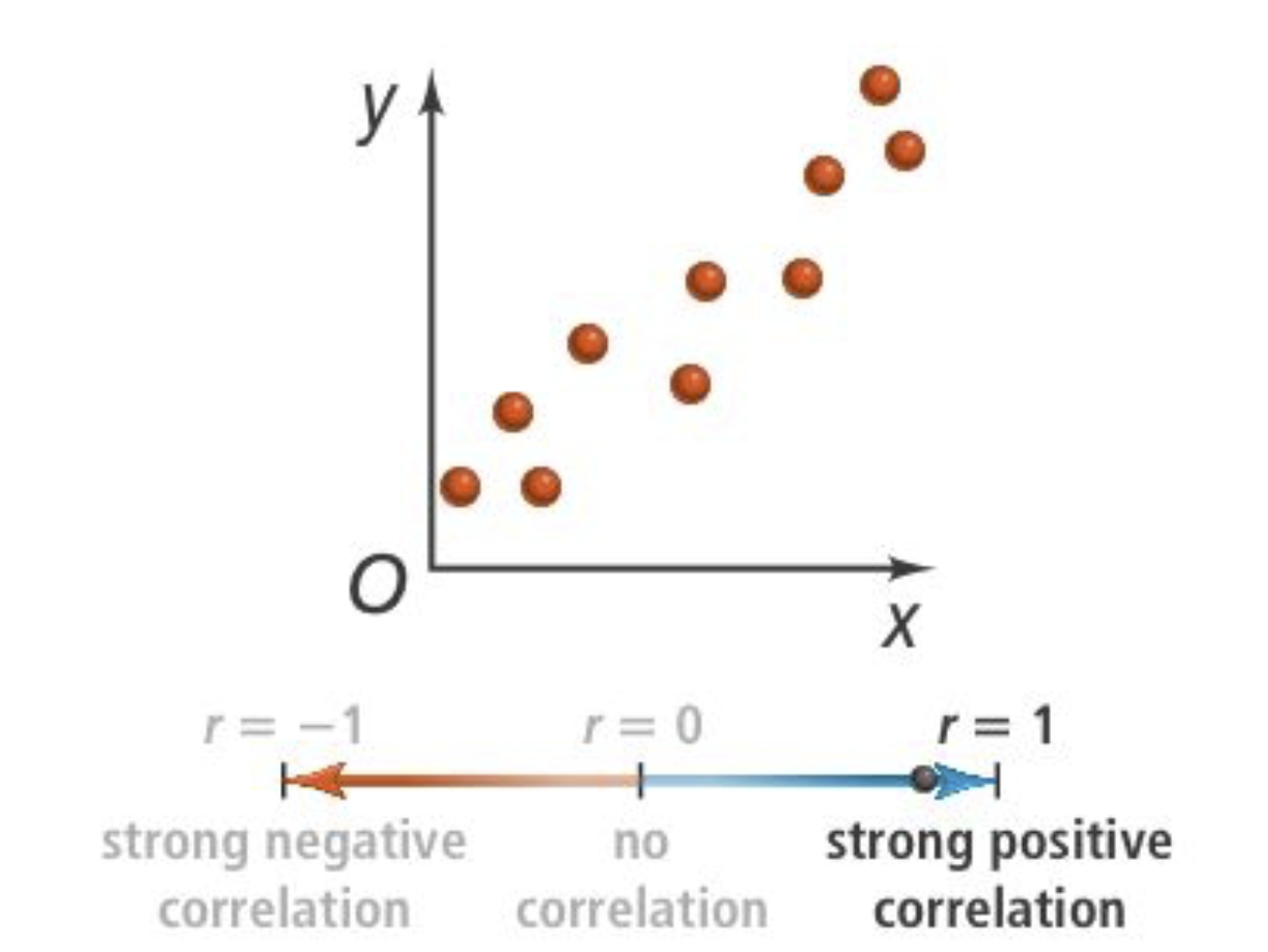
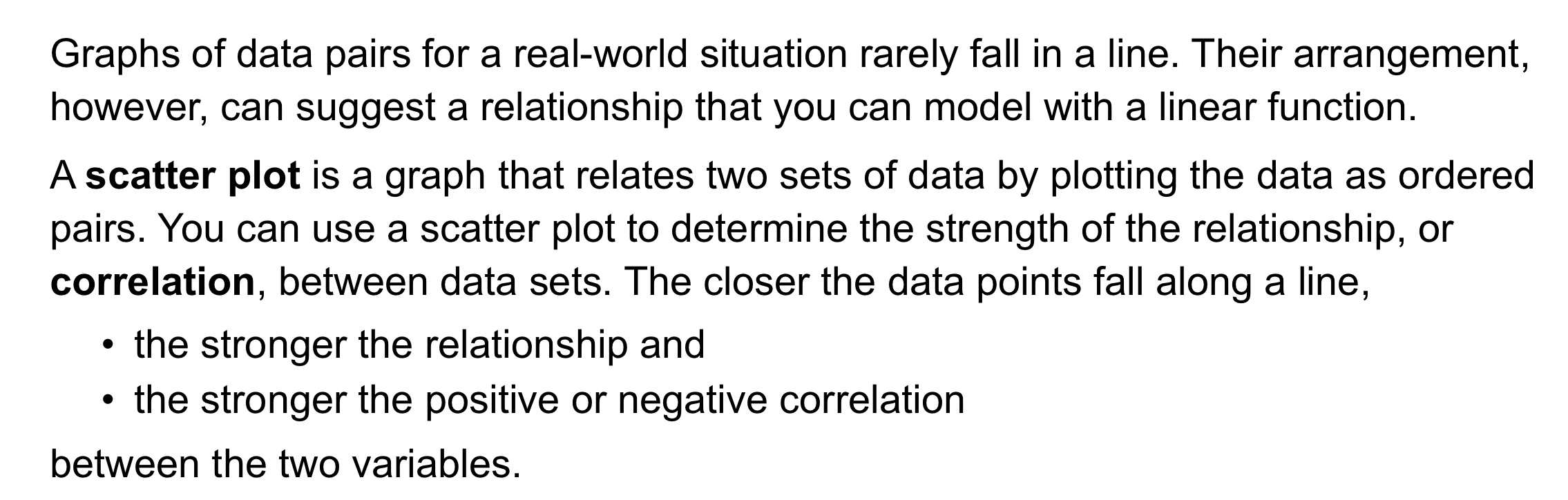
Use Your Vocabulary: Indicate the correlation that most closely represents each situation.

The image below may be helpful:

  • Positive correlation

  • Negative correlation

  • No correlation

  • the age of a used car and the car's value

  • the color of your hair and the weather in Venezuela

  • the number of minutes you study for a test and your test grade

Asemmisa {{asɛmmisaAhyɛnsode}}
21.

Notes: Take a clear picture or screenshot of your Cornell notes for this lesson. Upload it to the canvas. Zoom and pan as needed.

For a refresher on the Cornell note-taking system, click here.

Asemmisa {{asɛmmisaAhyɛnsode}}
22.

Reflection: Math Success