0
Describe at least 3 differences between the bacteria and the 2 other cells in the pictures above.
Describe at least 3 differences between the bacteria and the 2 other cells in the pictures above.
Describe at least 3 differences between the bacteria and the 2 other cells in the pictures above.
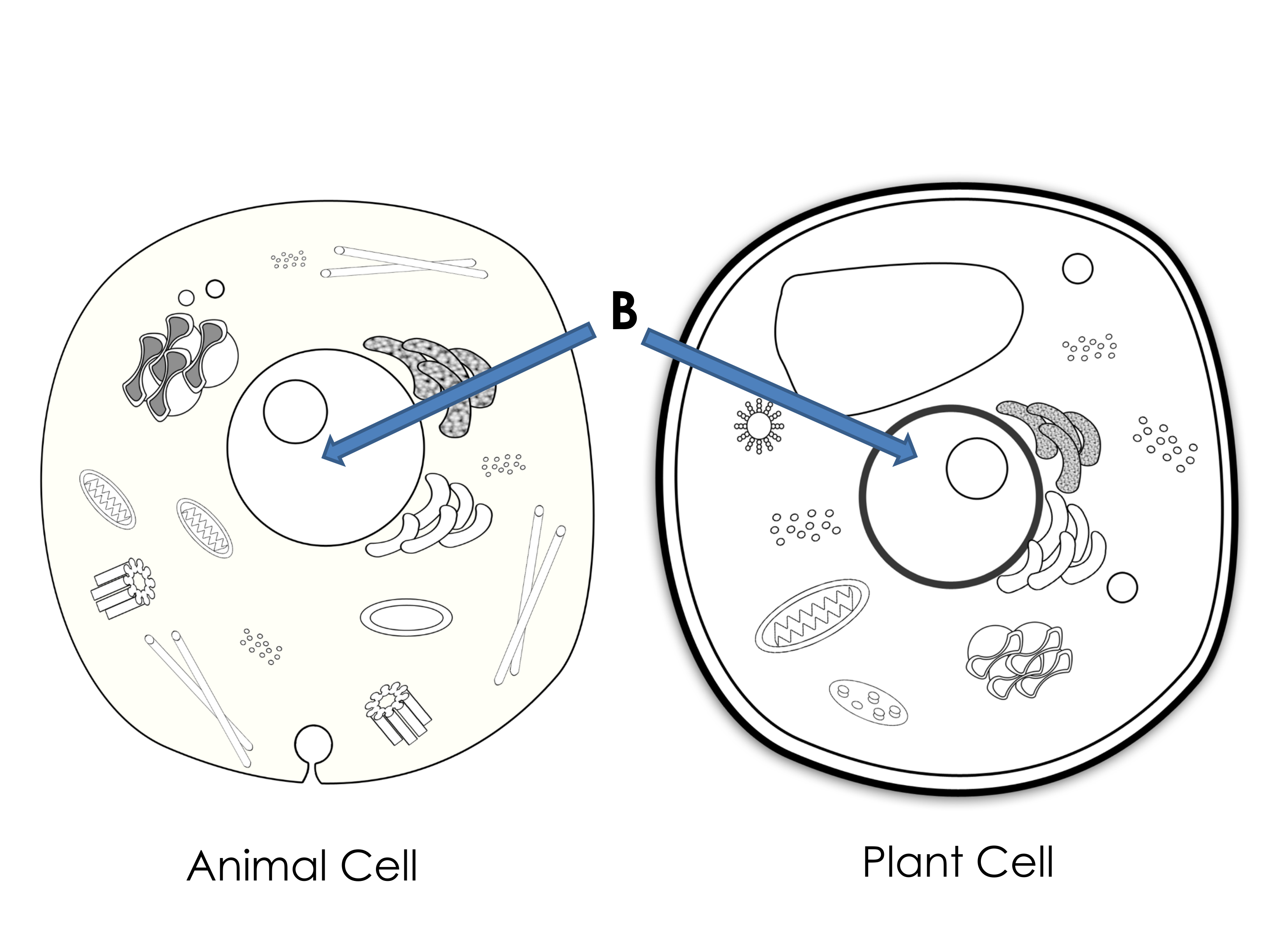
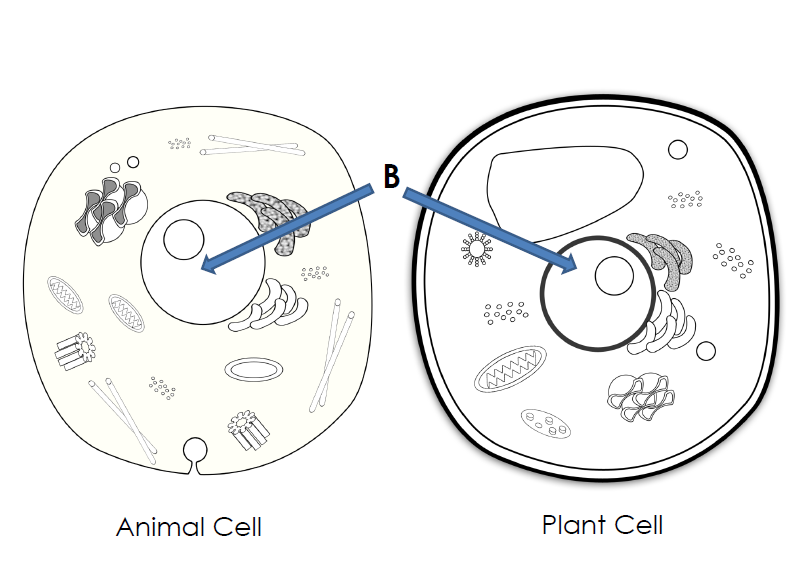
Look at Label B on the plant
and animal cell. It is
pointing to the DNA.
Describe how the DNA is stored in these eukaryotic cells.
With your new knowledge, explain 2 differences between prokaryotic and eukaryotic cells.

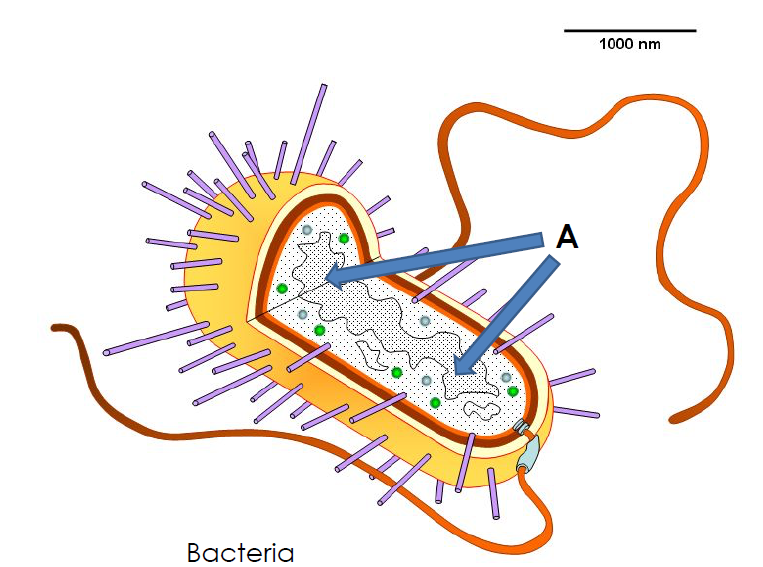
Look at Label A on the
bacteria. It is pointing to the
DNA.
Describe how the DNA is stored in this prokaryotic cell.
Is it organized? Can it be found in one small area?
How are prokaryotic and eukaryotic cells similar?
Describe the nucleus in an eukaryotic cell.
Provide an example organism that is prokaryotic and one that is eukaryotic.
Watch it: According to the video, which types of cells came first?
Watch it: What does the prefix prokary mean?
Watch it: List 2 characteristics that a eukaryotic cell has that a prokaryotic cell does not have.
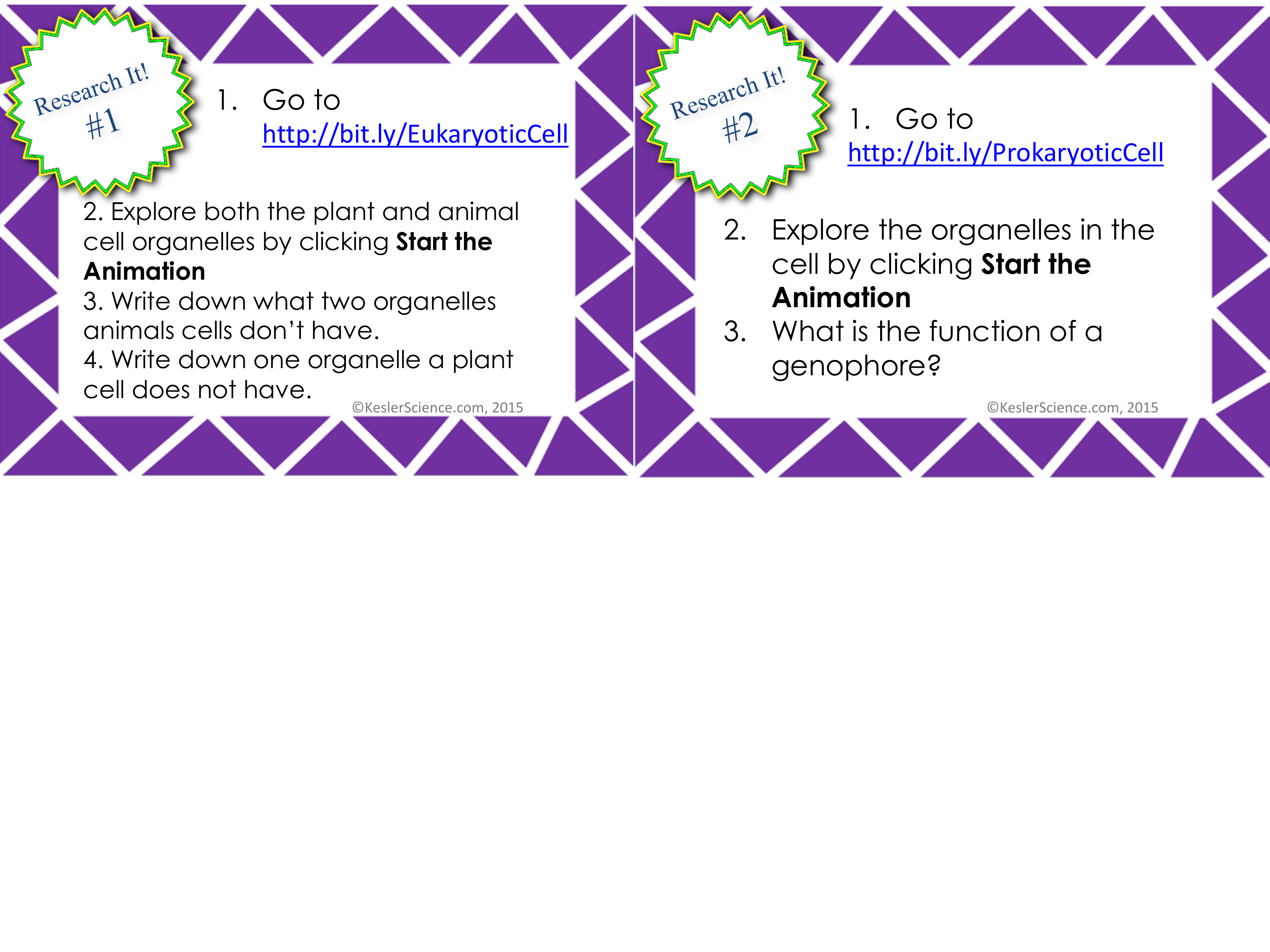
Write down what two organelles animals cells don’t have.
Write down one organelle a plant cell does not have.
What is the function of a genophore?
Do your Illustrate station here!! 👍
Organize it! Station- Sort the items below into on of the 3 catagories.
oldest cell type
small and simple
lack nucleus
lack organelles
single-celled
have DNA,
have ribosomes
have cytoplasm
have plasma membrane
Evolved from prokaryotes
larger and more complex
contain
nucleus
contain organelles
single or
multicellular
Prokaryotic

Both
Eukaryotic

Which are
characteristics of a
prokaryotic cell?
What would be the
best title for this
passage?
Which are characteristics of a
eukaryotic cell?
Which are examples of
organelles?