Chemical Bonding Benchmark
star
star
star
star
star
Last updated over 7 years ago
20 Nsɛmmisa

5
2
2
2
2
2
2
2
2
3
5
2
2
2
2
2
2
2
3
5
Draw a model that shows how magnesium and chlorine combine to form a bond.
Start with the electron dot structure for magnesium and chlorine, then use a series of 2 or more drawings to show the electron movement (please note that there maybe more than 1 atom for either magnesium and chlorine).
Use any model appropriate for the bond type.
What type of bond will form between these atoms
Write the electron configuration for the non-metal (before it's bonded)
What is the "resulting" charge of the metal?
What is the "resulting" charge of the non-metal?
Determine the formula for the compound involving these two elements
In the compoud combining Magnesium and Chlorine, which element forms the cation
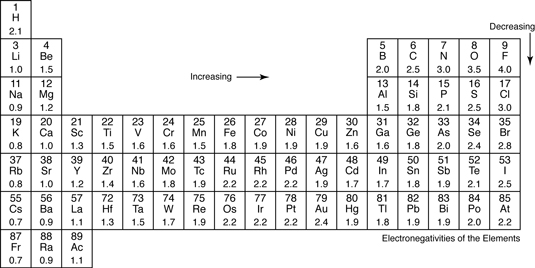
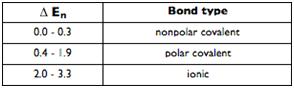
What is the difference in electronegativity between the two elements
Write the electron configuration for the metal (before it's bonded)
Using the octet rule and the electron configurations of each element, select all the answers that explain what the elements need to do in order to achieve stability.
Draw a model that shows how hydrogen, carbon, and nitrogen combine to form a compound.
Start with the electron dot structure for hydrogen, carbon, and nitrogen , then use a series of 2 or more drawings to show the electron movement
Use any model appropriate for the bond type.
In the compoud combining Magnesium and Chlorine, which element forms the anion
What type of bond will form between these atoms
Write the electron configuration for carbon (before it's bonded)
Write the electron configuration for hydrogen (before it's bonded)
Write the electron configuration for nitrogen (before it's bonded)
Using the difference in electronegativity determine whether the bond between hydrogen and carbon is polar or non-polar
Using the difference in electronegativity determine whether the bond between nitrogen and carbon is polar or non-polar
Using the octet rule and the electron configurations of each element, identify and select all answers that explain what the elements need to do in order to achieve stability.
Categorize each of the following traits, placing them with the proper atom
(Some traits will be used more than once, or not used at all)
5 valence electrons
4 valence electrons
1 valence electrons
forms up to 4 bonds
non-metal
metal
can only form one bond
after bonding, will have a pair of unshared electrons (2 total)
Carbon
Hydrogen
Nitrogen