Plants
star
star
star
star
star
Last updated over 7 years ago
13 Nsɛmmisa
Hyɛ no nsow a efi ɔkyerɛwfo no hɔ:
General Biology EOC Review
1
1
1
1
1
1
1
1
1
1
1
1
1
General Biology EOC Review
What is the main function of leaves?
_____________ releases carbon dioxide and water, which plant cells use to make glucose (sugar).
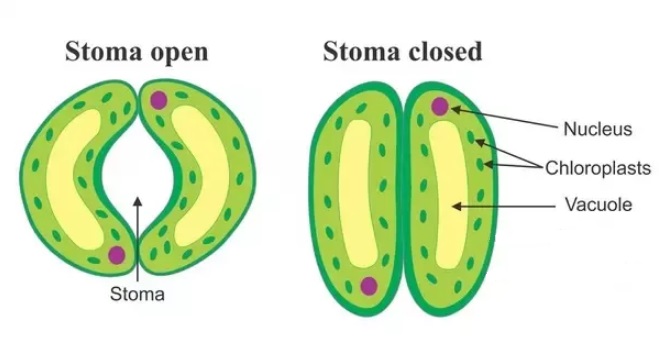
Which structure in the leaf controls the opening and closing of the stomata?
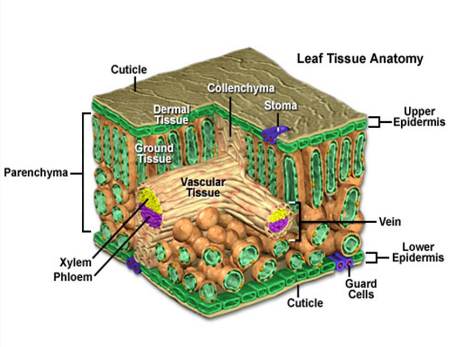
Which of the following is responsible for transporting water and nutrients from the roots to the leaves?
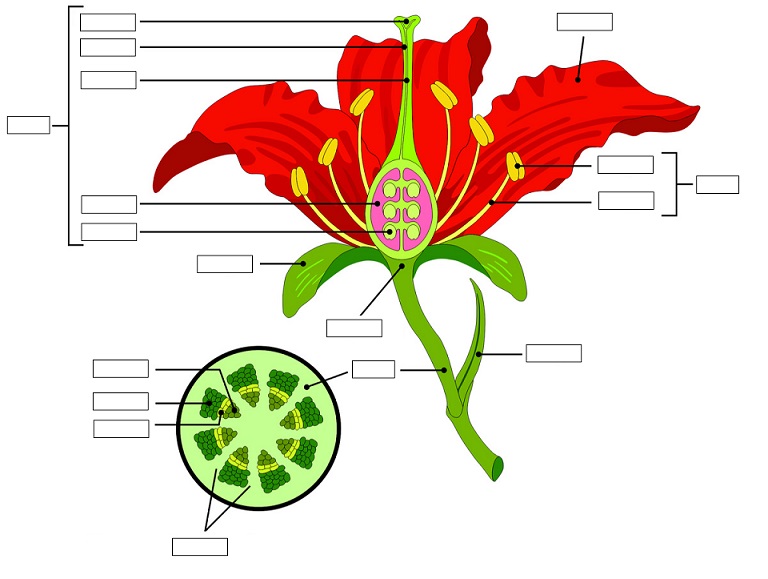
The __________ is the male part of the flower.
What part of the flower traps pollen to fertilize the ovary?
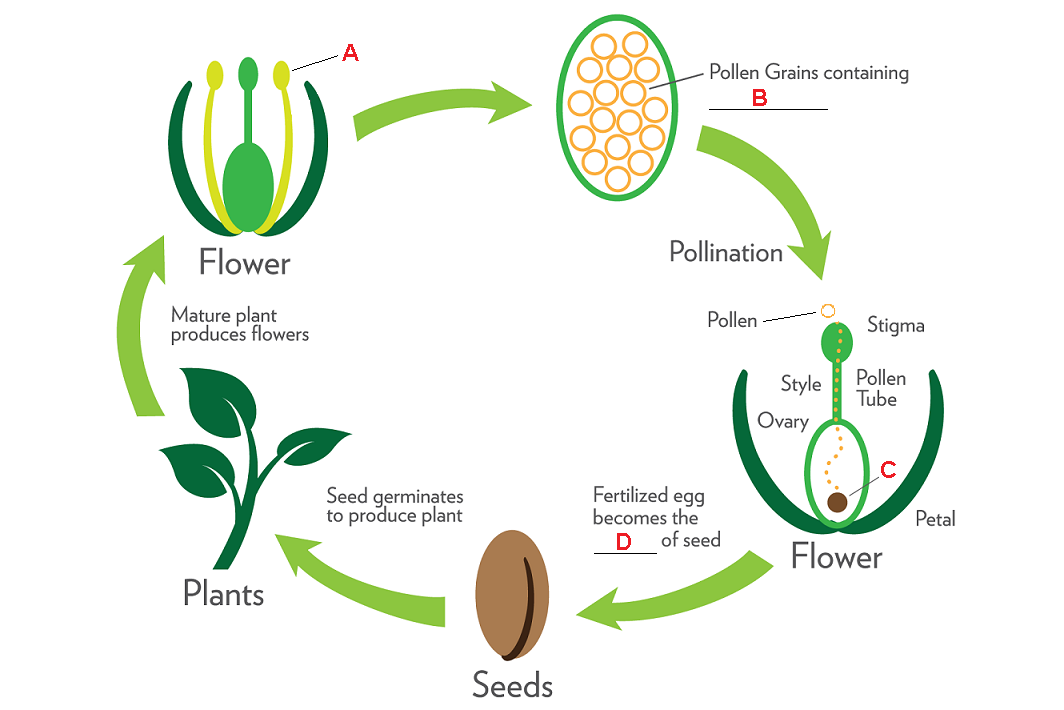
Which of the following is represented by the letter B?
Which of the following is represented by the letter D?
The main difference between xylem and phloem is that xylem transports water and phloem transports food.
The loss of water from a plant in the form of water vapor is called ____________________. Water escapes through the stomata of leaves.
Cells in _____________ tissue divide and produce all of the new cells in a plant.
____________ tissue protects the soft tissues of plants, mostly on leaves. It secretes the cuticle, a waxy layer that covers the leaf and prevents water loss.
____________ tissue includes three cell types of different functions: parenchyma, collenchyma, and sclerenchyma. The major cells of this tissue are parenchyma cells, which funtion in photosynthesis and nutrient storage.