Log in
Sign up for FREE
arrow_back
Library

Algebra 2 7-6 Complete Lesson: Natural Logarithms

star
star
star
star
star
Last updated about 4 years ago
37 questions
Note from the author:
A complete formative lesson with embedded slideshow, mini lecture screencasts, checks for understanding, practice items, mixed review, and reflection. I create these assignments to supplement each lesson of Pearson's Common Core Edition Algebra 1, Algebra 2, and Geometry courses. See also mathquest.net and twitter.com/mathquestEDU.

10
20
10
10
10
10
10
10
10
10
10
100
10
Question 1
1.

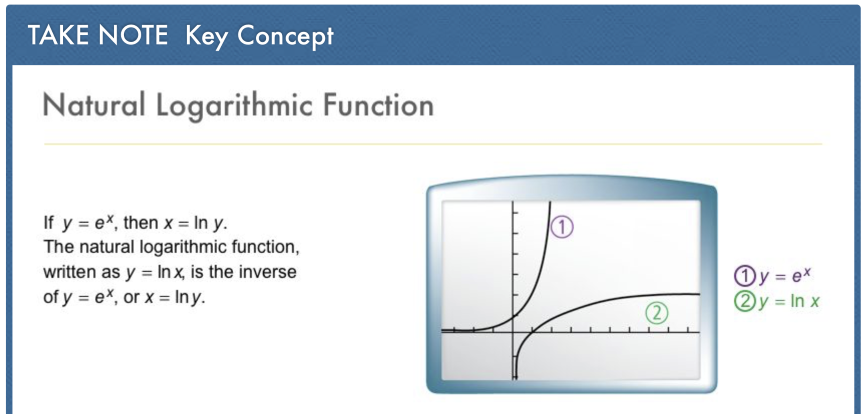
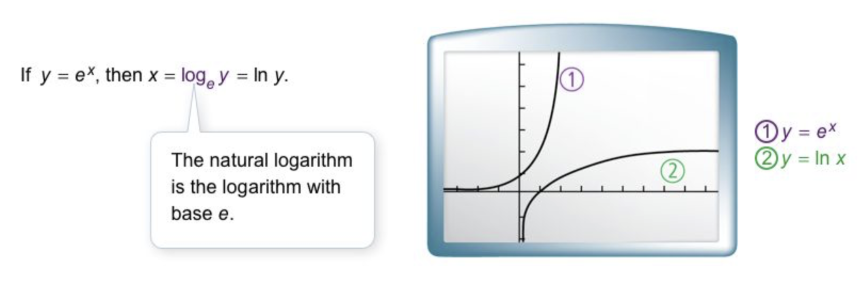
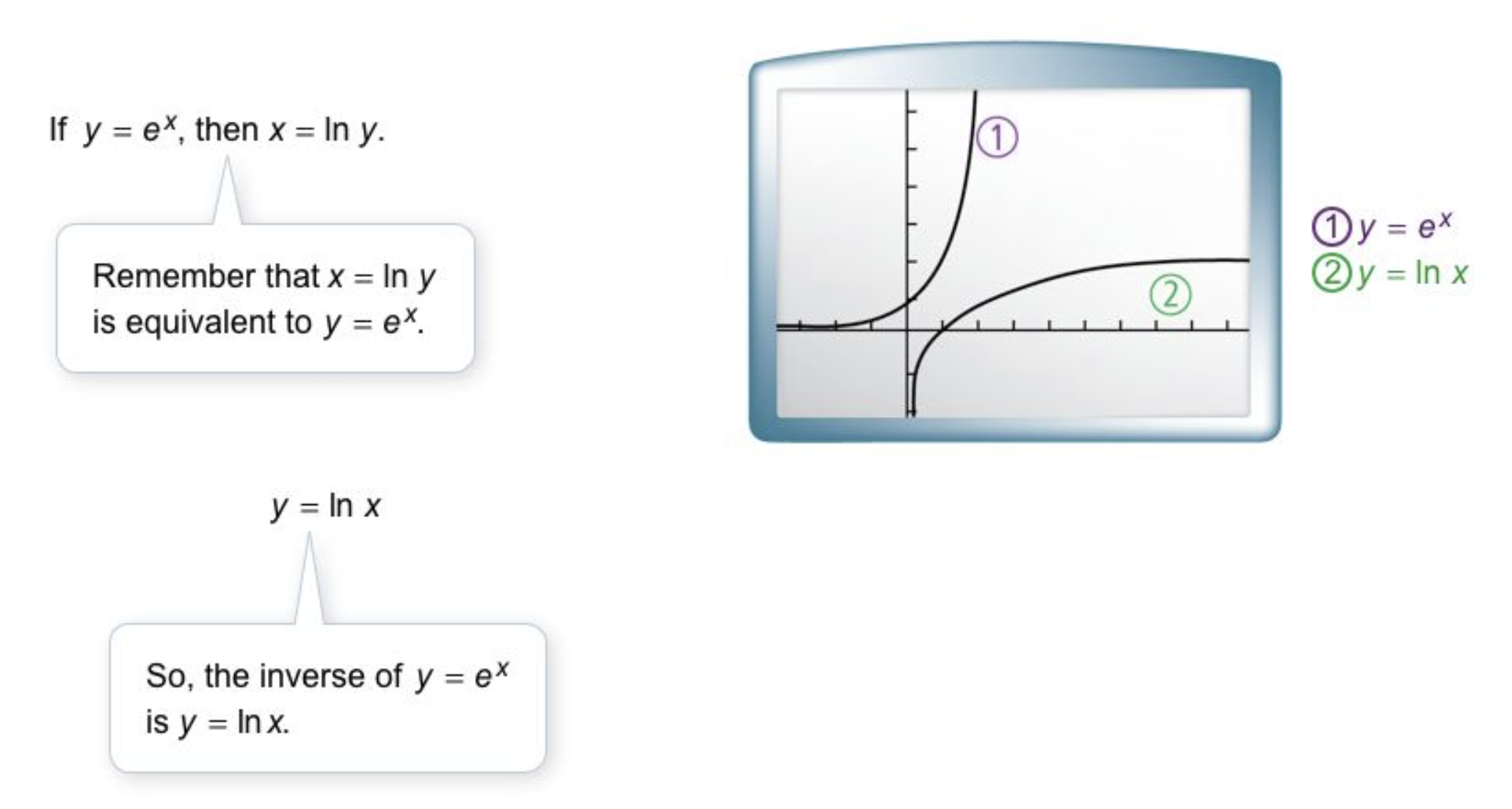
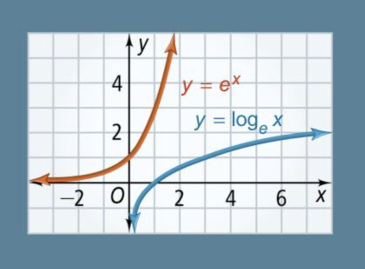
Solve It! A function f is bounded above if there is some number B that f(x) can never exceed. The exponential function base e shown here is not bounded above.

  • Yes
  • No
  • 3
  • 2
  • Not bounded above
  • Is the logarithmic function base e bounded above?
  • If the logarathmic function base e is bounded above, find a bounding number. If not, drag "Not bounded above" into this category.
10
Question 2
2.

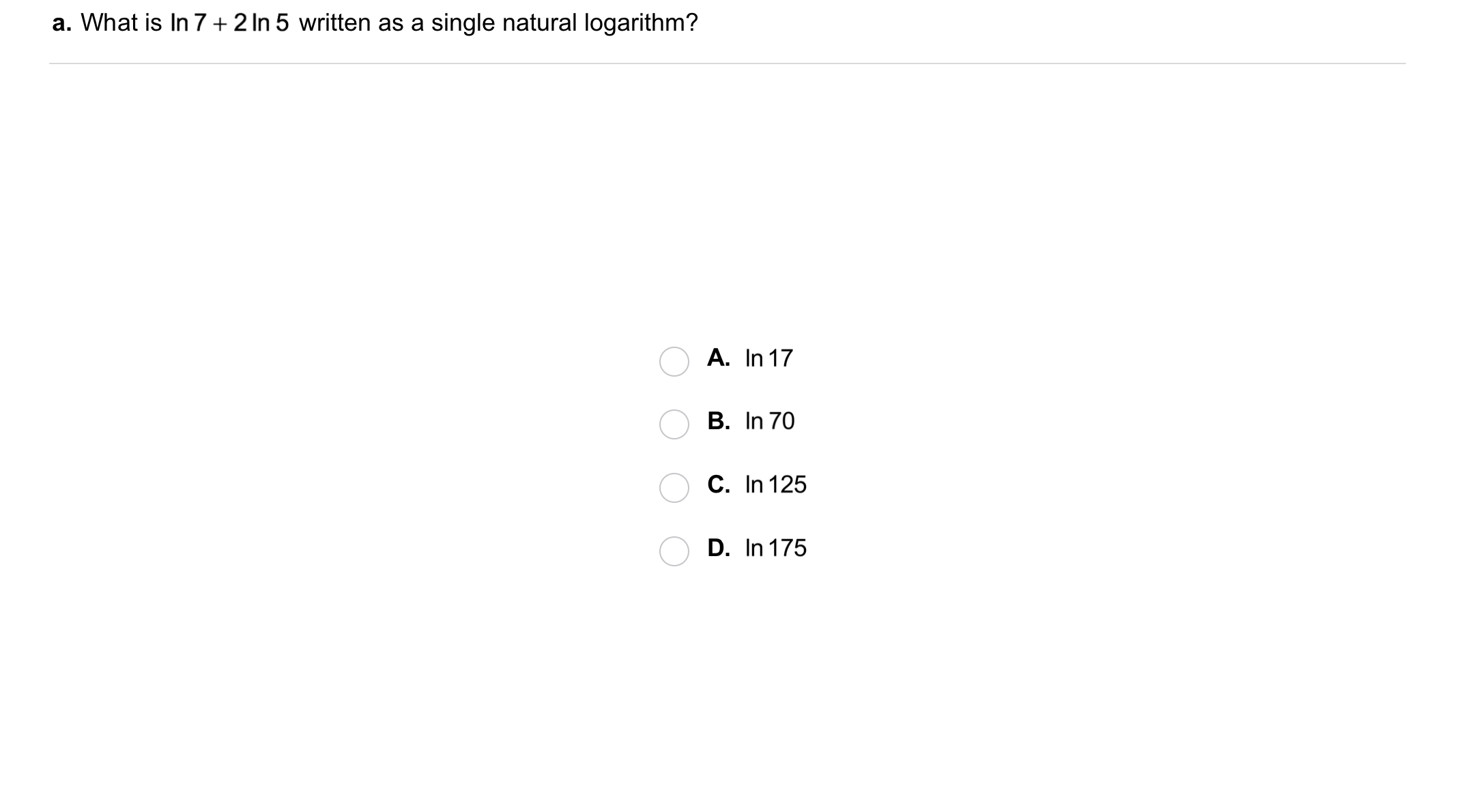
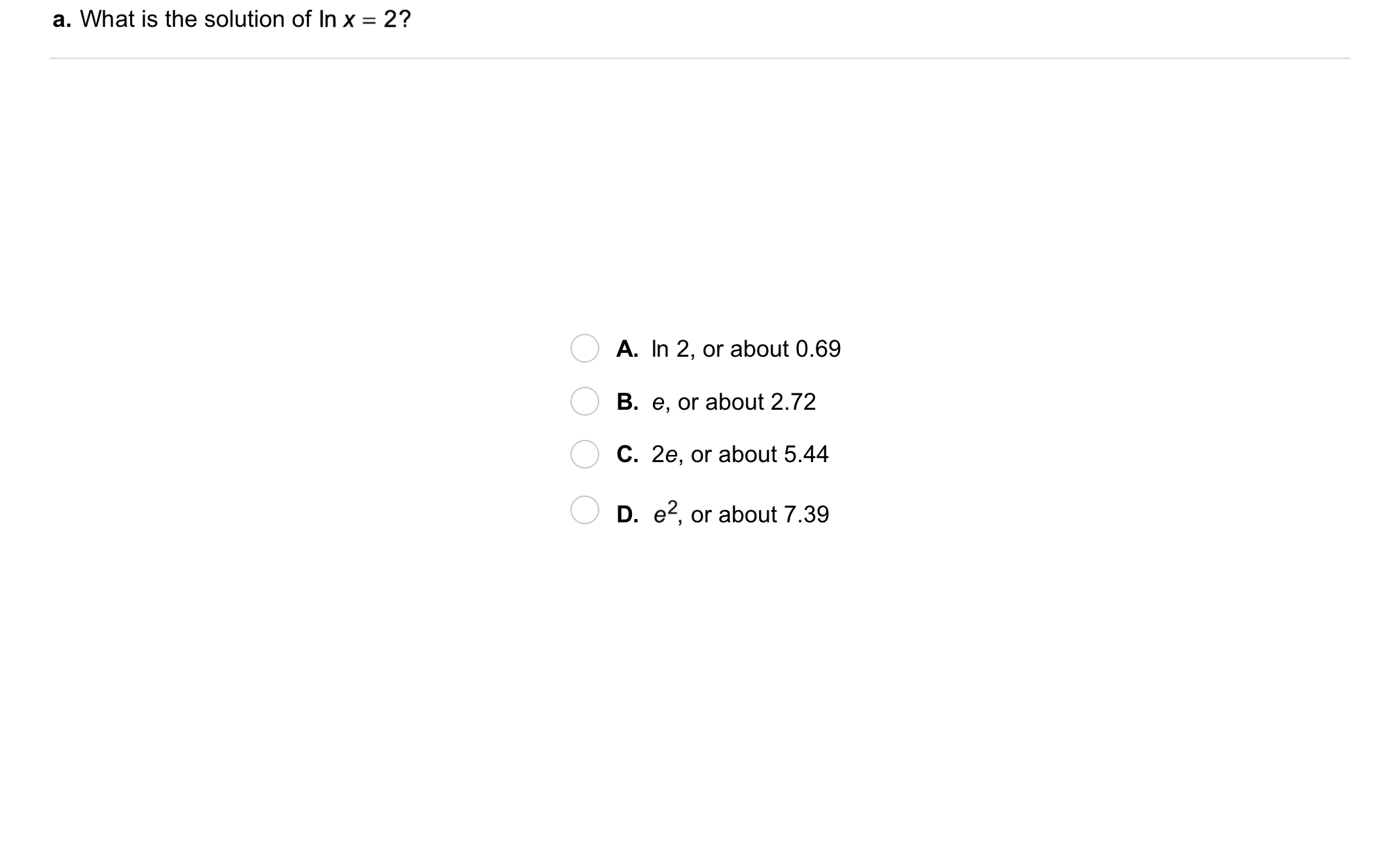
Problem 1 Got It?

10
Question 3
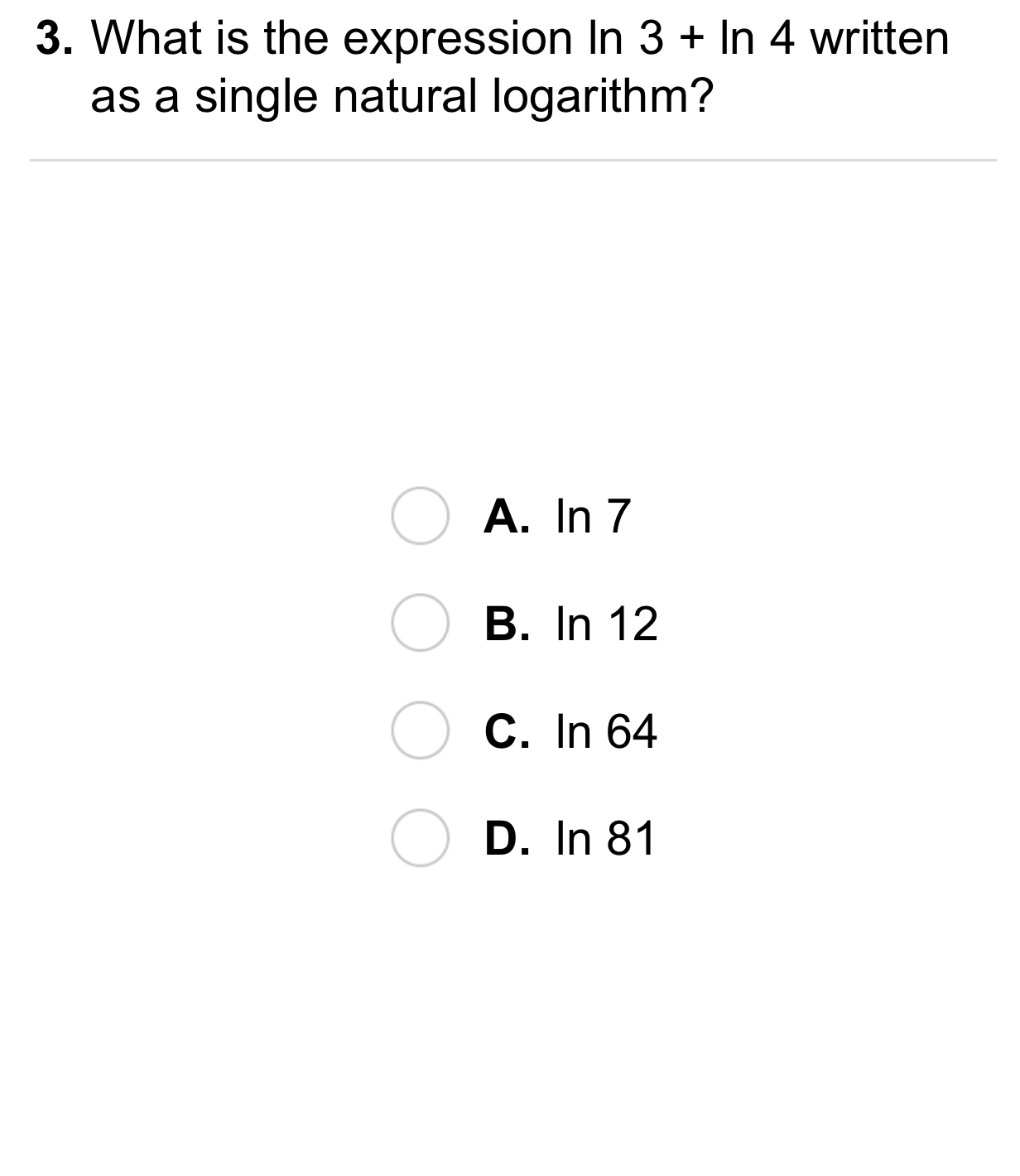
3.

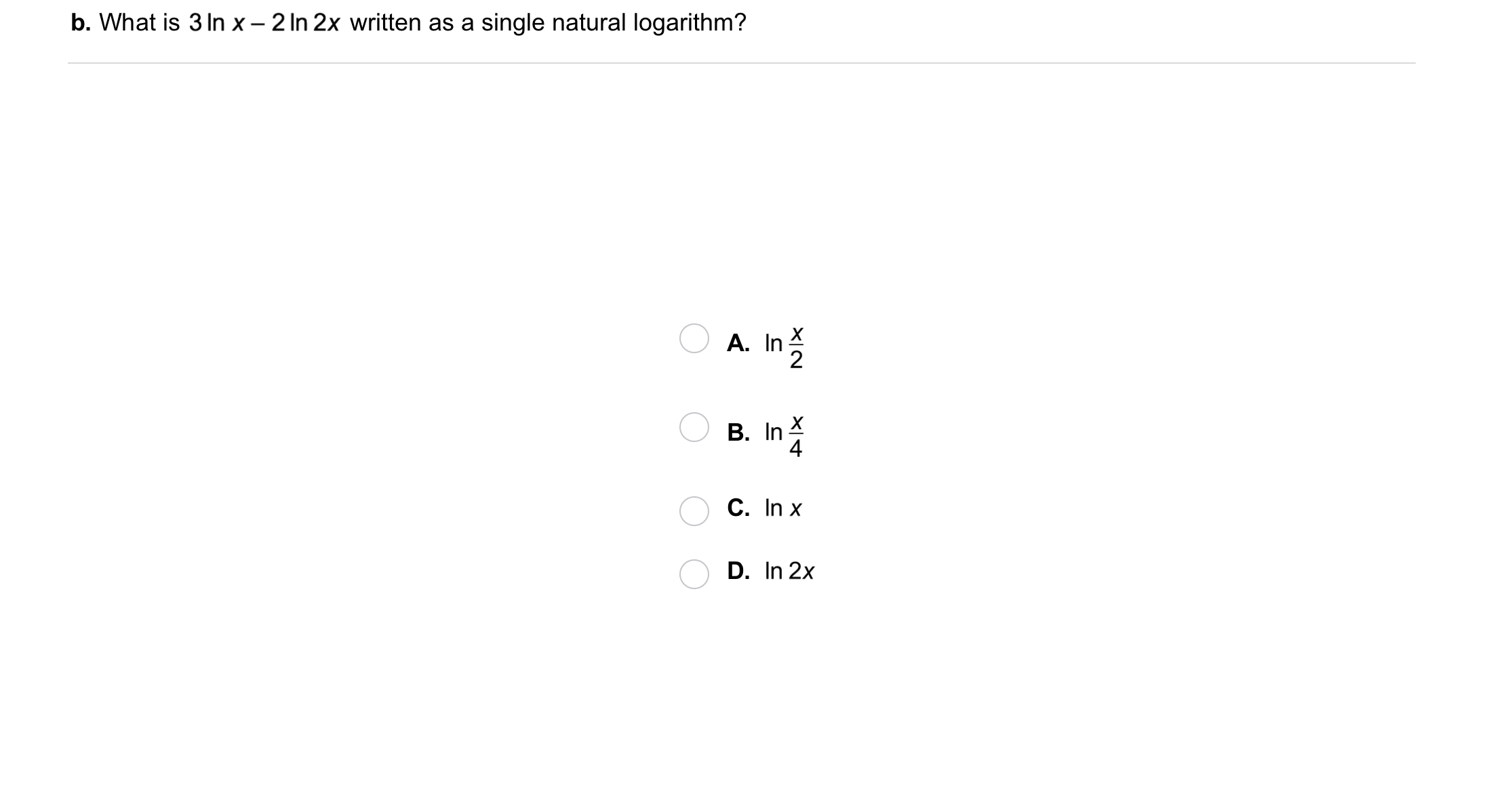
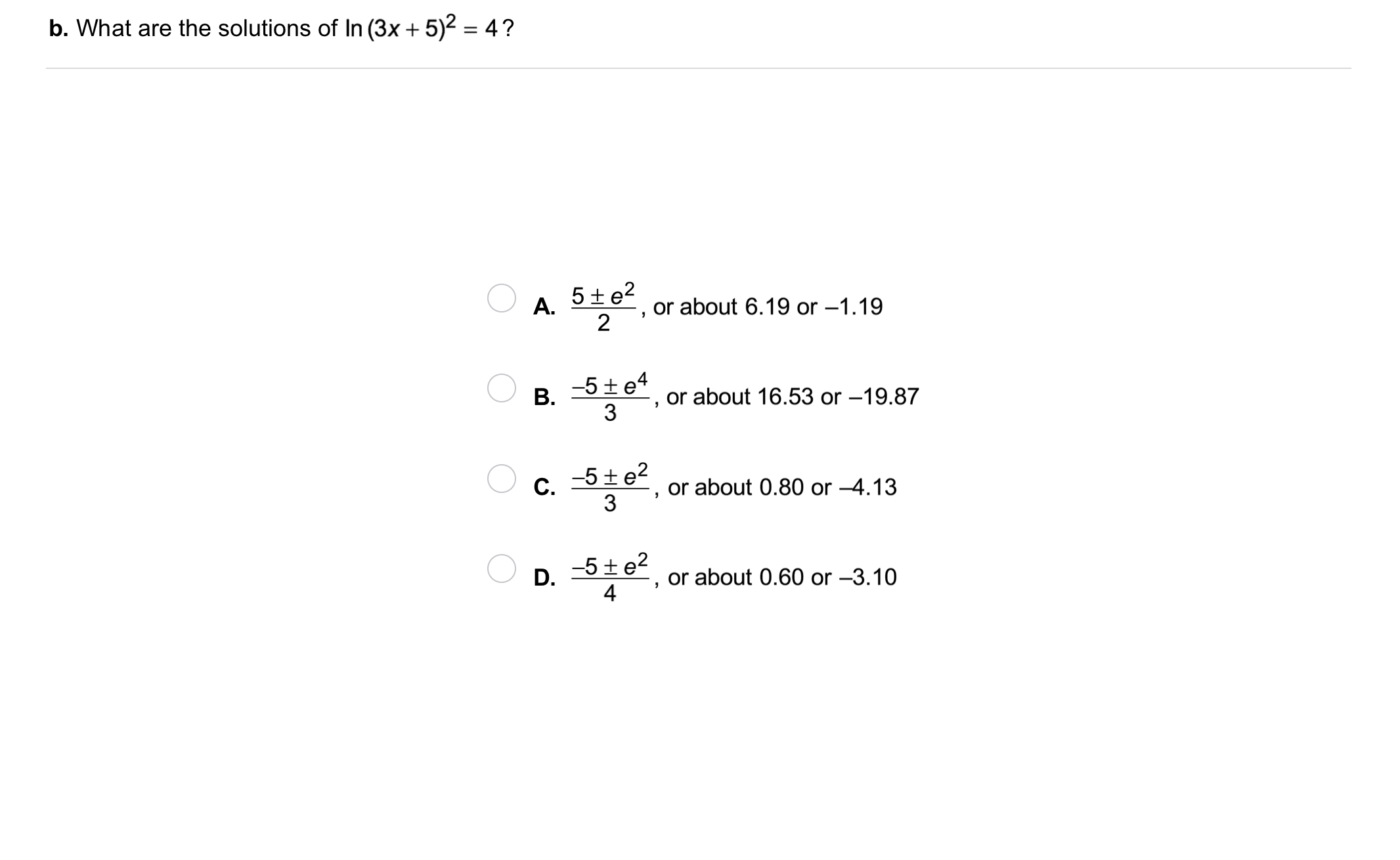
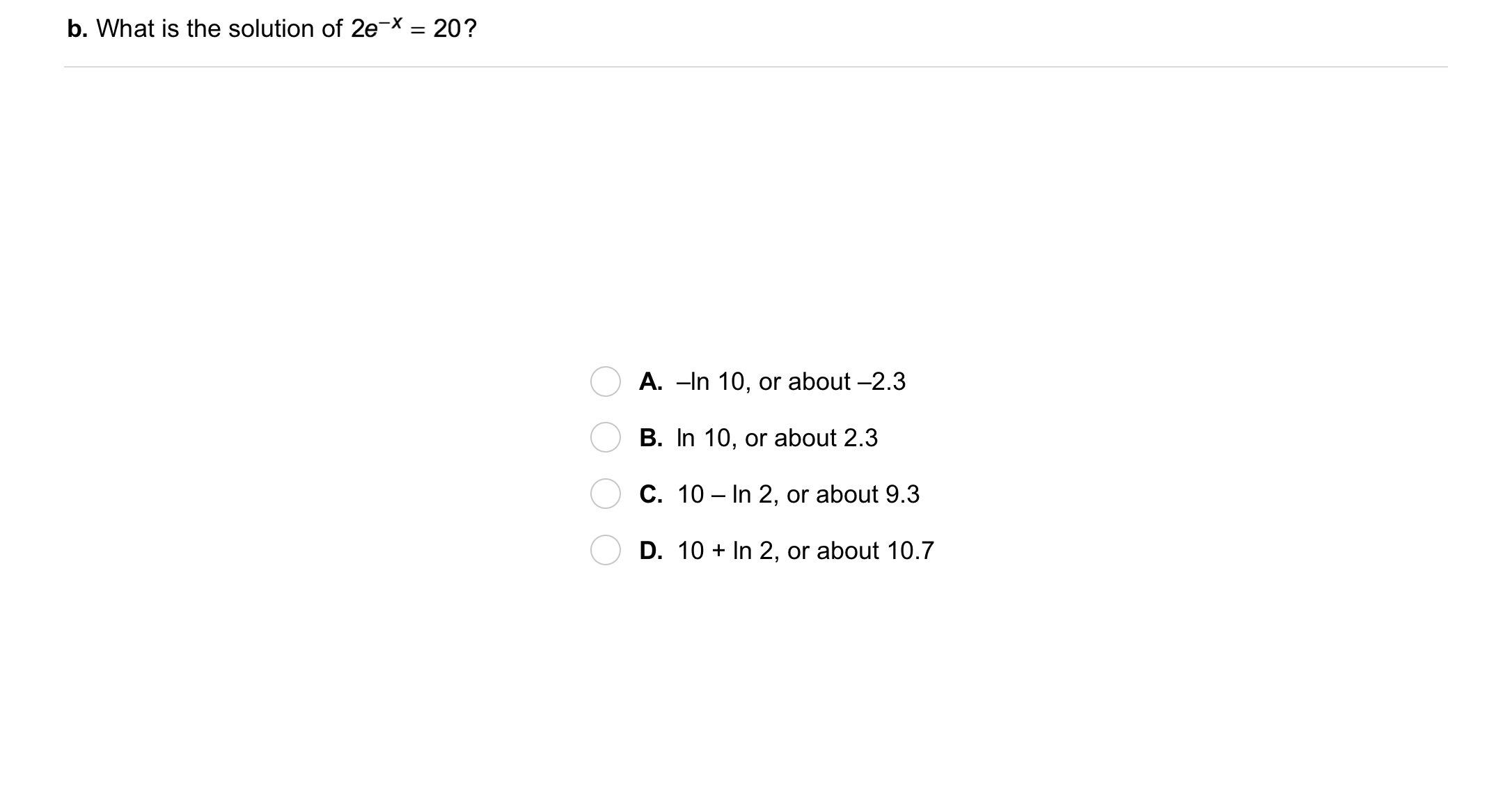
Problem 1 Got It?

10
Question 4
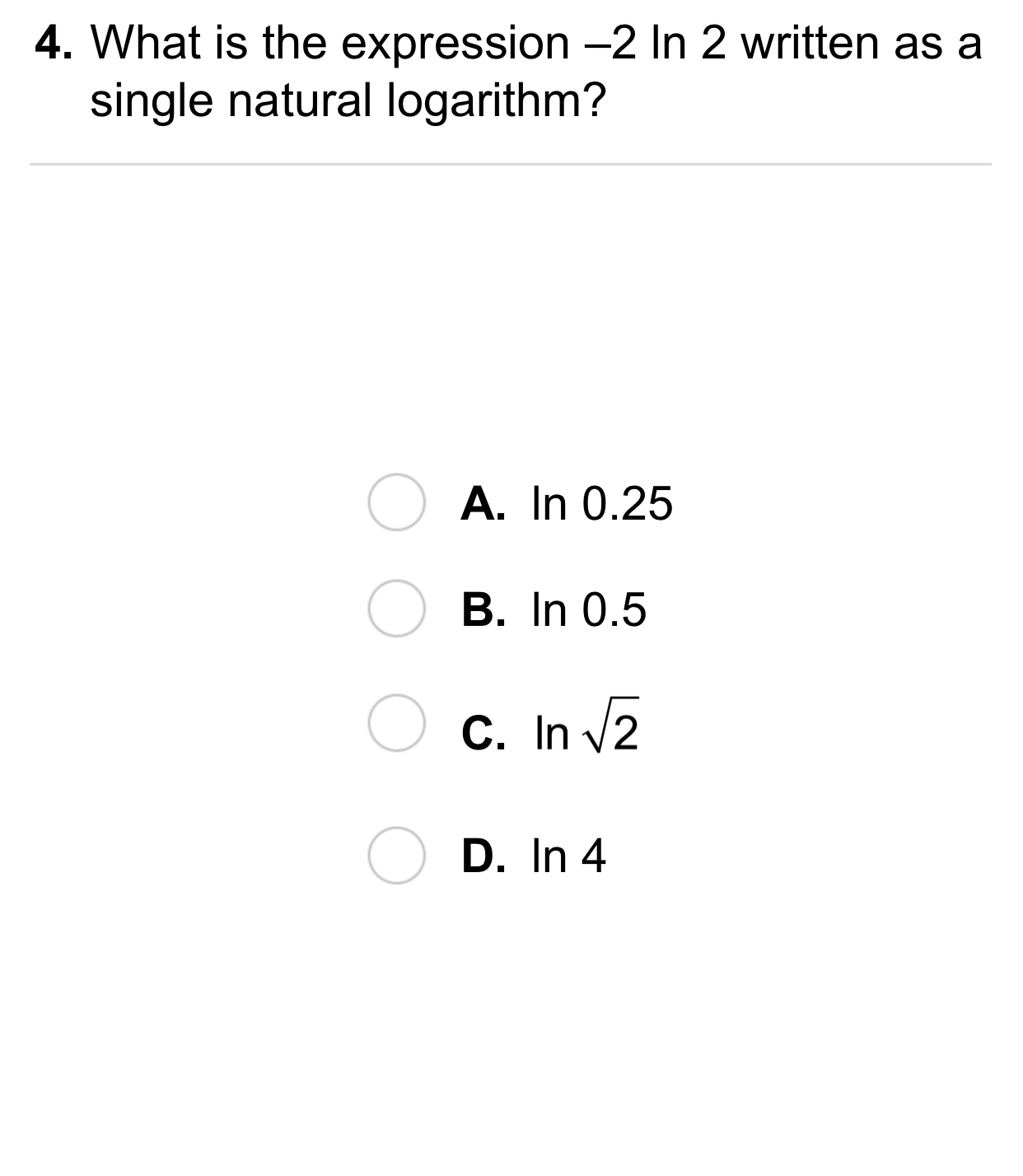
4.

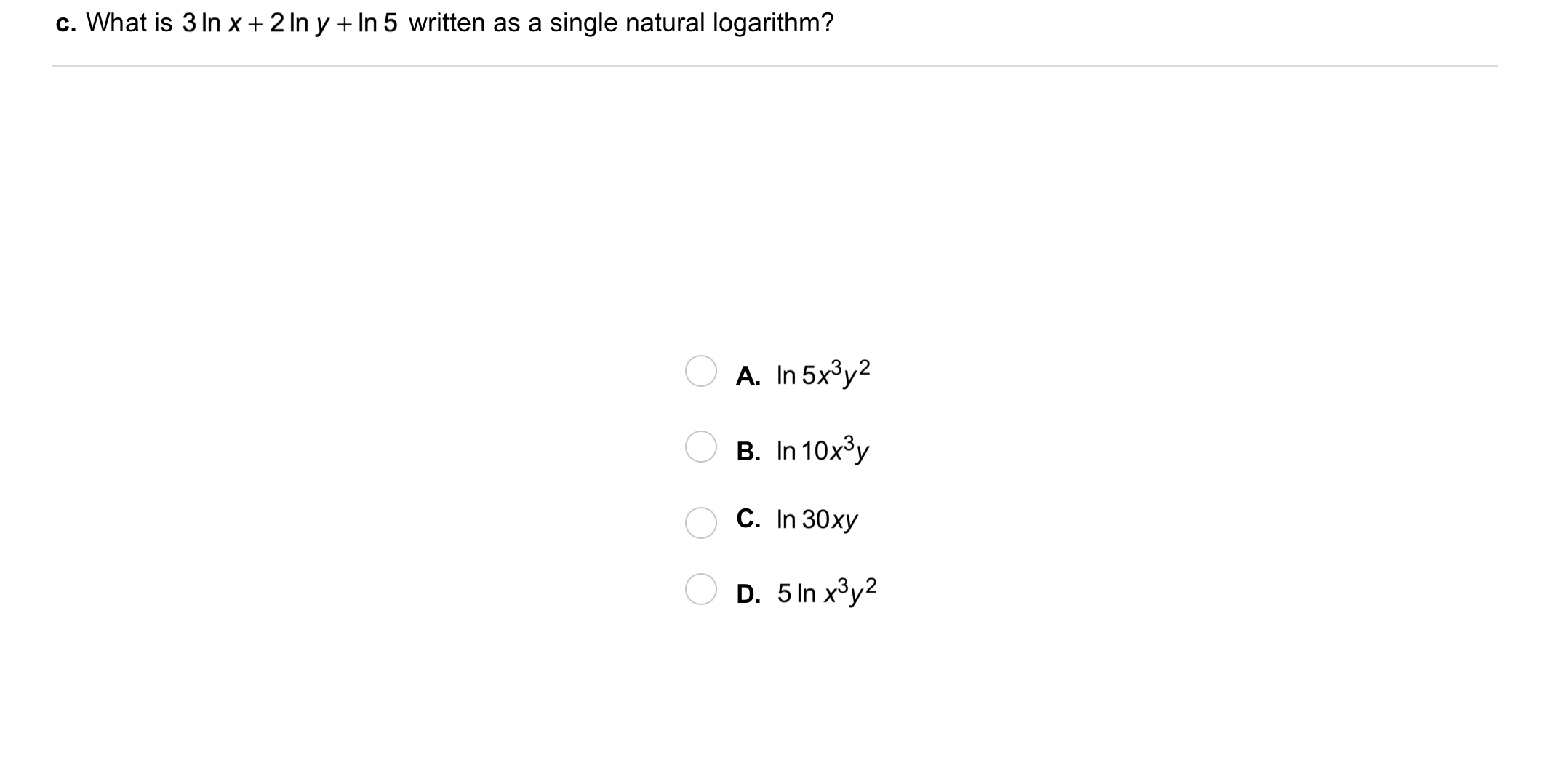
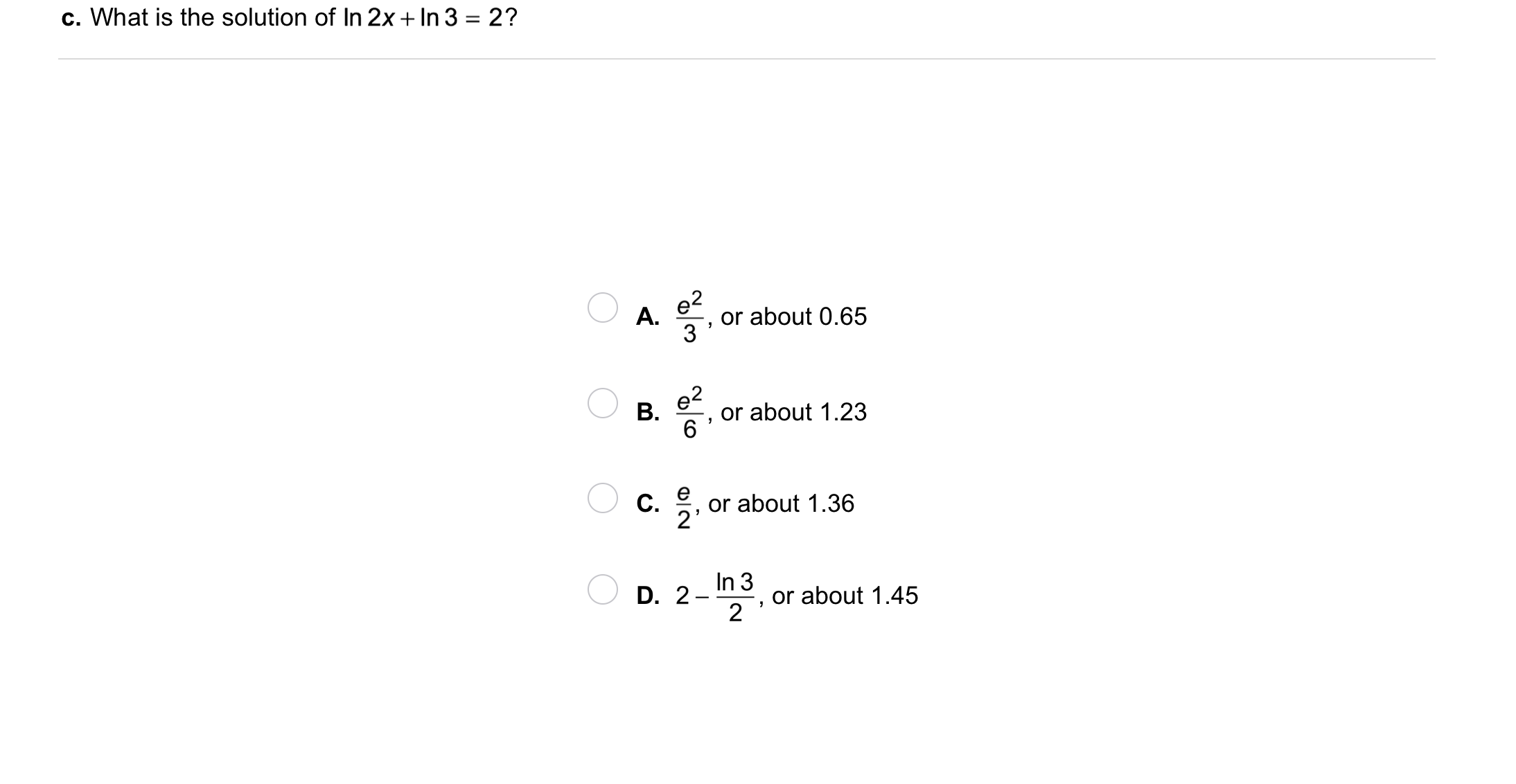
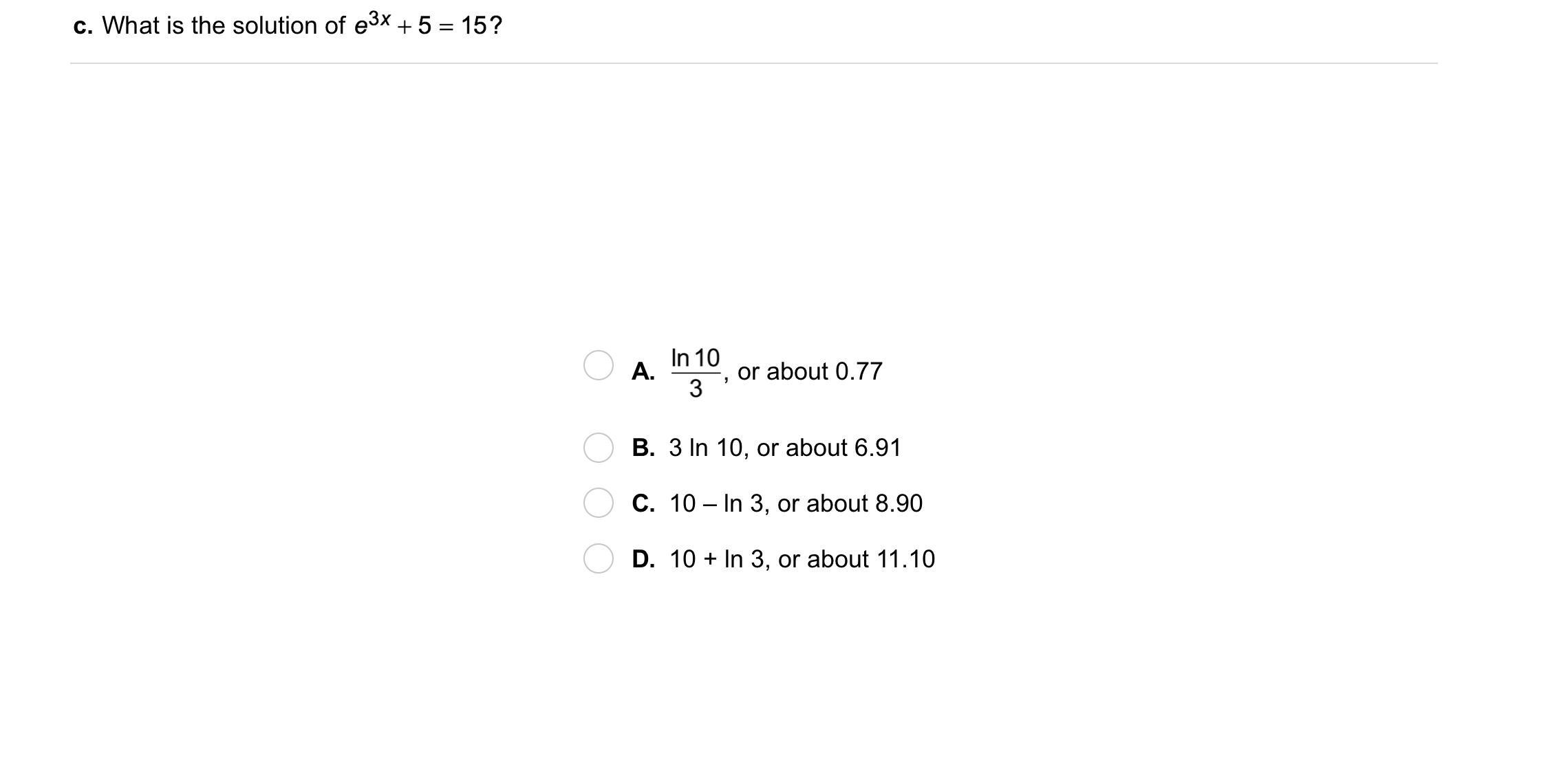
Problem 1 Got It?

10
Question 5
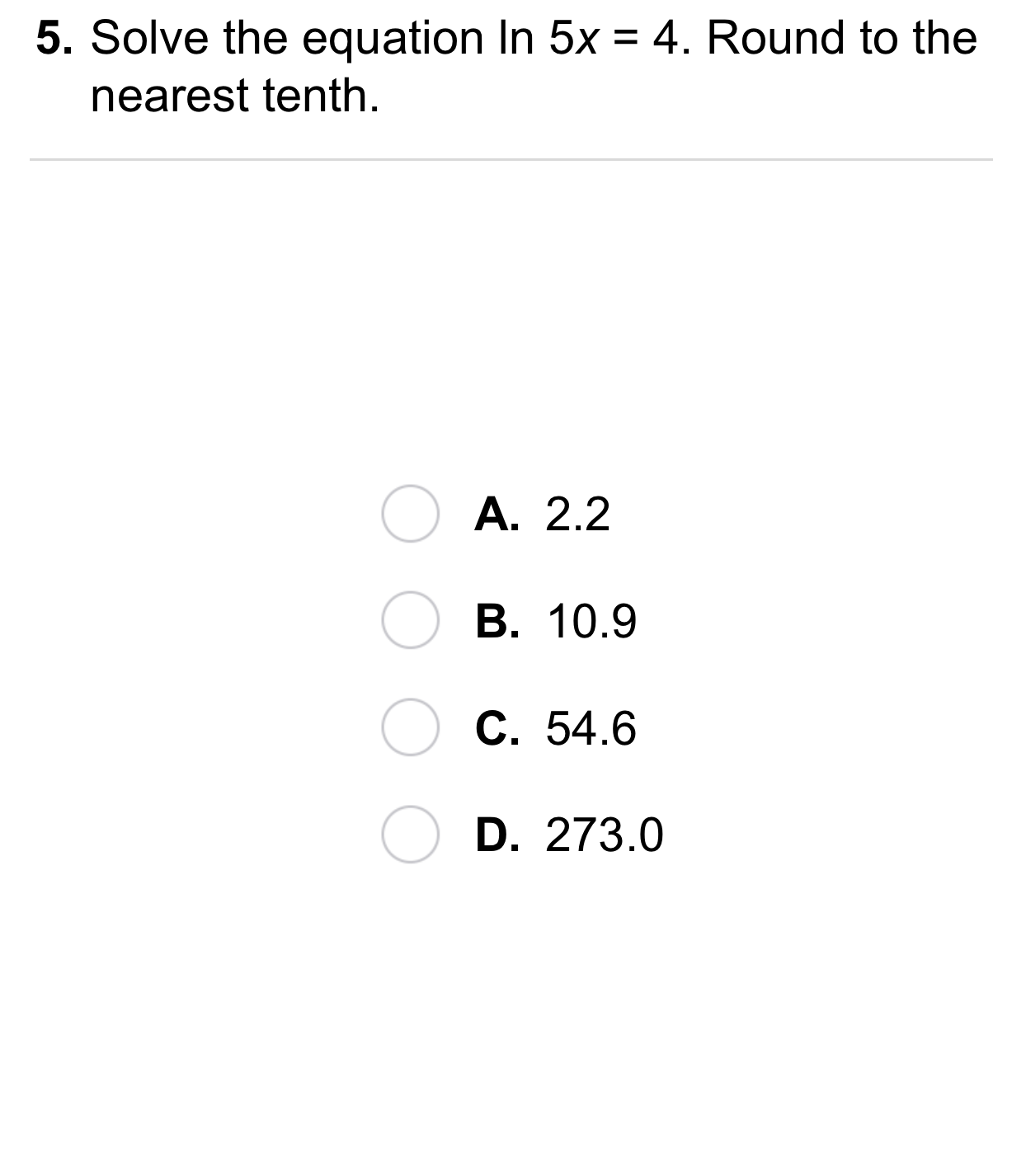
5.

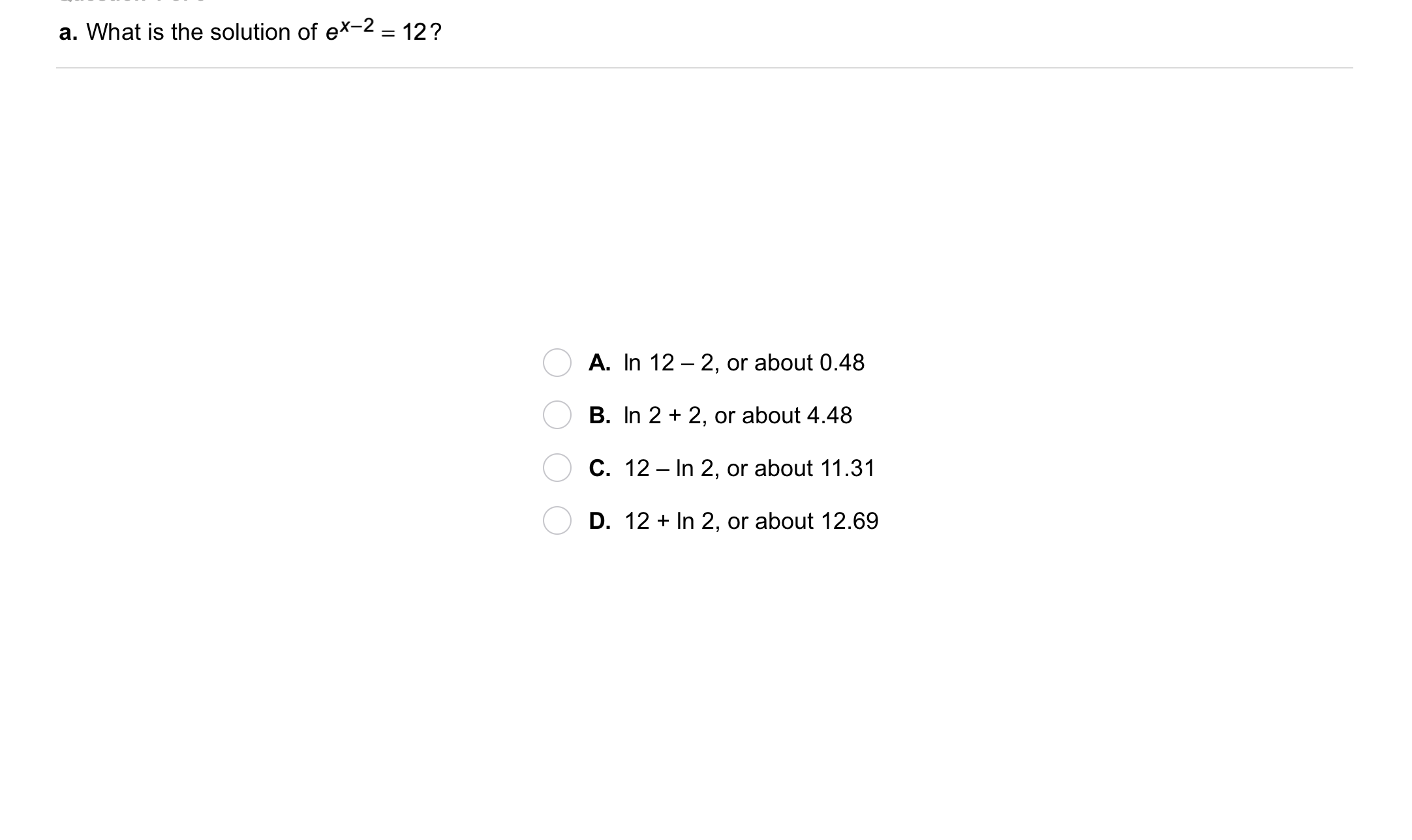
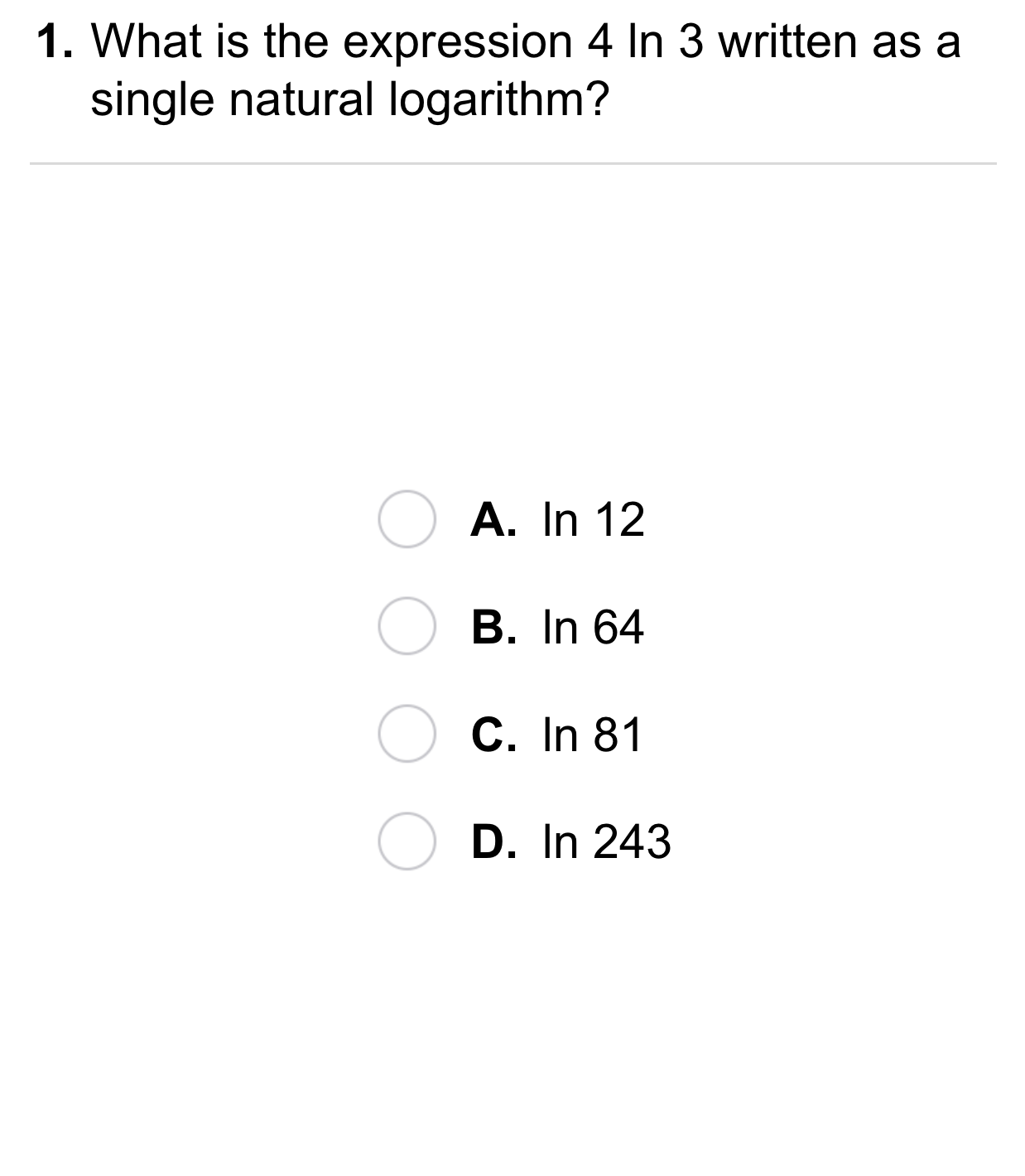
Problem 2 Got It?

10
Question 6
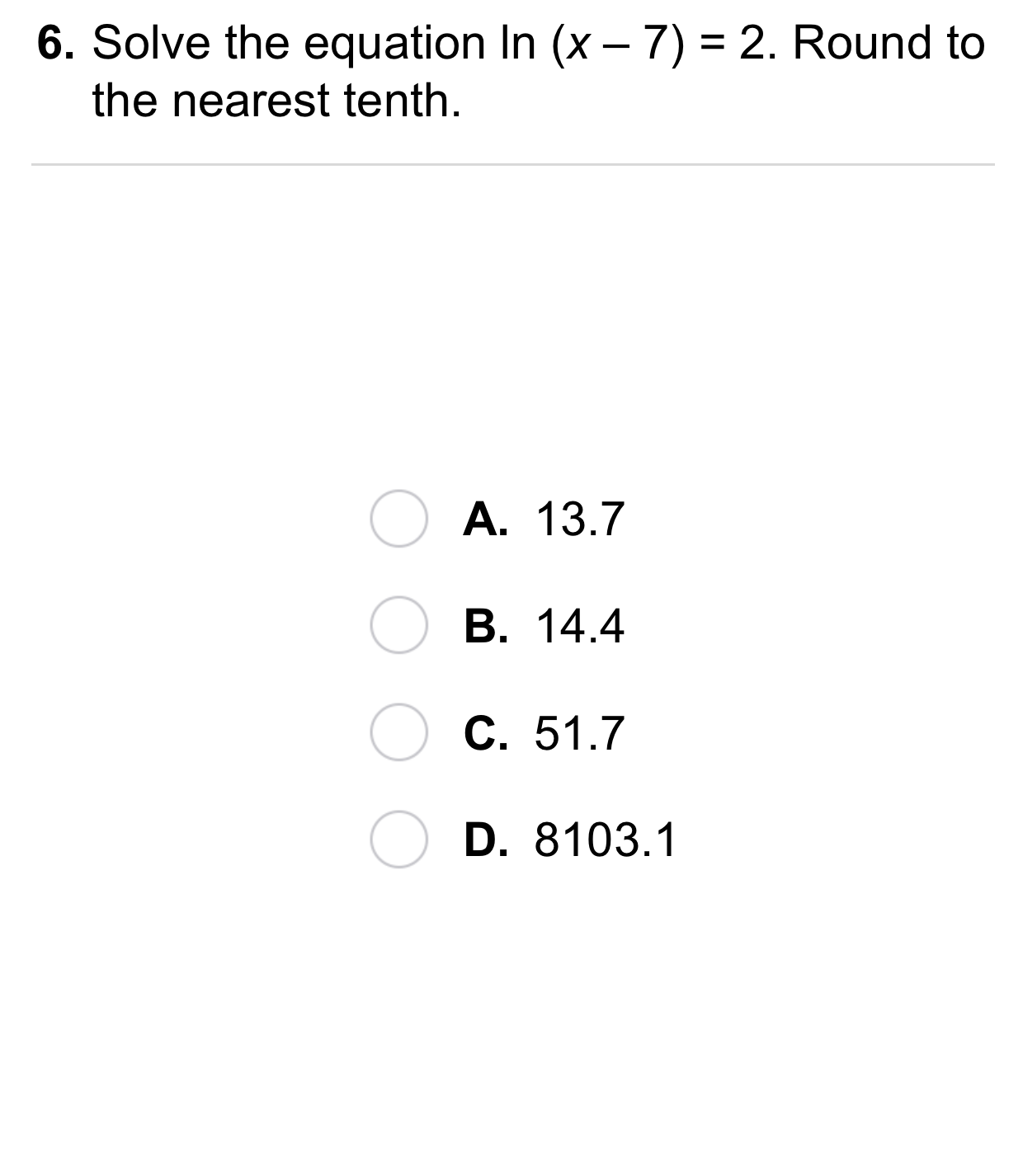
6.

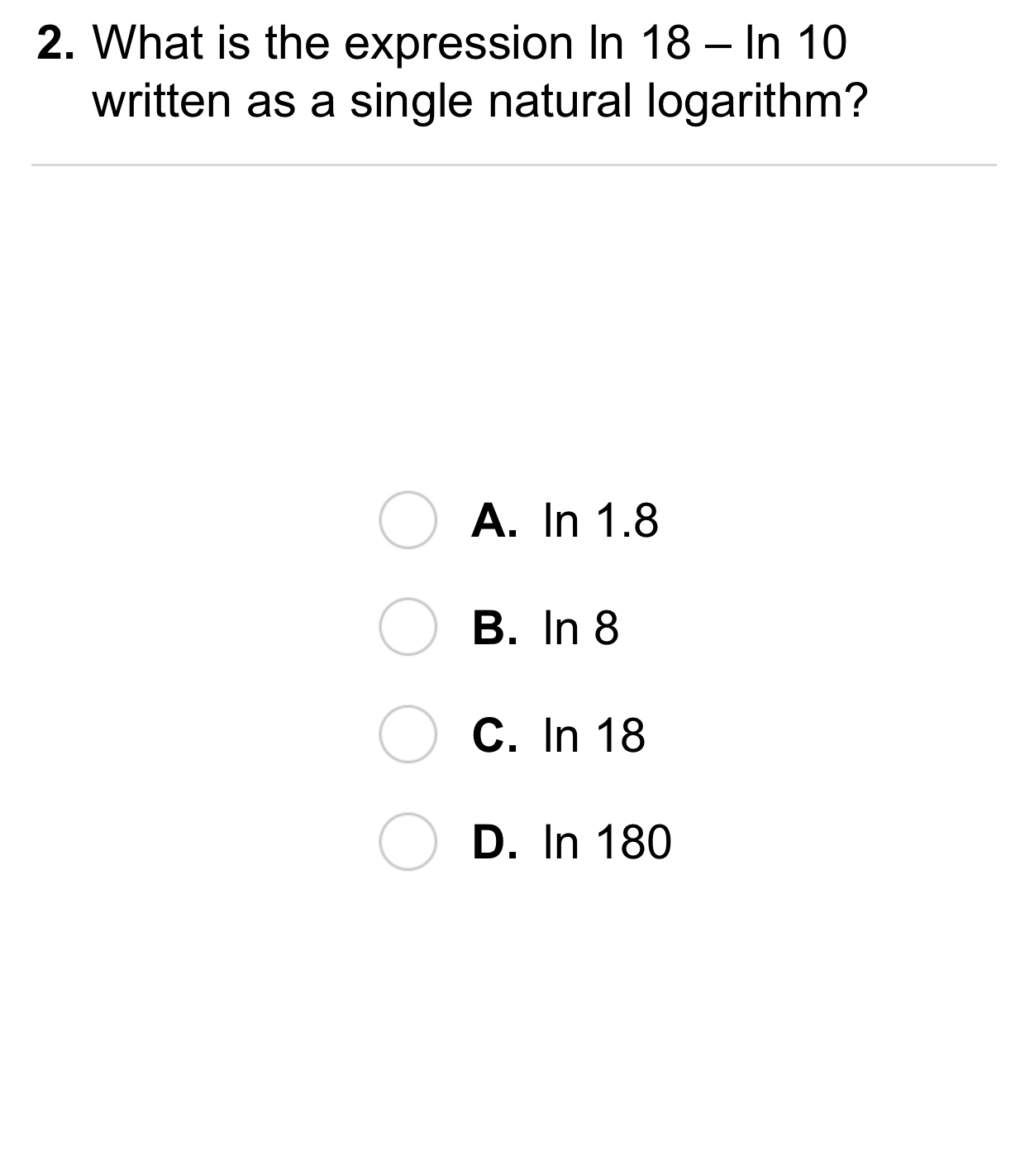
Problem 2 Got It?

10
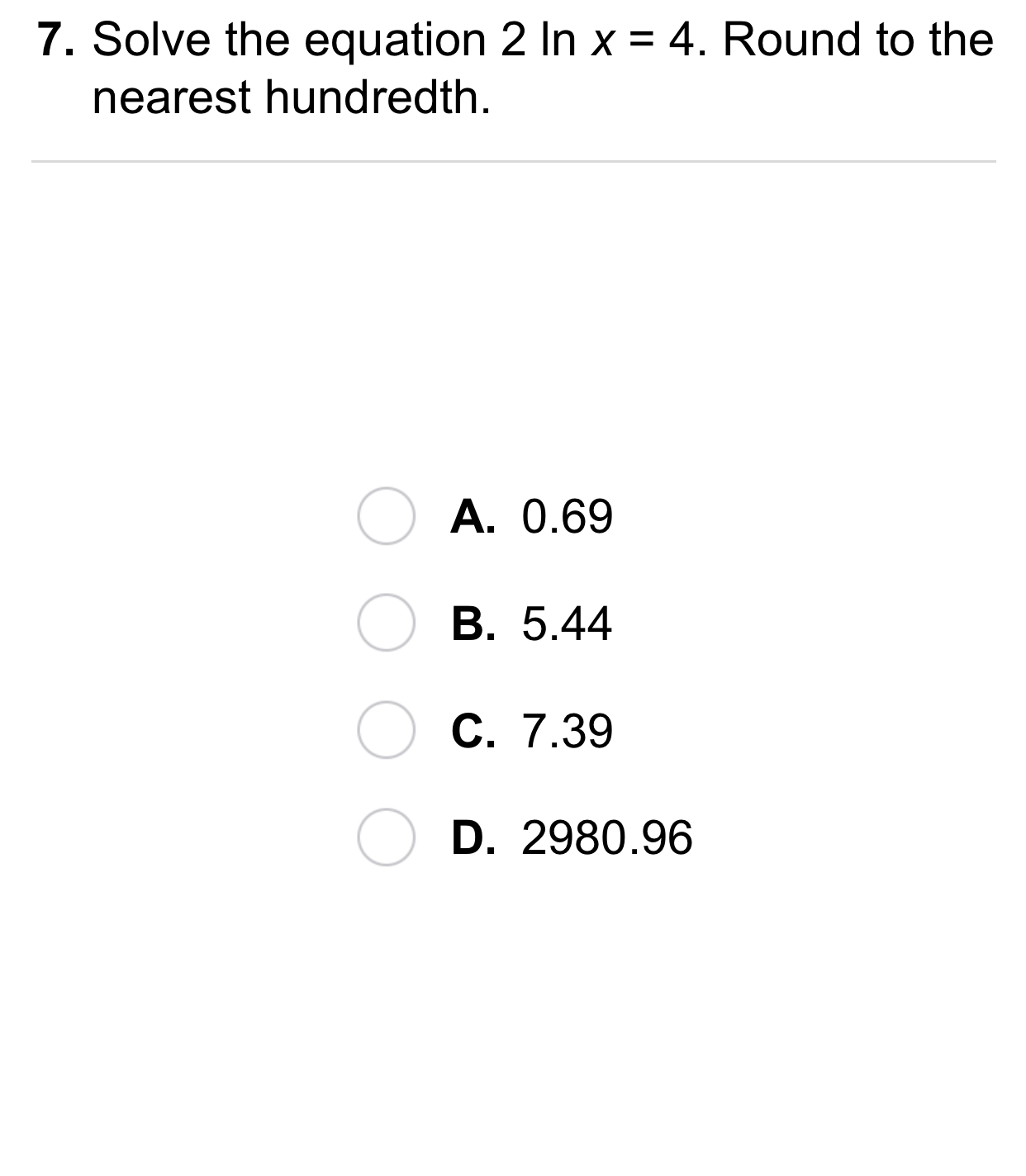
Question 7
7.

Problem 2 Got It?

10
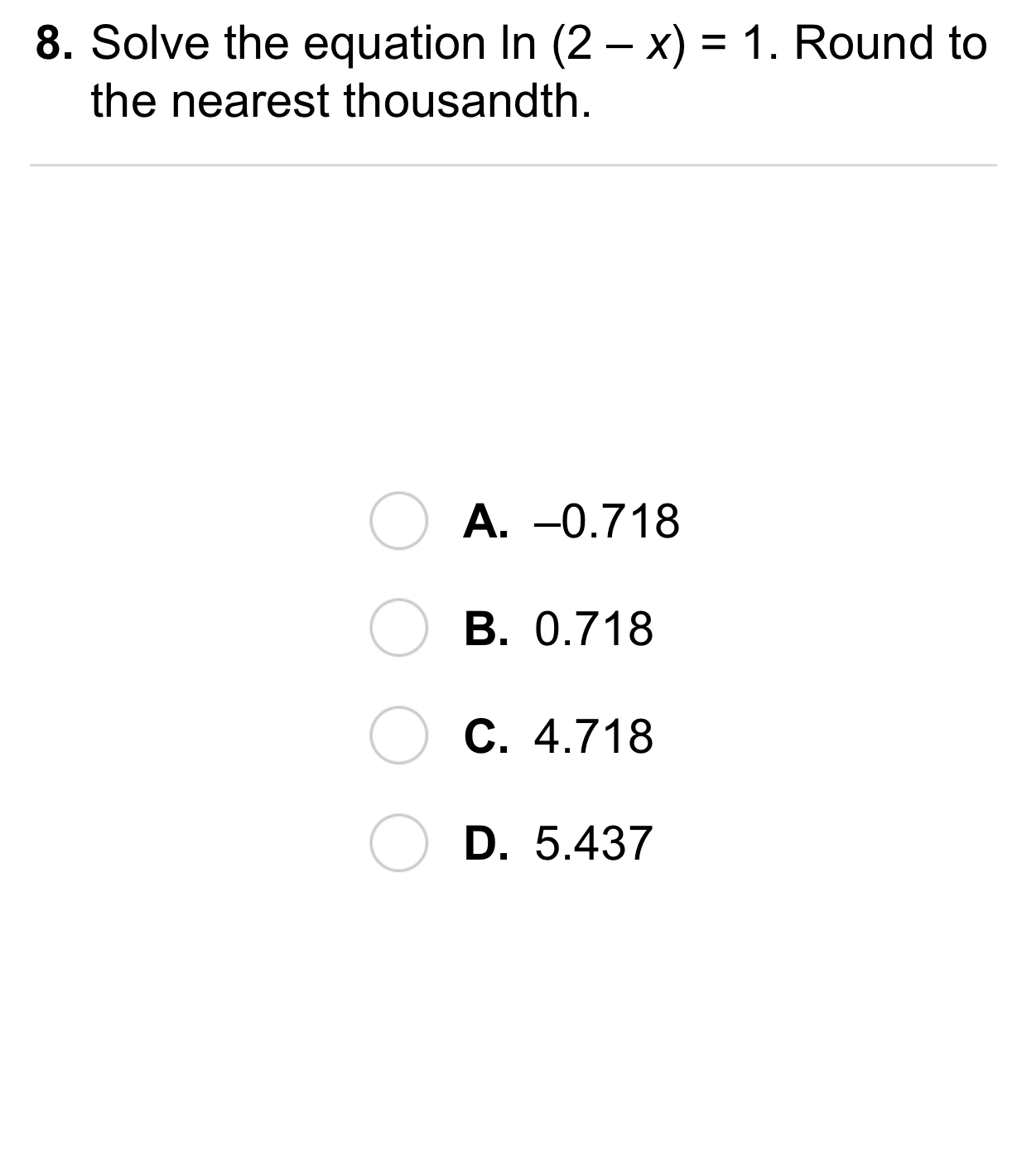
Question 8
8.

Problem 3 Got It?

10
Question 9
9.

Problem 3 Got It?

10
Question 10
10.

Problem 3 Got It?

Question 11
11.

Problem 4 Got It? Space: A spacecraft can attain a stable orbit 300 km above Earth if it reaches a velocity of 7.7 km/s. The formula for a rocket's maximum velocity v in kilometers is shown below.
The booster rocket fires for t seconds and the velocity of the exhaust is c km/s. The ratio of the mass of the rocket filled with fuel to its mass without fuel is R.

  • PART 1: Yes. The maximum firing velocity of 15 km/s is greater than the 7.7 km/s needed for a stable orbit.
  • PART 1: No. The maximum firing velocity of 5.4 km/s is less than the 7.7 km/s needed for a stable orbit.
  • PART 2: Yes. You can increase the mass ratio R, increase the exhaust velocity c, or decrease the firing time t until v > 7.7 km/s.
  • PART 2: No. No matter how the mass ratio R, exhaust velocity c, and firing time t are adjusted, v will remain less than 7.7 km/s.
  • PART 1: A booster rocket for a spacecraft has a mass ratio of about 15, an exhaust velocity of 2.1 km/s, and a firing time of 30 s. Can the spacecraft achieve a stable orbit 300 km above Earth? Explain.
  • PART 2: Reasoning: Suppose a rocket, as designed, cannot provide enough velocity to achieve a stable orbit. Could alterations to the rocket make a stable orbit achievable? Explain.
10
Question 12
12.
10
Question 13
13.
10
Question 14
14.
10
Question 15
15.
10
Question 16
16.
10
Question 17
17.
10
Question 18
18.
10
Question 19
19.
10
Question 20
20.

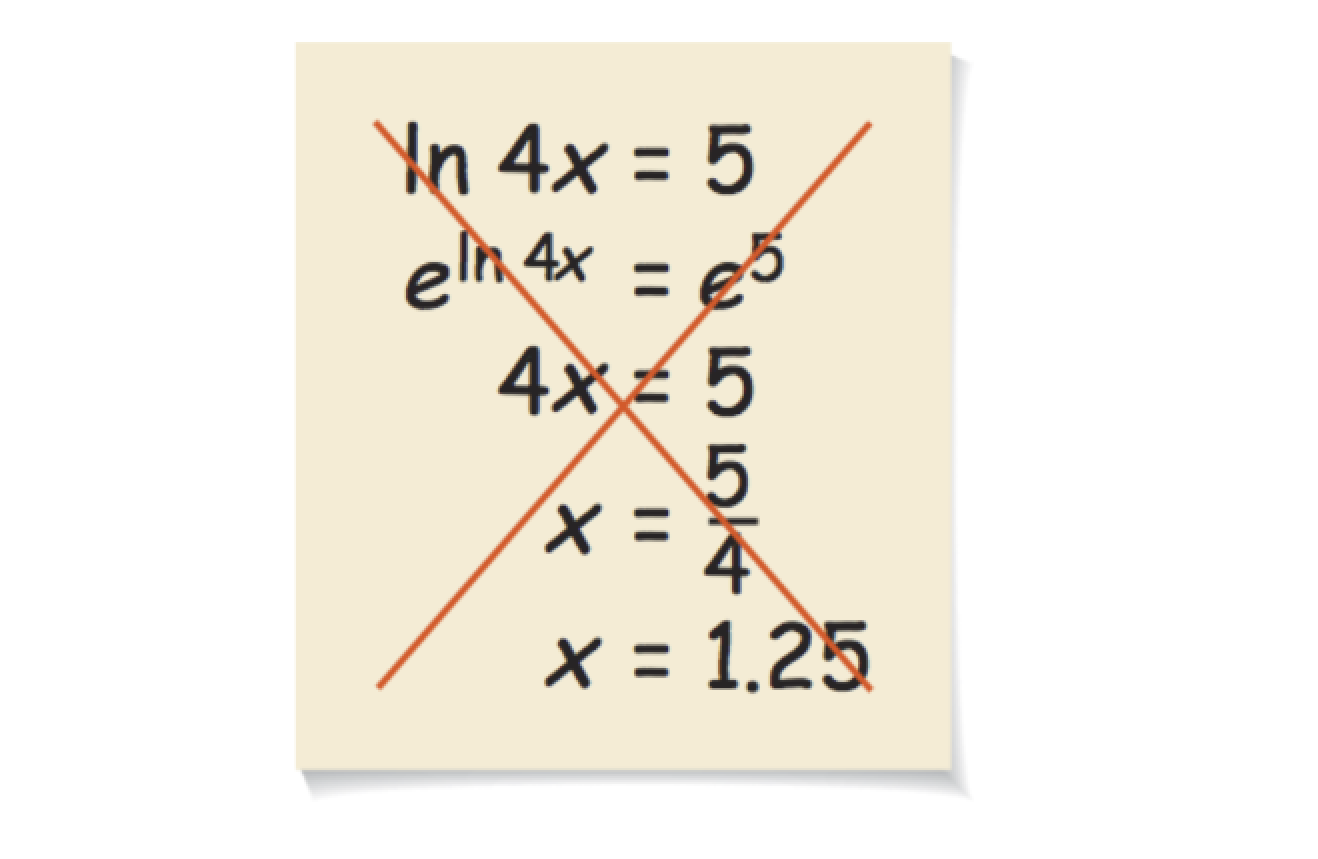
Error Analysis: Describe the error made in solving the equation. Then find the correct solution.

Question 22
22.

Review Lesson 7-5: Solve the equation. Show your work.

Question 23
23.

Review Lesson 7-5: Solve the equation. Show your work.
Enter only a number (the value of x), as an improper fraction.

Question 24
24.

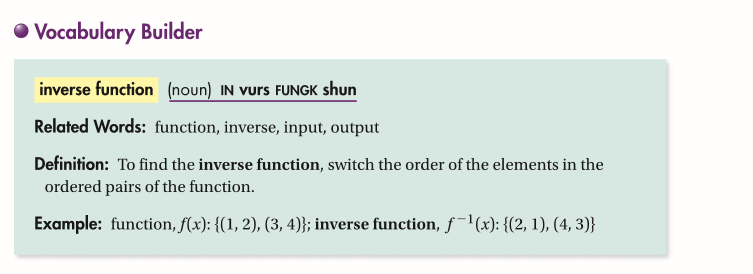
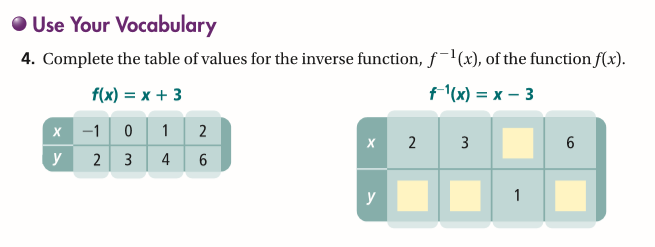
Review Lesson 6-7: Find the inverse of the function. Show your work.

Question 25
25.

Review Lesson 6-7: Find the inverse of the function. Is the inverse a function?

Question 26
26.

Review Lesson 6-7: Find the inverse of the function. Show your work.

Question 27
27.

Review Lesson 6-7: Find the inverse of the function. Is the inverse a function?

Question 28
28.

Review Lesson 2-2: Given that y varies directly with x, find y in each scenario.

  • y = 5/2
  • y = 3
  • y = 15
  • y = 10
  • y = 4/3
  • y = 6/5
  • If x = 2 when y = 4, find y when x = 5.
  • If x = 1 when y = 5, find y when x = 3.
  • If x = 10 when y = 3, find y when x = 4.
Question 29
29.

Vocabulary Review: Categorize each statement as true or false.

  • The function
    and b ≠ 1 is called a logarithmic function.
  • A logarithmic equation is an equation that contains only one logarithm.
  • The logarithm of a power is the difference of the logarithm and the exponent.
  • True
  • False
2
2
2
Question 32
32.

Enter only a number.

2
Question 33
33.

Enter only a number.

5
Question 34
34.

Enter only a number.

5
Question 35
35.

Enter only a number.

Question 36
36.

Notes: Take a clear picture or screenshot of your Cornell notes for this lesson. Upload it to the canvas. Zoom and pan as needed.

For a refresher on the Cornell note-taking system, click here.

Question 37
37.

Reflection: Math Success

Question 30
30.
Question 31
31.