Twa kɔ nsɛm atitiriw so
Log in
Sign up for FREE
arrow_back
Laabri

Q4 ESOL Intermediate Weekly Quiz April 25, 2019

star
star
star
star
star
Last updated over 7 years ago
26 Nsɛmmisa
Hyɛ no nsow a efi ɔkyerɛwfo no hɔ:

A reading comprehension assessment in ESOL HS Intermediate

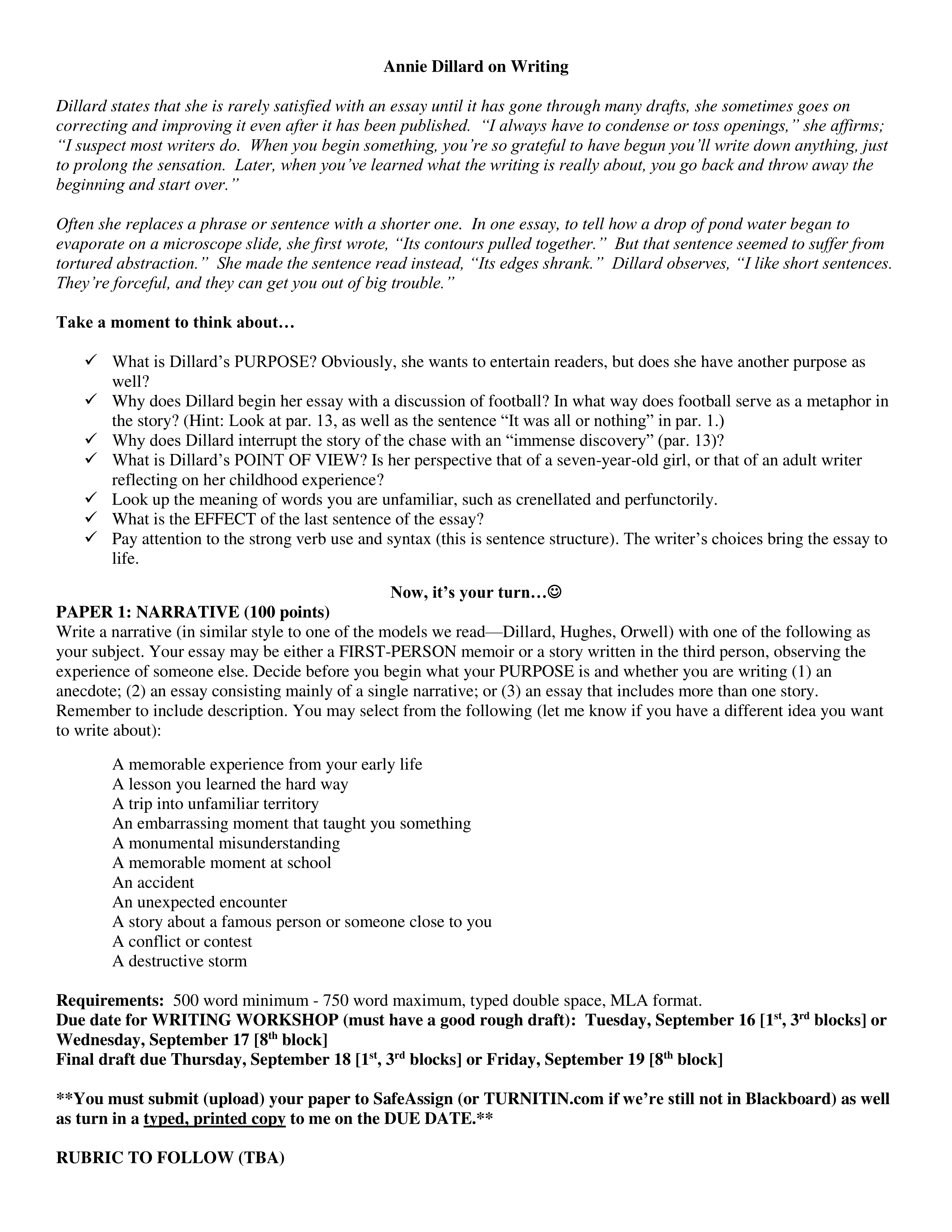
A. DIRECTIONS: Read each question carefully and analyze your answers based on the details discussed in the selected readings (i.e. "Oranges" by Gary Soto and "The Chase" by Annie Dillard). Selected Response Questions 1-10 are based on the essay "The Chase"

2
2
2
2
2
2
2
2
2
2
10

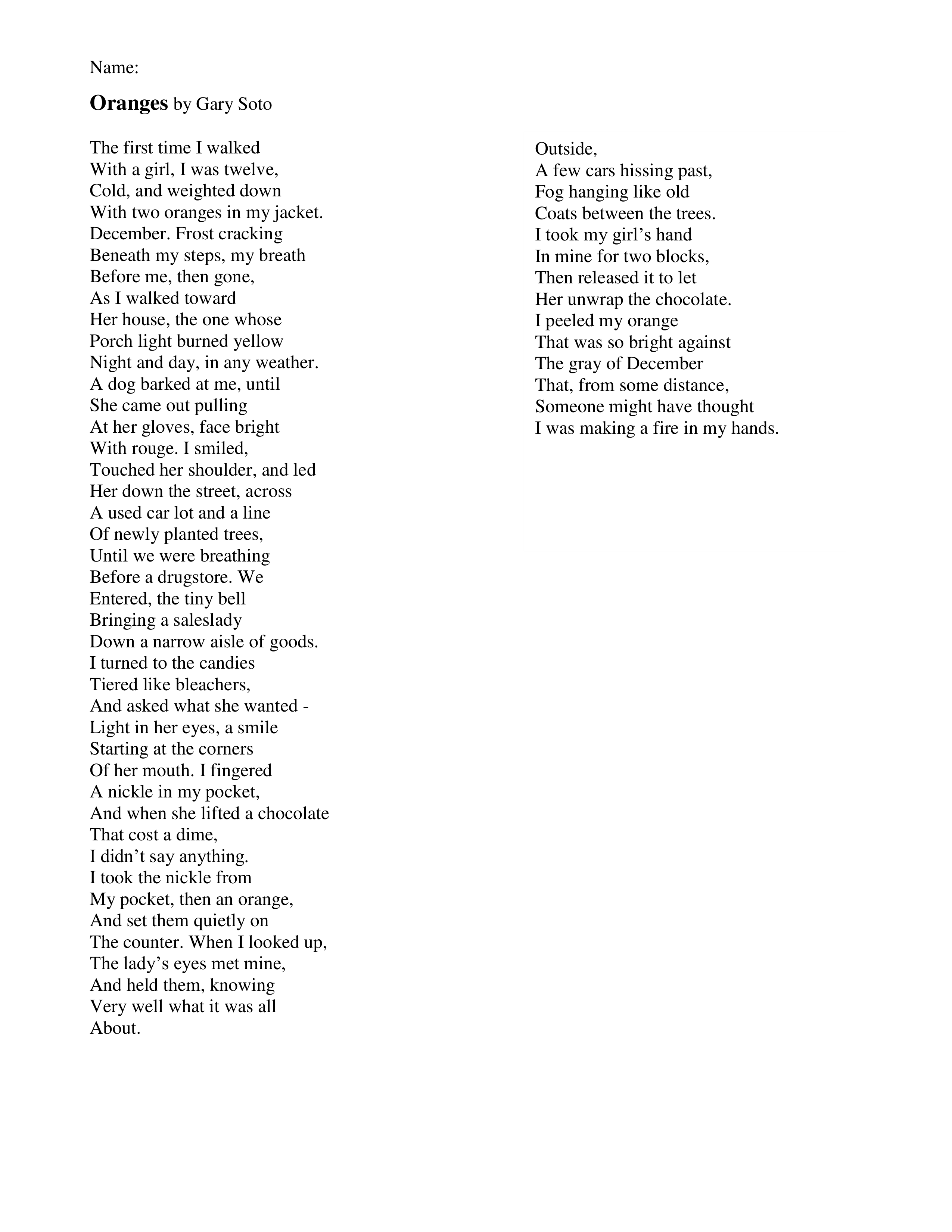
B. DIRECTIONS. Read each question carefully and analyze your answers based on the details discussed in the selected readings (i.e. "Oranges" by Gary Soto and "The Chase" by Annie Dillard). Selected Response Questions 12-26 are based on the poem "Oranges".

2
2
2
2
2
2
2
2
2
2
2
2
2
2
2
Asemmisa {{asɛmmisaAhyɛnsode}}
1.

Which of the following thoroughfares is mentioned in the story?

Asemmisa {{asɛmmisaAhyɛnsode}}
2.

Where does the story take place?

Asemmisa {{asɛmmisaAhyɛnsode}}
3.

From whose perspective is this story told?

Asemmisa {{asɛmmisaAhyɛnsode}}
4.

Which of the following describes the kind of literature "The Chase" is?

Asemmisa {{asɛmmisaAhyɛnsode}}
5.

Which sports did the main character say that she played with her friends?

Asemmisa {{asɛmmisaAhyɛnsode}}
6.

How old was the main character when the events of the story happened?

Asemmisa {{asɛmmisaAhyɛnsode}}
7.

What happened directly or immediately after the children threw snowballs at the Buick?

Asemmisa {{asɛmmisaAhyɛnsode}}
8.

Where did the final part of the story take place?

Asemmisa {{asɛmmisaAhyɛnsode}}
9.

Which of the following characters is still there by the end of the story?

Asemmisa {{asɛmmisaAhyɛnsode}}
10.

What happened last in the plot?

Asemmisa {{asɛmmisaAhyɛnsode}}
11.

Explain the CONTRADICTION in this statement from the essay:

“I got in trouble throwing snowballs, and have seldom been happier since.”
Asemmisa {{asɛmmisaAhyɛnsode}}
12.

The speaker's attitude towards the girl could be described as

Asemmisa {{asɛmmisaAhyɛnsode}}
13.

Readers can determine that this poem is set in another era in time because

Asemmisa {{asɛmmisaAhyɛnsode}}
14.

The imagery of the breath in lines 6-7 and in line 20 emphasizes 

Asemmisa {{asɛmmisaAhyɛnsode}}
15.

The speaker puts the orange on the counter because

Asemmisa {{asɛmmisaAhyɛnsode}}
16.

The imagery of the oranges in lines 50-55 is 

Asemmisa {{asɛmmisaAhyɛnsode}}
17.

"Oranges" is a narrative poem because

Asemmisa {{asɛmmisaAhyɛnsode}}
18.

Who is the speaker in the poem?

Asemmisa {{asɛmmisaAhyɛnsode}}
19.

Which line(s) from the poem demonstrates the girl's happiness?

Asemmisa {{asɛmmisaAhyɛnsode}}
20.

What type of figurative language is used in lines 42-48?

Asemmisa {{asɛmmisaAhyɛnsode}}
21.

What does the speaker do to impress his girlfriend?

Asemmisa {{asɛmmisaAhyɛnsode}}
22.

The form of the poem "Oranges" is

Asemmisa {{asɛmmisaAhyɛnsode}}
23.

"Frost crackling beneath my steps, my breath before me, then gone..." is an example of 

Asemmisa {{asɛmmisaAhyɛnsode}}
24.

"light in her eyes" is an example of

Asemmisa {{asɛmmisaAhyɛnsode}}
25.

"Tiered like bleachers" is an example of 

Asemmisa {{asɛmmisaAhyɛnsode}}
26.

Based on the final stanza, the reader can conclude that