Algebra 2 8-3 Complete Lesson: Rational Functions and Their Graphs
star
star
star
star
star
Last updated almost 4 years ago
35 questions
Note from the author:
A complete formative lesson with embedded slideshow, mini lecture screencasts, checks for understanding, practice items, mixed review, and reflection. I create these assignments to supplement each lesson of Pearson's Common Core Edition Algebra 1, Algebra 2, and Geometry courses. See also mathquest.net and twitter.com/mathquestEDU.

10 points
10
Question 1
1.
Solve It! Last season, you made 40% of your basketball shots. The Game 1 shot chart shows that you did not start the season so well.
Starting with Game 2, how many consecutive shots must you make to raise this season's percentage to 40%?
10 points
10
Question 2
2.
Solve It! Last season, you made 40% of your basketball shots. The Game 1 shot chart shows that you did not start the season so well.
If you never miss another shot this season, is it possible to raise your percentage to 99%? 100%? Explain your reasoning.
20 points
20
Question 3
3.
Problem 1 Got It? Consider the rational functions on the right.
Use the items on the left to identify each function's:
â—† Domain
â—† Points of discontinuity (and the type of discontinuity each represents: removable or non-removable)
â—† x- and y- intercepts
domain: all real numbers
domain: all real numbers except x = ±4
domain: all real numbers except x = -2, -1
no points of discontinuity
non-removable discontinuity at x = ±4
removable discontinuity at x = -2
non-removable discontinuity at x = -2
removable discontinuity at x = -1
no x-intercept
x-intercept: (1, 0)
x-intercept: (-1, 0)
y-intercept: (0, -1/16)
y-intercept: (0, 1/2)
y-intercept: (0, -1/3)
10 points
10
Question 4
4.
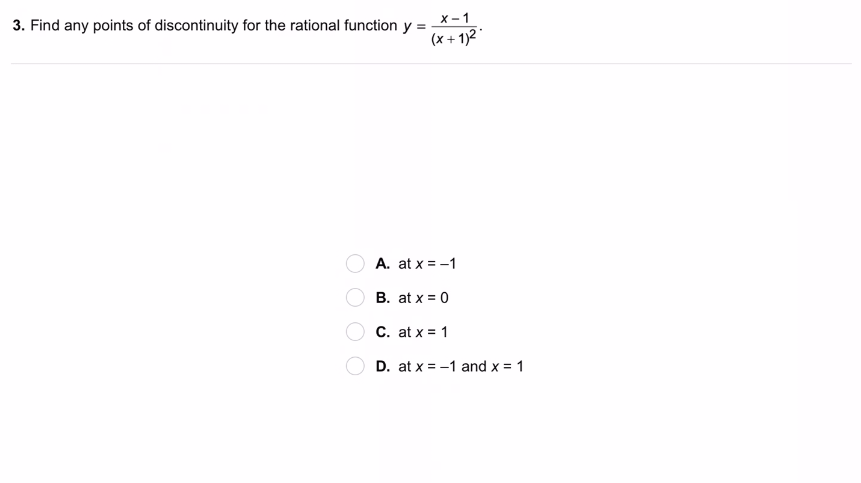
Problem 2 Got It?
10 points
10
Question 5
5.
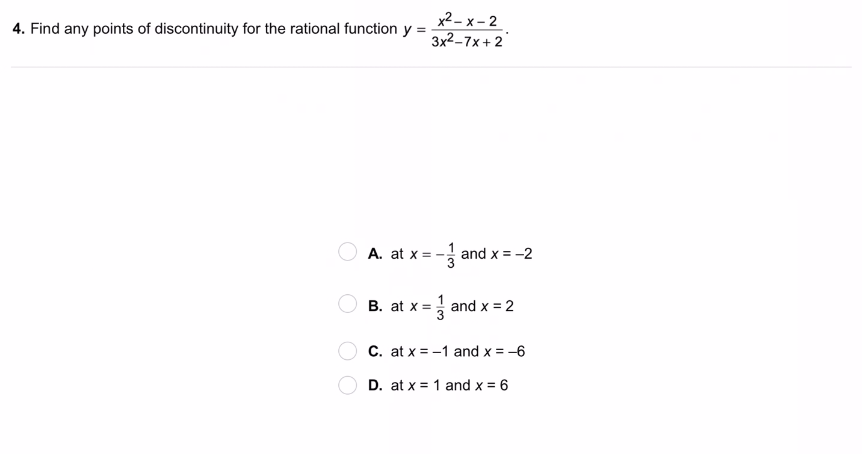
Problem 2 Got It?
10 points
10
Question 6
6.
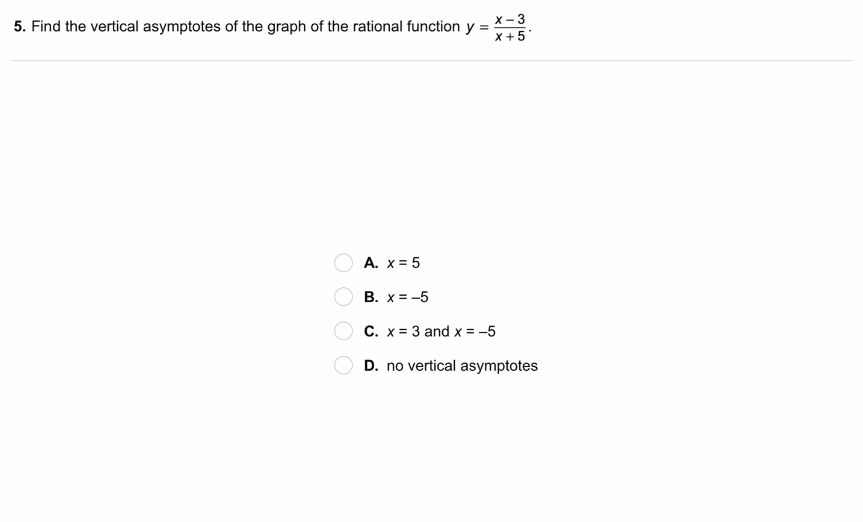
Problem 2 Got It?
10 points
10
Question 7
7.
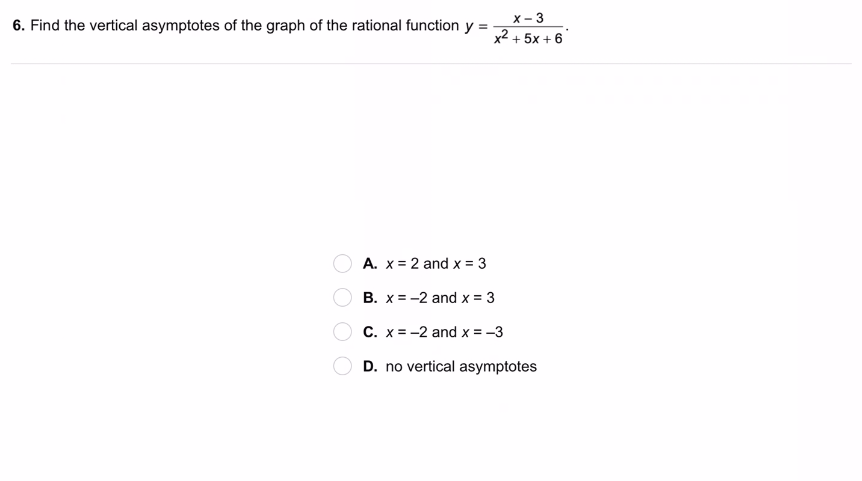
Problem 3 Got It?
10 points
10
Question 8
8.
Problem 3 Got It?
10 points
10
Question 9
9.
Problem 3 Got It?
20 points
20
Question 10
10.
Problem 4 Got It? What is the graph of the rational function?
Use the techniques you've learned to graph the function by hand. Use colors that stand out and show your work on the canvas. Include all relevant graph detail.
10 points
10
Question 11
11.
Problem 4 Got It? What is the graph of the rational function?
Use the provided graphing utility to graph the function from the previous item. Zoom and pan your graph to establish an appropriate viewing window.
Please do not edit the original graph you created on the previous item's canvas, but you may use a new color to add a second handmade graph (for full credit) on the same canvas if you feel that a more accurate graph is necessary.
We have released a new and improved Graphing question type! Students will no longer be able to answer this question.
10 points
10
Question 12
12.
Problem 5 Got It? You want to mix a 10% orange juice drink with 100% pure orange juice to make a 40% orange juice drink. The function below gives the concentration y of orange juice in the drink after you add x gallons of the 10% drink to 2 gallons of pure juice.
How much of the 10% drink must you add to get a drink that is 40% juice?
You may use Desmos or the embedded Desmos graphing utility above.
5 points
5
Question 13
13.
Problem 5 Got It?Reasoning: If you wanted a drink that is 80% orange juice, would you need to add half as much as your answer in the previous item?
10 points
10
Question 14
14.
10 points
10
Question 15
15.
10 points
10
Question 16
16.
10 points
10
Question 17
17.
10 points
10
Question 18
18.
10 points
10
Question 19
19.
10 points
10
Question 20
20.
10 points
10
Question 21
21.
20 points
20
Question 22
22.
Graphing:
1. Without the aid of a graphing utility, sketch a graph the equation on the canvas below using the blue ink tool.
2. Graph the equation on the embedded Desmos graphing calculator above.
3. Sketch a copy of the Desmos graph on the canvas below using the red ink tool.
4. Consider any discrepancies between the graphs.
Be sure to include relevant graph detail: label axes, indicate units on both axes, and use arrows to represent end behavior, as appropriate.
20 points
20
Question 23
23.
Graphing:
1. Without the aid of a graphing utility, sketch a graph the equation on the canvas below using the blue ink tool.
2. Graph the equation on the embedded Desmos graphing calculator above.
3. Sketch a copy of the Desmos graph on the canvas below using the red ink tool.
4. Consider any discrepancies between the graphs.
Be sure to include relevant graph detail: label axes, indicate units on both axes, and use arrows to represent end behavior, as appropriate.
10 points
10
10 points
10
Question 25
25.
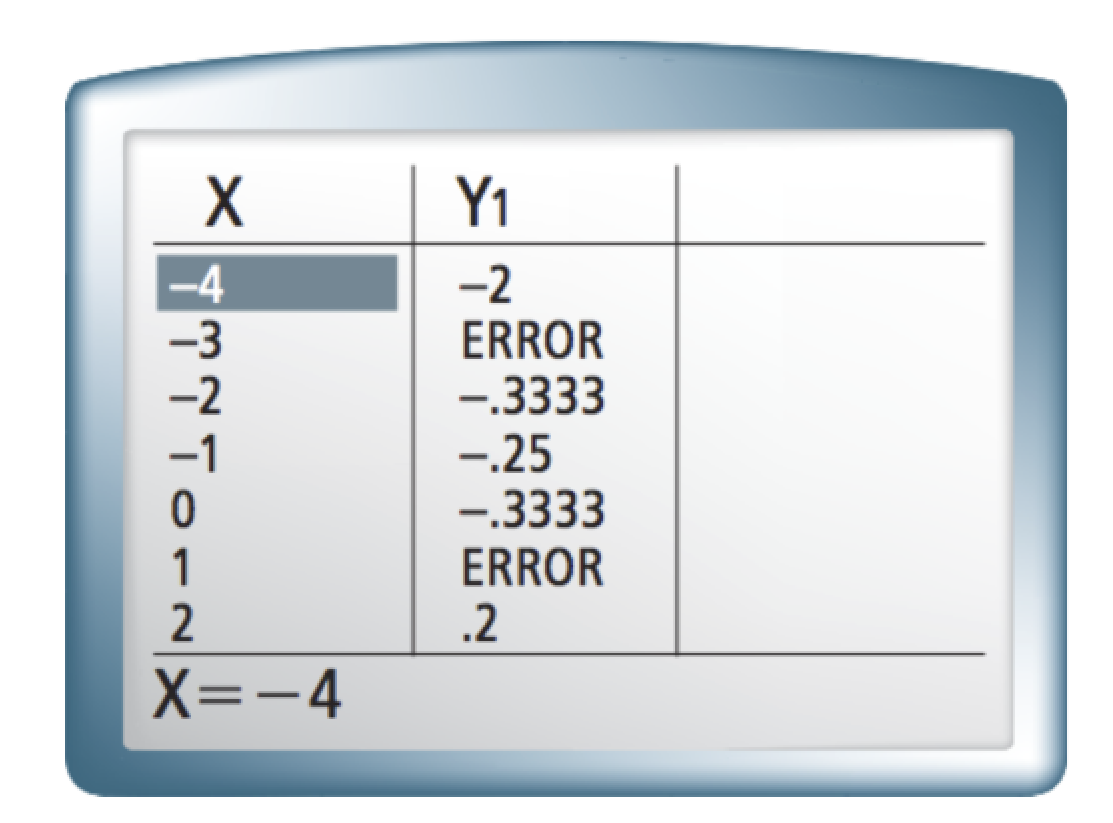
Reasoning: Assume that there are no more ERROR values in the 1 column. What is the lowest possible degree of the denominator?
10 points
10
10 points
10
Question 27
27.
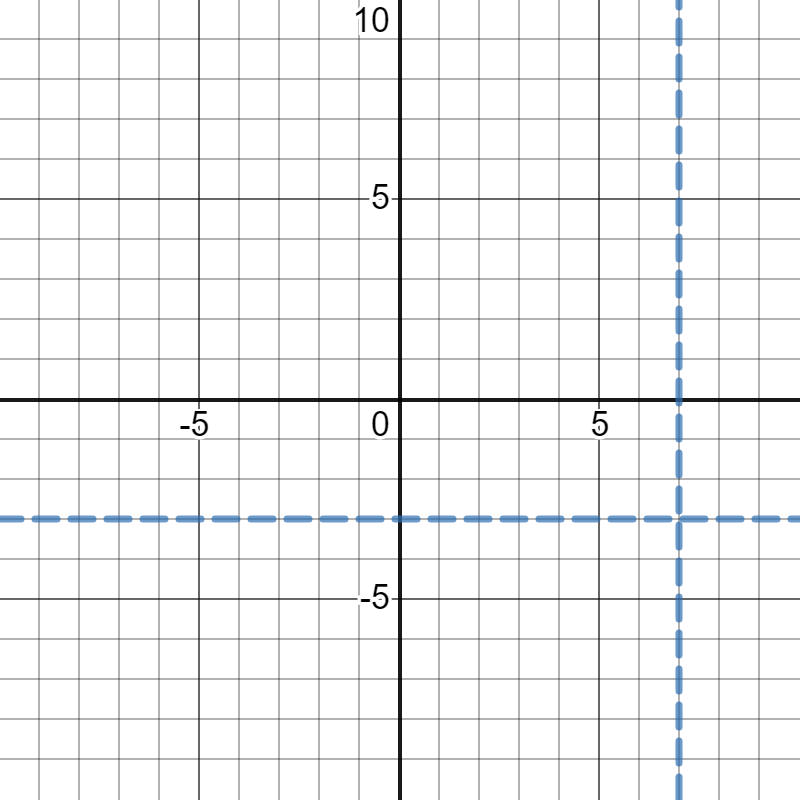
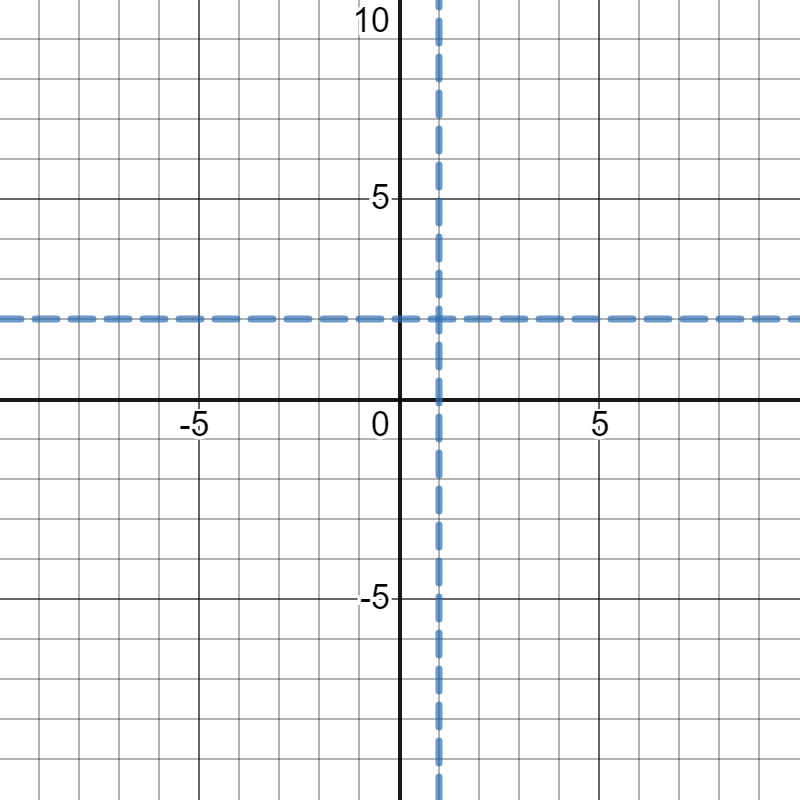
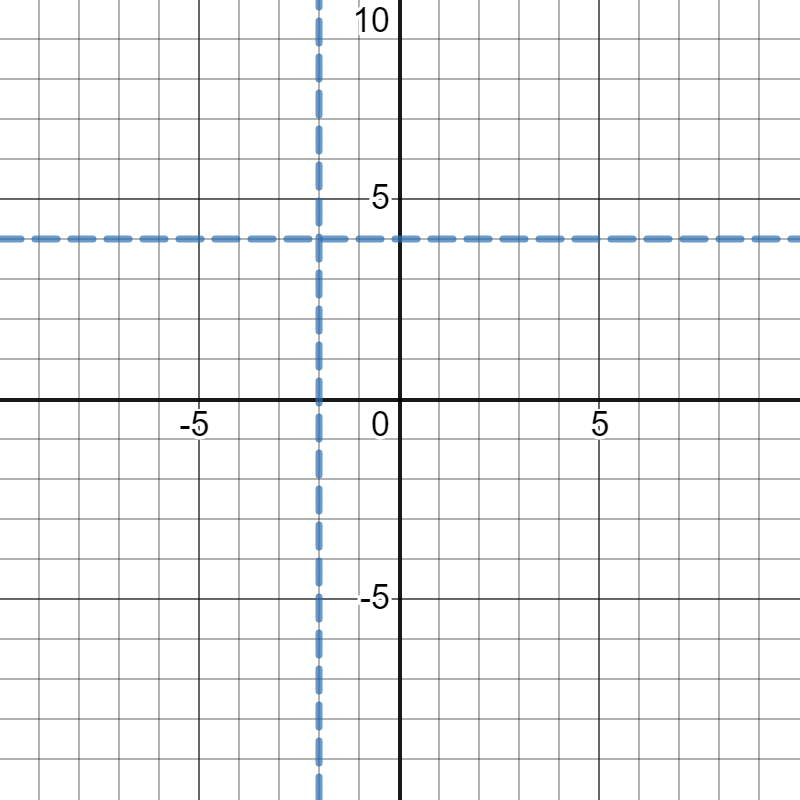
Review Lesson 8-2: Match a graph of asymptotes from the left with each equation on the right.
10 points
10
Question 28
28.
Review Lesson 6-7: Find the inverse of the function.
10 points
10
Question 29
29.
Review Lesson 1-5: Solve the inequality. Graph the solution.
Select BOTH the correct solution AND correct graph from the options below.
10 points
10
Question 30
30.
Review Lesson 4-4: Factor the expression completely.
10 points
10
Question 31
31.
Review Lesson 4-4: Factor the expression completely.
10 points
10
Question 32
32.
Vocagulary Review: Categorize each statement as true or false.
A polynomial can be named by its degree.
A polynomial with one term is called a binomial.
True
False
10 points
10
Question 33
33.
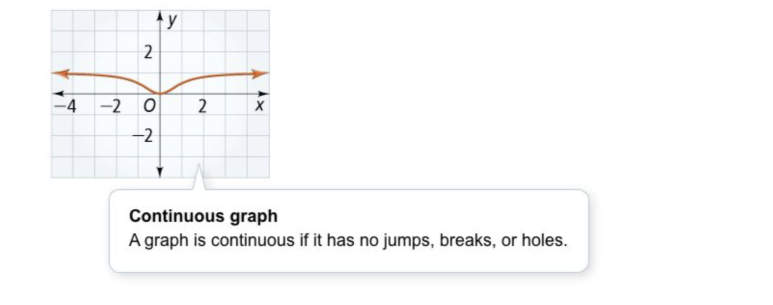
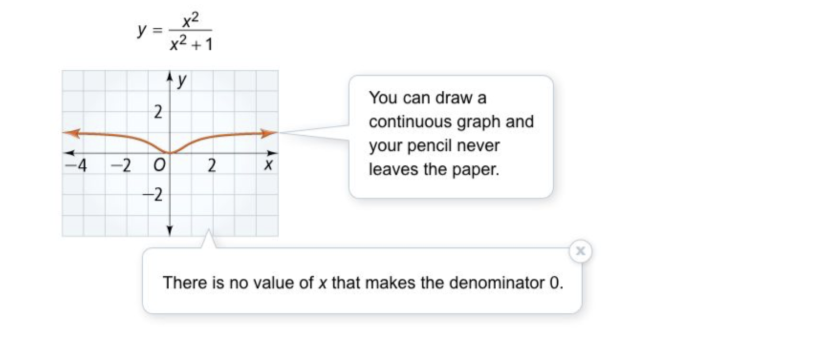
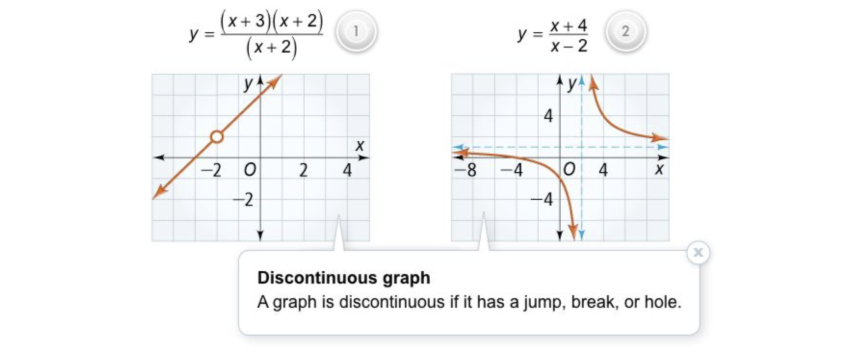
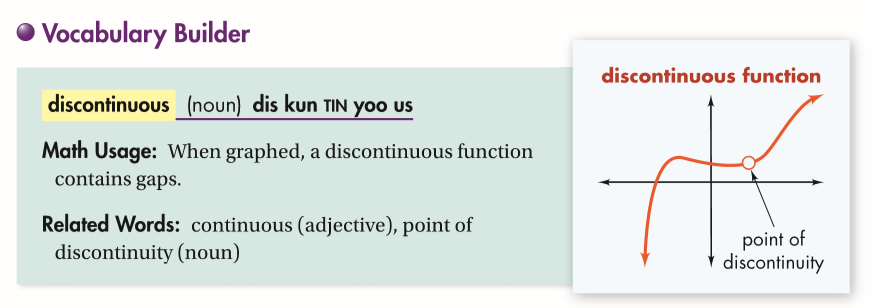
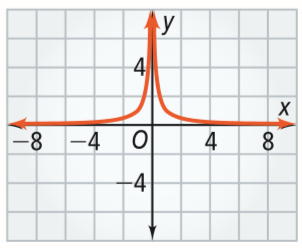
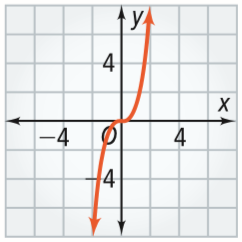
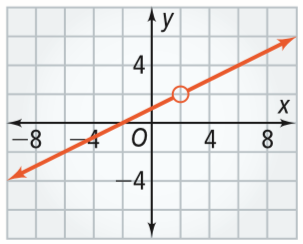
Use Your Vocabulary: Categorize each graph as continuous or discontinuous.
Continuous
Discontinuous
100 points
100
Question 34
34.
Notes: Take a clear picture or screenshot of your Cornell notes for this lesson. Upload it to the canvas. Zoom and pan as needed.
For a refresher on the Cornell note-taking system, click here.