Log in
Sign up for FREE
arrow_back
Library
Earth Systems Quiz #1
By Dan LeGage
star
star
star
star
star
Share
share
Last updated about 7 years ago
26 questions
Add this activity
Note from the author:
1
1
1
1
1
1
1
1
1
1
1
1
1
1
1
1
1
1
1
1
1
1
1
1
1
0
Quiz
Question 1
1.
Question 2
2.
Question 3
3.
Question 4
4.
Question 5
5.
Question 6
6.
Question 7
7.
Question 8
8.
Question 9
9.
Question 10
10.
Question 11
11.
Question 12
12.
Question 13
13.
Question 14
14.
Question 15
15.
Question 16
16.
Question 17
17.
Question 18
18.
Question 19
19.
Question 20
20.
Question 21
21.
Question 22
22.
Question 23
23.
Question 24
24.
Question 25
25.
Question 26
26.
The
breaking down
or
wearing away
of earth materials is?
Earthquakes
Weathering
Erosion
Melting
The
breaking down
or
wearing away
of earth materials is?
Earthquakes
Weathering
Erosion
Melting
The
movement
of sediment is called...?
Erosion
Deposition
Carpooling
Weathering
The process of sediment being
dropped off
in a new location
deposition
erosion
weathering
cementation
Can be mechanical or chemical
weathering
erosion
deposition
bill nye
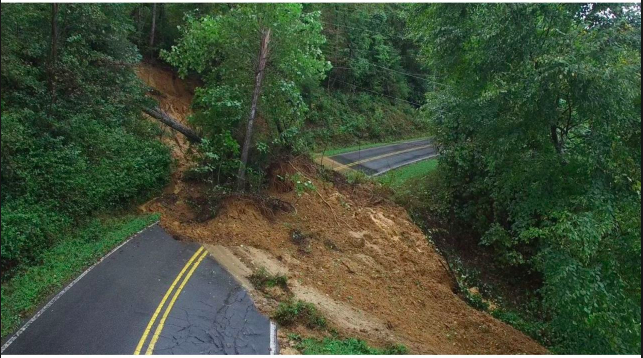
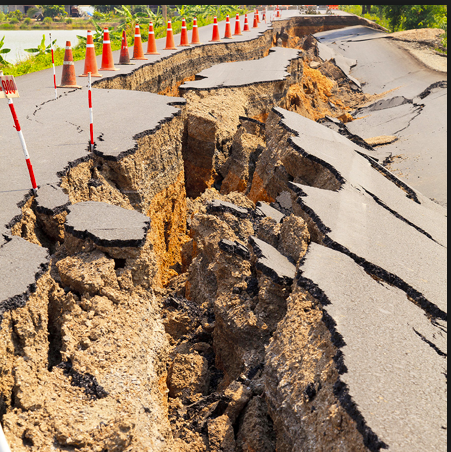
The Image shown is a result of:
Hurricane
Mudslide
Tornado
Earthquake
hurricane
mudslide
tornado
earthquake
All the water at and near the surface of the earth, 97% of which is in oceans
biosphere
cryosphere
hydrosphere
atmosphere
The continuous process by which water moves from Earth's surface to the atmosphere and back.
carbon cycle
erosion
water scycle
rock cycle
The process by which water changes from liquid form to an atmospheric gas (water vapor)
Traspiration
Evaporation
Evacuation
Photosynthesis
The process by which moisture is carried through plants and is released to the atmosphere
Photosynthesis
Transpiration
Evaporation
Condensation
Physical change in matter from a gas to a liquid .
Evaporation
Respiration
Condensation
Freezing
Chemical weathering is typically caused by all of the following EXCEPT:
water
oxygen
acid rain
freezing/thawing
Are erosion and weathering dependent upon one another ?
No- they are separate events that occur independently.
Yes-they both need to occur for the cycle to continue.
Heat and pressure deep beneath the Earth's surface can change rock to this type of rock.
when water is stored underground
When water creates lakes
when precipitation flows into rivers and lakes
What is the process called that allows water to seep back into the Earth?
Discharge
Infiltration
Runoff
Condensation
Whats the
difference
between weathering and erosion?
They are the same thing
One is constructive
Weathering is breaking down, erosion is moving
Erosion is breaking down, weathering is moving
Which of the following is NOT one of the three types of rock?
Igneous
Metamorphic
Magma
Sedimentary
The rock cycle includes all of the steps EXCEPT which of the following?
magma or lava cools
Sediments melt deep beneath Earth’s surface.
Extreme heat and pressure form metamorphic rocks.
Rocks @ Earth's surface are broken down into smaller pieces.
What is correct order of the processes responsible for the formation of sedimentary rocks?
erosion, weathering, compaction, cementation, deposition.
compaction, cementation, deposition, weathering, erosion
deposition, cementation, compaction, erosion, weathering
weathering, erosion, deposition, compaction, cementation.
Which of the following weathering processes involves the constant freezing & thawing of water?
Unloading
exfoliation
Frost Wedging
spheroidal weathering
The water cycle is :
distribution of drinking water on Earth.
unending circulation of Earth’s water supply.
the recycling of water after industrial use.
the evaporation of water from Earth’s surface.
Balance in the water cycle means that
average annual rain over Earth ='s amount of H20 evaporates
water that falls to Earth only enters oceans.
faliing rain ='s same weight as condesnse clouds.
water evaporates from earth surface and then stays forever in atmosphere
Groundwater is found underground in the zone of:
aeration
porostiy
sediment
saturation
During a change in state, energy is transferred in the form of
motion
heat
moisture
light
Which of the following processes describes how vegetation influences precipitation?
Photosythesis
transpiration
evaporation
condensation