The directions on the prescription were so explicit that no one could make a mistake.
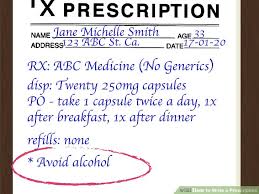
The directions on the prescription were so explicit that no one could make a mistake.
After the accident, my sister was apprehensive about driving in the city again.
The directions on the prescription were so explicit that no one could make a mistake.
The stranger’s uncouth manners turned off the villagers and left him friendless.
It is so naïve to think that very advertisement is truthful.
With a furtive movement of his eyes, the visitor saw the company of friends on the lawn.
Honest persons are averse to cheating, lying and gossiping.
From the ominous flashes in the sky, we knew that a storm was approaching.
The priest visited the sick parishioner and offered a fervent prayer for his recovery.
A candid parent will never be reluctant to tell his children about their mistakes.
Since the weather was fine, it was an opportune time for me to go to cycling in the countryside.
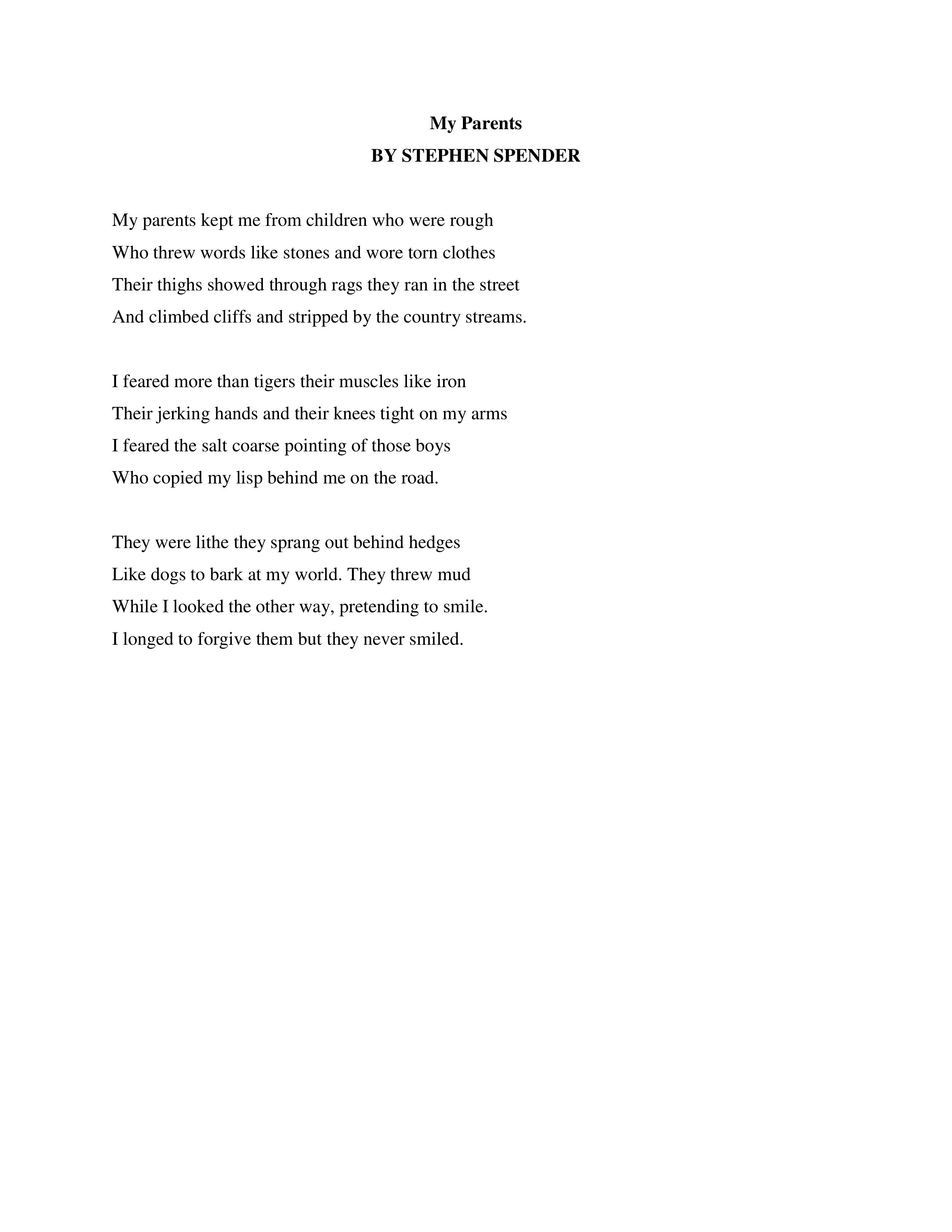
The poet was also bullied when at school.
The poet's parents warned him not to mix with these "rough boys" but he envied certain aspects of their lives although he was also afraid of their rough, bullying ways.
The poet/the boy in the poem came from the middle class. Choose the option which did not apply to this social class.
(Choose the option which does not fit.) The "rough boys" in the poem...
Why did the "rough" boys hate Stephen?