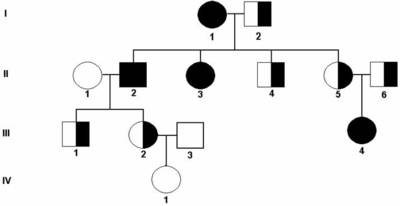
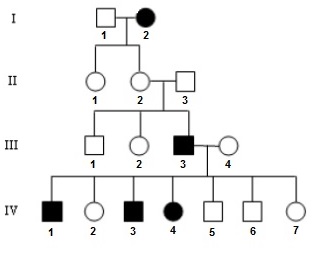
Which of these is produced after an egg is fertilized by a sperm cell?
1 point
1
Question 4
4.
This type of cell has one set of chromosomes and a ploidy of 1n:
1 point
1
Question 5
5.
This type of cell has two sets of chromosomes and a ploidy of 2n:
1 point
1
Question 6
6.
This process happens ONLY in sex cells and is responsible for genetic variation:
2 points
2
Question 7
7.
How many chromosomes does a human zygote contain?
2 points
2
Question 8
8.
If a fruit fly zygote has 8 chromosomes, how many chromosomes are in a haploid fruit fly cell?
2 points
2
Question 9
9.
If a haploid chupacabra cell has 50 chromosomes, how many chromosomes will a diploid chupacabra cell have?
The next set of questions is about Mendelian traits.
2 points
2
Question 10
10.
A homozygous white wolf is crossed with a heterozygous black wolf. Which allele is dominant for fur color?
In certain breeds of dogs, the gene for fur color has two alleles. The dominant allele (G) codes for grey fur and the recessive allele (g) codes for brown fur. A heterozygous grey male is crossed with a brown female. Respond to the following questions about that cross.
0 points
0
Question 11
11.
Complete the Punnett square showing the cross between the dogs.
2 points
2
Question 12
12.
Show the genotypic ratios by dragging the correct number to each possible genotype.
4
3
2
1
0
GG
Gg
gg
2 points
2
Question 13
13.
Show the phenotypic ratios by dragging the correct number to each possible phenotype.
4
3
2
1
0
gray
brown
Blue eyes are dominant to red eyes in rabbits. A heterozygous blue-eyed male rabit is crossed with a red-eyed female rabbit. Respond to the following questions about that cross.
0 points
0
Question 14
14.
Complete the Punnett square showing the cross between the rabbits.
2 points
2
Question 15
15.
Show the phenotypic ratios by dragging the correct number to each possible phenotype.
4
3
2
1
0
blue eyes
red eyes
2 points
2
Question 16
16.
Show the genotypic ratios by dragging the correct number to each possible genotype.
4
3
2
1
0
BB
Bb
bb
The next set of questions is about Non-Mendelian traits.
2 points
2
Question 17
17.
In a certain breed of rabbits, crossing a black rabbit with a white rabbit will produce gray offspring. This is an example of:
2 points
2
Question 18
18.
In a certain species of plants, crossing a plant with red flowers and a plant with white flowers will produce a offspring with white patches and red patches on their flowers. This is an example of:
2 points
2
Question 19
19.
A colorblind male and a female who is a carrier for colorblindness have a child. The child has a 50% chance of being colorblind. The allele for colorblindness is recessive. This is an example of:
0 points
0
Question 20
20.
Snapdragon plants are incompletely dominant for color. They have the phenotypes red, white, and pink. The red and white flowers are homozygous, while the pink flowers are heterozygous. Complete a Punnett square showing a cross between a plant with red flowers and a plant with white flowers..
3 points
3
Question 21
21.
Use the Punnett square from #5 to place the predicted percentages for each offspring phenotype.
100%
75%
50%
25%
0%
Red
White
Pink
Red & White patches
0 points
0
Question 22
22.
In some chickens, the gene for feather color is controlled by codominance. There are two alleles: black (B) and white (W). For an individual to be black or white , they must be homozygous (BB or WW) for that allele. An individual that inherits one of each allele will be speckled. Complete a Punnett square showing a cross between a black chicken and a speckled chicken.
3 points
3
Question 23
23.
Use the Punnett square from #7 to place the predicted percentages for each offspring phenotype.
100%
75%
50%
25%
0%
Black
White
Gray
Black & White speckles
0 points
0
Question 24
24.
Human blood typing is an example of a trait with multiple alleles. It is also an example of codominance. There are two dominant alleles (A & B) and one recessive allele (O). If an individual is heterozygous with an A and B allele, both will be expressed.
Complete a Punnett square showing a cross between a Type AB father and a Type O mother.
3 points
3
Question 25
25.
Use the Punnett square from #9 to place the predicted percentages for each possible offspring phenotype.
100%
75%
50%
25%
0%
Type A
Type B
Type AB
Type O
0 points
0
Question 26
26.
Hemophelia is an example of an X chromsome-linked trait. The allele for normal blood clotting is dominant, while the allele for hemophelia is recessive.
Complete a Punnett square showing a cross between female who is a carrier for hemophelia and a male who has hemophelia.
3 points
3
Question 27
27.
Use the Punnett square from #11 to place the predicted percentages for each possible offspring phenotype.
100%
75%
50%
25%
0%
Female with normal blood clotting
Female with hemophelia
Male with normal blood clotting
Male with hemophelia
4 points
4
Question 28
28.
The pedigree below tracks the appearance of a recessive trait:
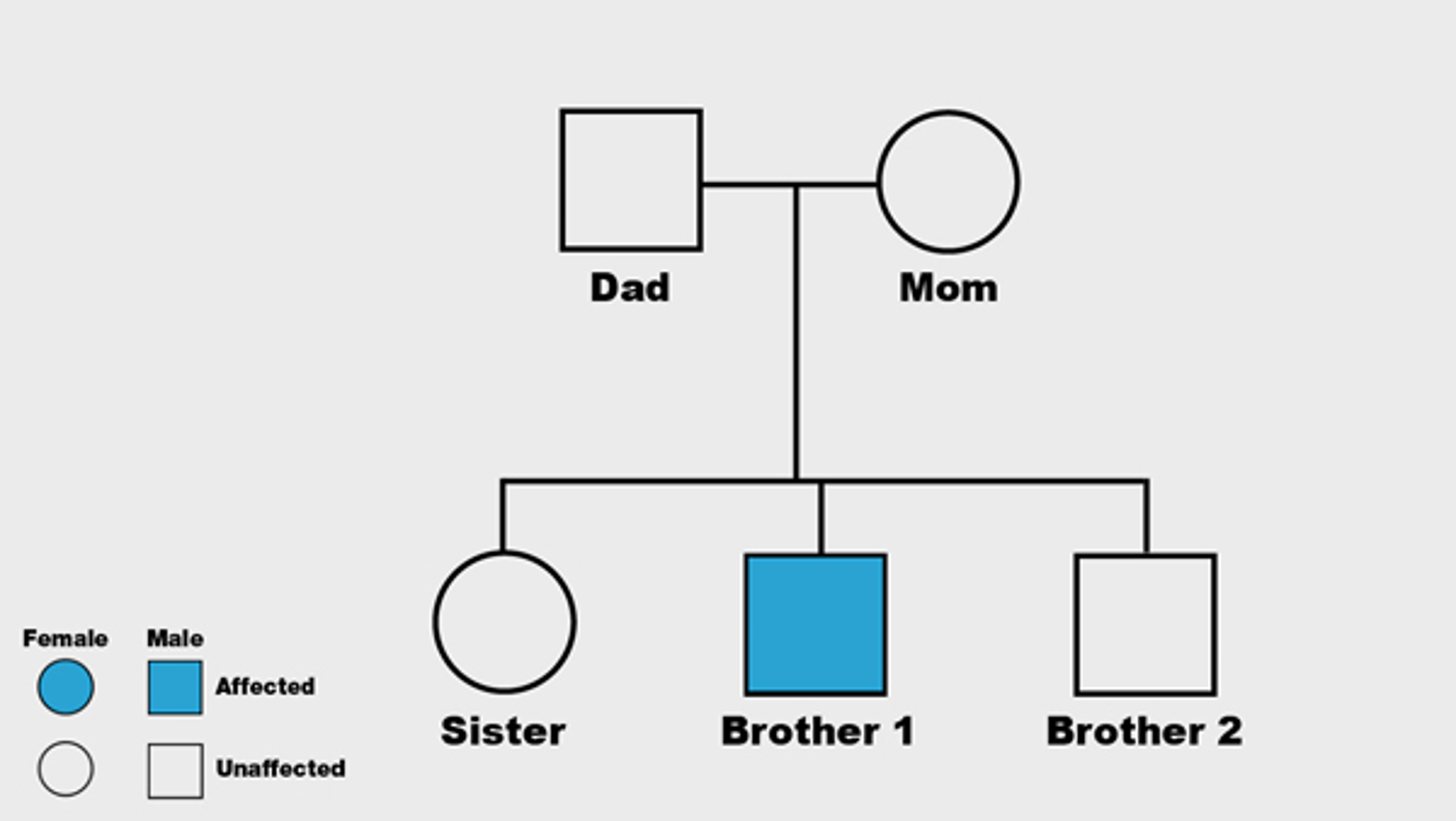
Match each individual on the left with the correct genotype on the right.
Dad
Mom
Sister
Brother 1
Definitely homozygous dominant
Definitely heterozygous
Definitely homozygous recessive
Could be homozygous dominant or heterozygous
4 points
4
Question 29
29.
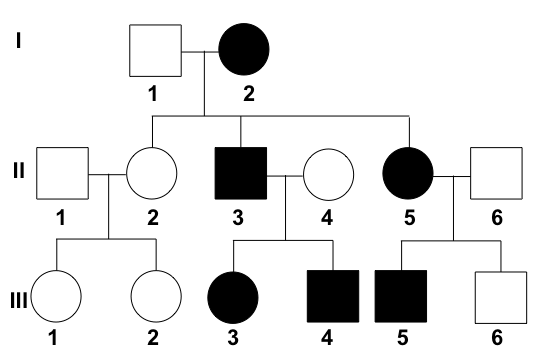
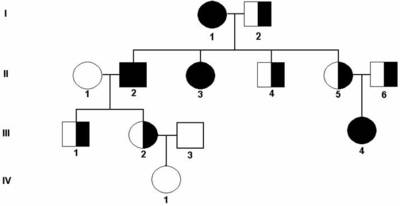
The pedigree below tracks the appearance of a recessive trait:
Match each individual on the left with the correct genotype on the right.
I-2
II-2
II-3
III-6
Definitely homozygous dominant
Definitely heterozygous
Definitely homozygous recessive
Could be homozygous dominant or heterozygous
1 point
1
Question 30
30.
How is III-1 related to II-4?
2 points
2
Question 31
31.
Which of the following individuals are carriers? (Choose ALL that apply)
1 point
1
Question 32
32.
Select the correct definitions.
3 points
3
Question 33
33.
What are clues that a trait is recessive? (Choose ALL that apply)
1 point
1
Question 34
34.
How many children did I-1 and I-2 have?
1 point
1
Question 35
35.
This pedigree tracks hemophelia in a family. How many of III-3's sons have hemophelia?