Twa kɔ nsɛm atitiriw so
Log in
Sign up for FREE
arrow_back
Laabri

Lab Final Evolution through Plants (Labs 11, 12, 13, & 14)

star
star
star
star
star
Last updated about 7 years ago
97 Nsɛmmisa

The questions are organized by lab. Chapter 11, 12, 13, or 14 will be listed in front of the number on the table specimens. The numbers on items on the tables will not match the numbers GoFormative puts with the questions.

Starts Chapter 11 - Evolution

1
1
1
1
1
1
1
1
1
1
1
1
1
1
1
1
1
1
1
Start Chapter 12 - Microbiology

1
1
1
1
1
1
1
1
3
1
1
1
1
1
1
1

Starts Chapter 13 - Plants

12
6
3
5
1
1
1
1
1
1
1
1
1
1
1
1
1
1
1
1
1
1
1
1
1
1
1
1
1

Starts Chapter 14 - Plant Anatomy & Growth

1
1
1
1
1
1
1
2
1
2
1
1
1
1
1
1
1
2
2
2

#14-7d - not using today

1
2
1
1
1

Not doing #14-8c today.

2
1
1
1
1
2

#14-13 - not doing this question today

1
2
Asemmisa {{asɛmmisaAhyɛnsode}}
1.

#11-1 Use this specimen to answer all of the questions under #1. This fossil is of a _______________________(organism's name).

Asemmisa {{asɛmmisaAhyɛnsode}}
2.

#11-1a The formation of this fossil is a (cast or mold)?

Asemmisa {{asɛmmisaAhyɛnsode}}
3.

#11-1b. This fossil can be considered an ___________fossil because it can be used to identify a time period in the Geological Time Scale.

Asemmisa {{asɛmmisaAhyɛnsode}}
4.

#11-1c. This fossil identifies the (most recent or the oldest) era that it belongs to.

Asemmisa {{asɛmmisaAhyɛnsode}}
5.

#11-1d. This fossil identifies the Paleozoic Era.

Asemmisa {{asɛmmisaAhyɛnsode}}
6.

#11-2 Eras are broken down into two or more periods.

Asemmisa {{asɛmmisaAhyɛnsode}}
7.

#11 -3 Look at model. If this was a core sample, the Law of Superposition tells you that if you find a fossil in the gravel layer and one in the sandy layer in this sample, then the fossil on the bottom is younger than the fossil on top.

Asemmisa {{asɛmmisaAhyɛnsode}}
8.

#11-3a. The Law of Superposition is also called relative dating vs radiometric dating which uses the decay of isotopes to determine the age of a specimen.

Asemmisa {{asɛmmisaAhyɛnsode}}
9.

#11-4. Major types of events have repeatedly occured in the history of the earth and have caused the chronological separations in the Geological Time Scale. What are these major events?

Asemmisa {{asɛmmisaAhyɛnsode}}
10.

#11-5 - Select the best representation of the length of the three eras if drawn on a time line from the oldest to the most recent.

Asemmisa {{asɛmmisaAhyɛnsode}}
11.

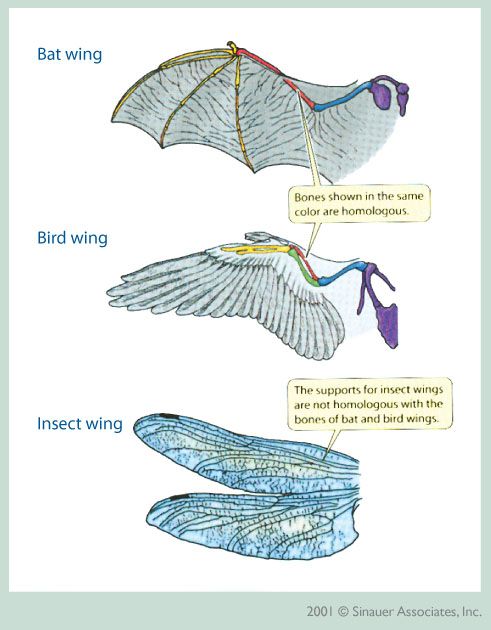
#11-6 Use the figure above. This is an example of ____________________structures which supports a _________________________.

Asemmisa {{asɛmmisaAhyɛnsode}}
12.

#11-7 Use the figure above. This is an example of analogous structures which doesn't support a common ancestor.

Asemmisa {{asɛmmisaAhyɛnsode}}
13.

#11-8 One of the arguments for why all vertebrates are closely related is due to certain characteristics of embryonic development. Give one example.

Asemmisa {{asɛmmisaAhyɛnsode}}
14.

#11-9. Use the Table above. Based on the information in the table, which species is most likely the closest relative to species L?

Asemmisa {{asɛmmisaAhyɛnsode}}
15.

#11-10. Use the Table above. Based on the information in the table, which species is most likely the ancestor to species L?

Asemmisa {{asɛmmisaAhyɛnsode}}
16.

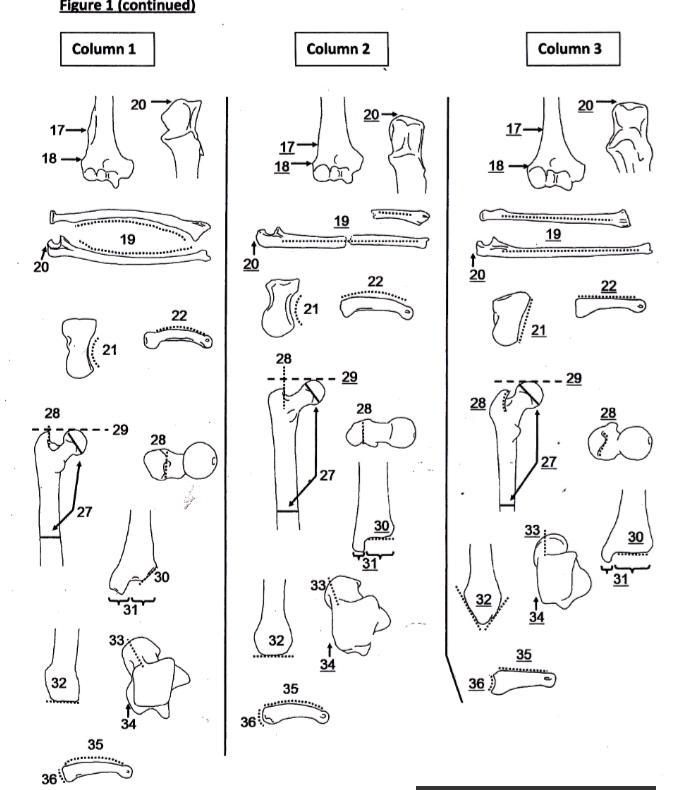
#11-11 Use the figure above. You are an anthropologist and have been asked to compare the recently unearthed fossil remains in Column 2 to two known species represented in Columns 1 and 3.

Looking at characteristic No. 21, is the unknown species more closely related to the species in Column 1 or 3?

Asemmisa {{asɛmmisaAhyɛnsode}}
17.

#11-12 Use the figure above. You are an anthropologist and have been asked to compare the recently unearthed fossil remains in Column 2 to two known species represented in Columns 1 and 3.

Looking at characteristic No. 30, is the unknown species more closely related to the species in Column 1 or 3?

Asemmisa {{asɛmmisaAhyɛnsode}}
18.

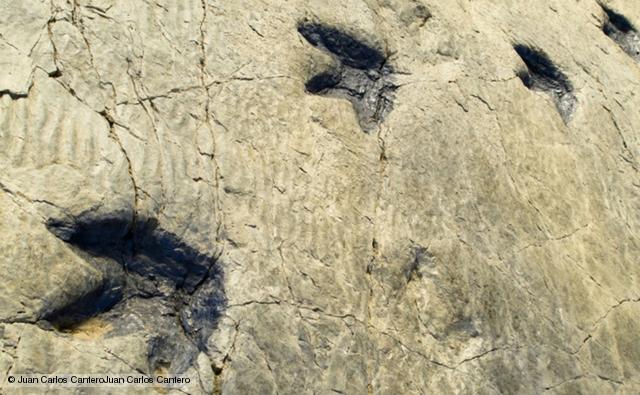
#11-13 Use the picture above. This type of fossil is very rare, however, scientists are excited when they find these types of fossils. Why?

Asemmisa {{asɛmmisaAhyɛnsode}}
19.

#11-14 Explain why we don't find more fossils.

Asemmisa {{asɛmmisaAhyɛnsode}}
20.

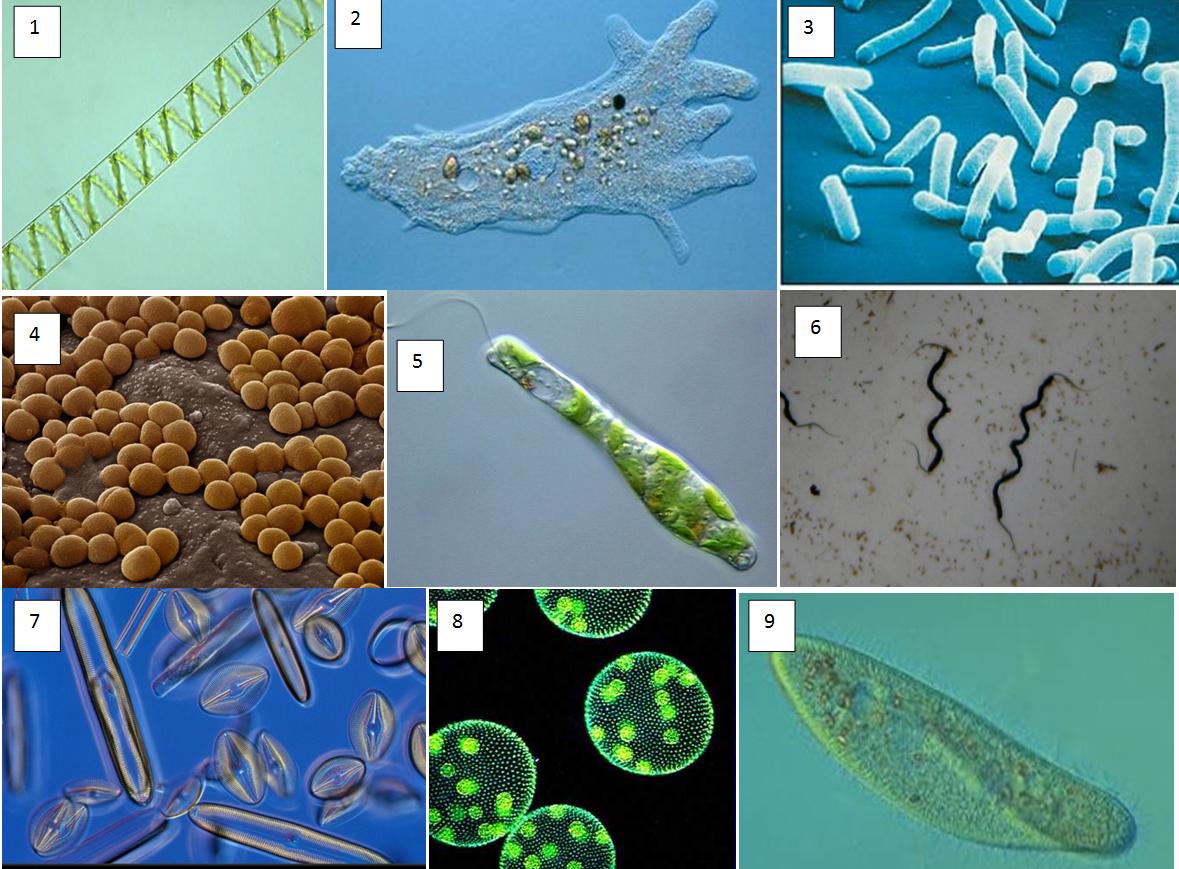
#12 - 1. Pictures 3, 4, and 6 above are all representatives of what Kingdom?

Asemmisa {{asɛmmisaAhyɛnsode}}
21.

#12 - 1a. This Kingdom is distinguished by being only ______________and __________________.

Asemmisa {{asɛmmisaAhyɛnsode}}
22.

#12 - 1b. As the pictures indicate, it is classified by _____________.

Asemmisa {{asɛmmisaAhyɛnsode}}
23.

#12 - 1c. Select only one of the three pictures and tell me the scientific suffix for organisms classified in its group and verbally describe the shape of that group.

Asemmisa {{asɛmmisaAhyɛnsode}}
24.

#12 - 2. The remaining pictures are all representatives of what Kingdom?

Asemmisa {{asɛmmisaAhyɛnsode}}
25.

#12-2a. These organisms are

Asemmisa {{asɛmmisaAhyɛnsode}}
26.

#12-2b. There organisms are generally classified by whether they look or function more like a

Asemmisa {{asɛmmisaAhyɛnsode}}
27.

#12-2c. Select only one of the pictures and tell me the name of the organism. Give the plate # and name with a space between the two.

Asemmisa {{asɛmmisaAhyɛnsode}}
28.

#12-2d. Look at specimens #2, 5, and 9. Give the three types of locomotion used by these representative organisms.

Asemmisa {{asɛmmisaAhyɛnsode}}
29.

#12- 3. Look at the specimen provided. This sample is an example of an organism from what Kingdom?

Asemmisa {{asɛmmisaAhyɛnsode}}
30.

#12 - 3a. These organisms are generally classified by their _____________________structures.

Asemmisa {{asɛmmisaAhyɛnsode}}
31.

#12 - 3b. Identify the specific type of organism growing in the petri dish.

Asemmisa {{asɛmmisaAhyɛnsode}}
32.

#12 - 4. Briefly describe the importance of cyanobacteria to the Earth's ecosystem.

Asemmisa {{asɛmmisaAhyɛnsode}}
33.

#12 - 5. Bacteria are also categorized by whether they cause disease or not. Describe only one structure on bacteria that promotes or helps bacteria to survive and cause disease.

Asemmisa {{asɛmmisaAhyɛnsode}}
34.

#12 - 6. Bacteria and fungi play a major role in ecosystems as decomposers recylcing nutrients for continued life on the earth.

Asemmisa {{asɛmmisaAhyɛnsode}}
35.

#12 - 7 Name one of the diseases caused by fungi.

Asemmisa {{asɛmmisaAhyɛnsode}}
36.

#13 - 1 Use these four specimens to identify the four main groups of plants we studied and the evolutionary event that is associated with its group. What is the significance of this adaptation towards movement from water to land. Use format: A= Name: Event: Significance: ; then repeat for B, C, and D.

Asemmisa {{asɛmmisaAhyɛnsode}}
37.

#13 - 2. Put the specimens in the previous question in order of evolutionary development and then show the relationsihp with dominance of the gametophyte and sporophyte generations in these groups. (Use A, B, C, and D labels across the top; and then enter G and S appropriately inside the triangles)

Asemmisa {{asɛmmisaAhyɛnsode}}
38.

#13 -3 Briefly explain double fertilizatin and its benefits.

Asemmisa {{asɛmmisaAhyɛnsode}}
39.

#13 - 4. This is a generalized diagram of Alternation of Generations. Insert the following terms haploid, diploid, mitosis, meiosis and fertilization into the diagram. Use H=haploid, D=diploid, MT=mitosis, ME=meiosis and F=fertilization

Asemmisa {{asɛmmisaAhyɛnsode}}
40.

#13 -5. The sporophyte generation is the dominant phase in the moss life cycle.

Asemmisa {{asɛmmisaAhyɛnsode}}
41.

#13 - 6. The gamtophyte generation is the dominant phase in the fern life cycle.

Asemmisa {{asɛmmisaAhyɛnsode}}
42.

#13 - 7. Give the two mechanisms used as pollinators for seed plants.

Asemmisa {{asɛmmisaAhyɛnsode}}
43.

#13 - 8. Give one benefit of a fruit to the perpetuation of a plant species.

Asemmisa {{asɛmmisaAhyɛnsode}}
44.

#13 - 9. Distinguish the difference between pollination and fertilization.

Asemmisa {{asɛmmisaAhyɛnsode}}
45.

#13 - 10. Match up these male and female terms with the correct group of organisms.

A=archegonium AN=anteridum E=egg S=sperm ME=megaspore M=microspore P=pollen ST=stamen C=carpel

Mosses have:

Asemmisa {{asɛmmisaAhyɛnsode}}
46.

#13 - 10a. Match up these male and female terms with the correct group of organisms.

A=archegonium AN=anteridum E=egg S=sperm ME=megaspore M=microspore P=pollen ST=stamen C=carpel

Ferns have:

Asemmisa {{asɛmmisaAhyɛnsode}}
47.

#13 - 10b. Match up these male and female terms with the correct group of organisms.

A=archegonium AN=anteridum E=egg S=sperm ME=megaspore M=microspore P=pollen ST=stamen C=carpel

Gymnosperms have:

Asemmisa {{asɛmmisaAhyɛnsode}}
48.

#13 - 10c. Match up these male and female terms with the correct group of organisms.

A=archegonium AN=anteridum E=egg S=sperm ME=megaspore M=microspore P=pollen ST=stamen C=carpel

Angiosperms have:

Asemmisa {{asɛmmisaAhyɛnsode}}
49.

#13 - 11. The terms "capsule", "protonemata", and "rhizoid" belongs to which group

Asemmisa {{asɛmmisaAhyɛnsode}}
50.

#13 - 12. The terms "prothalium", "frond", and "sorus" belongs to which group

Asemmisa {{asɛmmisaAhyɛnsode}}
51.

#13 - 13. This specimen is an example of a ______________________cone, belonging to the group of _____________________.

Asemmisa {{asɛmmisaAhyɛnsode}}
52.

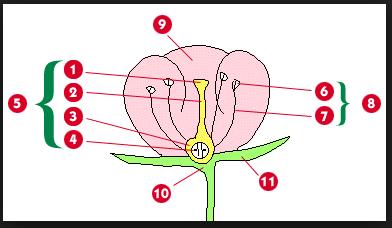
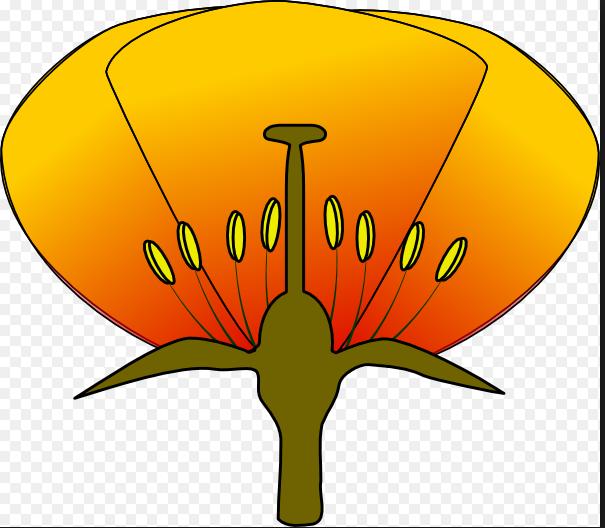
#13 - 14. Use the figure above to label the parts of a flower.

1 is the

Asemmisa {{asɛmmisaAhyɛnsode}}
53.

#13 - 14. Use the figure above to label the parts of a flower.

2 is the

Asemmisa {{asɛmmisaAhyɛnsode}}
54.

#13 - 14. Use the figure above to label the parts of a flower.

3 is the

Asemmisa {{asɛmmisaAhyɛnsode}}
55.

#13 - 14. Use the figure above to label the parts of a flower.

4 is the

Asemmisa {{asɛmmisaAhyɛnsode}}
56.

#13 - 14. Use the figure above to label the parts of a flower.

5 is the

Asemmisa {{asɛmmisaAhyɛnsode}}
57.

#13 - 14. Use the figure above to label the parts of a flower.

6 is the

Asemmisa {{asɛmmisaAhyɛnsode}}
58.

#13 - 14. Use the figure above to label the parts of a flower.

7 is the

Asemmisa {{asɛmmisaAhyɛnsode}}
59.

#13 - 14. Use the figure above to label the parts of a flower.

8 is the

Asemmisa {{asɛmmisaAhyɛnsode}}
60.

#13 - 14. Use the figure above to label the parts of a flower.

9 is the

Asemmisa {{asɛmmisaAhyɛnsode}}
61.

#13 - 14. Use the figure above to label the parts of a flower.

10 is the

Asemmisa {{asɛmmisaAhyɛnsode}}
62.

#13 - 14. Use the figure above to label the parts of a flower.

11 is the

Asemmisa {{asɛmmisaAhyɛnsode}}
63.

#13 - 15. Considering the placement of the male reproductive structures, will this flower be more likely to self pollinate or cross pollinate?

Asemmisa {{asɛmmisaAhyɛnsode}}
64.

#13 - 16. Using the sample specimen, how many ovules does this organism have?

Asemmisa {{asɛmmisaAhyɛnsode}}
65.

#14-1 Everything above ground is called the _______________.

Asemmisa {{asɛmmisaAhyɛnsode}}
66.

#14-1a. Is this plant herbaceous or non-herbacious?

Asemmisa {{asɛmmisaAhyɛnsode}}
67.

#14-2 What part of this above ground system is this?

Asemmisa {{asɛmmisaAhyɛnsode}}
68.

#14-2a What is its primary function?

It is okay to give a one word answer instead of writing a sentence.
Asemmisa {{asɛmmisaAhyɛnsode}}
69.

#14-2b. Another name for the flat part of this structure is the....

Asemmisa {{asɛmmisaAhyɛnsode}}
70.

#14-2c The name of this structure is?

Asemmisa {{asɛmmisaAhyɛnsode}}
71.

#14-3 What part of this above ground system is this?

Asemmisa {{asɛmmisaAhyɛnsode}}
72.

#14-a What is its primary function?

Asemmisa {{asɛmmisaAhyɛnsode}}
73.

#14-4. Everything below ground is calle the ______________system.

Asemmisa {{asɛmmisaAhyɛnsode}}
74.

#14-4a. List at least two of its primary functions.

Asemmisa {{asɛmmisaAhyɛnsode}}
75.

#14-4b. This is an example of a .........root.

Asemmisa {{asɛmmisaAhyɛnsode}}
76.

#14-4c. This is an example of a _________________root.

Asemmisa {{asɛmmisaAhyɛnsode}}
77.

#14-5. This is a _____________bud.

Asemmisa {{asɛmmisaAhyɛnsode}}
78.

#14-5a. This is a ______________bud.

Asemmisa {{asɛmmisaAhyɛnsode}}
79.

#14-5b This is a ___________.

Asemmisa {{asɛmmisaAhyɛnsode}}
80.

#14-5c This is a ______________.

Asemmisa {{asɛmmisaAhyɛnsode}}
81.

#14-6 Give two locations where meristems are located.

Asemmisa {{asɛmmisaAhyɛnsode}}
82.

#14-7a Monocot or dicot? Why?

Asemmisa {{asɛmmisaAhyɛnsode}}
83.

#14-7b. Monocot or dicot? Why?

Asemmisa {{asɛmmisaAhyɛnsode}}
84.

#14-7c Monocot or dicot? Why?

Asemmisa {{asɛmmisaAhyɛnsode}}
85.

The four flower parts makes this a _______________.

Asemmisa {{asɛmmisaAhyɛnsode}}
86.

#14-7f. Is this a monocot or dicot? Why?

Asemmisa {{asɛmmisaAhyɛnsode}}
87.

#14-8 @ microscope The arrow in the midddle is pointing to whtat is called the ___________

Asemmisa {{asɛmmisaAhyɛnsode}}
88.

#14-8a. There are how many annual rings?

Asemmisa {{asɛmmisaAhyɛnsode}}
89.

#14-8b. All of these collectively are called the ________________.

Asemmisa {{asɛmmisaAhyɛnsode}}
90.

#14-9 @ microscope - Is this a monocot or dicot? Why?

You are looking at the cross section of a stem.
Asemmisa {{asɛmmisaAhyɛnsode}}
91.

#14-10 @ miscroscope - Is this a monocot or dicot? Why?

You are looking at the cross section of an ovary.
Asemmisa {{asɛmmisaAhyɛnsode}}
92.

#14-11 @ microscope This is a specimen of what structure?

Asemmisa {{asɛmmisaAhyɛnsode}}
93.

#14-11a. @ microscope What would you label the outside layer that the arrow is pointing to?

Asemmisa {{asɛmmisaAhyɛnsode}}
94.

#14-12 @ microscope The arrow is pointing to a particular structure. What is it?

Asemmisa {{asɛmmisaAhyɛnsode}}
95.

#14-12a. Describe its role and importance in the growth of plants.

Asemmisa {{asɛmmisaAhyɛnsode}}
96.

#14-14 - back at tables - You can see a distinctively darker and lighter ring where this specimen has been dampened with some water. (You may use the water bottle and cotton ball to re-wet the specimen so you can see the rings better. There rings are called the _____________.

Asemmisa {{asɛmmisaAhyɛnsode}}
97.

#14-15 Label these two tissues in part of a picture of a cross section of a woody stem.