Climate "I can"
star
star
star
star
star
Last updated over 3 years ago
1 Asɛmmisa
1
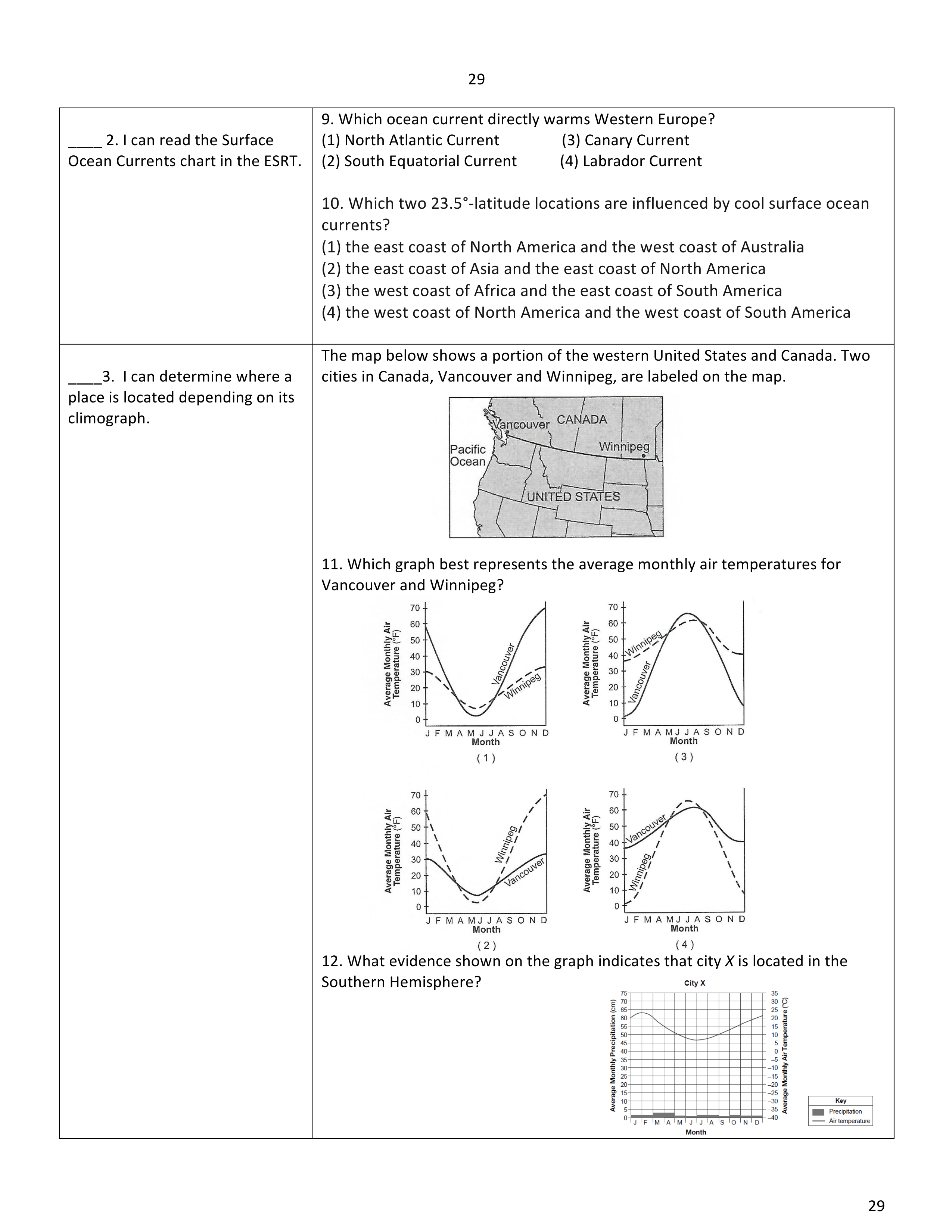
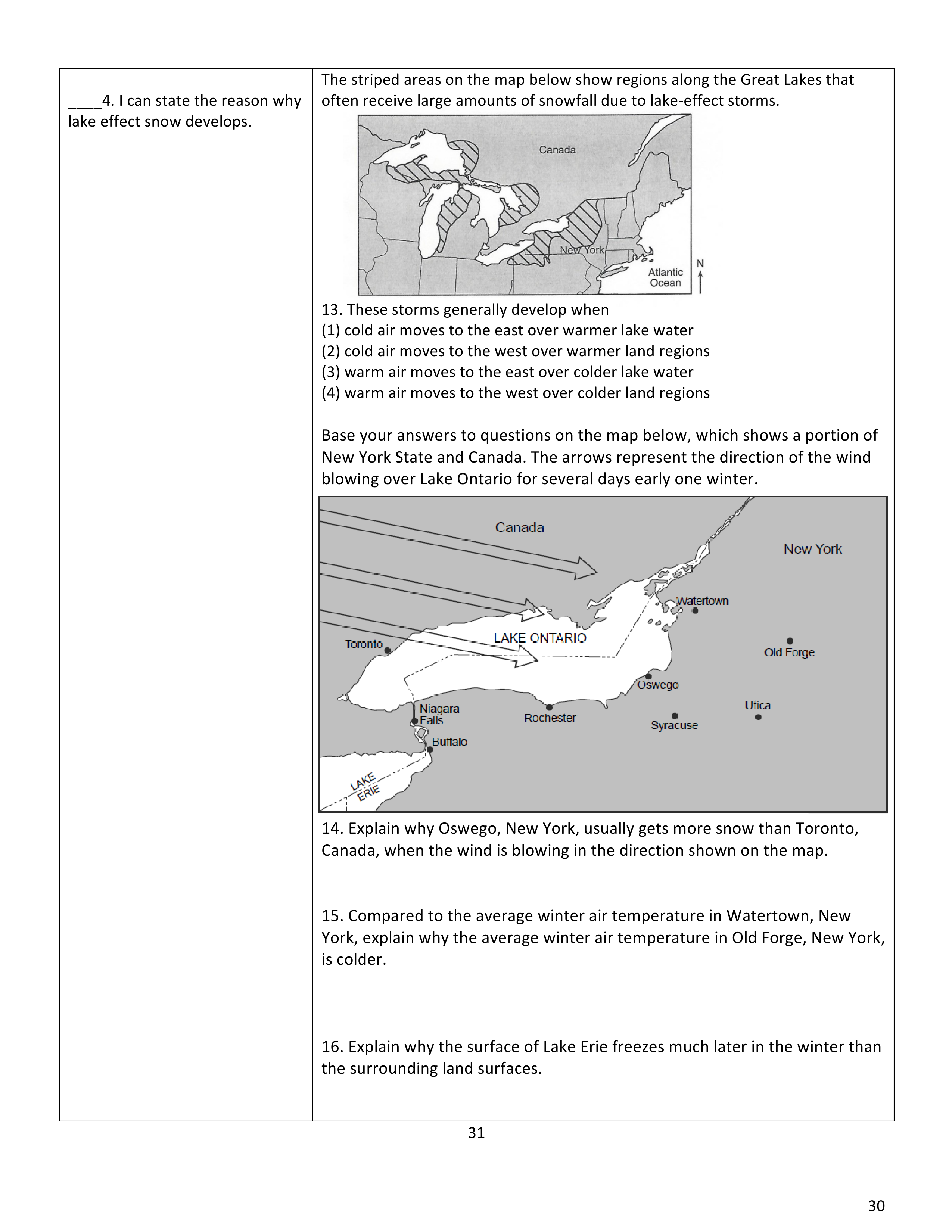
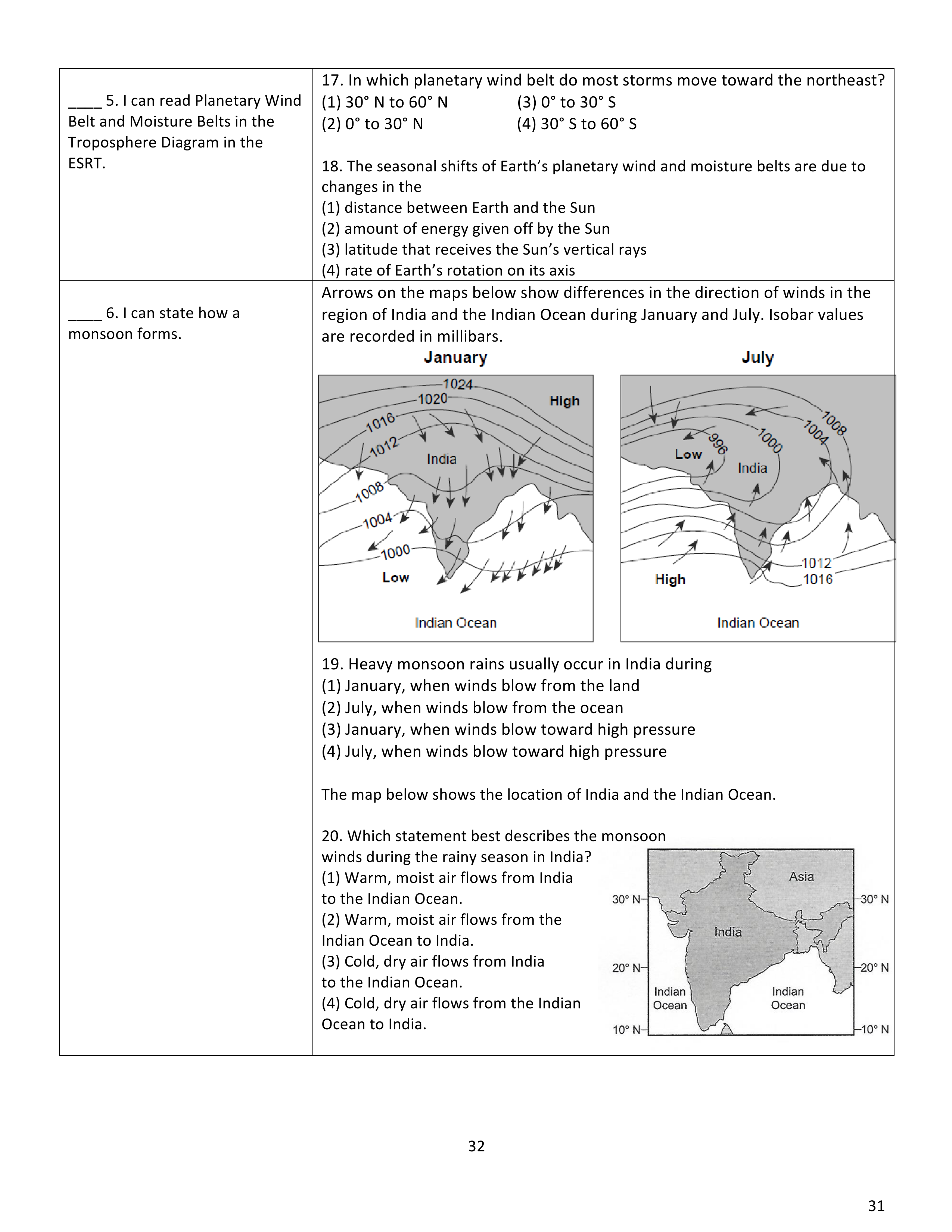
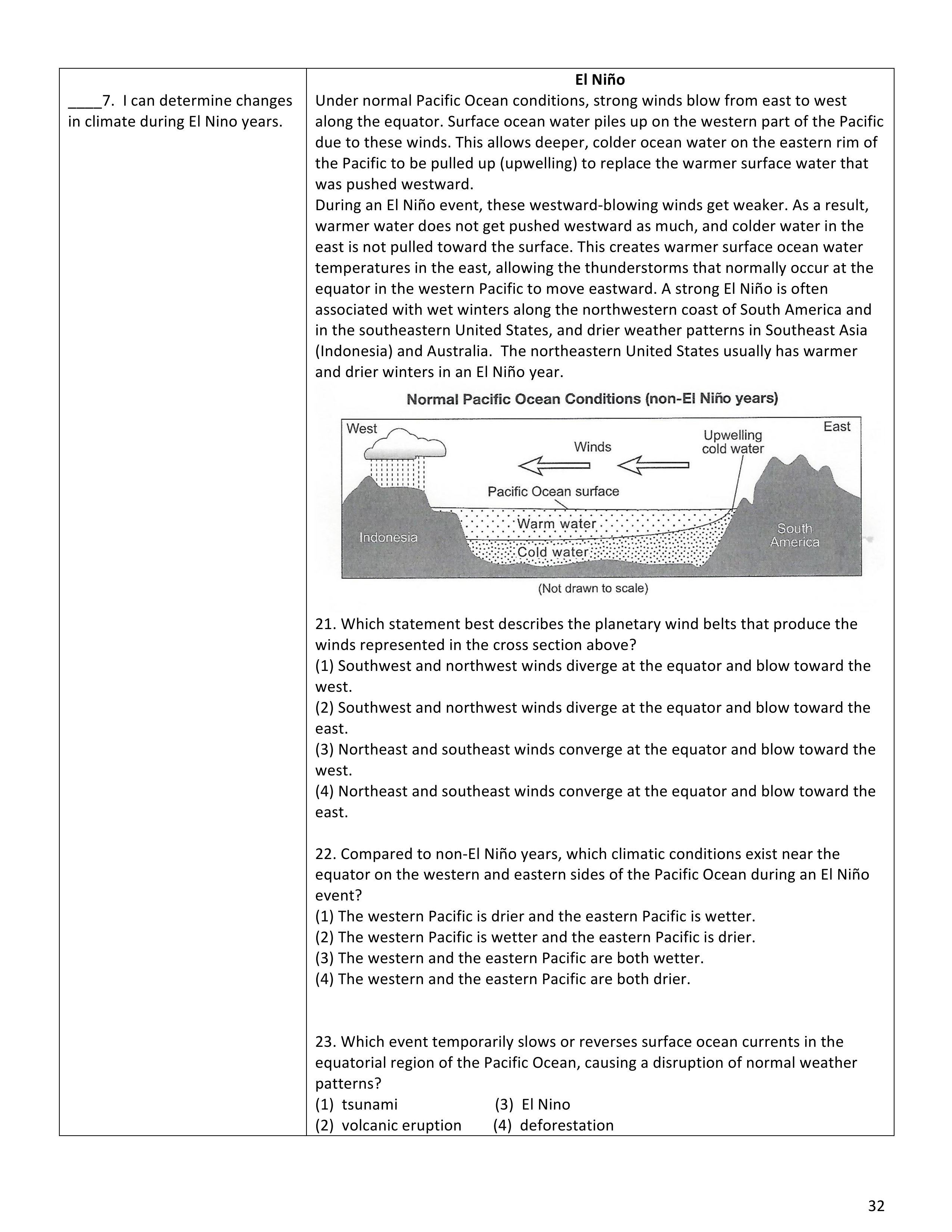
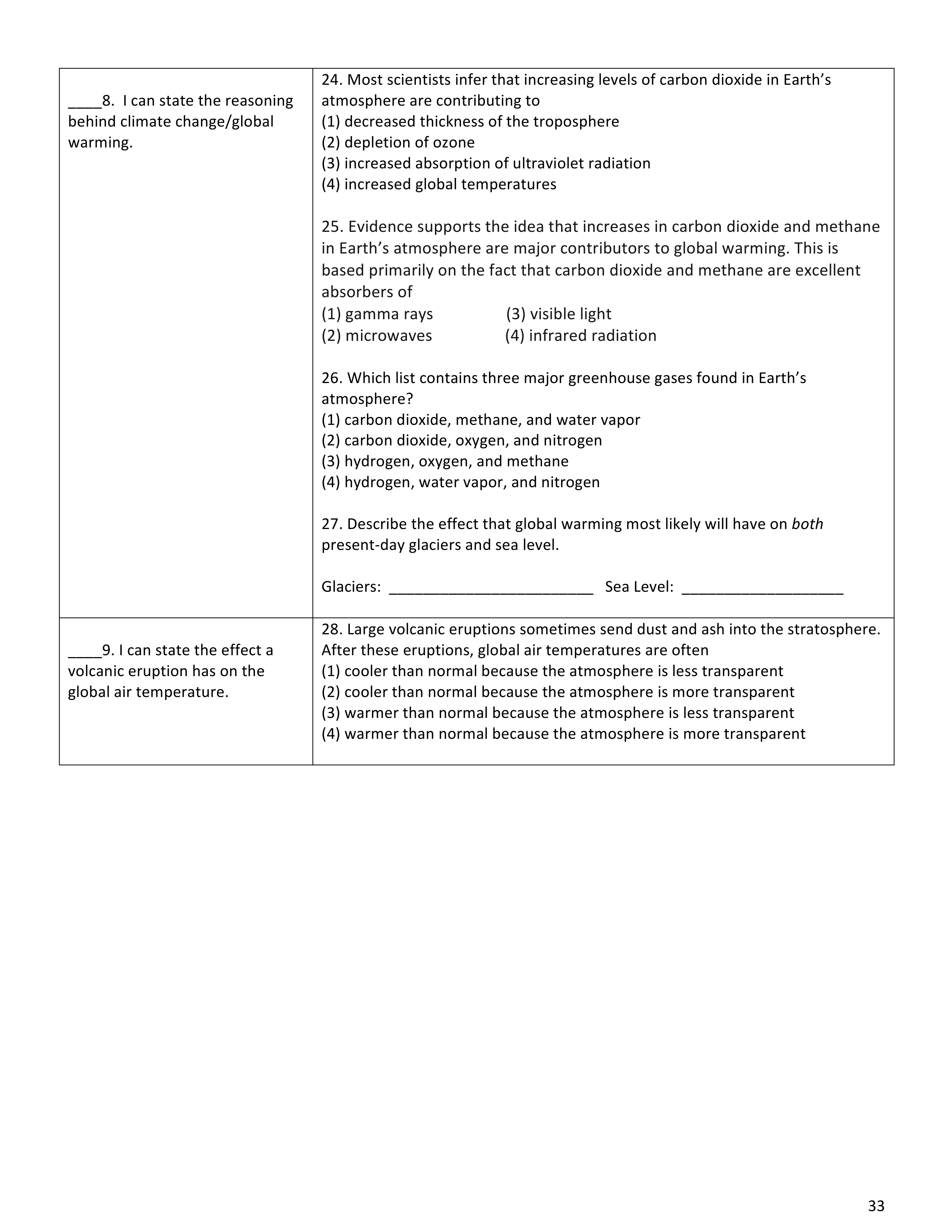
Climate refers to the long-term weather patterns observed in a particular region. It includes various factors such as temperature, precipitation, wind patterns, and atmospheric conditions. Climate plays a crucial role in shaping Earth's ecosystems and influences the distribution of plant and animal species, as well as the availability of natural resources. In this reading, we will explore the basics of climate and its impact on Earth's ecosystems.
What Determines Climate?
Climate is determined by several factors, including the amount of solar energy received by the Earth, the composition of the atmosphere, and the Earth's rotation. The is the primary source of energy for our planet. Differences in solar radiation due to variations in the Earth's tilt and its orbit around the Sun result in different climate zones across the globe.
The Greenhouse Effect:
One important concept related to climate is the greenhouse effect. Certain gases in the Earth's atmosphere, such as , methane (CH4), and water vapor, act like a blanket, trapping heat and maintaining a stable temperature. This is essential for supporting life on Earth. However, human activities, such as and , have significantly increased the concentration of greenhouse gases, leading to an enhanced greenhouse effect. This has resulted in global warming, a long-term in Earth's average temperature.
Climate is influenced by various factors that interact to create the weather patterns observed in a particular region over long periods. These factors can be broadly categorized into two types: natural factors and human-induced factors. Let's explore the key factors that affect climate:
Latitude: Latitude refers to the distance from the , measured in degrees. The amount of solar energy received at different latitudes determines the temperature and climate of a region. Near the equator, solar radiation is more direct, resulting in , while at higher latitudes, solar radiation is more spread out, leading to cooler temperatures.
Altitude: Altitude, or elevation, refers to the of a location above sea level. As altitude increases, the air becomes thinner, which affects temperature and atmospheric pressure. Generally, temperatures decrease with increasing altitude, so higher elevations tend to be cooler than lower ones.
Air Masses and Winds: Air masses are large bodies of air with consistent temperature and moisture characteristics. The movement of air masses is driven by winds, which can be influenced by various factors, including the rotation of the Earth ( effect), differences in air pressure, and the presence of mountain ranges. Winds play a crucial role in distributing heat and moisture across the Earth's surface, influencing local and regional climates.
Ocean Currents: Ocean currents are large-scale movements of ocean water driven by factors such as temperature, salinity, and wind patterns. They transport heat from one region to another, affecting the climate of coastal areas. For example, the Gulf Stream in the Atlantic Ocean brings warm water from the tropics to the North Atlantic, influencing the climate of regions like Western Europe.
Topography: The physical features of the land, such as mountains, valleys, and bodies of water, can influence climate. Mountains can act as barriers to prevailing winds, causing differences in temperature and precipitation patterns on either side. Large bodies of water, such as oceans and lakes, can moderate temperatures by absorbing and releasing heat energy, leading to milder climates in coastal areas. Typically, coastal cities will be in the winter and in the summer.
Greenhouse Gases: Certain gases in the Earth's atmosphere, such as carbon dioxide (CO2), methane (CH4), and water vapor, from the Sun, creating the greenhouse effect. This natural process is essential for maintaining a stable climate. However, human activities, including the burning of fossil fuels and deforestation, have increased the concentration of , leading to an enhanced greenhouse effect and contributing to climate change.