Preskoči na glavni sadržaj
Prijava
Sign up for FREE
arrow_back
Biblioteka

Algebra 2 4-1 Guided Practice: Quadratic Functions and Transformations

star
star
star
star
star
Posljednje ažuriranje over 3 years ago
34 questions
3
3
20
F.IF.4
F.IF.7.a
10
10
F.BF.3
F.IF.4
3
10
20
F.IF.4
F.IF.7.a
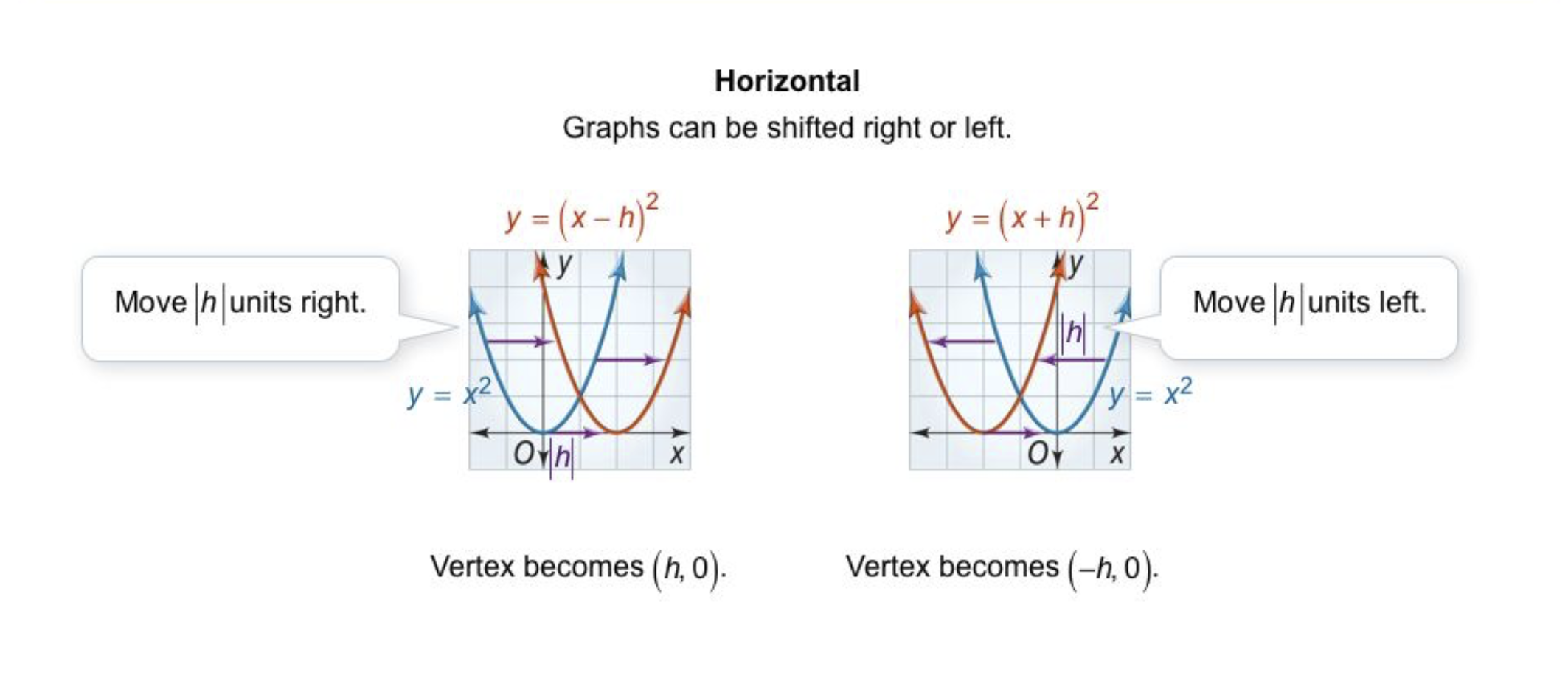
10
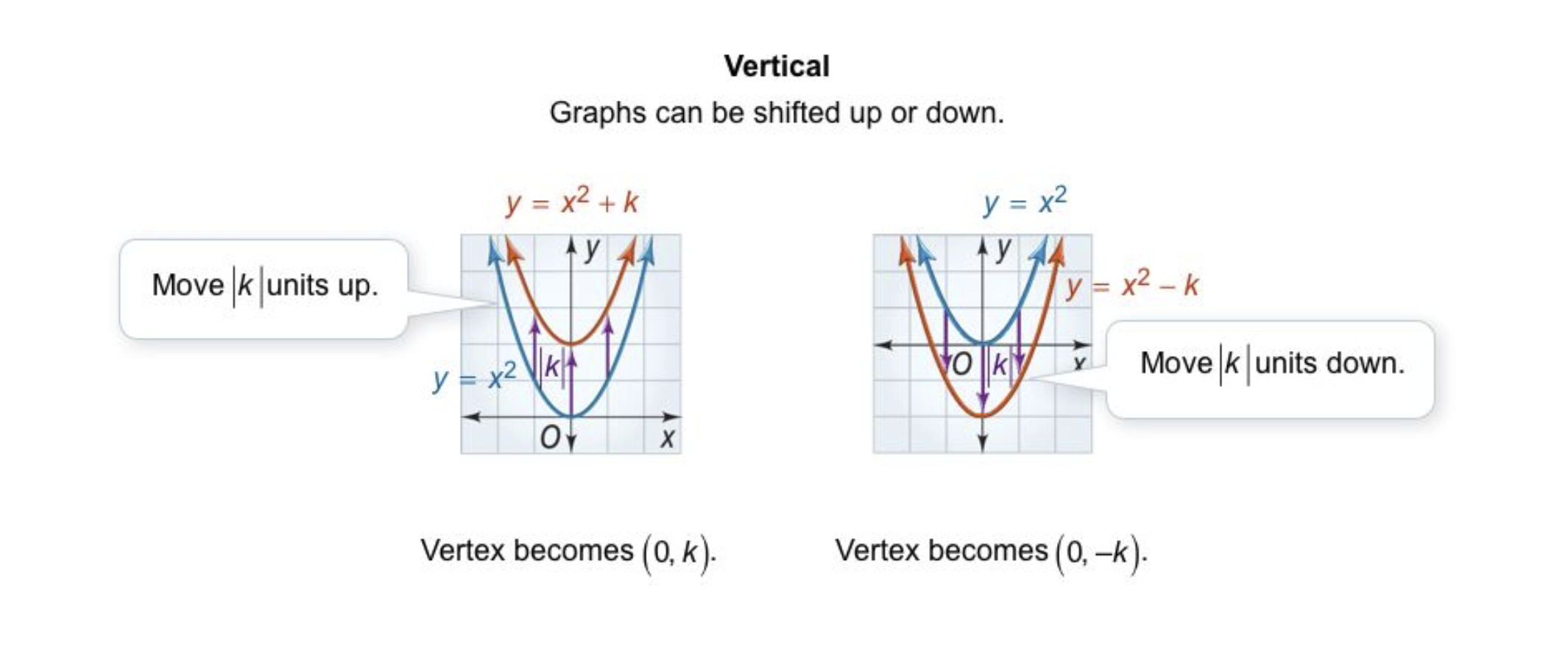
F.BF.3
F.IF.4
F.IF.7.a
20
F.IF.4
F.IF.7.a
10
F.BF.3
F.IF.4
F.IF.7.a
3
3

3
Pitanje 1
1.

Video Check: Select all that apply with regards to the video embedded directly above this item.

Solve It! In the computer game Steeplechase, you press the "jump" button and the horse makes the jump shown. The highest part of the jump must be directly above the fence or you lose time.

10
Pitanje 2
2.

Solve It! Where should this horse be when you press "jump"?

F.BF.3
F.IF.4
Pitanje 3
3.

Video Check: Select all that apply with regards to the video embedded directly above this item.

Take Note: The sketch of a graph may omit most graph details. Sketches may be created more quickly than standard graphs and with less precision.

10
Pitanje 4
4.

Take Note: Define parabola. Also, sketch a parabola on the canvas.

You may also complete your work on paper or on a whiteboard and upload a clear picture of it to the canvas.

10
10
10
10
10
Pitanje 10
10.

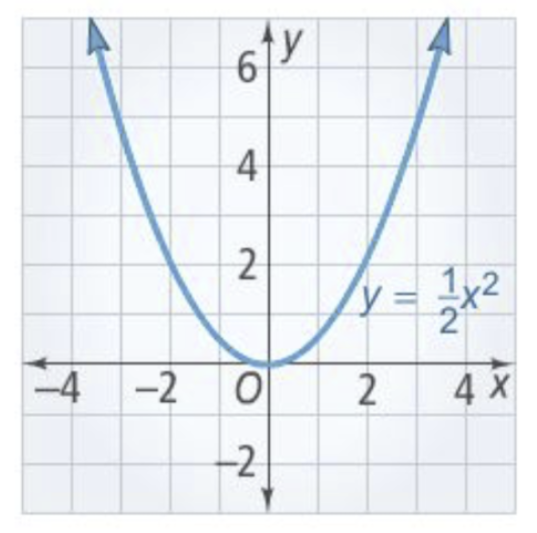
Problem 1 Got It? What is the graph of the function? Complete a table of values and graph the function on the canvas. Use colors other than black.

Hint: consider choosing values of x for your table that cancel out the fraction when multiplied. x = 0, 3, and -3 work well.

You may also complete your work on paper or on a whiteboard and upload a clear picture of it to the canvas.

Pitanje 11
11.

Problem 1 Got It? Graph the parent quadratic function and its transformation on the same plane. Zoom and pan your graph to establish an appropriate viewing window. Consider the relationship between the two functions.

  • Kliknite na karticu Grafikon (Grafikon 1, Grafikon 2 i tako dalje) za svaki grafikon koji trebate nacrtati.
  • Kliknite na pozadinu grafikona da biste dodali tačku. Dodajte dvije tačke da biste kreirali grafikon. Prevucite tačku ili unesite x i y koordinate da biste uredili njen položaj. Kliknite na tačku da biste je izbrisali.
  • Nakon što kreirate grafikon, možete označiti kućicu s isprekidanom linijom.
Pitanje 12
12.

Problem 1 Got It? Reasoning: What can you say about the graph of the function below if a is a negative number?

Pitanje 13
13.

Video Check: Select all that apply with regards to the video embedded directly above this item.

Pitanje 14
14.

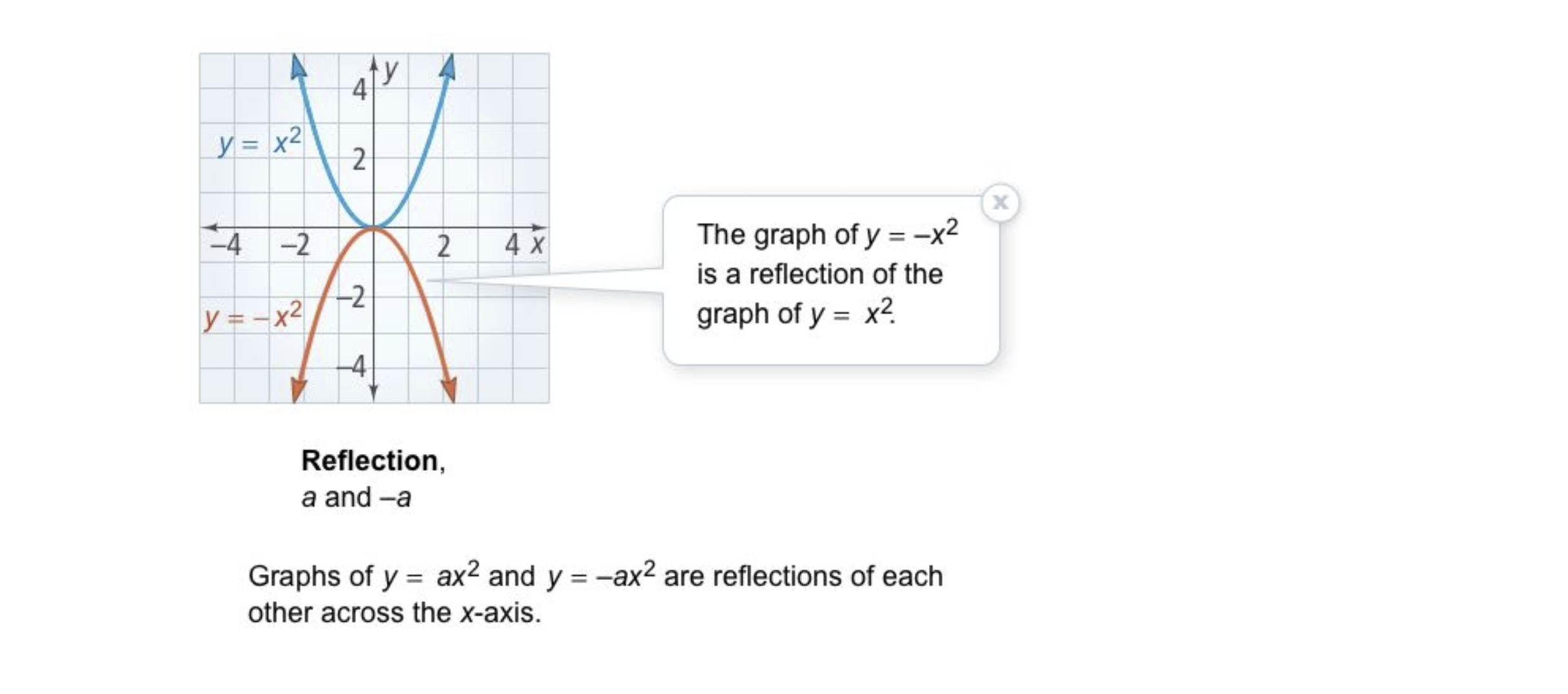
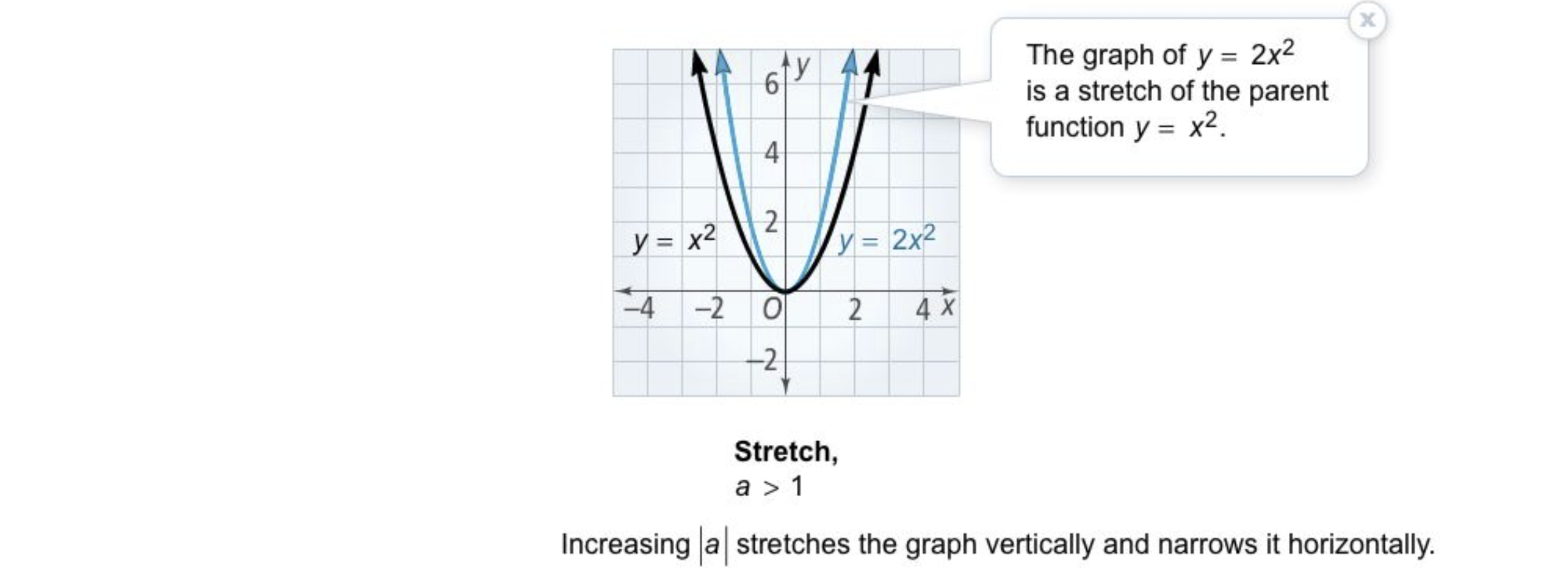
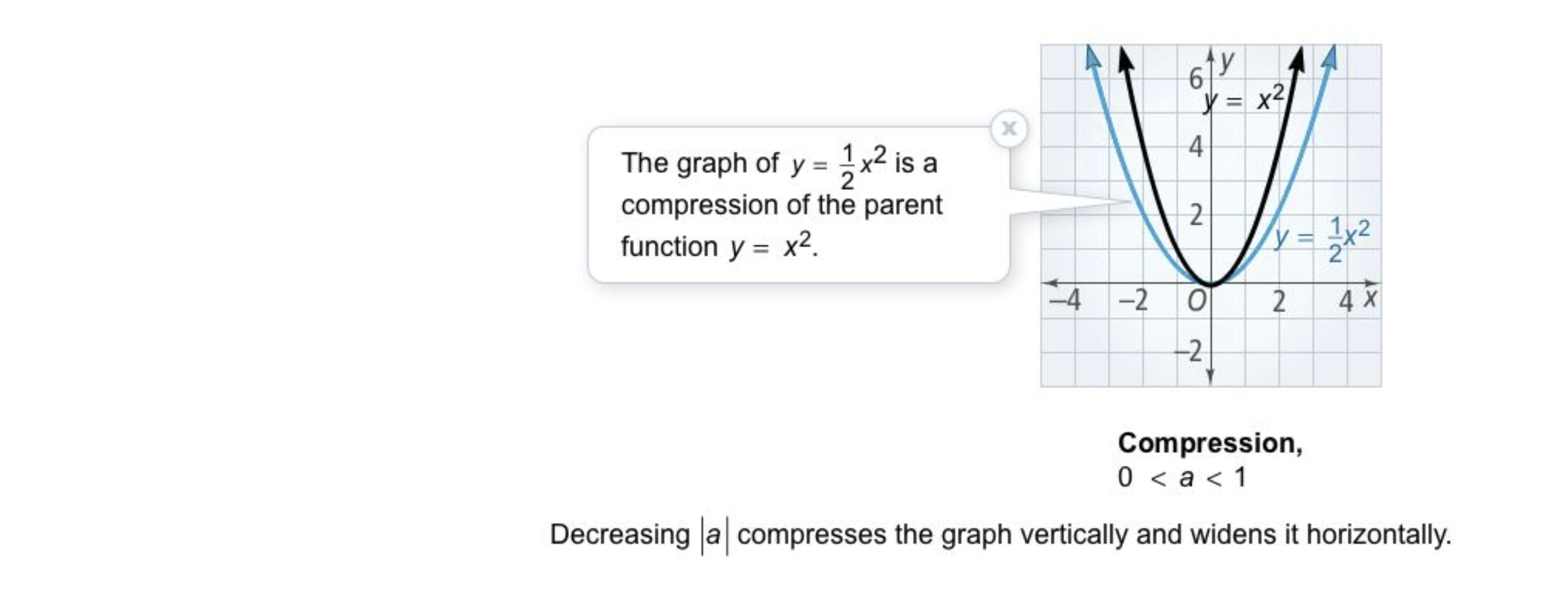
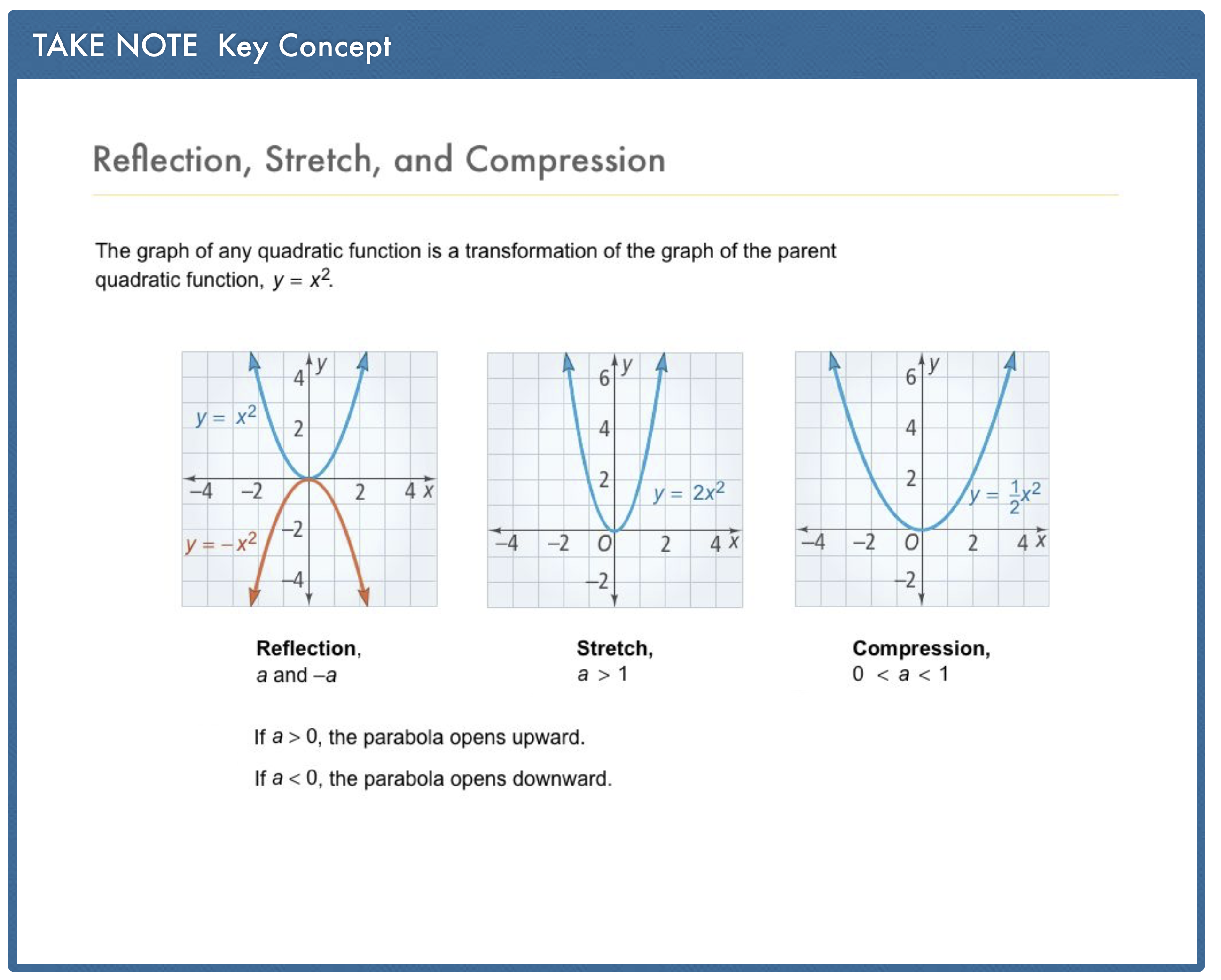
Take Note: Consider transformations of graph of the parent quadratic function of the form f(x)=ax^2.

Match each item on the left with the type of transformation it represents.

You may need to zoom out to see all of the items. You can also place each item from the left column by selecting it (click it) then selecting (clicking on) the category for it.

  • f(x)=ax^{2}, 0<a<1

  • f(x)=ax^{2}, a>1

  • f(x)=-ax^2 (a becomes -a)

  • Reflection (across the horizontal axis)

  • Stretch (vertical)

  • Compression (vertical)

5
Pitanje 15
15.

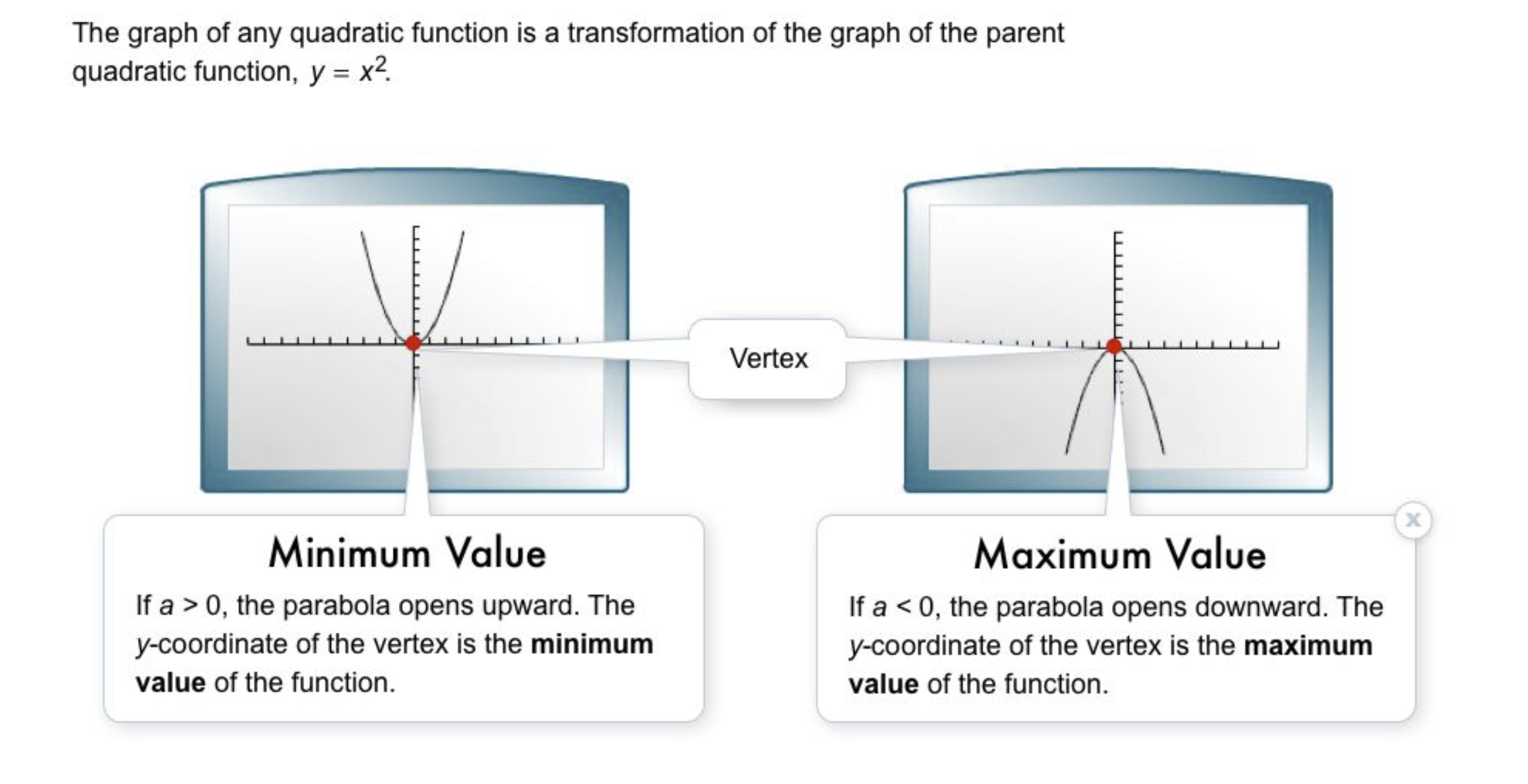
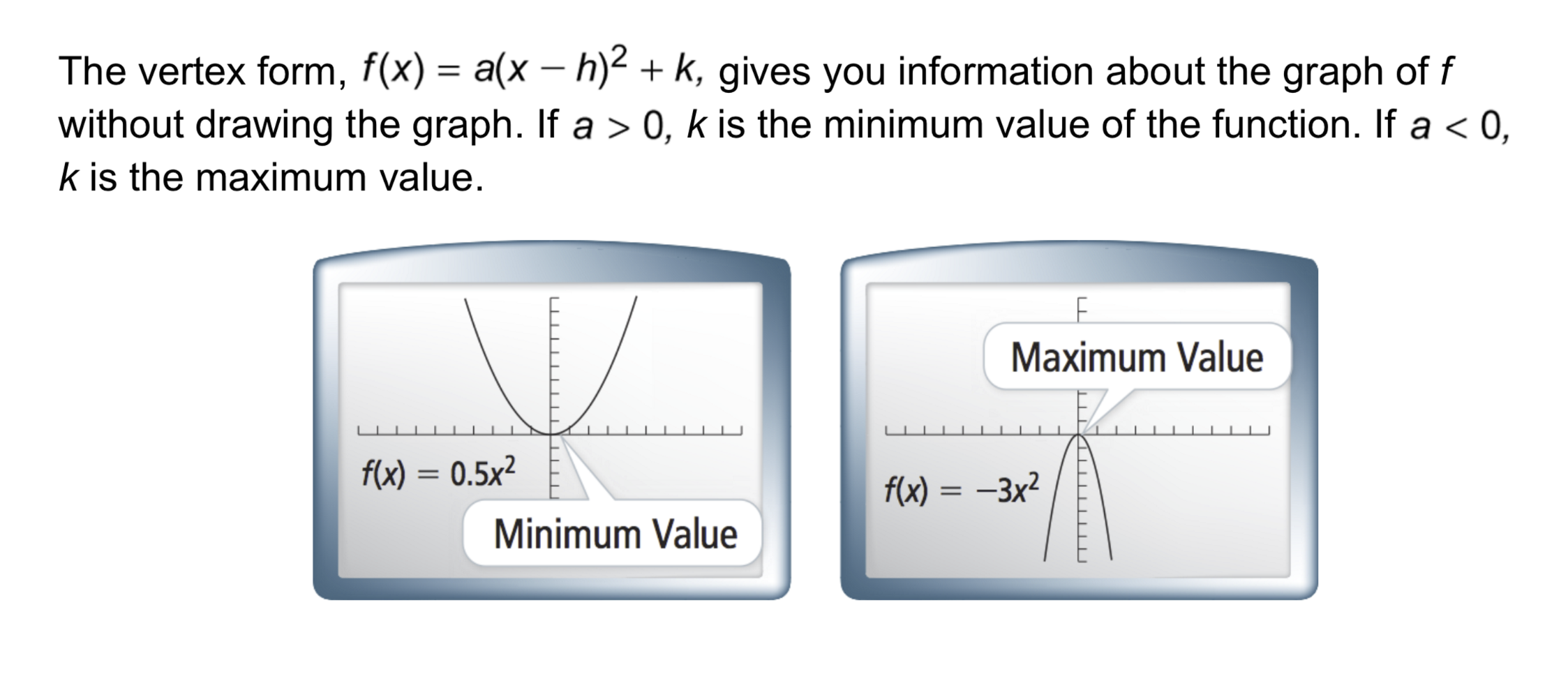
Take Note: Define minimum value (of a parabola). Be sure to indicate whether the x-coordinate or the y-coordinate represents the minimum value.

5
Pitanje 16
16.

Take Note: Define maximum value (of a parabola). Be sure to indicate whether the x-coordinate or the y-coordinate represents the maximum value.

10
Pitanje 17
17.

Take Note: Describe why it is not possible for a parabola to have both a maximum value and a minimum value.

Pitanje 18
18.

Problem 2 Got It? Graph the function on the canvas. Complete this item without Desmos or a graphing calculator. Consider that it is simply a translation of the parent function. You may then check your work at Desmos.

Include relevant graph detail: label axes, indicate units and scale on both axes, and use arrows to represent end behavior as appropriate.

Pitanje 19
19.

Problem 2 Got It? How is the graph of g(x) = x² + 3 in the previous item a translation of the graph of the parent function f(x) = x² ?

Pitanje 20
20.

Problem 2 Got It? Graph the function on the canvas. Complete this item without Desmos or a graphing calculator. Consider that it is simply a translation of the parent function. You may then check your work at Desmos.

Include relevant graph detail: label axes, indicate units and scale on both axes, and use arrows to represent end behavior as appropriate.

Pitanje 21
21.

Problem 2 Got It? How is the graph of h(x) = (x + 1)² in the previous item a translation of the graph of the parent function f(x) = x² ?

Pitanje 22
22.

Video Check: Select all that apply with regards to the video embedded directly above this item.

30
Pitanje 23
23.

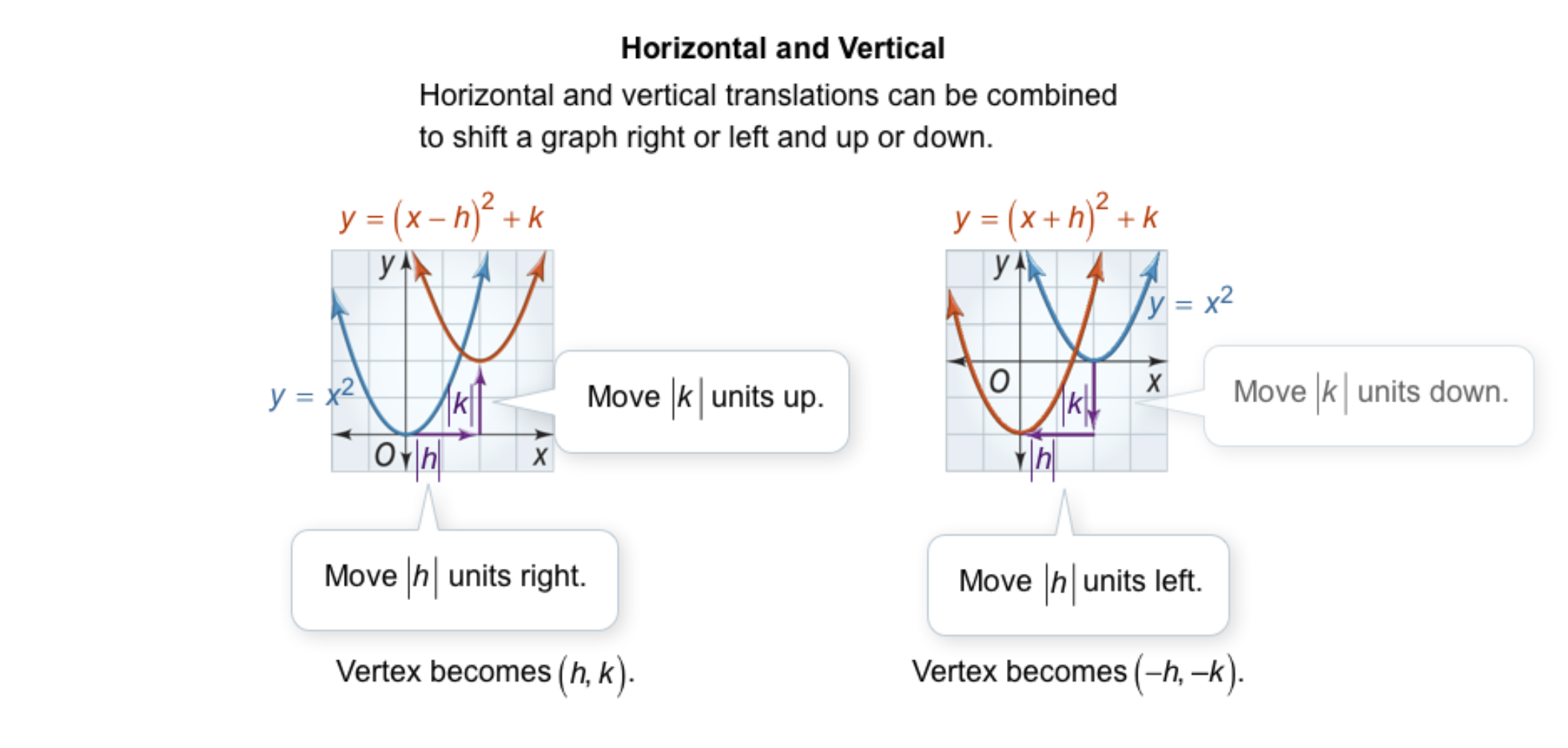
Take Note: Assume that you are given a quadratic function written in vertex form.

Describe the following

1) The process for finding the vertex of the associated parabola

2) The process for determining whether the associated parabola opens upward or opens downward

3) The process for determining if k represents the minimum or maximum value of the function

10
Pitanje 24
24.

Problem 3 Got It?

F.BF.3
F.IF.4
F.IF.7.a
Pitanje 25
25.

Video Check: Select all that apply with regards to the video embedded directly above this item.

10
10
10
5
Pitanje 29
29.

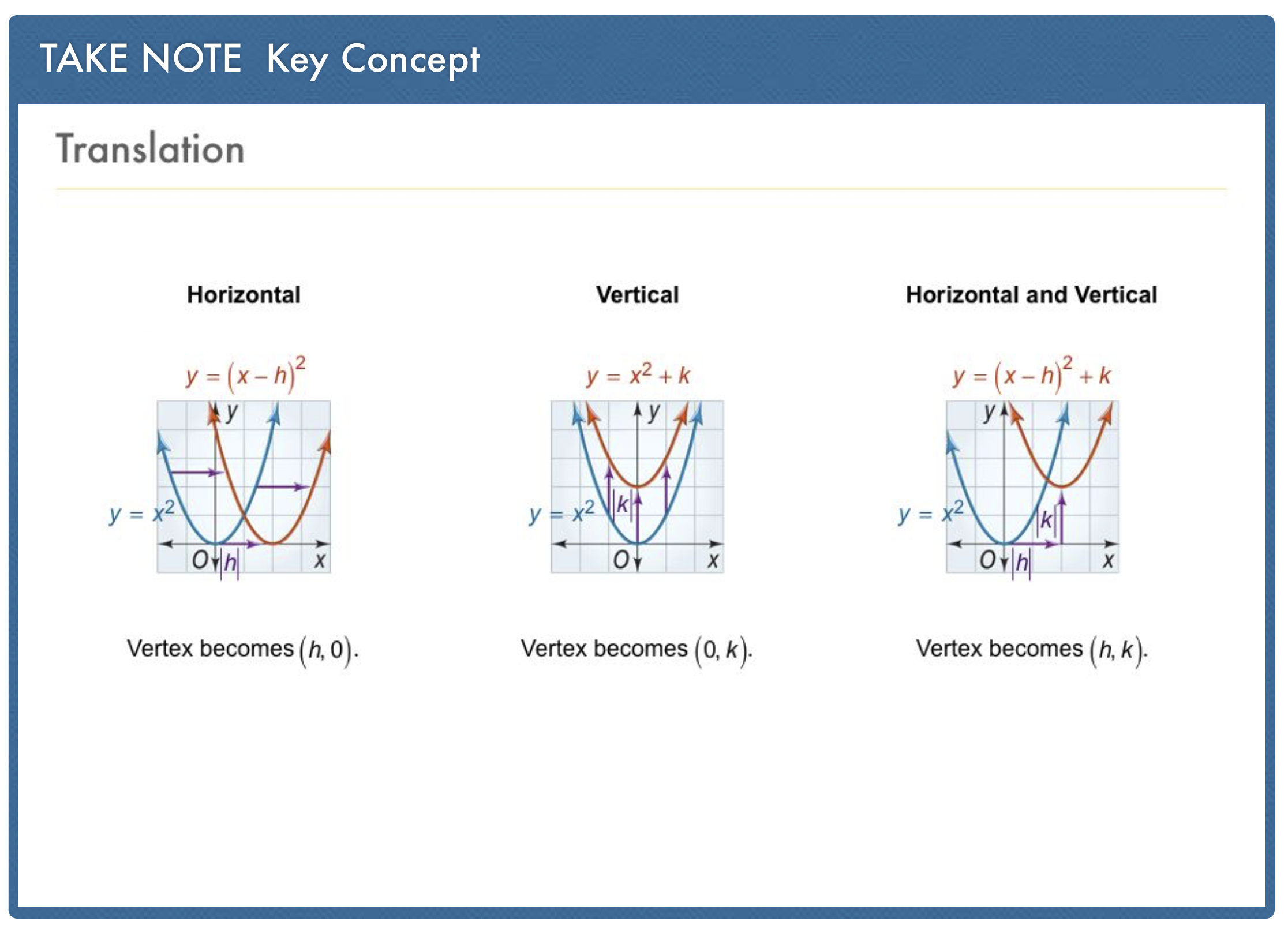
Take Note: Sketch a horizontal translation of the parabola on the canvas. Use a contrasting color.

5
Pitanje 30
30.

Take Note: Sketch a vertical translation of the parabola on the canvas. Use a contrasting color.

10
Pitanje 31
31.

Problem 4 Got It?

F.BF.3
F.IF.4
F.IF.7.a
Pitanje 32
32.

Video Check: Select all that apply with regards to the video embedded directly above this item.

10
Pitanje 33
33.

Problem 5 Got It? Suppose the path of the jump changes so that the axis of symmetry becomes x = 2 and the height stays the same, 7. If the path of the jump also passes through the point (5, 5), what quaratic function would model this path?

A.CED.1
F.BF.3
…
10
Pitanje 34
34.

🧠 Retrieval Practice:

Summarize the mathematical content of this lesson. What topics, ideas, and vocabulary were introduced?

Pitanje 5
5.

Take Note: Define quadratic function.

Pitanje 6
6.

Take Note: The standard form of a quadratic function is as follows:

f(x)=ax^{2}+bx+c

(Note that a ≠ 0)

One strategy to associate this form with the name standard is to consider the a-b-c pattern it contains.

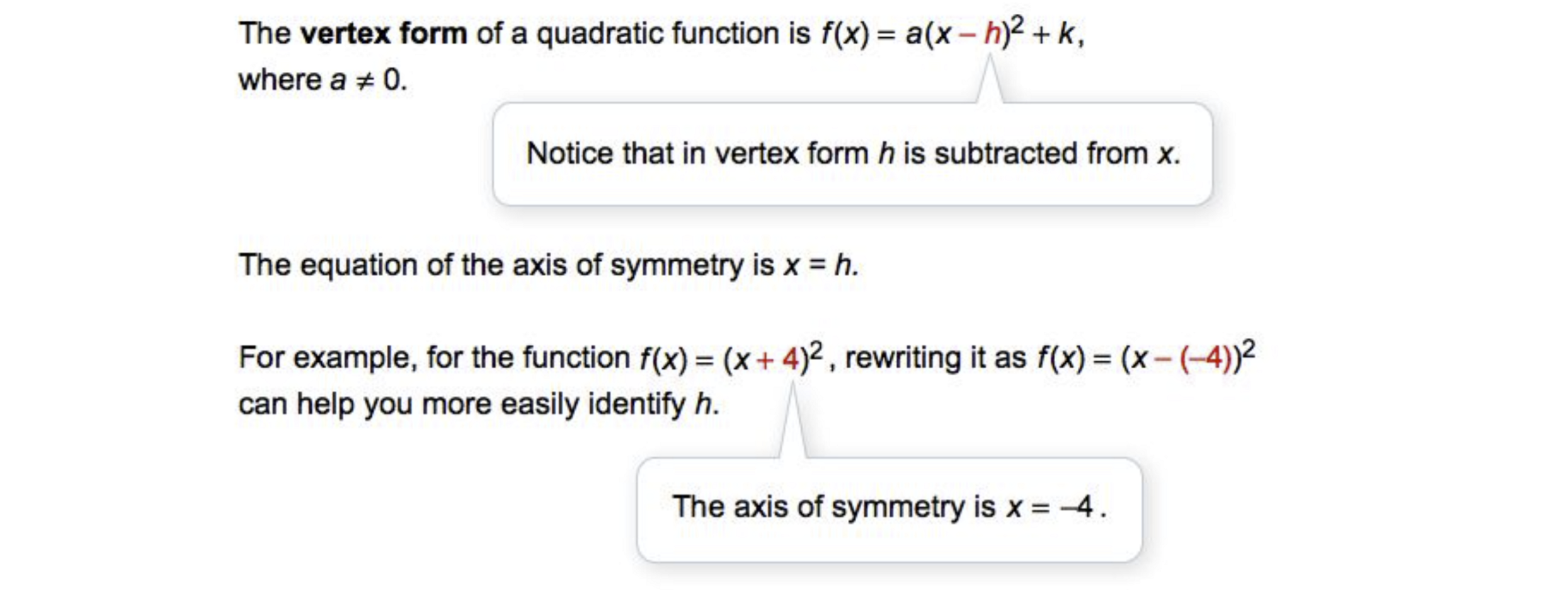
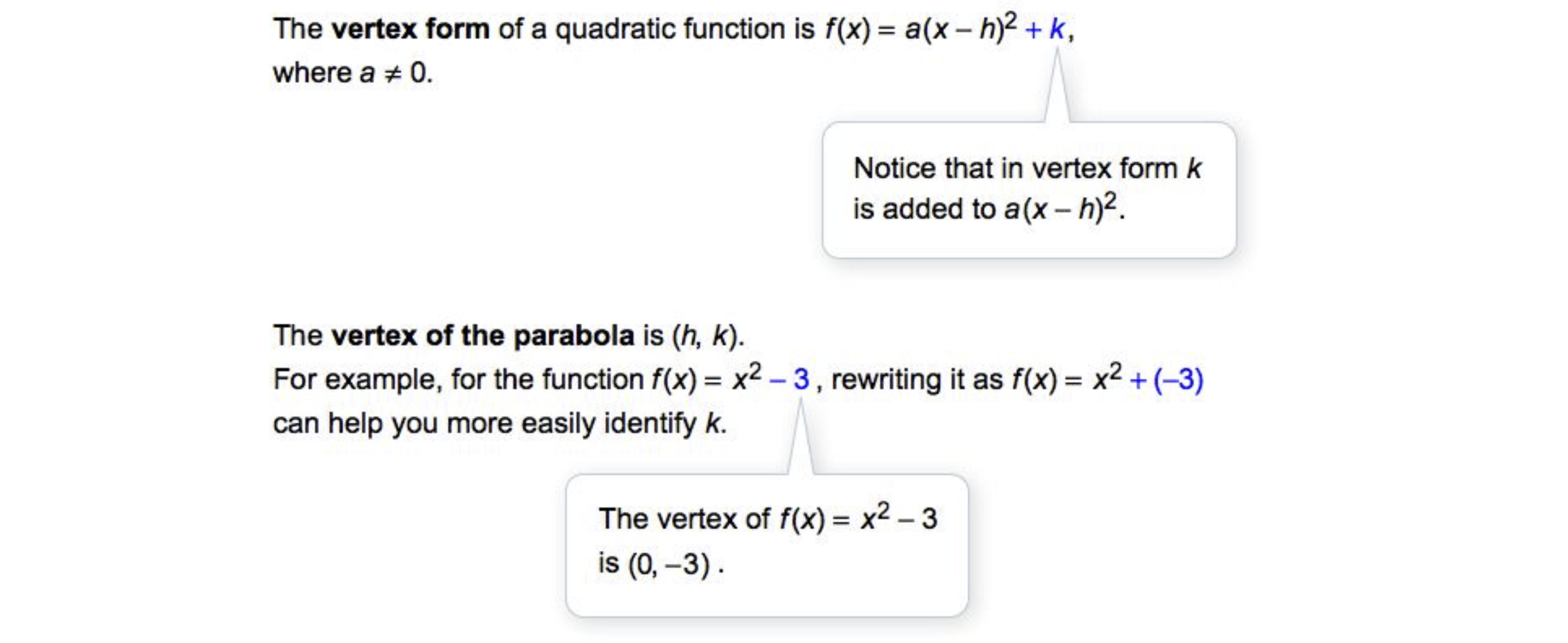
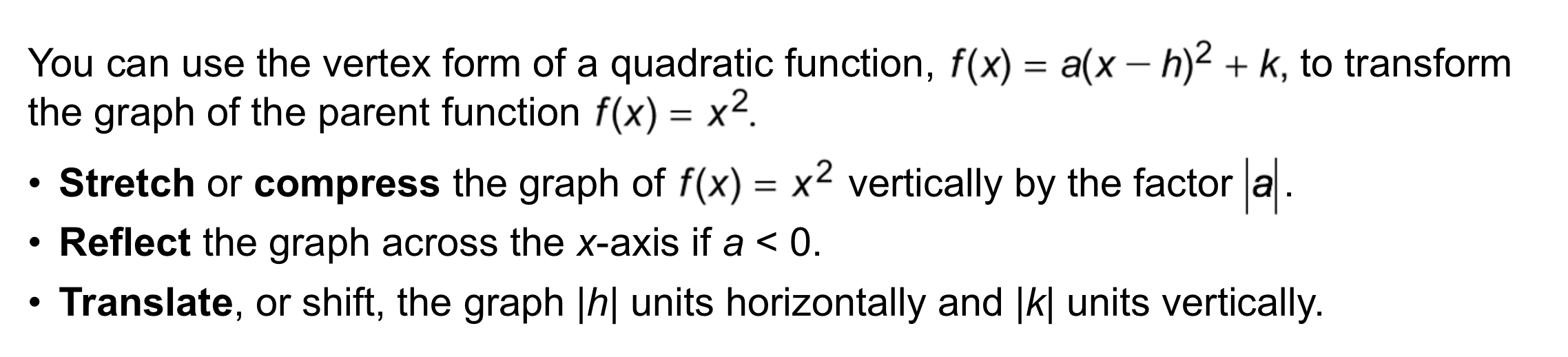
Another form, vertex form, is so named because it reveals the vertex of the parabola it creates when graphed.

Write the general vertex form of a quadratic function in the response field (assume that a ≠ 0).

HINT: Your equation should include f(x), a, x, h, and k.

Pitanje 7
7.

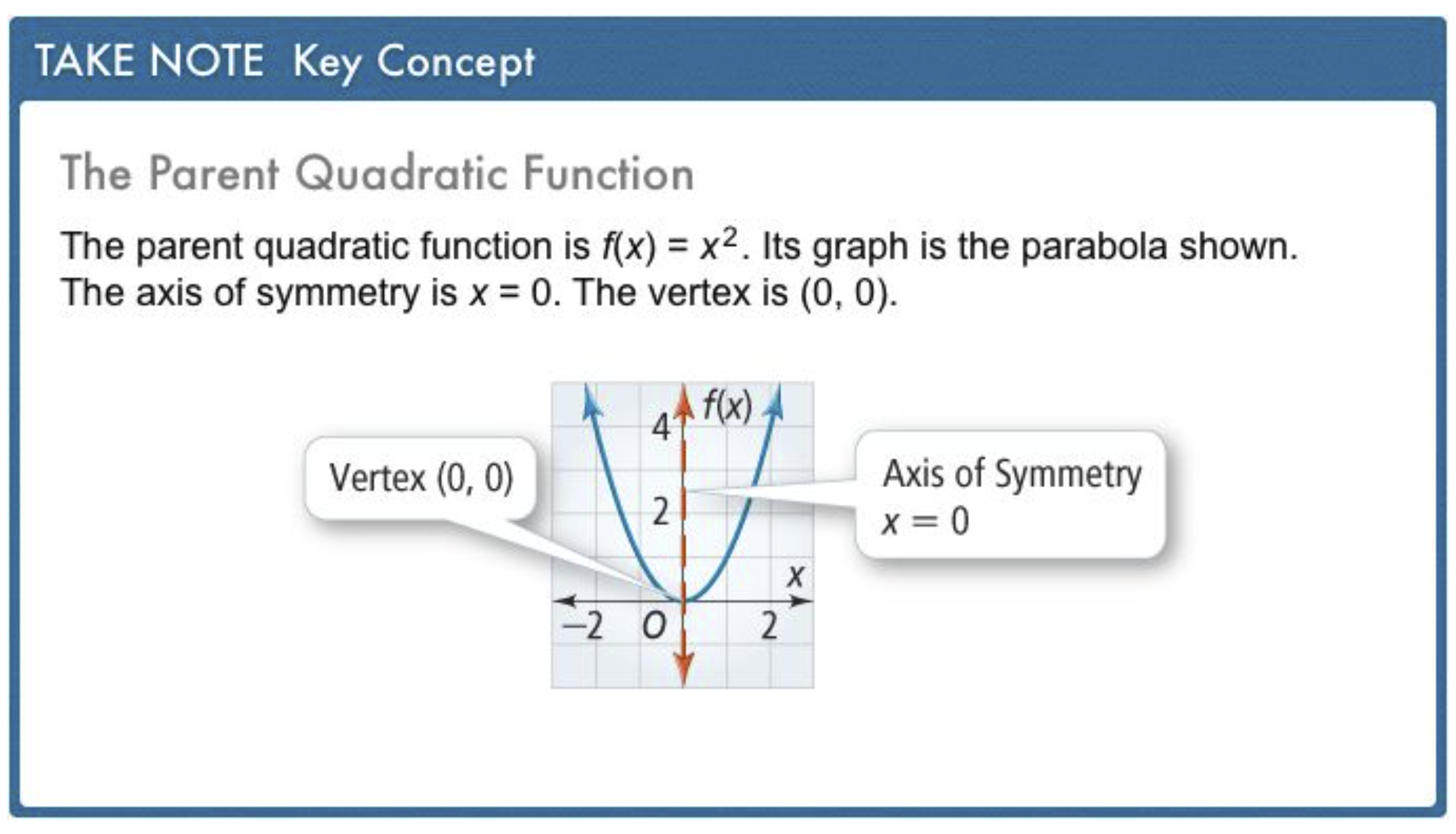
Take Note: Define axis of symmetry of a parabola. Also, sketch and label the axis of symmetry of the parabola on the canvas using a contrasting color.

Pitanje 8
8.

Take Note: Define vertex of a parabola. Also, label the vertex of the parabola on the canvas using a contrasting color.

Pitanje 9
9.

Take Note: Write the parent quadratic function in the response field. Also, sketch the parent quadratic function on the canvas using a contrasting color.

g(x) is f(x) translated down 3 units

g(x) is f(x) translated up 3 units

h(x) is f(x) translated up 1 unit

h(x) is f(x) translated right 1 unit

Pitanje 26
26.

Take Note: Consider transformations of the graph of a quadratic function written in vertex form.

What impact does the value of a have on the graph? Select all that apply.

Pitanje 27
27.

Take Note: Consider transformations of the graph of a quadratic function written in vertex form.

What impact does the value of h have on the graph? Select all that apply.

Pitanje 28
28.

Take Note: Consider transformations of the graph of a quadratic function written in vertex form.

What impact does the value of k have on the graph? Select all that apply.