E-Lesson 09 - CSR (the garment industry / Rana Plaza)
star
star
star
star
star
Last updated almost 7 years ago
45 Nsɛmmisa
1
1
1
1
1
1
1
1
1
1
1
1
1
1
1
1
1
1
1
1
1
1
1
1
1
1
1
1
1
1
1
1
1
1
1
1
1
1
1
1
1
1
1
1
1
Enter your first name (ex: Pierre)
Enter your last name (ex: Dupont)
Enter your Skema Student ID number:
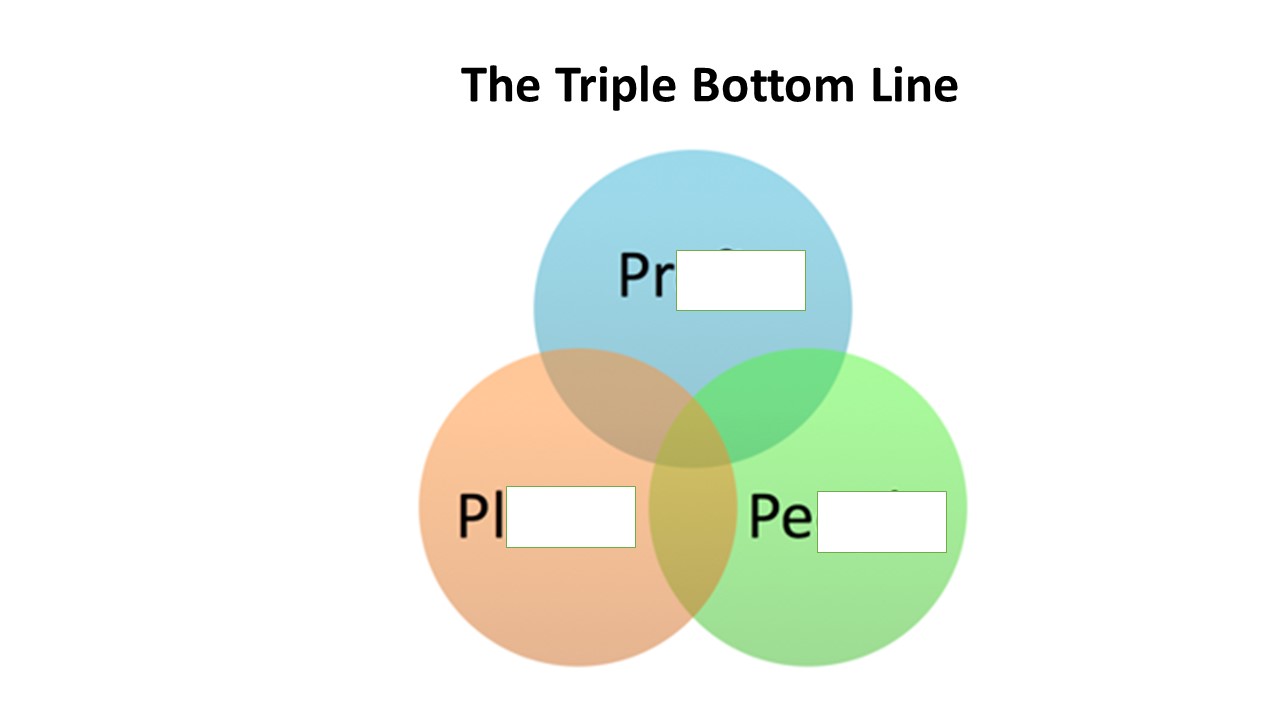
What does CSR stand for? C_____________ S___________ R_________________
Pr______ (blue circle)
Pl______ (orange circle)
Pe_______ (green circle)
Can you give some examples of CSR / business scandals which negatively affected either people or the environment?
The opposite side: Can you name some ethical and responsible companies? Companies which do good to either society or the planet?
Annually, we sell and buy t_____ b___________ t-shirts globally.
What are the top 3 countries that produce cotton and thus are the beginning for the life cycle for a typical t-shirt? (choose 3)
Cotton plants require huge quantities of water and ____________.
How many liters of water are needed to produce the average t-shirt? (put only the number)
This amount of water is enough to fill approximately13 bathtubs.
Cotton uses more insecticides and pesticides than any other crop in the world.
These pollutants negatively affect all of the following EXCEPT:
Organic cotton comprises of less than 1% of all the cotton produced worldwide.
The bleaches and azo dyes used to color the t-shirts also contain: (choose as many that are mentioned in the video)
T-shirt factories are often in which countries? (choose all that are mentioned in the video)
Which country has surpassed China as the world's biggest exporter of cotton t-shirts?
Unfortunately, the workers in these t-shirt factories have poor conditions and low ________.
Clothing production accounts for 10% of global emissions.
Today, approximately how many garments (items of clothing) are produced each year?
In America, the average _________________ does nearly 400 loads of laundry per year each using about 40 gallons (about 151 Liters) of water.
Fashion is the world's 2nd largest polluter. What is the 1st?
What are some things we can do to reduce our impact? (choose all that apply)
Unpaid workers who left help notes in Zara clothes have received nothing
Many of workers who slipped pleas for help into the pockets of Zara clothes they made have
reportedly still not been paid despite an international outcry.
Some 140 Turkish workers at the Bravo Tekstil factory claimed they had not received three
months’ worth of back wages and severance after the factory shut suddenly in the summer of
2016 earlier this month.
It is understood the owner of the company, which made clothes for high street brands such
as Zara, Mango and Next, has disappeared.
Their plight came to light when the Clean Clothes Campaign, an activist group trying to
improve conditions in the garment industry, teamed up with the workers to slip notes into the
pockets of clothing in stores across Istanbul begging for help. The notes, in Turkish, said: “I
made the item you are going to buy, but I haven't been able to get my money!” The group
said they targeted Zara in particular because 75 per cent of the work they did was for that
country.
The news prompted outrage around the world, with 293,000 million people signing a
Change.org petition directed to Inditex, Zara’s parent company, demanding they pay the lost
wages. In response Inditex, along with Mango and Next, said they had already set up a
hardship fund for the workers which would be overseen by the global trade union for garment
workers, IndustriALL. But the garment workers said many of them had been excluded from
the fund because it was reportedly only designed to compensate the 77 workers IndustriALL
deemed “blue collar”, CBC News reported. They classified 63 workers as “white collar” –
meaning they had some seniority or did not work on the factory floor – and said this meant
they were not entitled to compensation. (…)
The Clean Clothes Campaign’s representative in Turkey, Bego Demir, said the distinction
between white and blue collars is arbitrary and illegal. (…)
Inditex has previously been vocal about the need to improve labour conditions in the garment
industry. Last month it sent out a press release about a meeting between its CEO, Pablo Isla,
and the Director-General of the International Labour Organisation, Guy Ryder, in Geneva,
Switzerland to “explore the progress made to date” on initiatives to improve conditions in
“China, India, Brazil, Indonesia, Turkey and Cambodia”.
During the meeting, Mr Isla stressed “Inditex’s firm commitment to the ILO conventions, on
which our Code of Conduct for Manufacturers and Suppliers is based, and to the United
Nations Sustainable Development Goals, especially those related to decent working
conditions”. Their Code of Conduct states: “Manufacturers and suppliers shall also ensure that
wages and any other allowances or benefits are paid on time and are rendered in full
compliance with all applicable laws and specifically, that payments are made in the manner
that best suits the workers.” (…)
486 words
Caroline Mortimer, The Independent, 24 November 2017
indemnités de licenciement
vêtement / textile
plaidoyer
tollé
militant
high street
situation critique
syndicat
mendier
indignation
société mère
ouvrière
engagement
fournisseur
avantages
convenir
What are the advantages to a corporation for being socially responsible?
Who should be held responsible for a company's mistakes? The owner? The CEO? The government? Someone else? Why?
If you were a judge, how would you handle a case where someone contracted a deadly disease as a result of a corporate disaster? Discuss any factors that would influence your decision.