The Inca
It was the western hemisphere's largest empire ever, with a population of nearly 10 million subjects. Yet within 100 years of its rise in the fifteenth century, the Inca Empire would be no more.
The Powerful Inca Empire
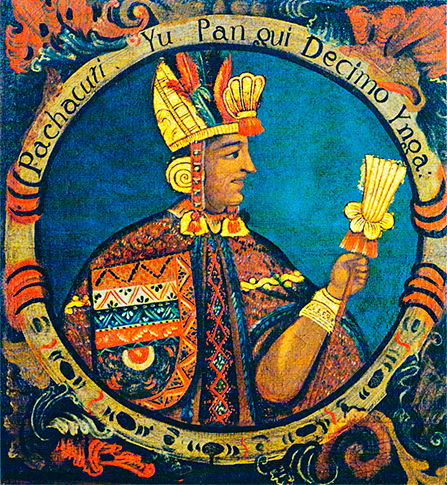
Pachacuti Sapa Inca was a master strategist who expanded the Inca empire by taking over enemy territory both by force and through peaceful negotiation.
Quipu

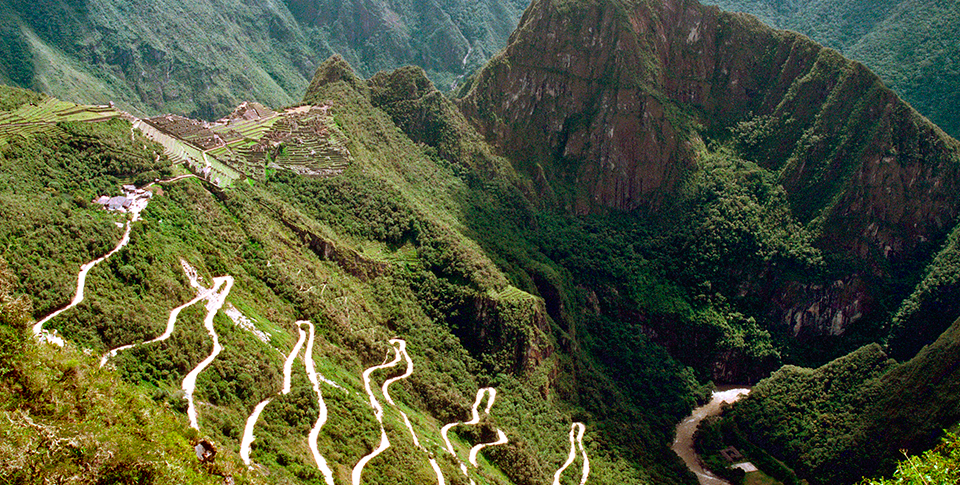

Machu Picchu, built at the height of the Inca empire, is a complex located almost 8,000 feet above sea level. It is composed of some 220 structures that were used for agricultural, ceremonial, and astronomical purposes.
Inca Life

The Inca used stone retaining walls to build terraces for farming, selecting varying types of stones for the best water retention and drainage. The retaining walls trapped heat from the sun during the day and kept plant roots warm by releasing that heat at night.
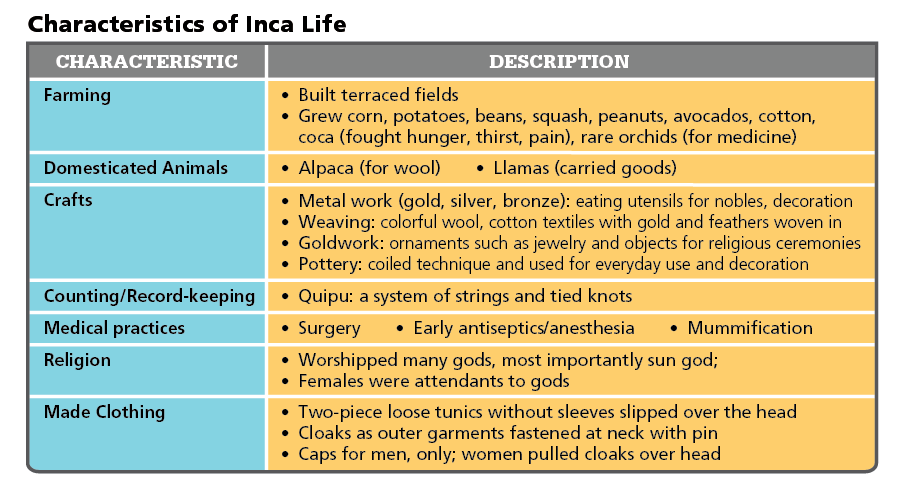

Astronomy was an important part of Inca religious beliefs. The Inca worshipped the sun god as their primary deity, and they placed buildings and art in locations that would best reflect the sun. They used the moon to calculate timing for planting and harvesting crops.