Prehistory Unit Assessment (Modified)
star
star
star
star
star
Last updated almost 6 years ago
15 Nsɛmmisa

2
2
2
2
2
2
2
2
2
2
2

2
2
5
6
Standard I: Explain how artifacts and other archaeological findings provide evidence of the nature and movement of prehistoric groups of people.
• Identifying terms used to describe characteristics of early societies and family structures.
• Identify the birth of Christ as the basis of the Gregorian calendar used in the United States since its beginning and in most countries of the world today, signified by B.C. and A.D.
• Use vocabulary terms other than B.C. and A.D. to describe time (B.C.E. and C.E.).
• Identify terms used to describe characteristics of early societies and family structures.
(DOK 1) Early humans migrated to the continent of Australia _____ years ago.
(DOK 1) The oldest Homo sapiens fossils have been discovered on which continent?
(DOK 1) The term "nomadic" or "nomad" means to
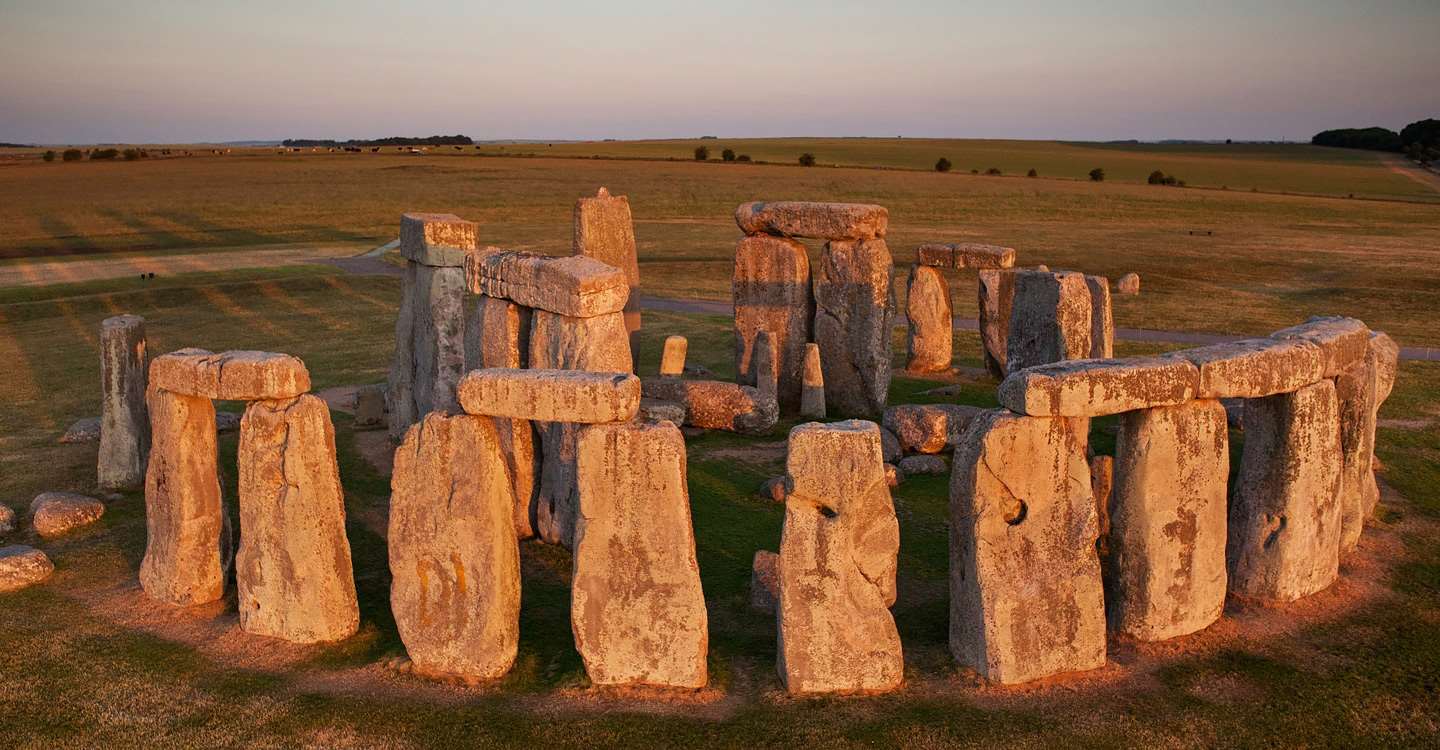
(DOK 1) What is the name of this archaeological site?
(DOK 1) Which of the following resulted from having a surplus of food during the Neolithic Age?
(DOK 1) In the terms "prehistoric" and "prehistory," the part pre means
(DOK 1) The term "Homo sapiens" means
Çatalhӧyük has grown to several thousand people who live in different parts of the village. Artisans tend to live in their own neighborhood; potters in one, weavers in another, smiths in another. The farmers live on the village’s edge near their fields. On the day of rest, everyone meets in a central market to trade food, cloth, copper tools and other goods.
(DOK 2) What term or phrase BEST fits the description of life in Çatalhӧyük?
(DOK 2) The Neolithic Revolution is seen as a turning point in human history mainly because
(DOK 2) Which of the following geologic changes most likely made the Earth's climate better suited to grow plants?
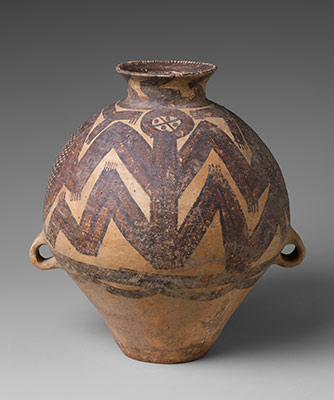
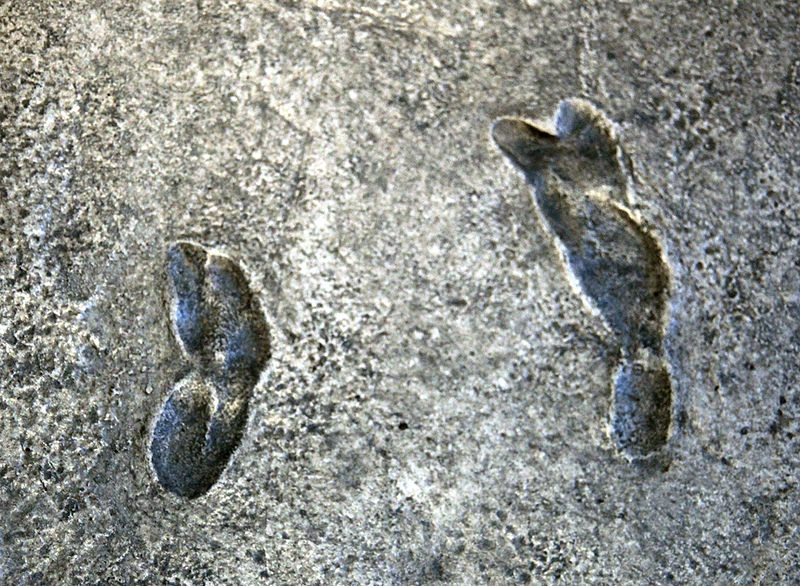
(DOK 2) The photograph of Paleolithic pottery is an example of a(n) _____ while the Laetoli footprints is an example of a(n) _____.
(DOK 2) When did humans reach South America's Peru?
(DOK 2) How many years apart are the Neolithic Age and Copper Age?
(DOK 3) Place each physical trait and/or achievement with the correct hominid species.
Jokingly referred to as the "handy man."
Had opposable thumbs that allowed them to pick up and hold objects.
Looked physically identical to modern humans.
Developed religious beliefs.
Created and controlled fire.
Australopithecines
Cro-Magnon
Homo erectus
Homo habilis
Neanderthals
(DOK 3) Place each characteristic with the correct prehistoric age - Paleolithic Age or Neolithic Age.
Domestication of animals.
Hunters-gatherers.
Used simple crude tools of stone and wood.
Nomadic lifestyle.
Settled down to live in one area.
Development of agriculture.
Paleolithic Age
Neolithic Age