Cell & Homeostasis Storyline Test

Last updated about 6 years ago
28 questions
Note from the author:
Storyline- Cells and Homeostasis-
The Athlete that died drinking too much water
vaping
2

please place in order from smallest to largest

  1. cell
  2. organ
  3. organ system
  4. tissue
  5. organism
2

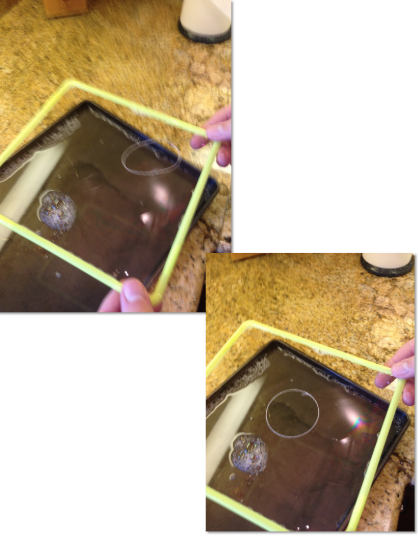
This picture is from a shared experience with your classmates from the Bubble Lab where we compared the cell membrane to soap bubbles. The bubbles show what characteristic?

2

2

This video is from a shared experience with your classmates from the Bubble Lab where we compared the cell membrane to soap bubbles. This video portrays which characteristic? Click as many that apply.

2

In passive transport (diffusion), materials move from __________ concentration to _______
concentration.

2

Draw an Arrow to Indicate which way the water will move my osmosis. (draw)
Identify the type of solution as Hypotonic, Hypertonic, or Isotonic (press the text )

2
2


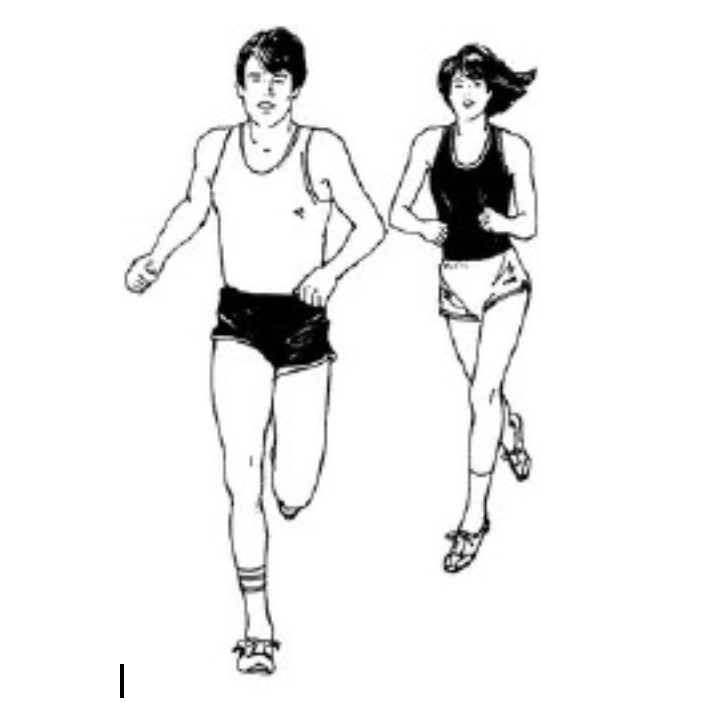
Jose and Sarah are running in the cross country meet. Their skeletal and muscular systems work to move them through the course. As they run, they breathe faster and harder and their heart rate increases.  This illustrates those body systems

2

Salty snacks like peanuts and pretzels can often be found for free at gatherings where beverages are for sale. Vendors hope that the salty snacks will make consumers thirsty so they will purchase something to drink. Why does this work?

2

Ms. Smith told her students to do 30 jumping jacks without stopping. When everyone had completed the jumping jacks, she asked the students to look around and observe each other. She said, "What do you notice about each other that is different from before you did the jumping jacks?"
The changes that the students observed, rapid breathing and sweating, would be classified as a __________ to a change in a system.

2

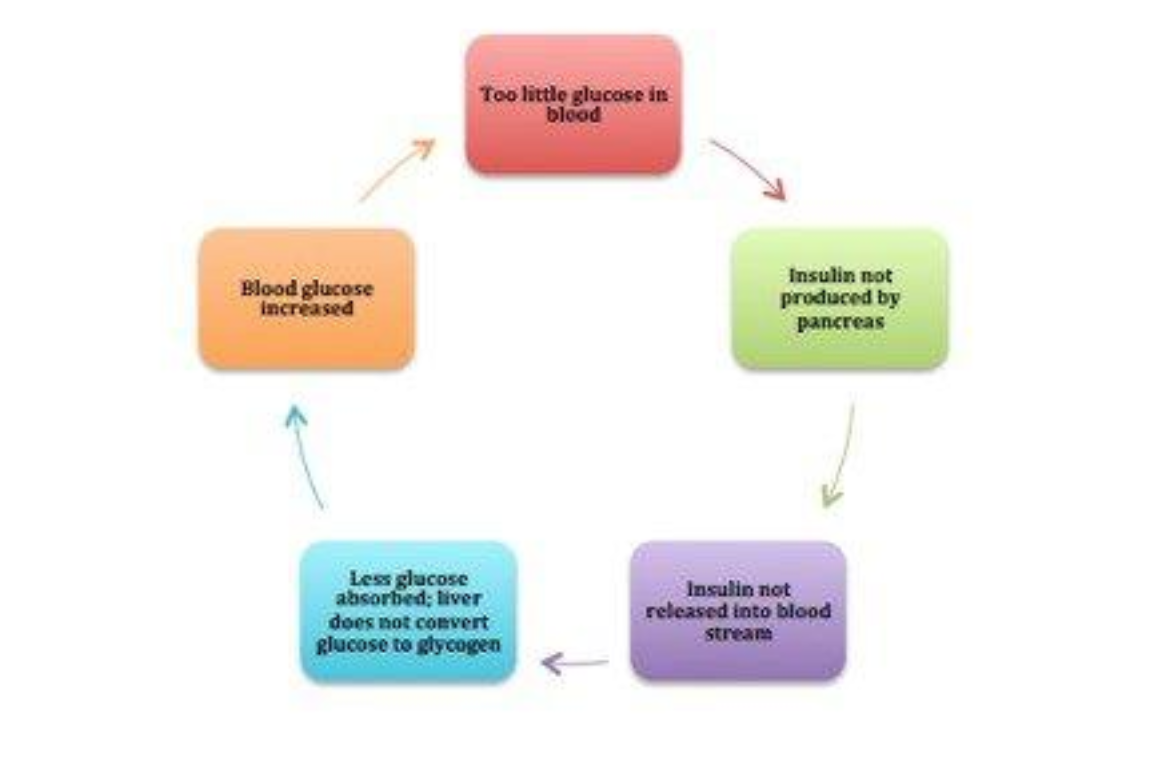
According to the flow chart, if blood glucose is low insulin is not released into the bloodstream and

2

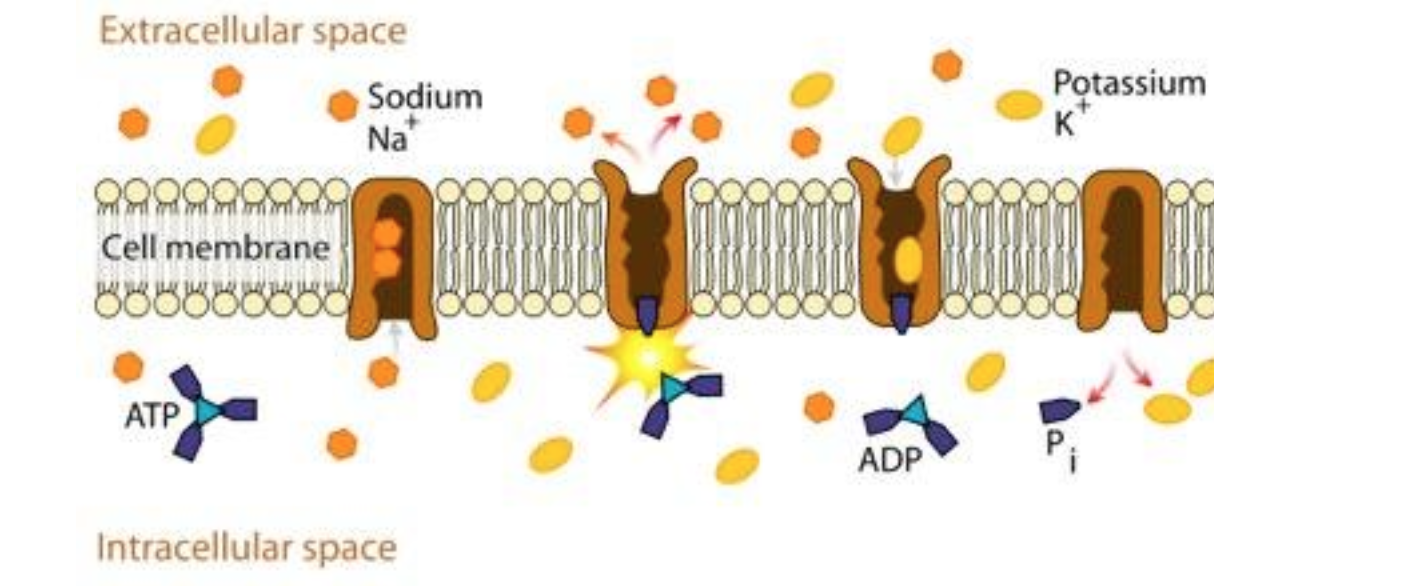
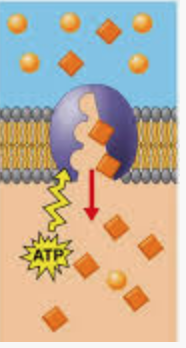
The picture shows the active transport of ions by the sodium-potassium pump. How is diffusion different from this process?

3

Draw an arrow below from the words to the correct picture

2

The dispersal of perfume in a in a room is an example of

2

Getting rid of the cell of material by discharging it from sacs at the cell surface is called

2

If an animal cell were placed in a solution of salt water taken from the ocean, what would happen to the cell?

2

Both prokaryotes and eukaryotes have this structure. It helps maintain homeostasis and it is a boundary between the inside of the cell and the outside environment. It is the

2

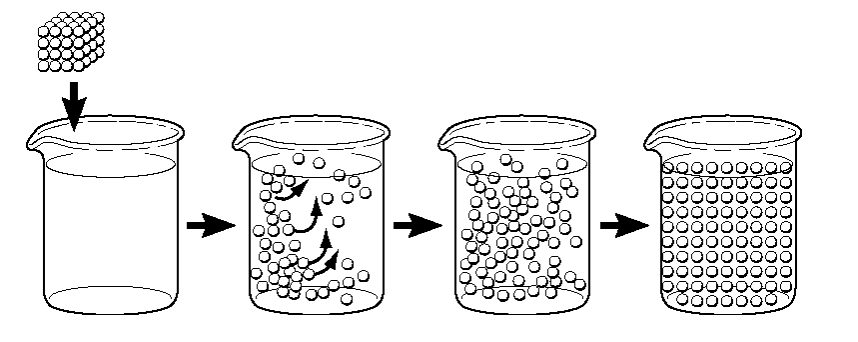
Refer to the illustration below. The process shown is called (It's like putting food coloring in water)

2

What type of Transport uses energy to pump molecules across the membrane through a protein channel.

2

Place these statements in order that correleate with the Negative Feedback Loop examples that we did in class

  1. Normal blood glucose (sugar) levels
  2. Receptors in the pancreas detect excess glucose
  3. Pancreas releases insulin to the liver
  4. Blood glucose (sugar) levels rise too high
  5. Insulin in liver converts glucose into glycogen
2

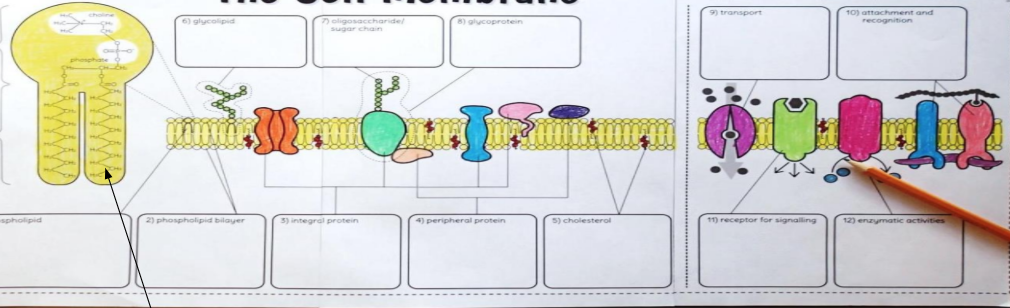
In class, we modeled the Cell Membrane on a colored picture.

Explain why the Cell membrane is considered a fluid mosaic model

2

Below is a phospholipid, a component of the cell membrane. Draw an arrow to indicate what part of the phospholipid is hydrophobic and which part is hydrophilic

2

Read the paragraph below and type your answers for #1. For 2-4 you can highlight/draw a line or circle.

2

The main storyline was about an athlete that died drinking too much wahter. From what you have learned, Why are athletes more succeptible to Hyponatremia?

3

The second phenomenom we learned in class was about Vaping. Based on what you have learned, Explain how Vaping will disrupt Homeostasis And describe how it affects Cell transport

6

Read each statement and drag the words "Active or Passive" to the column of the correct choice.

  • Passive
  • Active
  • Materials move down a concentration gradient.
  • Requires energy.
  • Materials move against the concentration gradient.
  • Materials move from high concentration to low concentration.
  • Tends to move small, nonpolar molecules across the cell membrane.
  • Tends to move large, polar molecules across the cell membrane.
7

Types of Transport (put a X on ALL columns that apply. Some may be checked more than once.)

4

Types of Osmotic Solutions. Drag the type of solution to the correct statement. May be used more than once.

  • Hypotonic solution
  • Hypertonic solution
  • Isotonic solution
  • Causes cell to shrivel.
  • Same osmotic concentration as the cell.
  • Higher osmotic concentration than the cell.
  • Causes water to move into the cell.