Log in
Sign up for FREE
arrow_back
Library
Water Cycle/Clouds Test 2019
By Elaine Park
star
star
star
star
star
Share
share
Last updated over 6 years ago
20 questions
Add this activity
5
5
5
5
5
5
5
5
5
5
5
5
5
5
Question 1
1.
What are two ways that water enters the atmosphere to become water vapor?
evaporation and transpiration
condensation and crystallization
precipitation and condensation
surface run-off and groundwater flow
Question 2
2.
During which process of the water cycle does water vapor cool in the air to form clouds?
evaporation
transpiration
respiration
condensation
Question 3
3.
When run-off water seeps through porous soil, it becomes ________.
surface-water flow (surface water run-off)
transpiration
groundwater flow (groundwater run-off)
precipitation
Question 4
4.
In which part of the water cycle do plants release excess water vapor into the atmosphere?
photosynthesis
evaporation
transpiration
precipitation
Question 5
5.
What are the two driving forces behind the water cycle?
gravity and heat energy from the Sun
Earth's revolution around the Sun and gravity
thermal energy and the moon
gravity and the Earth's rotation
6
zoom_in
5
Question 6
6.
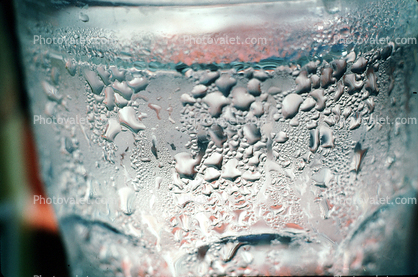
Which of the following best explains why there are water droplets on the outside of the glass?
water vapor from the air cooled into water droplets on the outside of the glass
some water from inside the glass spilled out
the glass was already wet
water vapor evaporated from the glass
Question 7
7.
Which force pulls precipitation back to Earth's surface and moves water back to sea level?
thermal energy
porous ground
gravity
magnetism
Question 8
8.
What is necessary for water to evaporate into the atmosphere?
a decrease in temperature
an increase in temperature
a decrease in gravity
an increase in gravity
Question 9
9.
What is necessary for water to condense in the atmosphere?
a decrease in temperature
an increase in temperature
a decrease in gravity
an increase in gravity
Question 10
10.
Different types of precipitation are caused by changes in _______________.
air pressure
gravity
temperature
condensation
Question 11
11.
Which type of cloud is formemd through cyrstallization?

stratus clouds
cumulonimbus clouds
cirrus clouds
cumulus clouds
12
zoom_in
5
Question 12
12.
Which cloud is most likely to produce thunderstorms?
A
B
C
D
13
zoom_in
5
Question 13
13.
Which cloud is found only high in the troposphere and is made of ice crystals?
A
B
C
D
14
zoom_in
5
Question 14
14.
Which type of cloud would you most likely see if a warm front is approaching?
A
B
C
D
15
zoom_in
5
Question 15
15.
Which cloud covers the entire sky, is blanket-like, and brings precipitation?
A
B
C
D
16
zoom_in
5
Question 16
16.
Which 2 types of clouds would most likely produce precipitation?
A and B
A and C
A and D
only B
Question 17
17.
Jane is a meteorologist. What is a possible qualitative observation that she could make?
The clouds are cumulonimbus.
The temperature is 92°F.
It will storm later.
It is storming because there are cumulonimbus clouds.
Question 18
18.
Jane is a meteorologist. What is a possible quantitative observation that she could make?
The clouds are cumulonimbus.
The temperature is 92°F.
It will storm later.
It is storming because there are cumulonimbus clouds.
Question 19
19.
Jane is a meteorologist. What is a possible inference that she could make?
The clouds are cumulonimbus.
The temperature is 92°F.
It will storm later.
It is storming because there are cumulonimbus clouds.
Question 20
20.
Jane is a meteorologist. What is a possible prediction that she could make?
The clouds are cumulonimbus.
The temperature is 92°F.
It will storm later.
It is storming because there are cumulonimbus clouds.