the standpoint (viewpoint) from which the story is told
the lesson the author wants the reader to learn from the story
the problem that the characters in the story have to deal with
What questions should a reader ask themselves to determine the point of view?
Who is the author? When was it written?
Why does my teacher want me to read this?
Who is telling the story? Who is sharing the information?
Which part of the story is my favorite?
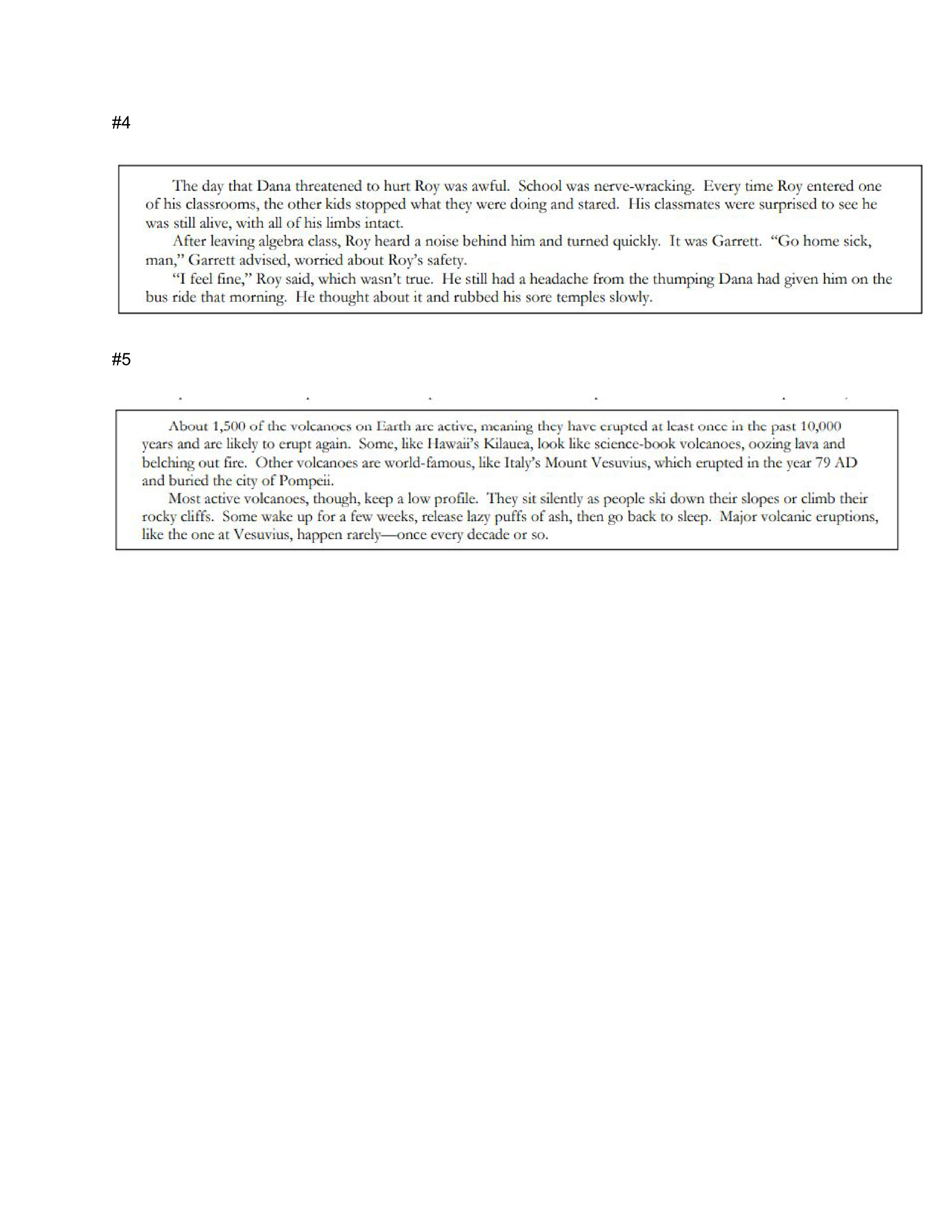
What is the different between third person limited and third person omniscient?
3rd person limited gives you the thoughts and feelings of only one character, but 3rd person omniscient gives you the thoughts and feelings of many characters.
3rd person limited gives you the thoughts and feelings of many characters, but 3rd person omniscient gives you the thoughts and feelings of only one character.
3rd person limited does not include any thoughts and feelings at all, but 3rd person omniscient gives you the thoughts and feelings of one character.
3rd person limited can only be the point of view for a short part of the story, but 3rd person omniscient can be the point of view for as long as the author wants to use it.