Asemmisa {{asɛmmisaAhyɛnsode}}
1.


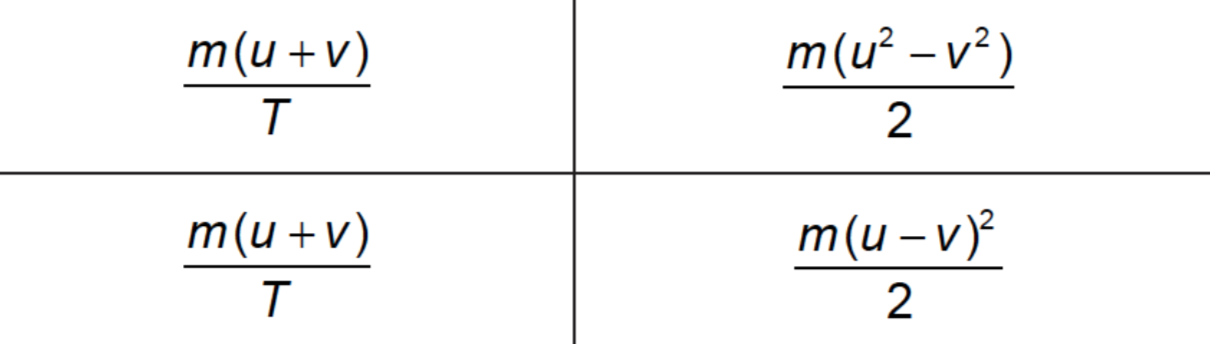



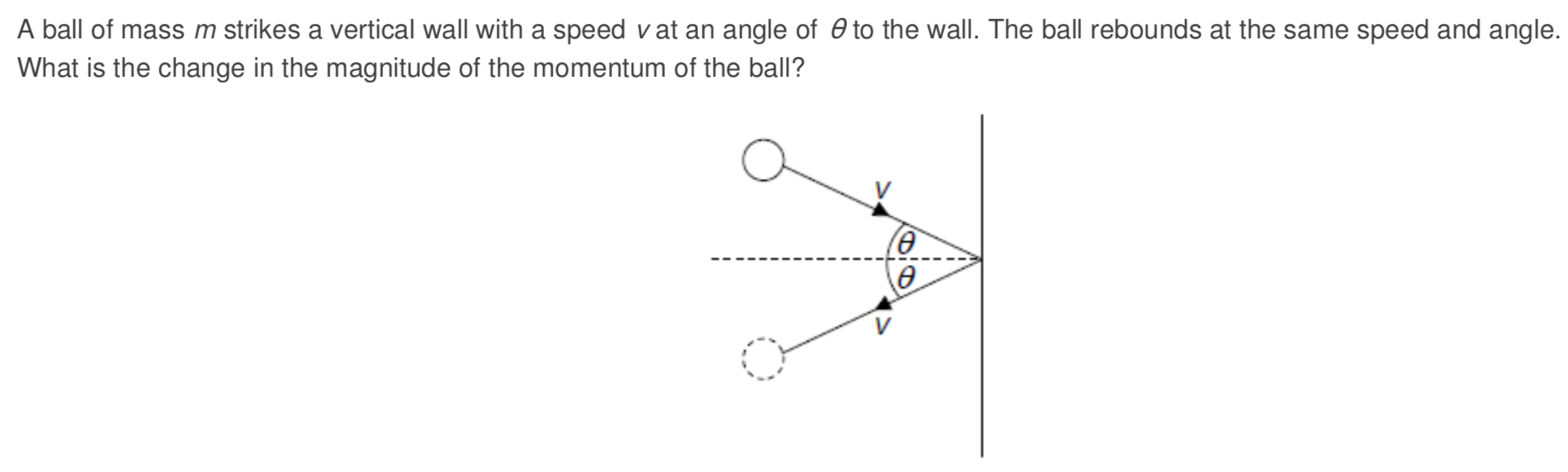
In inelastic collision...

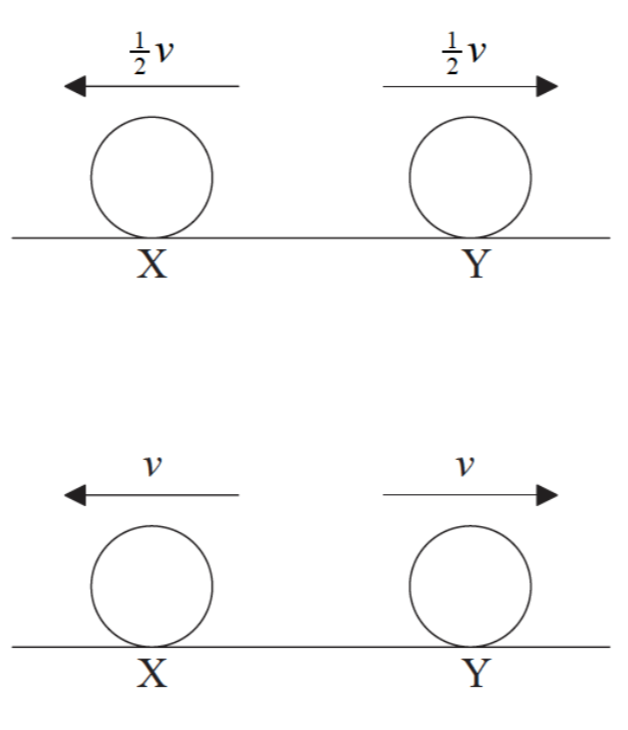

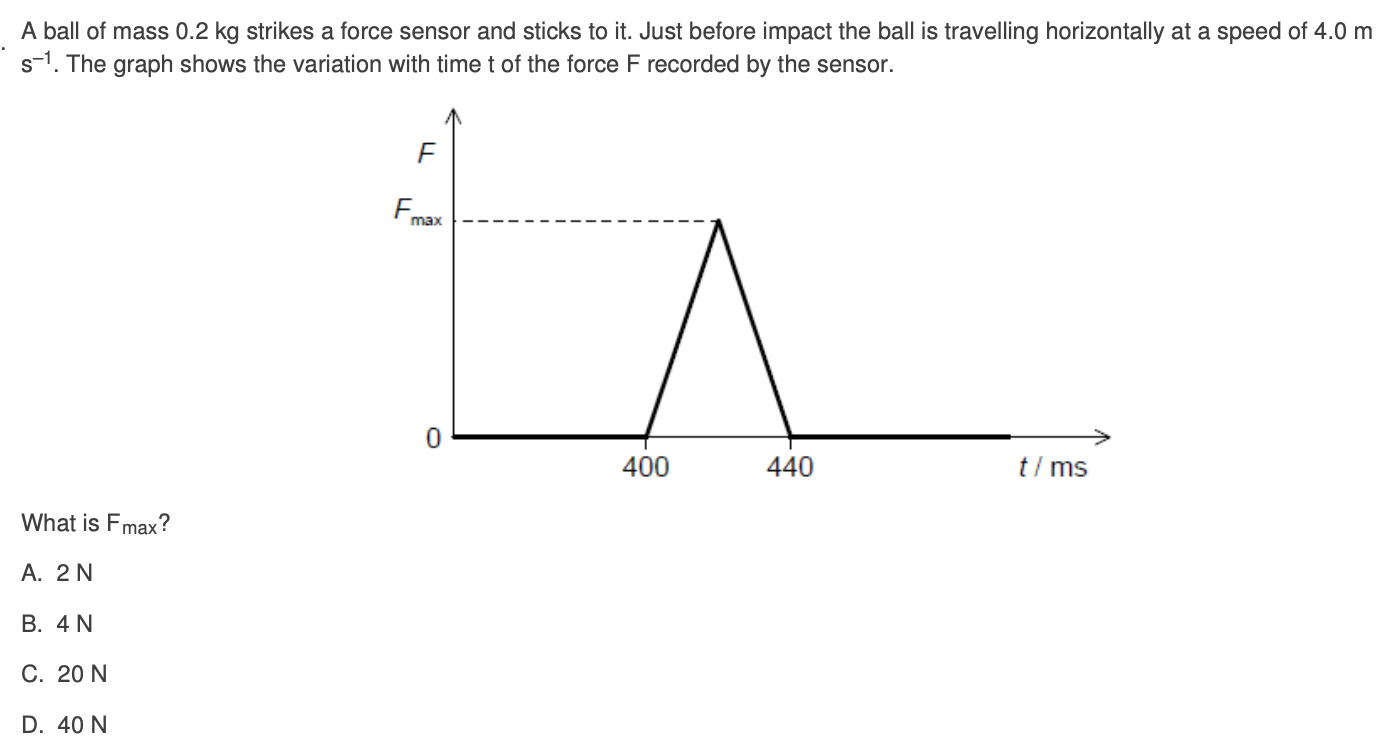
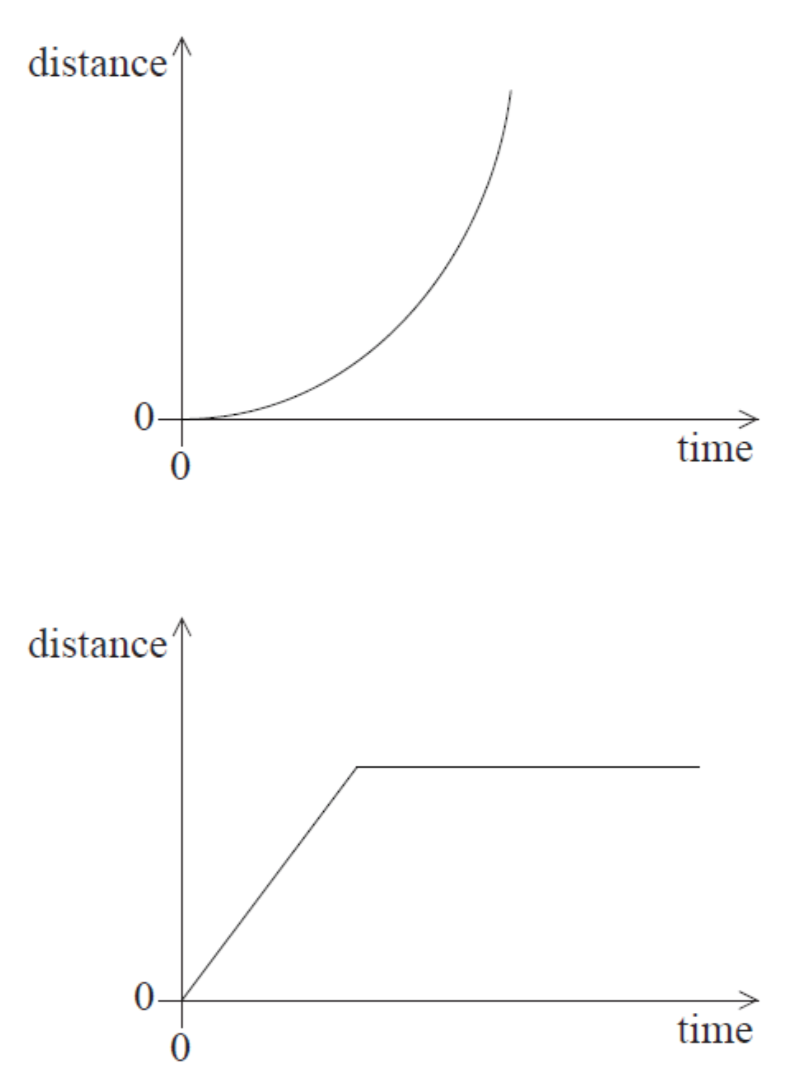
Remember in this type of graph, there is a time for stopping the object and another for changing the direction.
The momentum of a particle stays constant provided that





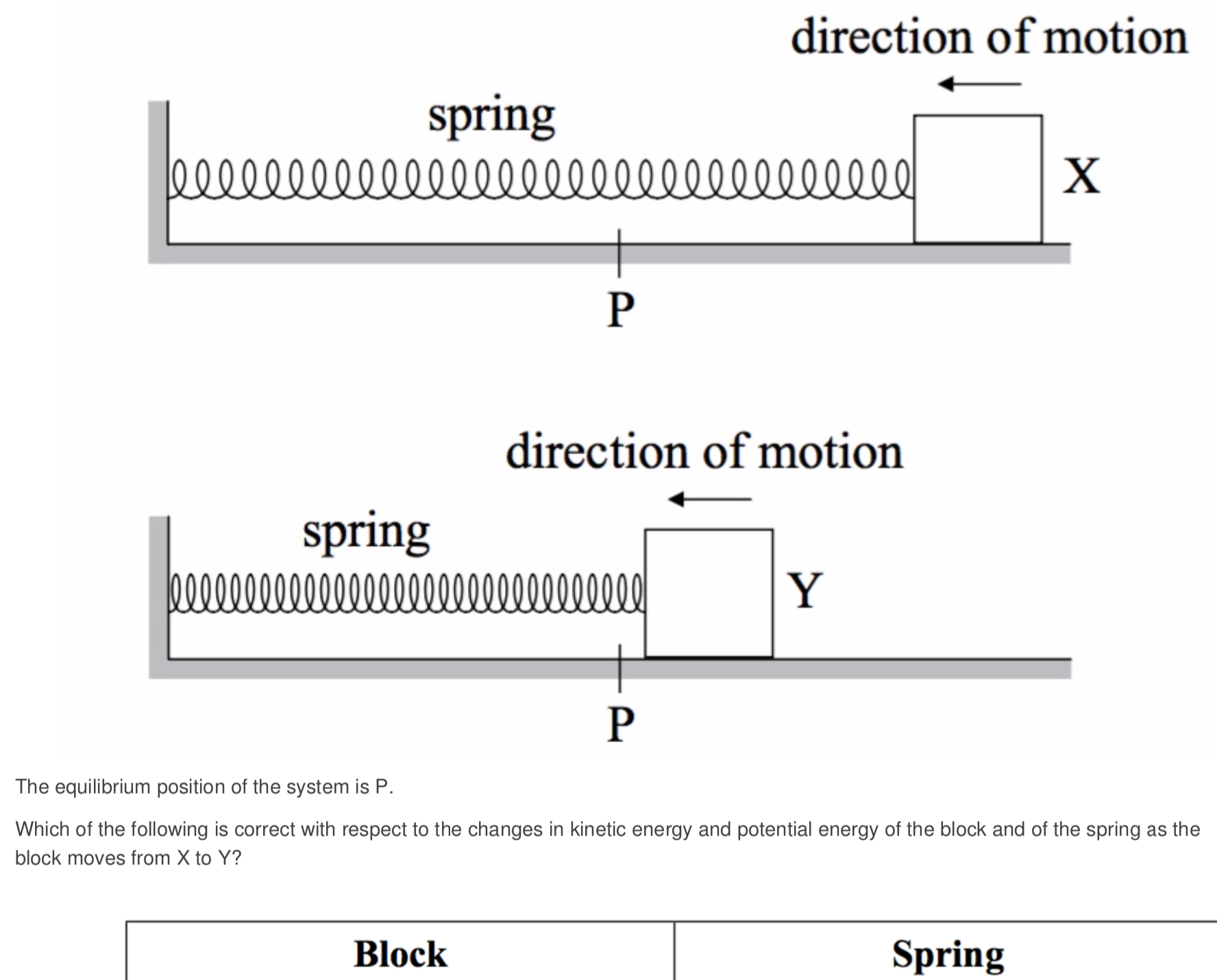


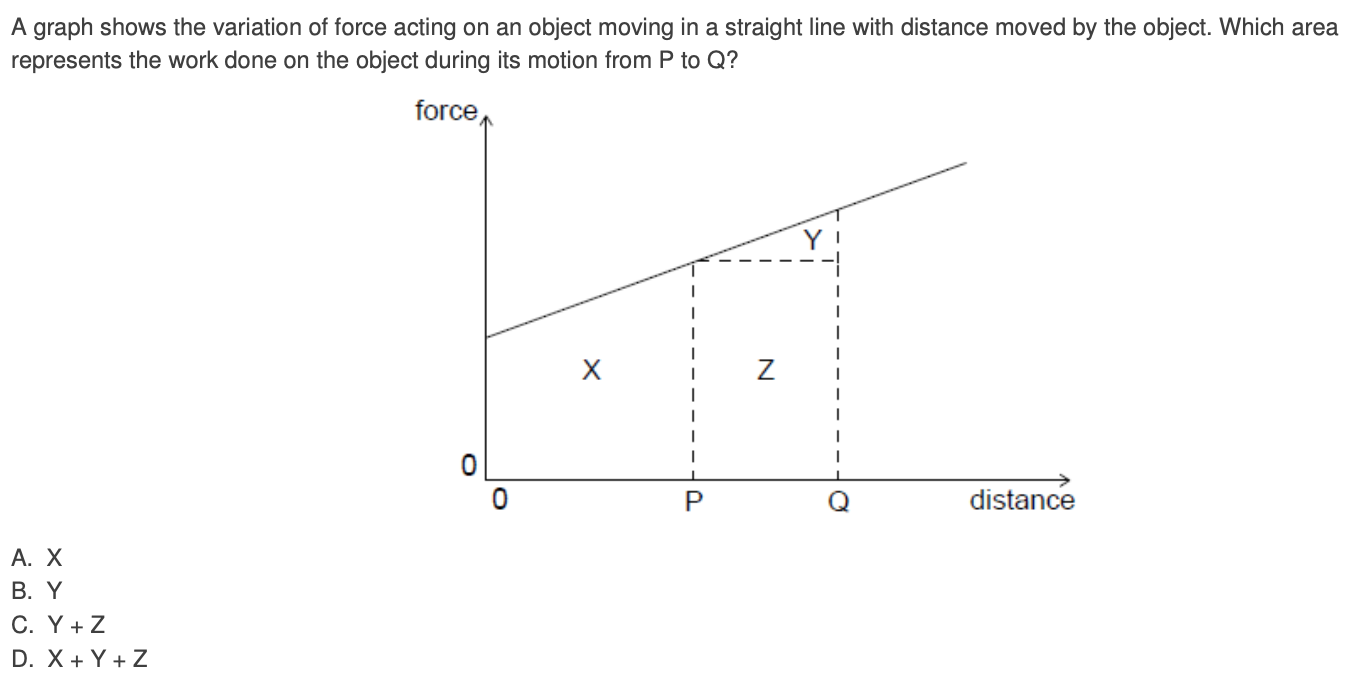
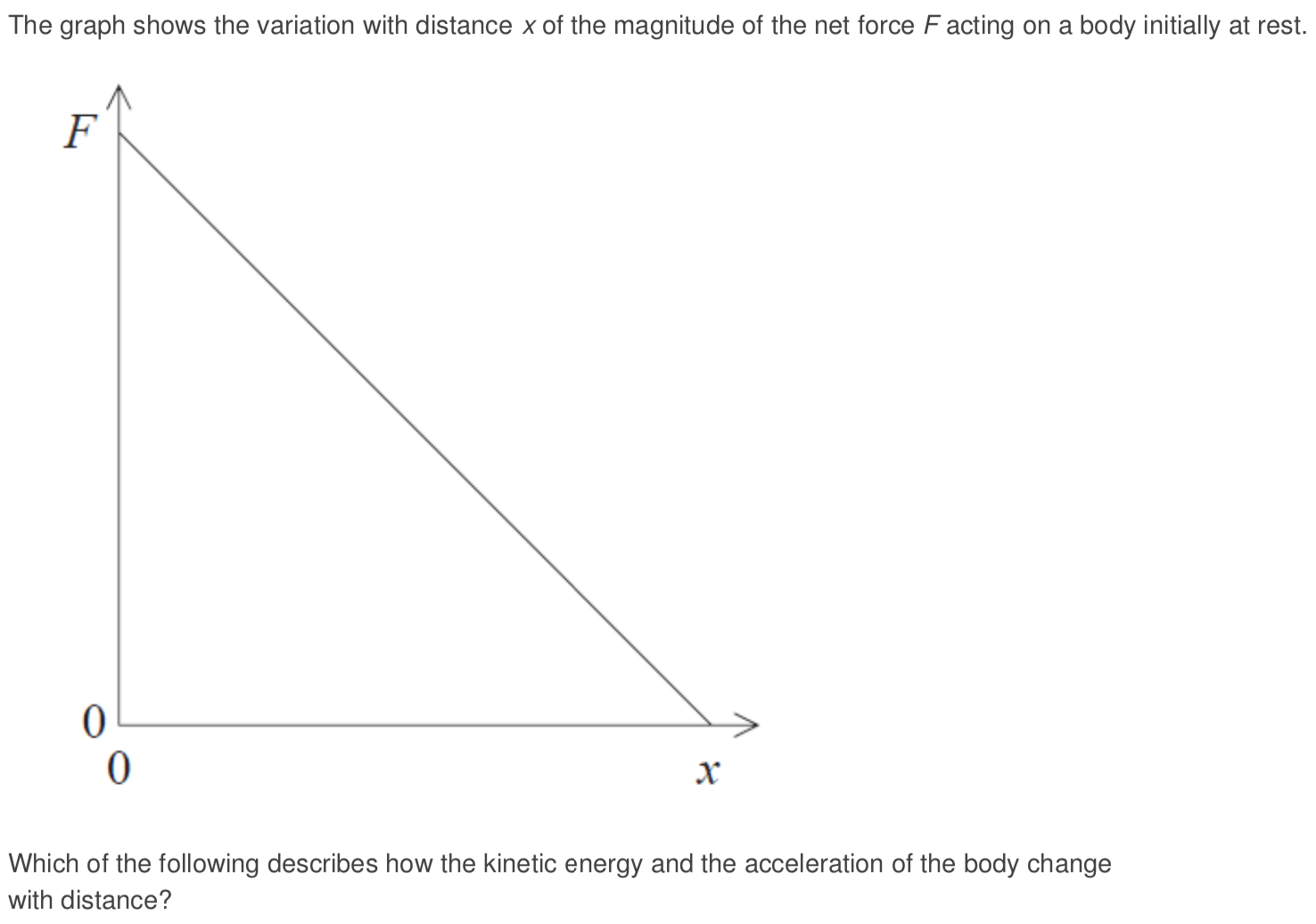

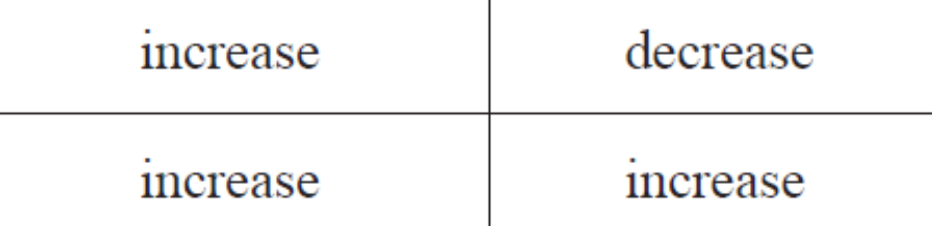

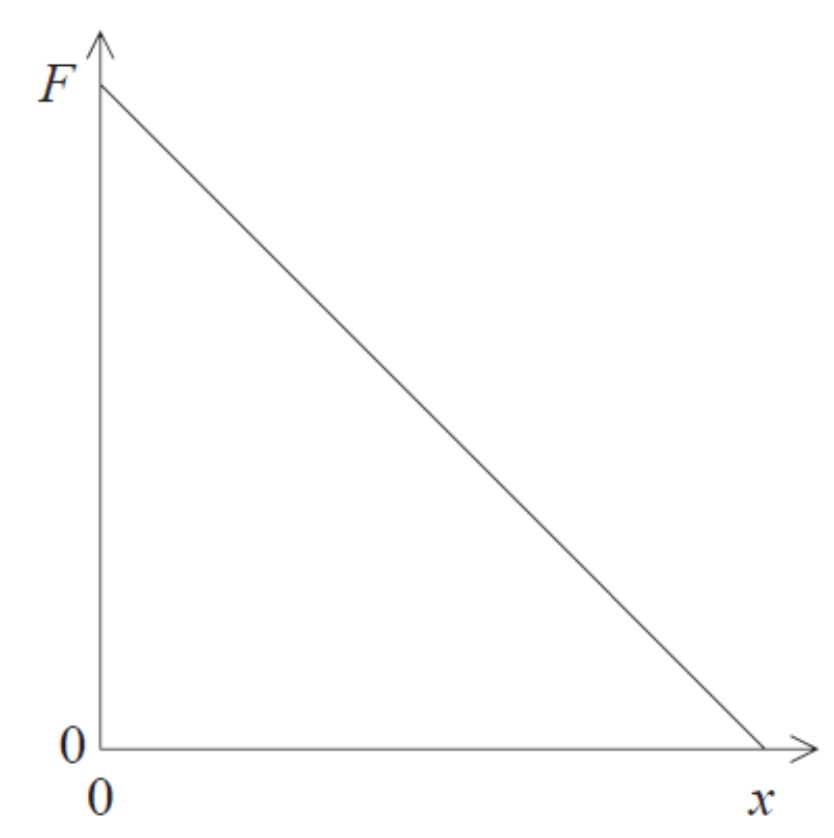
What does the area under the line represent in Force - distance graph?
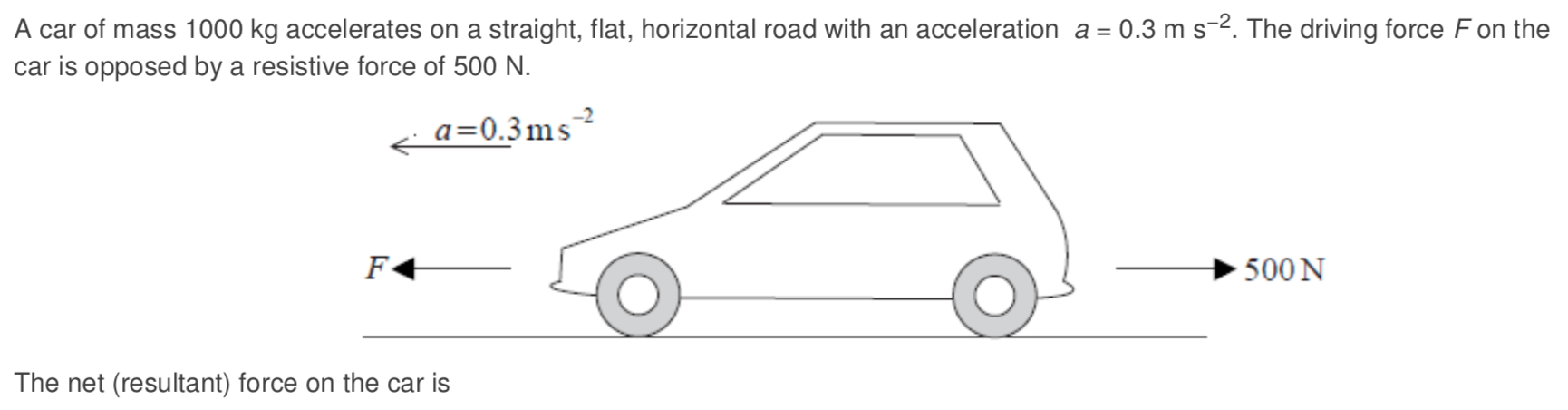
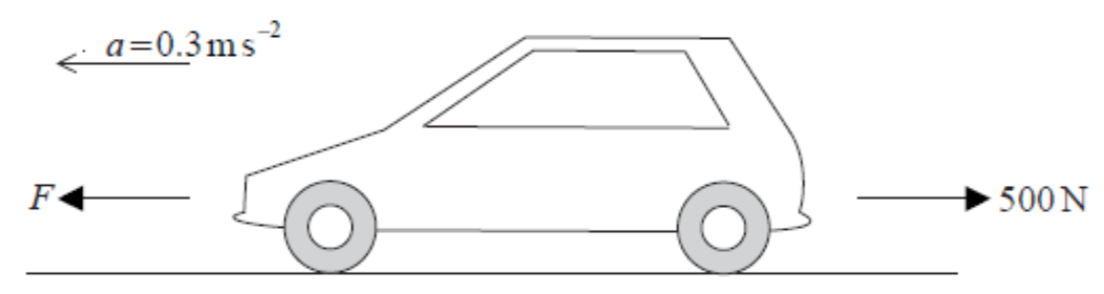
If the mass of the car is 1,000 kg, how much is the force of the engine (thrust)?
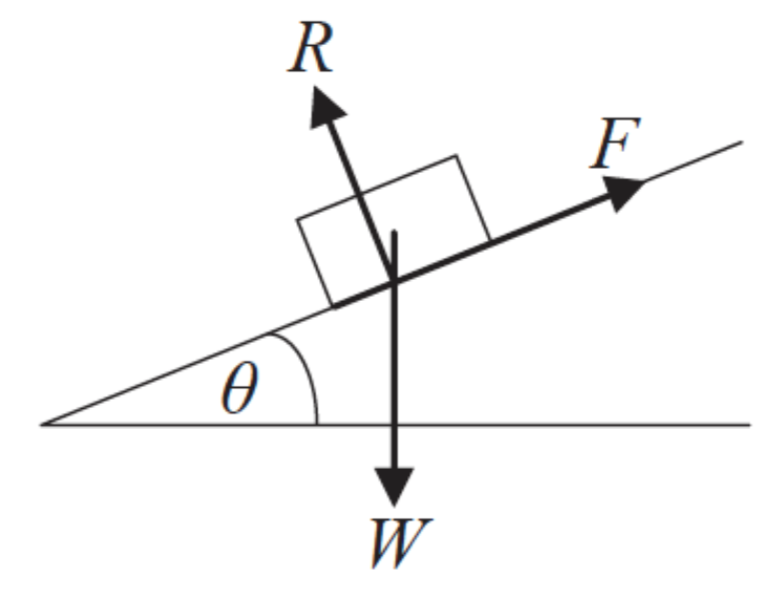
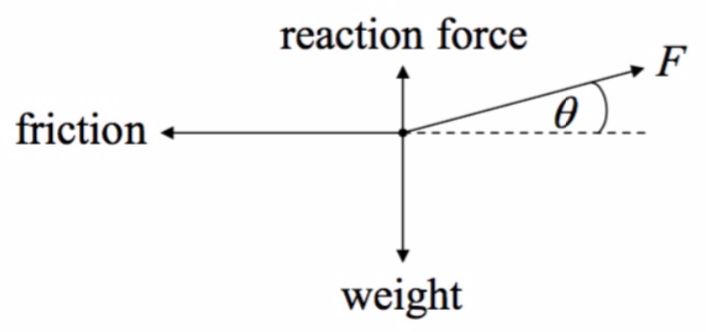
If an object is sliding down at constant speed with friction. Find the magnitude of F.
If an object is sliding down at constant speed with friction. Find the magnitude of R.
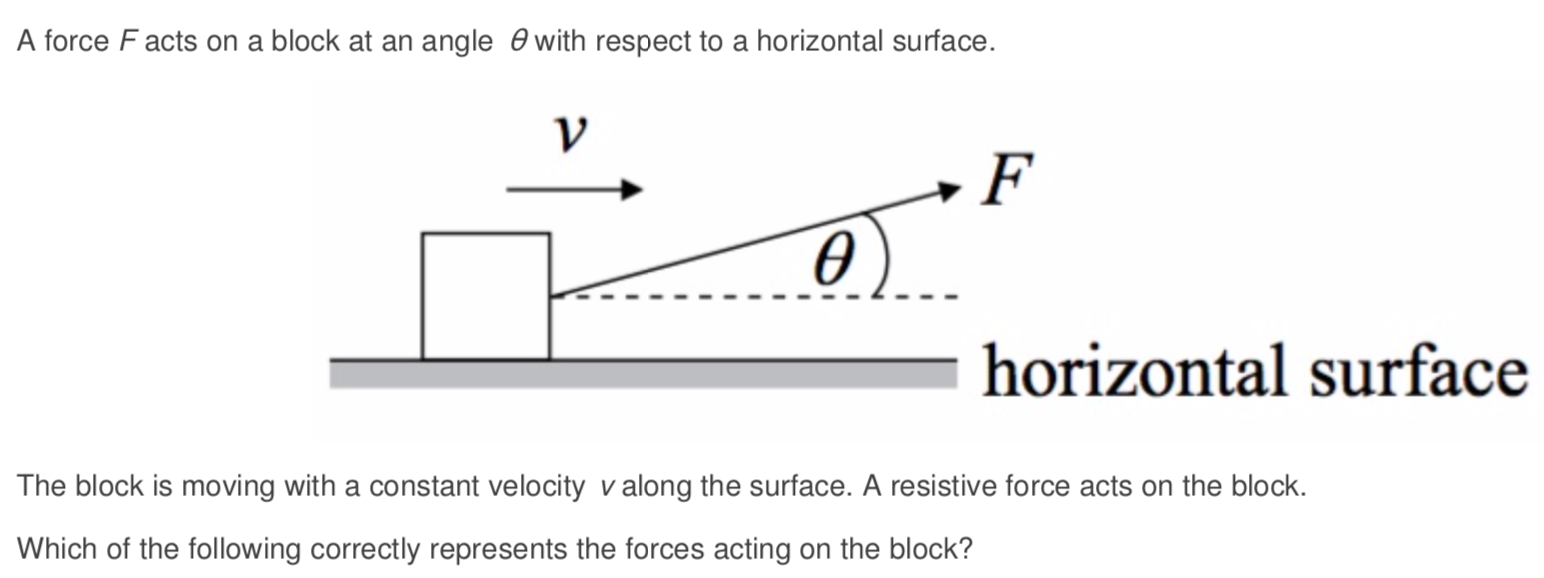
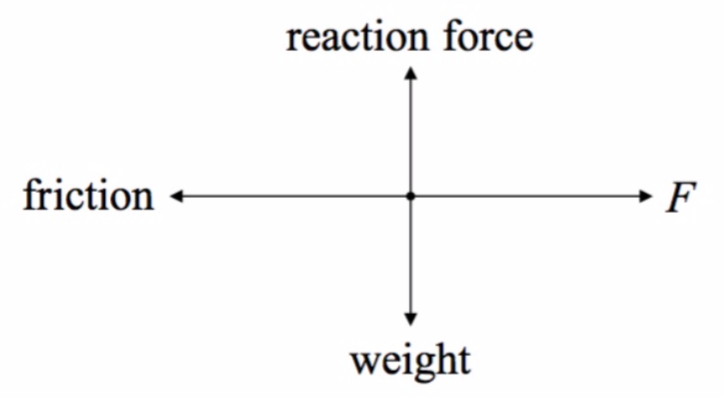
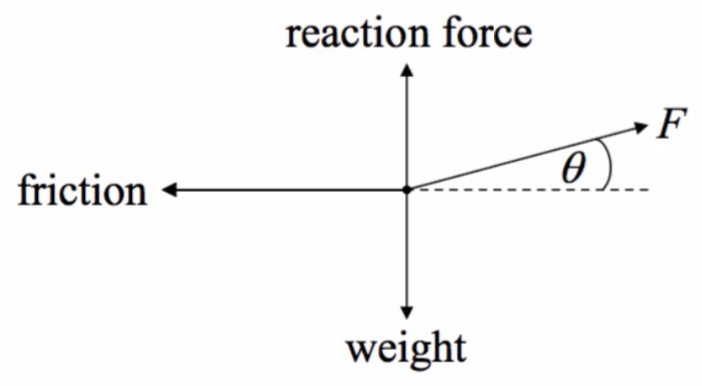



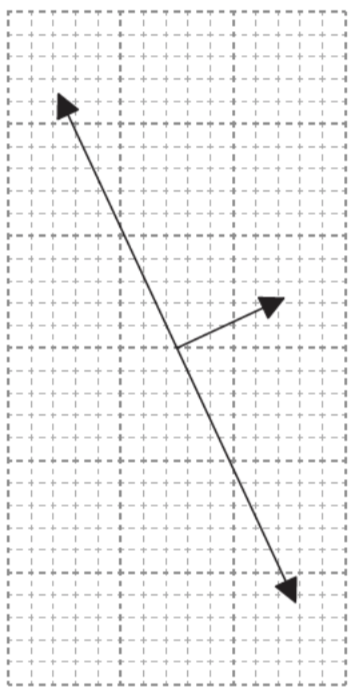
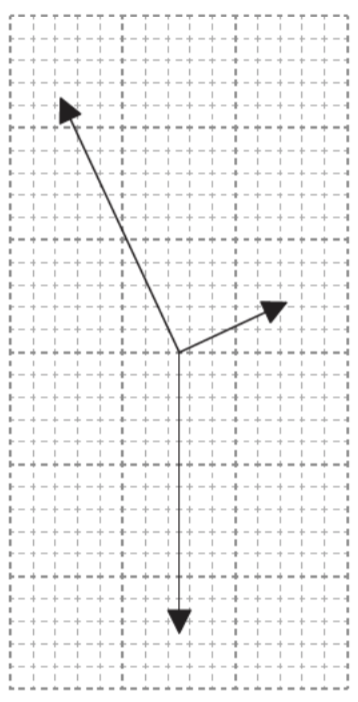
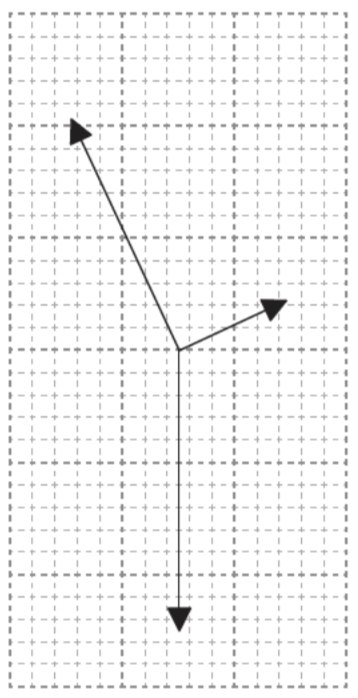
The time taken for a stone dropped from rest to fall vertically through 16 m is 2.0 s. Based on these measurements, what is the best estimate for the acceleration of free fall?
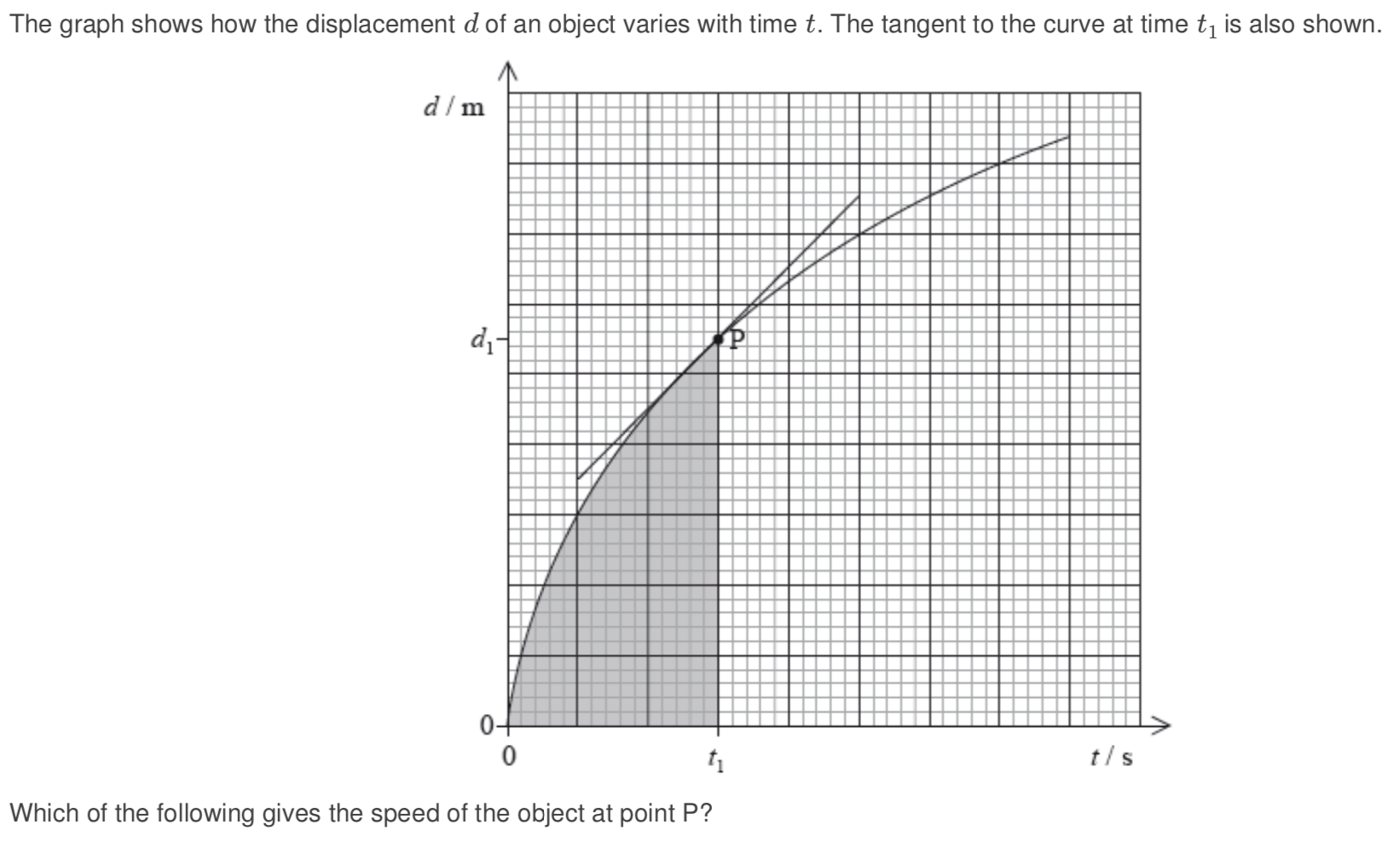
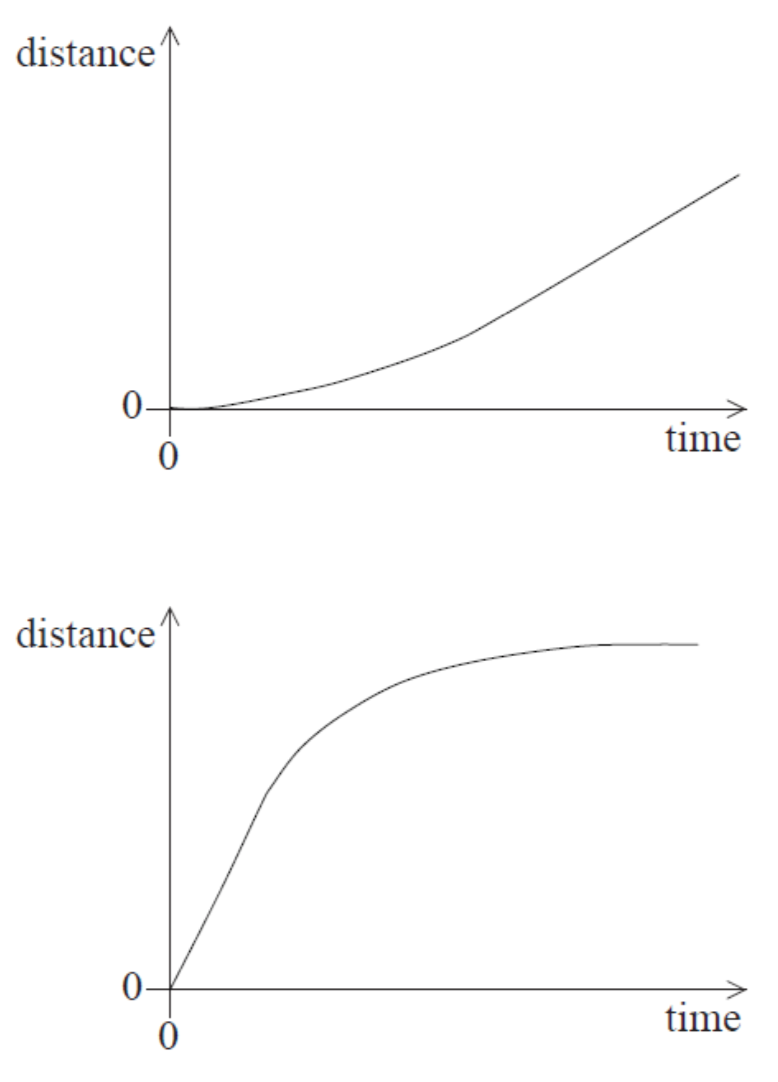
Which graph shows the velocity when we have a constant net force in a system starting from rest.
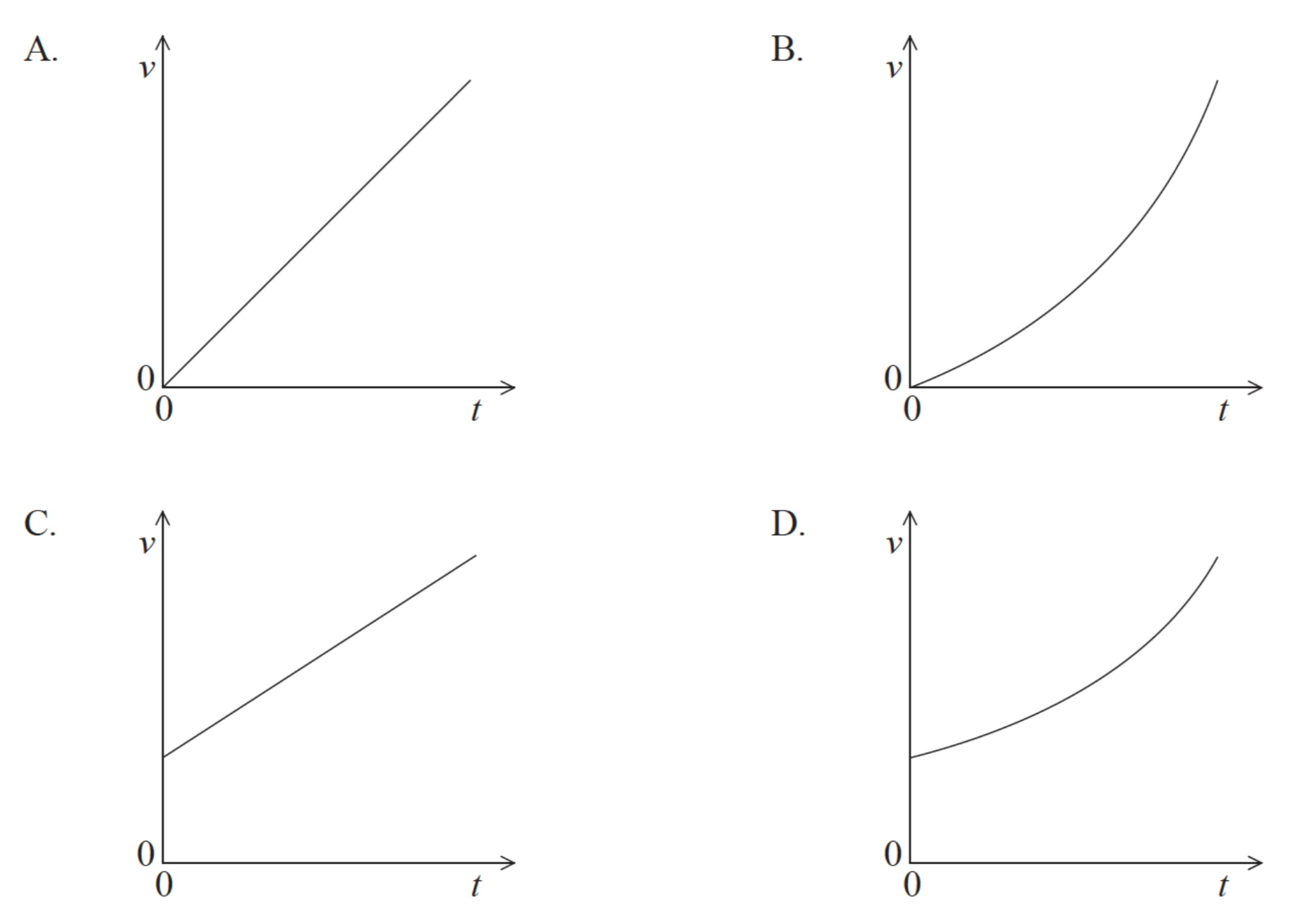
Which graph shows the velocity when we have a constant net force in a system when there already an initial velocity of the object.


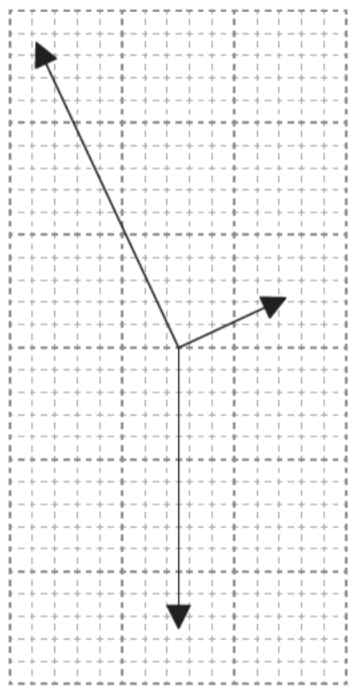
Find the change in velocity:


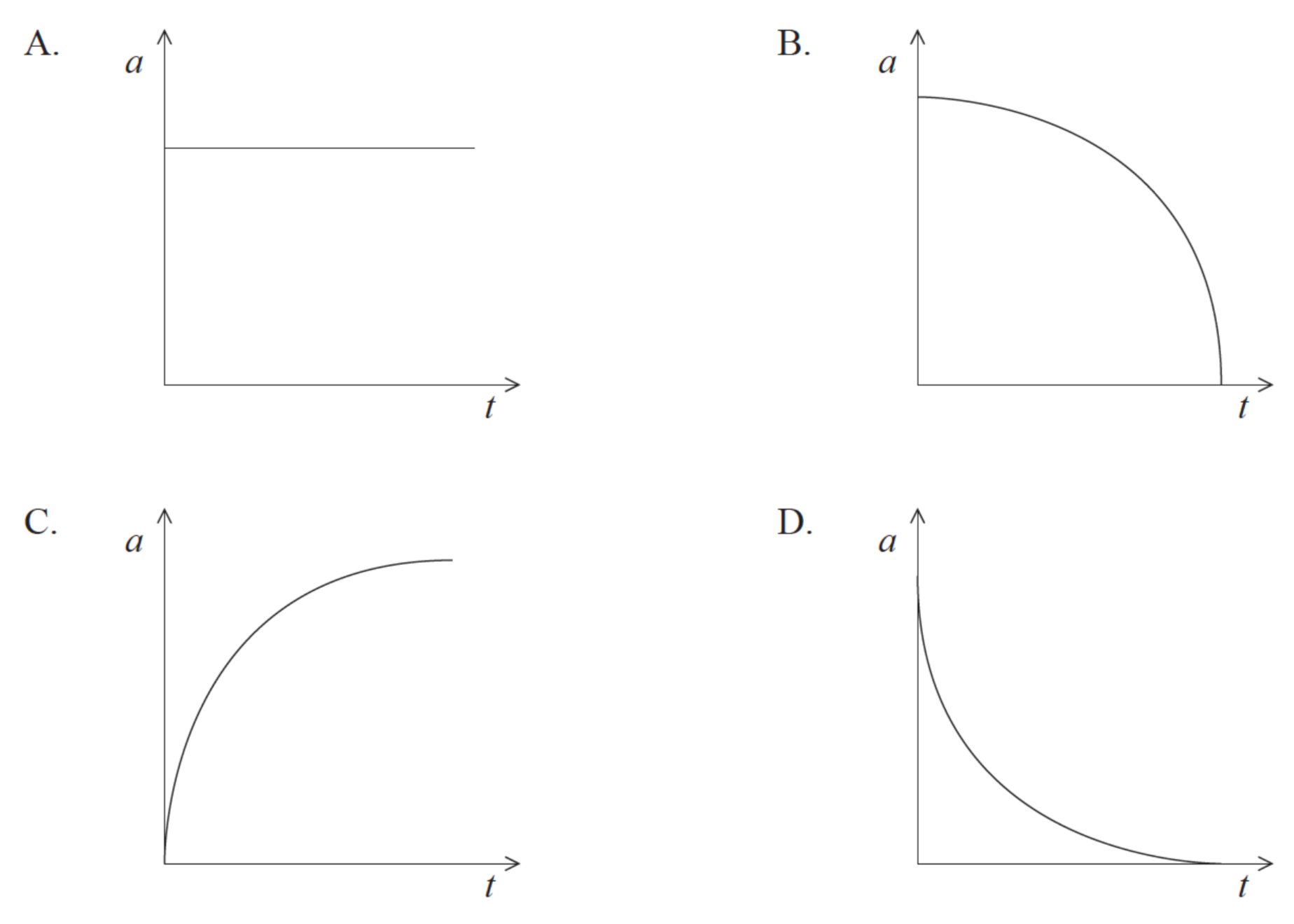


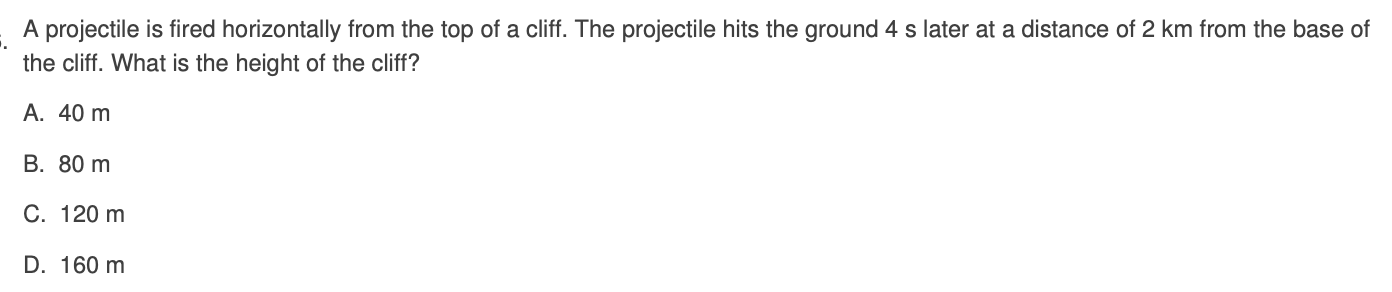
Choose the correct answer and show your work!!!

SHOW YOUR WORK!!!!!!!!
A body of mass 2.0 kg (initially at rest) slides down a curved path of total length 22 m. The body starts from a vertical height of 5.0 m from the bottom. When it reaches the bottom, its speed is measured and found to equal 6.0 ms-1.
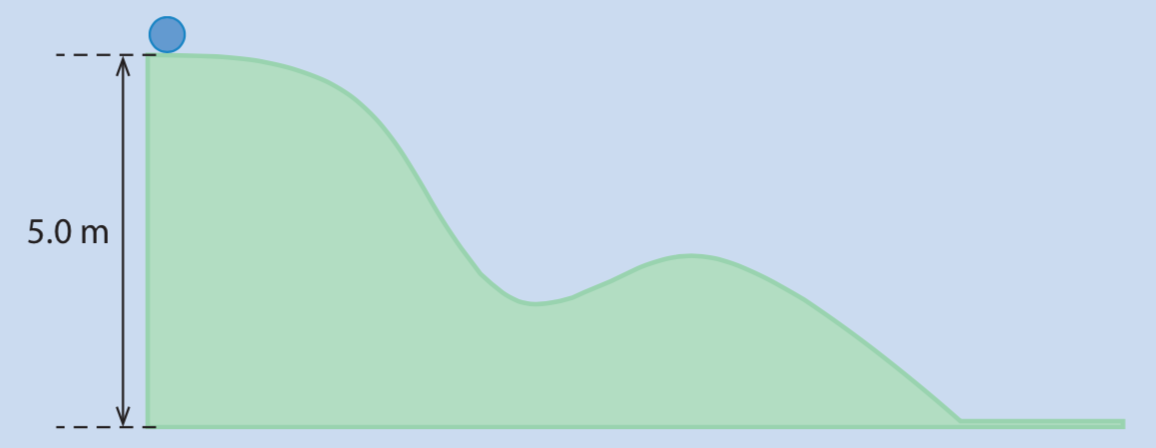
a) Find the energy lost in the friction.
b) Assuming the force to have constant magnitude, determine the magnitude of the force of friction exerted by the work of friction.
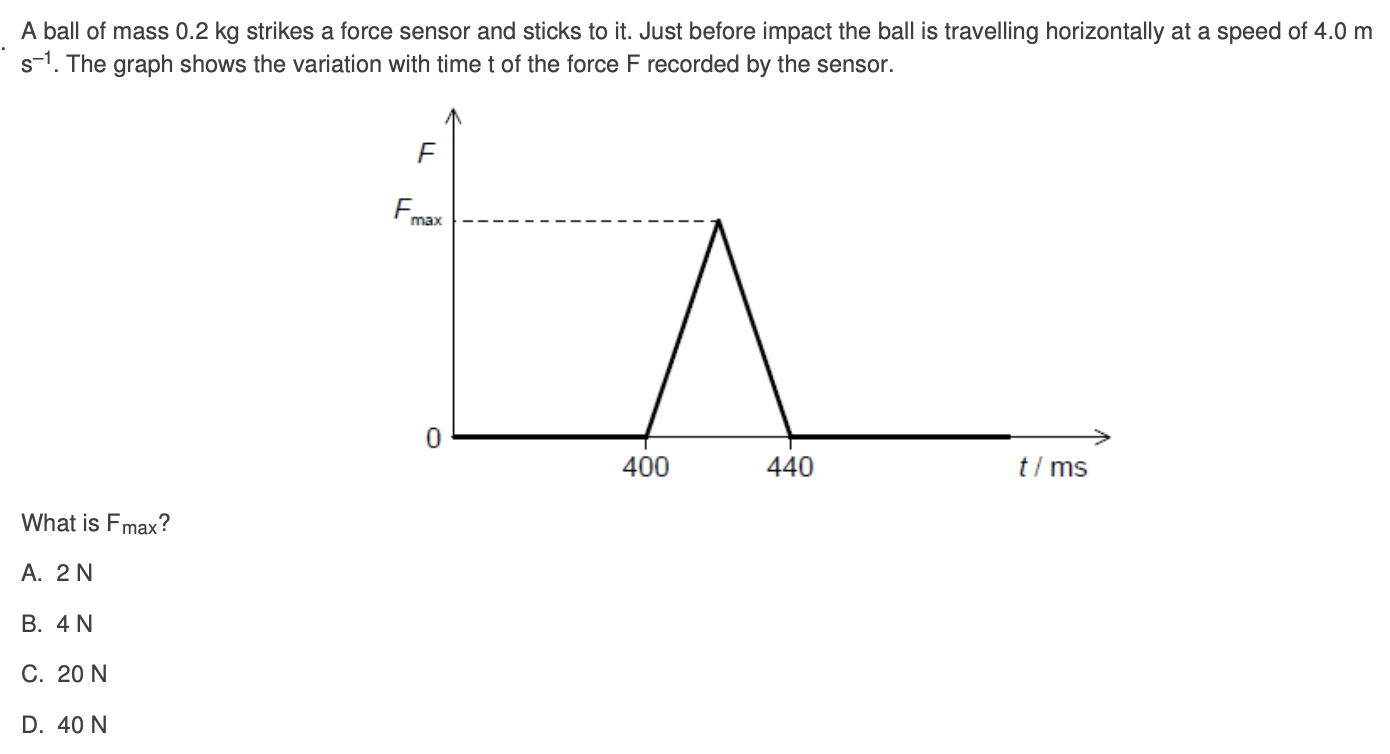
Choose the correct answer and show your work.
Remember that this type of graph has two times, one to stop the object and another for changing the direction of it.