Log in
Sign up for FREE
arrow_back
Library
Unit 3 Exam: The Cell
By Marc Serrano
star
star
star
star
star
Share
share
Last updated over 6 years ago
11 questions
Add this activity
5
5
1
4
5
2
1
2
2
1
2
Question 1
1.
Place the items on the left into the correct category on the right.
smaller
larger
have a nucleus
do not have a nucleus
have DNA
have a cell membrane
more complex
less complex
can multiply
found in living things
prokaryotic cells
eukaryotic cells
ALL cells
Question 2
2.
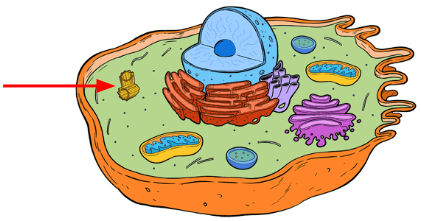
Match the organelles (on the left) with the correct item on the right.
nucleus
cell membrane
cytoplasm
mitochondria
centrioles
protects and supports the cell; regulates what enters and leaves the cell
the space outside of the nucleus that contains all of the cell's organelles.
Question 3
3.
Which of the following ideas are the basis for "Cell Theory"? (Select all that apply)
All living things grow because their cells get bigger.
All cells are protected by a cell wall.
All cells are made by cells that already existed through a process called cellular replication.
All living things are made up of cells.
Question 4
4.
Place the events on the left into the correct categories on the right.
Cell division (mitosis & cytokinesis)
DNA Replication
Growth + Everything is copied except for DNA
Growth + DNA proof-reading
G1
S Phase
G2
M Phase
Question 5
5.
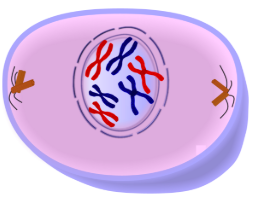
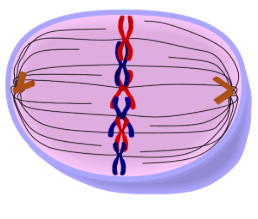
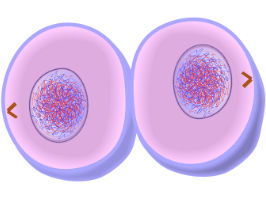
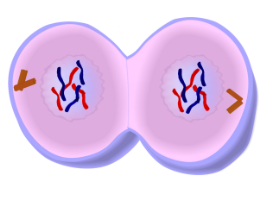
Place the following phases of cell division in order:
Question 6
6.
Which part(s) of the microscope to you use to carry it? (Select all that apply)
objective
arm
stage
base
Question 7
7.
Where do you place the slide on the microscope?
objective
stage
base
eyepiece
Question 8
8.
Which part(s) of the microscope move the stage for better viewing? (Select all that apply)
fine focus
eyepiece
nosepiece
coarse adjustment
Question 9
9.
How much does the eyepiece magnify the image you are viewing?
10x
40x
5x
2x
Question 10
10.
________________________ is when cancer cells spread throughout the body.
metastasis
tumor
mitosis
benign
Question 11
11.
Place the term on the left with the correct definition on the right.
benign
malignant
not cancerous; cells won't spread to other parts of the body
cancerous; the cells can spread to other tissues and organs.