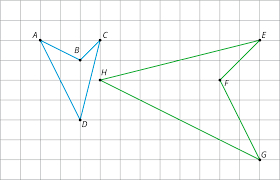
Use a ruler to determine the center of dilation.
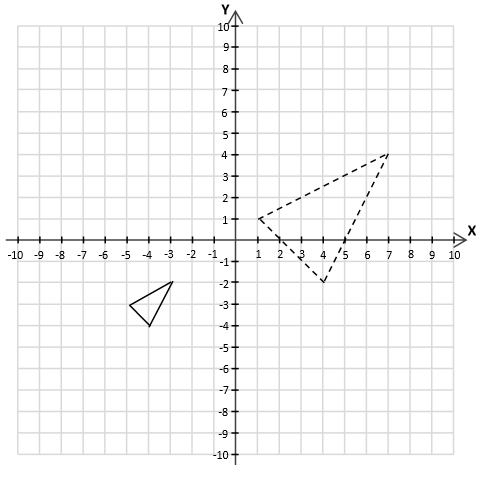
Use a ruler to determine the center of dilation.
Use a ruler to determine the center of dilation.
Determine if the following figures are similar.
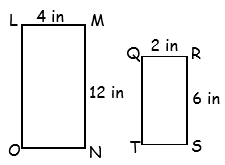
Determine if the following figures are similar.
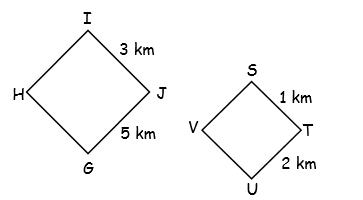
Determine if the following figures are similar.
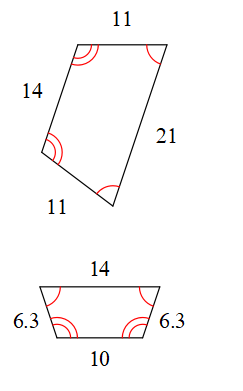
Determine if the following figures are similar.
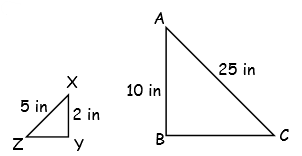
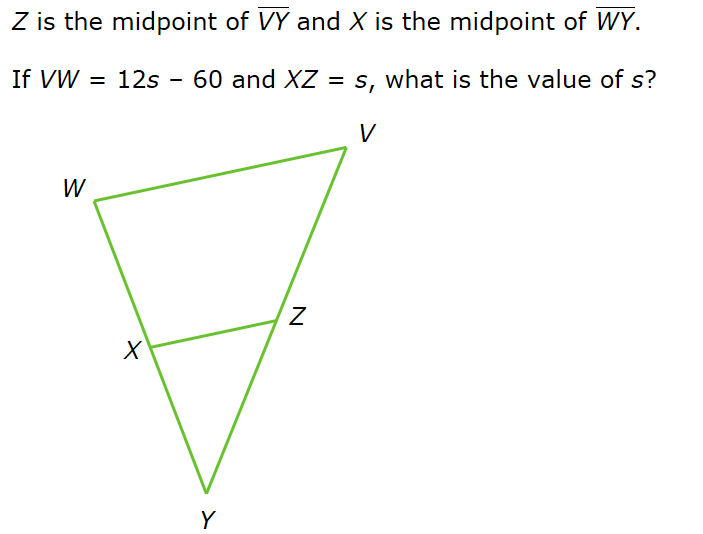
Determine the center of dilation.
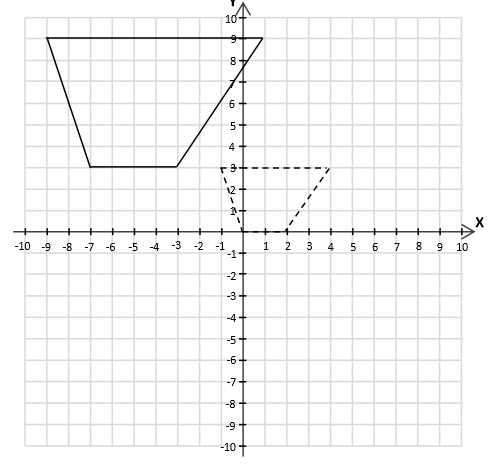
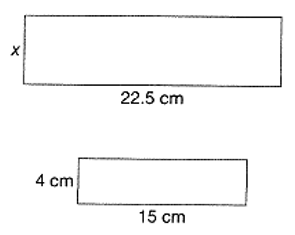
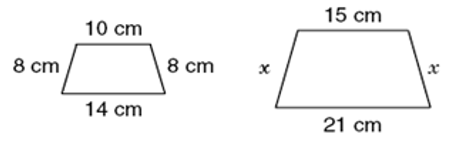
What must the value of x be in order for the figures below to be similar?
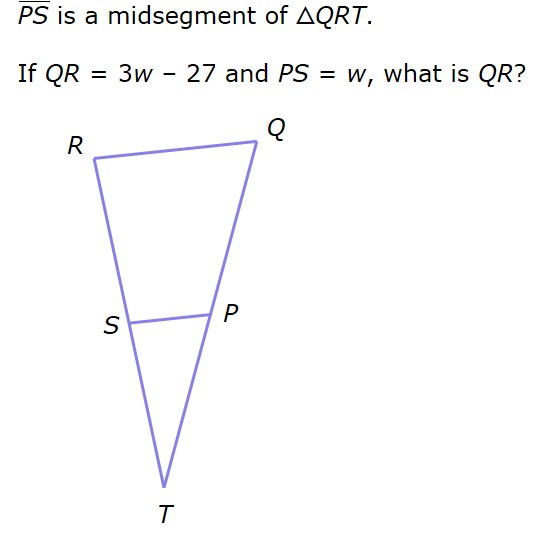
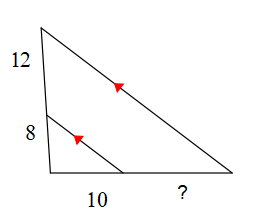
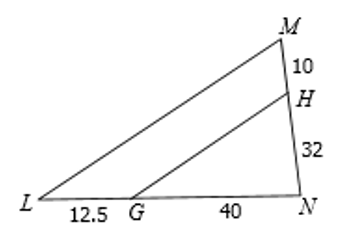
Find the value of the missing length.
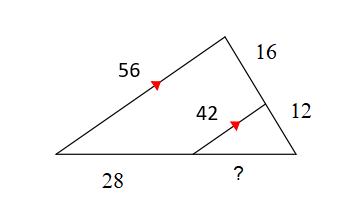
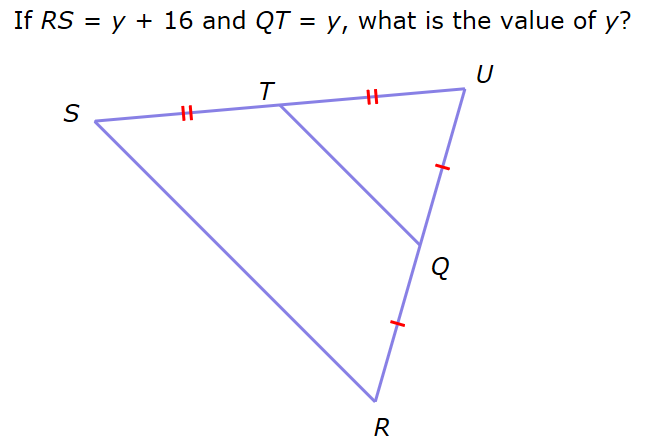
Find the value of the missing length.
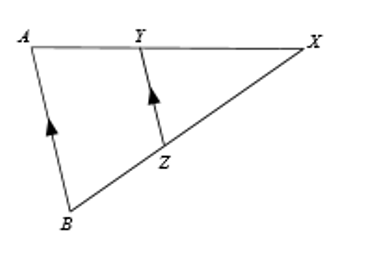
Determine if the triangles are similar. If so, state how.
Determine if the triangles are similar. If so, state how.
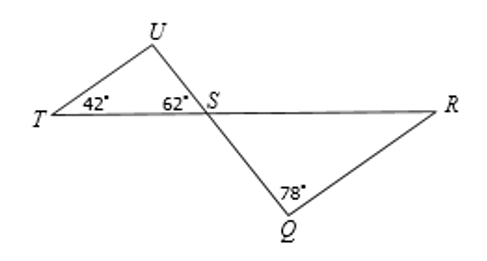
Determine if the triangles are similar. If so, state how.
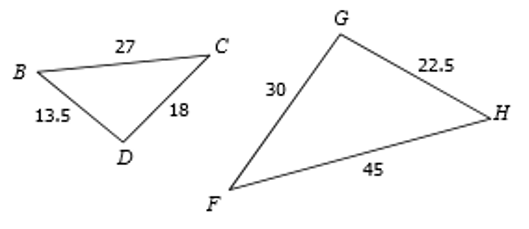
Determine if the triangles are similar. If so, state how.
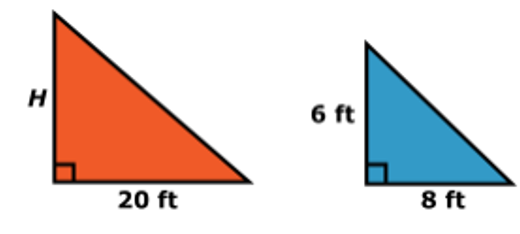
A lampost is 6 feet high and casts an 8 foot shadow. At the same time of day, a flagpole near the lampost casts a 20 foot shadow. Using the properties of similar figures, find the height, H, of the flagpole.
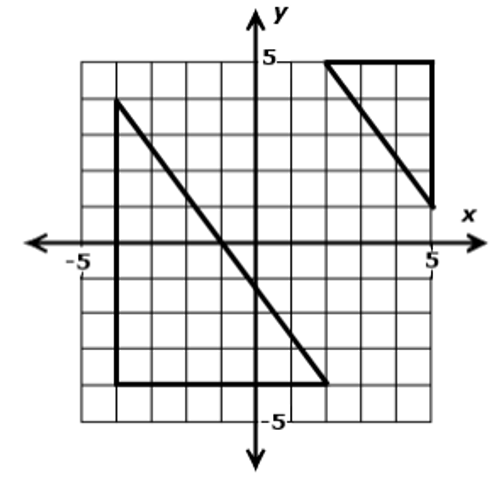
Two triangles are drawn on the coordiante plane below. Select TWO statements that are true about these two triangles.
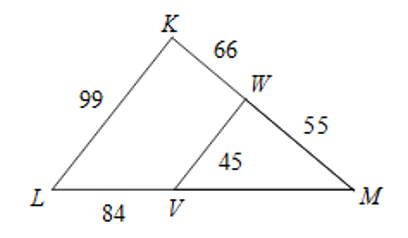
Find the length of VM.
If quadrilaterals ABCD and WXYZ are similar, which of the following are always true? (CHOOSE 3)
Which sequence of transformations will always result in congruent figures?
What sequence of transformations maps ABCD onto EFGH?
Given the similarity statement △ABC ~ △JKL, which of the following has to be true?
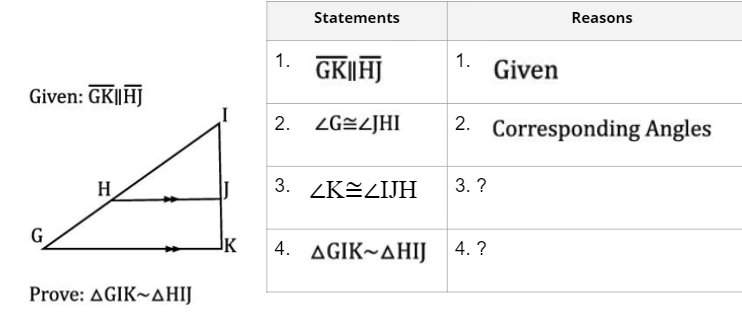
Select the correct reasons for statements 3 and 4 that would complete the proof.
Two rectangles are similar. Which proportion can you solve to find the missing side length.