QUIZ 9/13/2019
star
star
star
star
star
Last updated almost 4 years ago
17 Nsɛmmisa
1
1
1
1
1
1
1
1
1
1
1
1
1
1
1
1
1
A tentative theory used to explain a set of facts.
A conclusion based on observations or what is already known.
The nature of a material, such as the physical qualities of color, hardness, state, density, and conductivity.
Description, observation or analysis of a substance based on its qualities.
Description, observation or analysis of a substance based on numbered measurements.
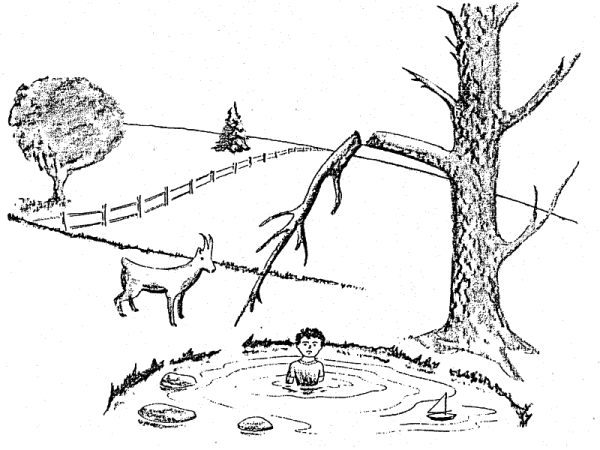
There are three rocks in the pond. Is this statement a ...
The boy is wet. Is this statement a...
The goat chased the boy into the tree. The branch broke. The boy fell into the pond. Is this statement a (an)...
Is this observation Quantatative or Qualitative? Mr G is tall.
Is this observation Quantatative or Qualitative? Mr. G is 6 feet and 6 inches tall.
Being on time to class means...
Amanda had trouble finishing her homework. She’d sit at her desk in her bedroom and stare at her book, but her mind would wander and she couldn’t finish her work. She wondered if she would finish if she turned off all of the distractions around her. She got her homework together and turned off the TV and all of the other things in her room that made noise- making her room silent. She predicted that eliminating “background noise” would help her finish more homework problems.
What is the Independent Variable?
Amanda had trouble finishing her homework. She’d sit at her desk in her bedroom and stare at her book, but her mind would wander and she couldn’t finish her work. She wondered if she would finish if she turned off all of the distractions around her. She got her homework together and turned off the TV and all of the other things in her room that made noise- making her room silent. She predicted that eliminating “background noise” would help her finish more homework problems.
What is the Dependent Variable?
Amanda had trouble finishing her homework. She’d sit at her desk in her bedroom and stare at her book, but her mind would wander and she couldn’t finish her work. She wondered if she would finish if she turned off all of the distractions around her. She got her homework together and turned off the TV and all of the other things in her room that made noise- making her room silent. She predicted that eliminating “background noise” would help her finish more homework problems.
What is one controlled (constant) variable?
PROBLEM: Students are showing up to class late.
Hypothesis:_IF not talking in the hallway helps students get to class on time AND students don't talk in the hallway THEN more students will get to class on time.
*The hallway, the students, the class schedule and the teacher will all stay the same.
What is the independent variable?
PROBLEM: Students are showing up to class late.
Hypothesis:_IF not talking in the hallway helps students get to class on time AND students don't talk in the hallway THEN more students will get to class on time.
*The hallway, the students, the class schedule and the teacher will all stay the same.
What is the dependent variable?
PROBLEM: Students are showing up to class late.
Hypothesis:_IF not talking in the hallway helps students get to class on time AND students don't talk in the hallway THEN more students will get to class on time.
*The hallway, the students, the class schedule and the teacher will all stay the same.
What is one controlled (constant) variable?