Log in
Sign up for FREE
arrow_back
Library

Formative Retake: Energy in Chemical Reactions

star
star
star
star
star
Last updated about 6 years ago
12 questions
Note from the author:
0
0
1
1
1
1
1
1
1
1
1
1
energy in chemical reactions, ngss
You will watch a short video about a chemical reaction. It is your job to complete your report as the demo is carried out in the video. Use your knowledge of chemical reactions, molecules, atoms, and thermal energy to answer the following questions. Feel free to pause the video as needed and watch again if necessary.
Question 1
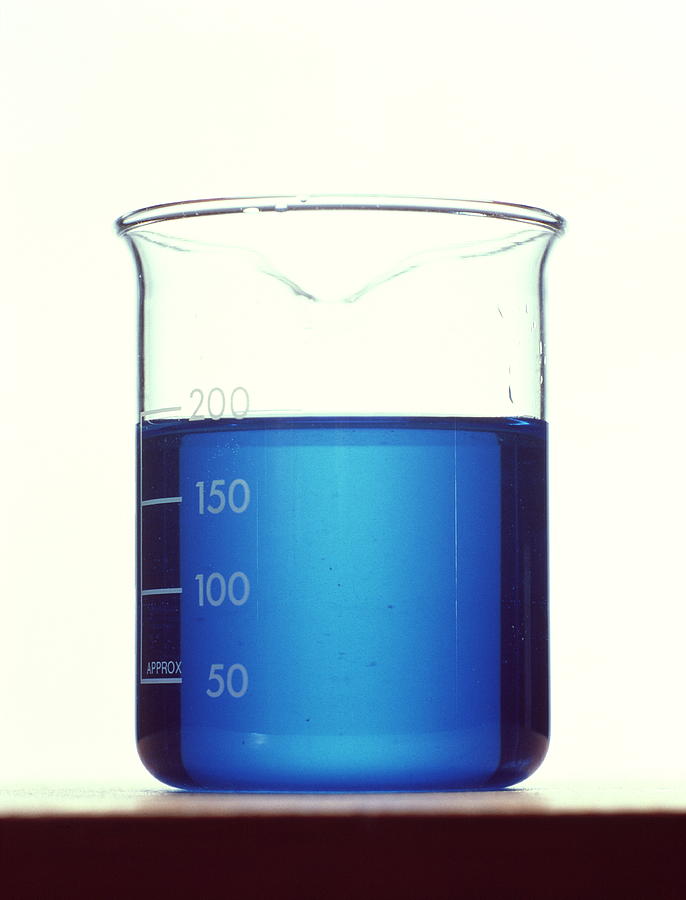
1.

Write down three observations about copper sulfate.

.

Question 2
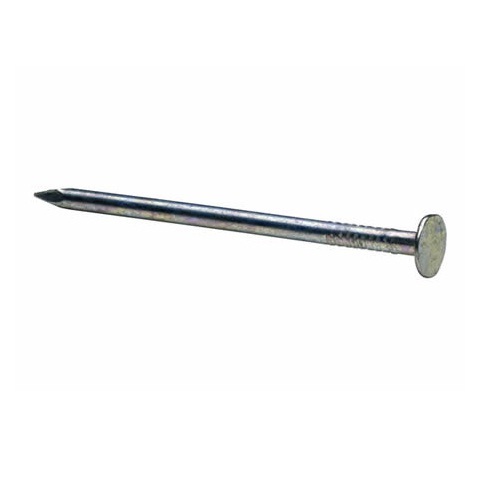
2.

Write down three observations about iron.

.

Question 3
3.

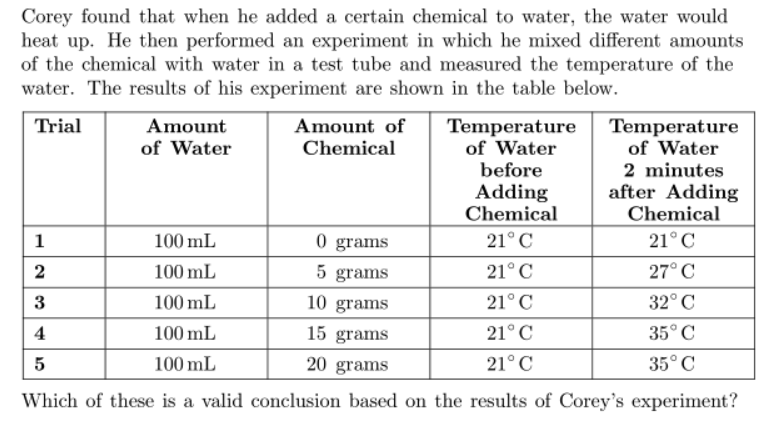
As the narrator on the video measures the temperature, record it here. Select "Edit Background" and choose the "T" button on the left to type your answers into the data table.

Question 4
4.

Question 5
5.

What type of a chemical reaction is this?

Question 6
6.

How do you know it's that type of a chemical reaction?

Question 7
7.

Using Arrows, show what is happening to the energy in this reaction (where it came from and where it's going).

Question 8
8.

The word energy should be placed in which part of this chemical equation?

Question 9
9.

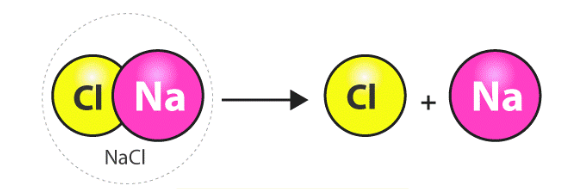
During chemical reactions the bonds between atoms break and new bonds form. Energy must be absorbed to break a bond, so breaking bonds is endothermic. Making new bonds is exothermic because energy is released.

Looking at the image below, what kind of reaction is occurring and how do you know?


Question 10
10.

Question 11
11.

Which of the following statement describes an exothermic reaction but NOT an endothermic reaction?

Question 12
12.

What evidence can be observed that a chemical reaction has occured? Select ALL that apply (3).
color change
production of a liquid
the substance became watery
production of gas
Increase in temperature
decrease in temperature
the substance gained mass in total
substance produced a new odor
Because as a result of the reactants mixing, new substances formed that weren't there before and a INCREASE in temperature occurred.
The Product Side because it is an endothermic reaction.
Endothermic and Exothermic because there are multiple atoms in the reactants which broke down and formed new bonds creating different molecules in the product.
Endothermic because the reactant started off as one molecule which was broken down into two separate atoms and breaking bonds is endothermic since it requires energy to be absorbed.
Exothermic because the reactant started off as one molecule which was broken down into two separate atoms and breaking bonds requires energy to be absorbed in order to do so.
Exothermic because the reactants had to form more bonds to create multiple atoms which releases energy.