Is the following mutation beneficial, neutral, or harmful?
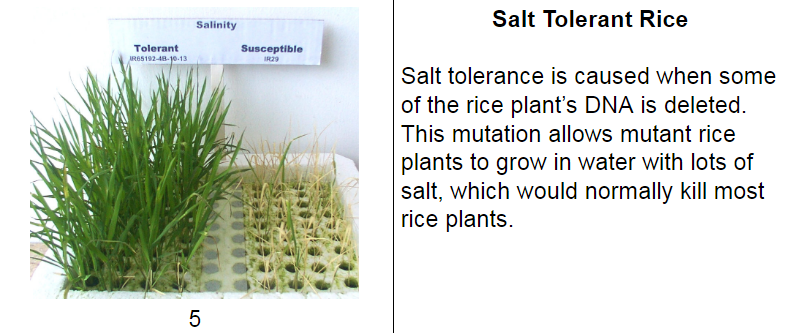
Is the following mutation beneficial, neutral, or harmful?
Otis has the genes "F1F2". His genes for silk flexibility are _____________.
Offspring get one copy of each ________ from each parent for a trait.
A __________ is a random change in the gene version.
Offspring _________ their genes from their parents.
One __________ of humans is having blue eyes.
One __________ of humans is their eye color.
The __________ of a protein determines its ___________.
Genes are the instructions for making _________________, which determine your traits.
Is the following mutation beneficial, neutral, or harmful?
Use this picture for question #10.
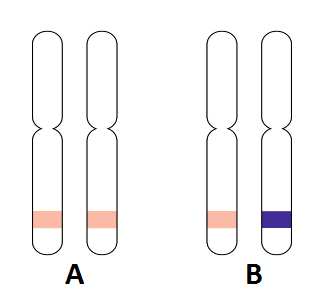
What type of genes are shown in set "A"?
Use the table below for question #11.
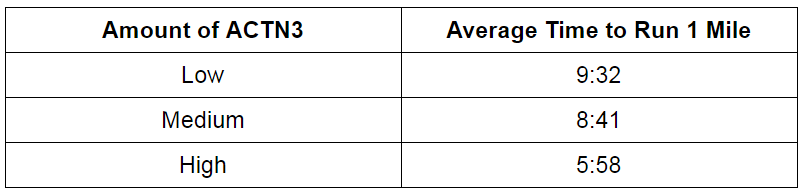
What does the data tell you about the ACTN3 protein?
Normal human cells have ____ chromosomes.
Sperm cells and egg cells normally have ____ chromosomes each.
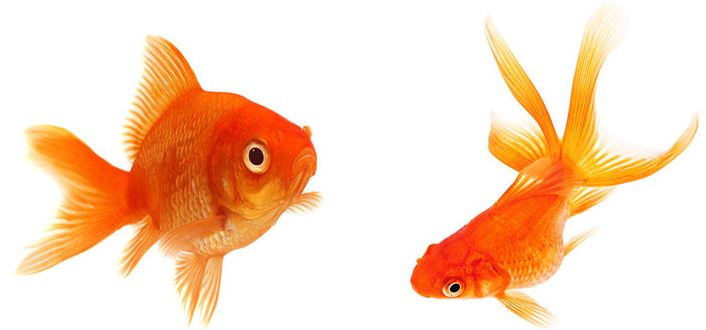
These two goldfish have different parents. One has a split tail, while the other does not. Why do the goldfish have tails with different shapes?
Each goldfish has a different tail shape because...
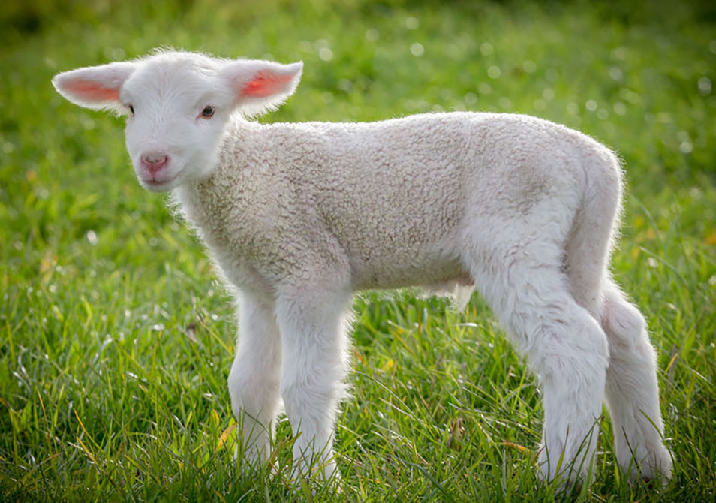
A father sheep has curly wool. The mother sheep has straight wool. Which of the following statements explains why their baby lamb has curly wool?
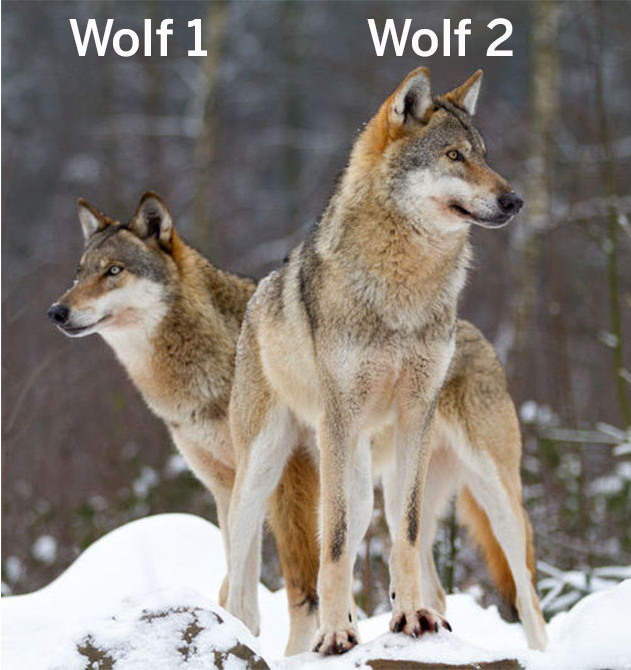
In wolves, tooth size is determined by their genes. Wolf #1 has tooth genes that are different from one another (heterozygous, T1 T2). Wolf #2 has tooth genes that are the same (homozygous, T2 T2). How does this affect the number of proteins in each tooth cell?
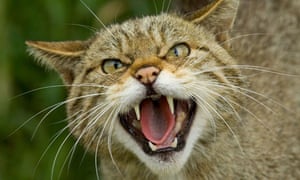
Shakira reads an article about a family of wildcats. One of them has a mutation for tooth sharpness. Which of the statements about the wildcat with the mutation is DEFINITELY 100% true?
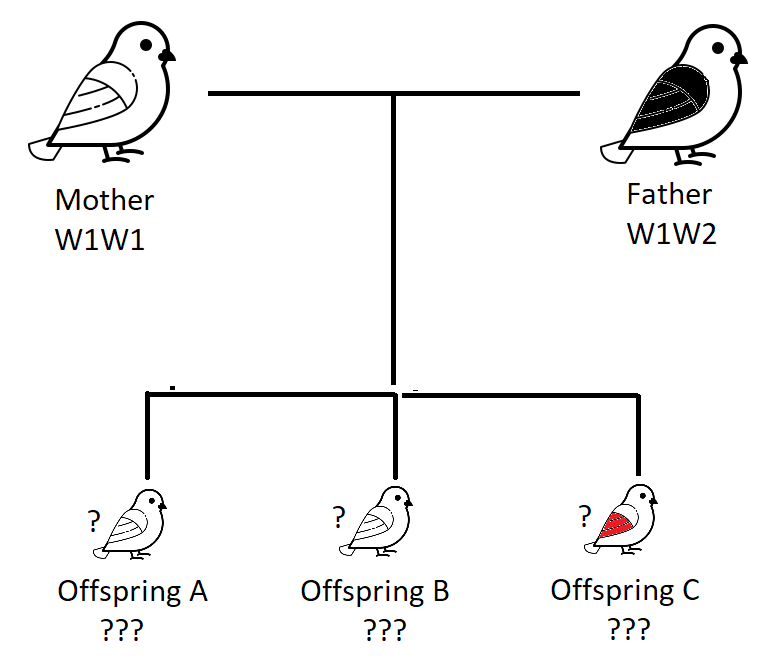
This is a family of birds. The gene versions for the mother and father are shown above. If these parents had offspring...
1. What are the two possible gene versions that the offspring A would have? How about offspring B?
2. What trait would offspring A have? What trait would offspring B have?
3. Why does offspring C have a different trait?
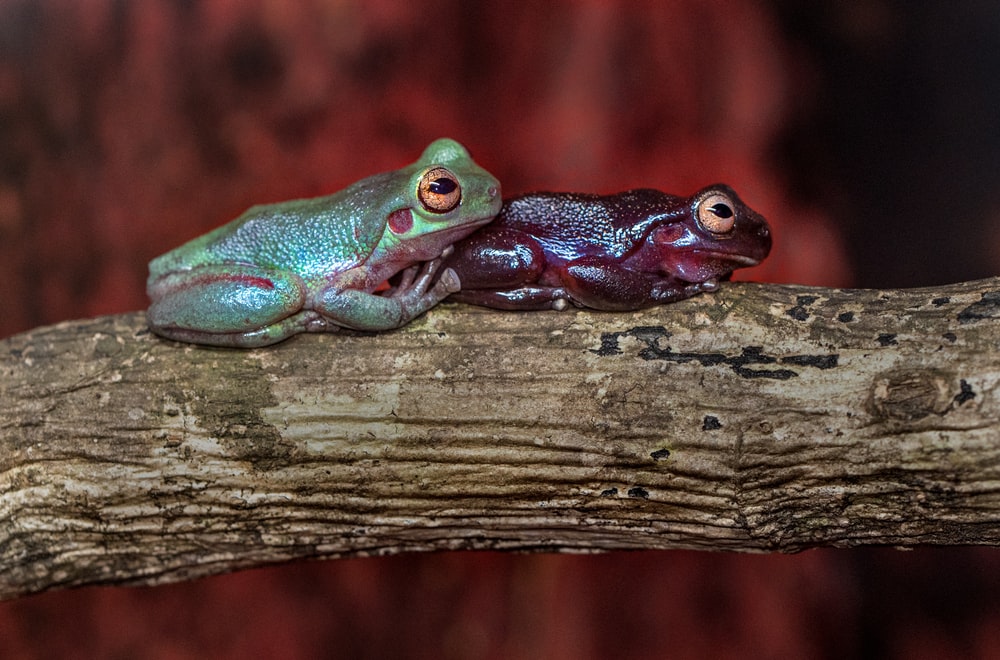
These frogs are sisters and share the same parents. They have two different traits for color (dark red and green). Explain how the frog's genes determine their color (trait). Assume that this DID NOT come from a mutation. Be detailed.
Here are some words that you may use, but don't have to: gene, offspring, trait, protein, variation, feature, parents
Which one of the following was the most helpful in learning the content?
The review was helpful in studing for this test.