Log in
Sign up for FREE
arrow_back
Library
Chapter 5 Review
By Michael Garcia
star
star
star
star
star
Share
share
Last updated 3 months ago
36 questions
Add this activity
1
1
1
1
1
1
1
1
1
1
1
1
1
1
1
1
1
1
1
1
1
1
1
1
1
1
1
1
1
1
1
1
1
1
1
1
Question 1
1.
Question 2
2.
Question 3
3.
Question 4
4.
Question 5
5.
Question 6
6.
Question 7
7.
Question 8
8.
Question 9
9.
Question 10
10.
Question 11
11.
Question 12
12.
Question 13
13.
Question 14
14.
Question 15
15.
Question 16
16.
Question 17
17.
Question 18
18.
Question 19
19.
Question 20
20.
Question 21
21.
Question 22
22.
Question 23
23.
Question 24
24.
Question 25
25.
Question 26
26.
Question 27
27.
Question 28
28.
Question 29
29.
Question 30
30.
Question 31
31.
Question 32
32.
Question 33
33.
Question 34
34.
Question 35
35.
Question 36
36.
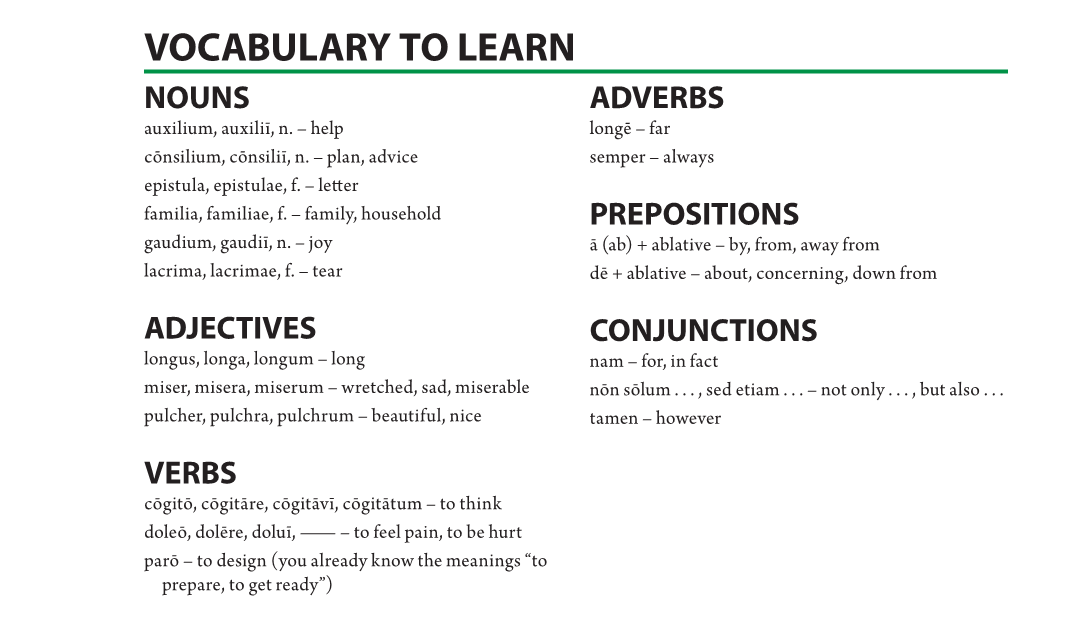
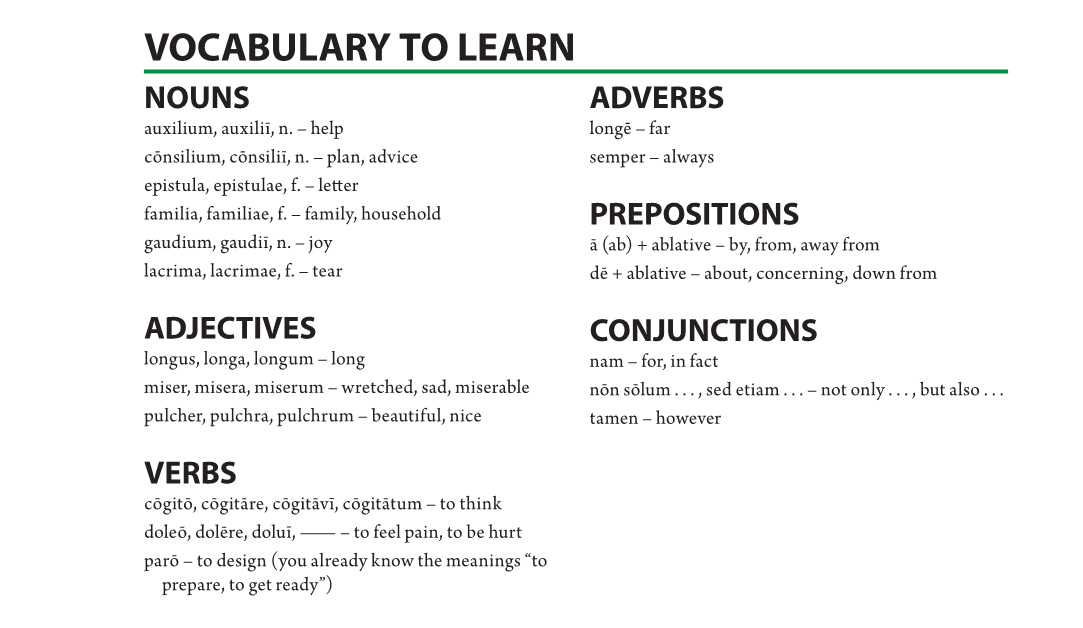
The adjective
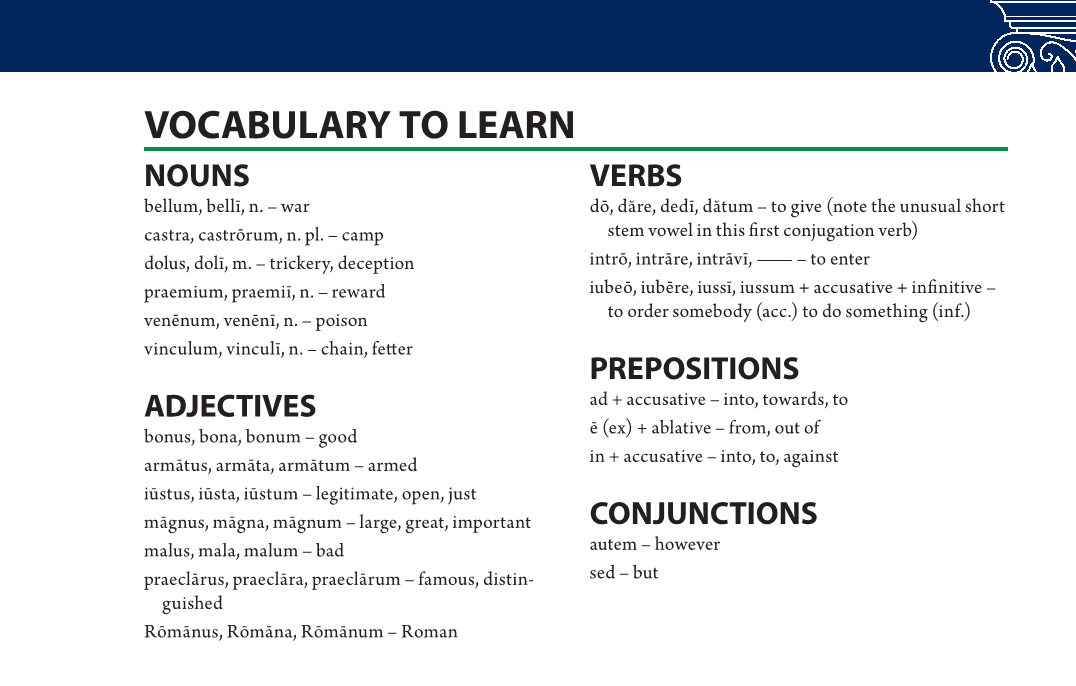
pulcher, pulchra, pulchrum
means “beautiful.”
True
False
The verb
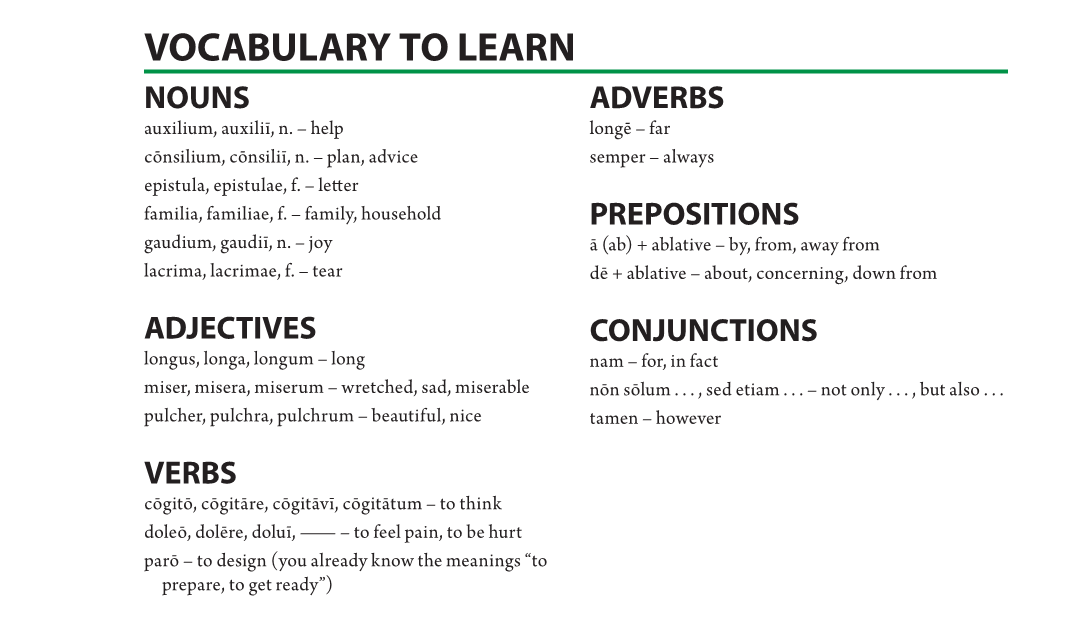
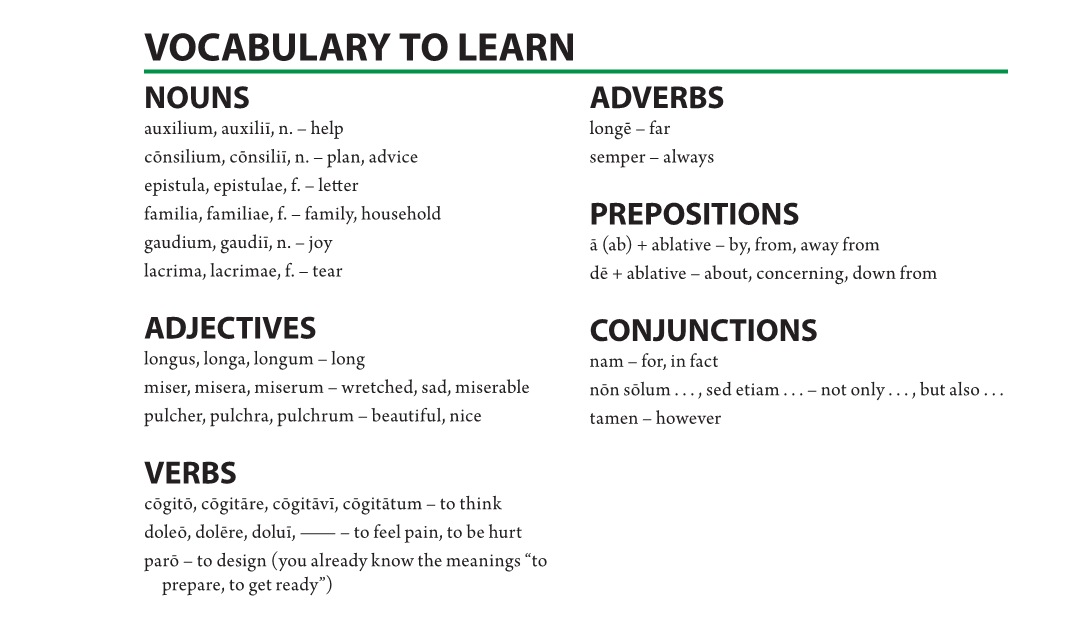
cōgitō
means “to think.”
True
False
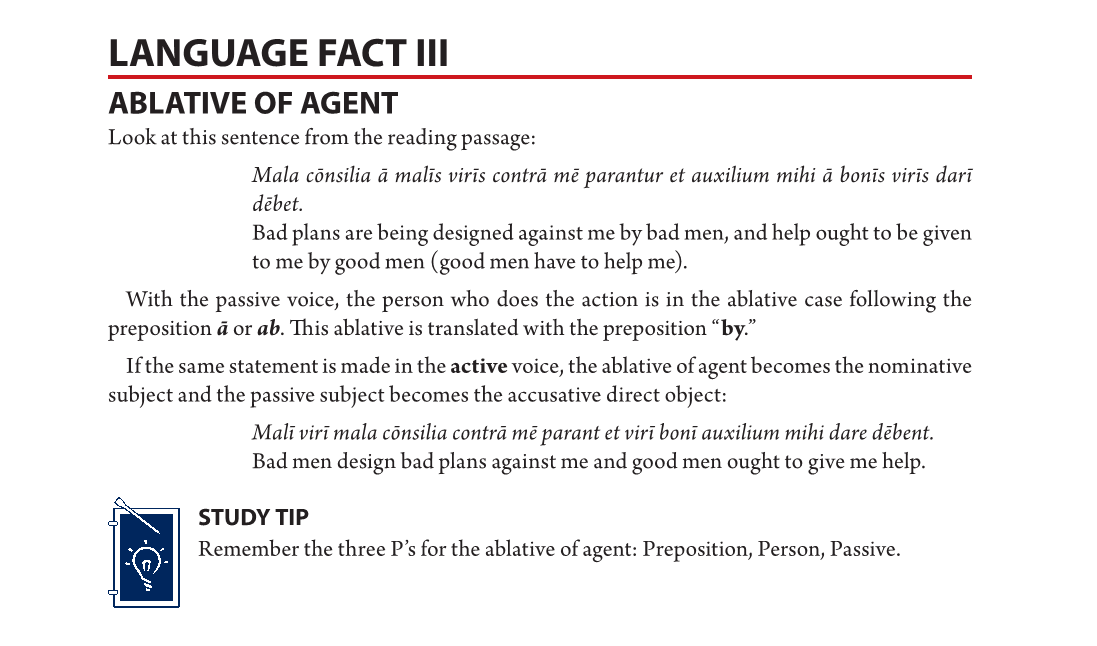
The preposition
ā/ab
takes the accusative case.
True
False
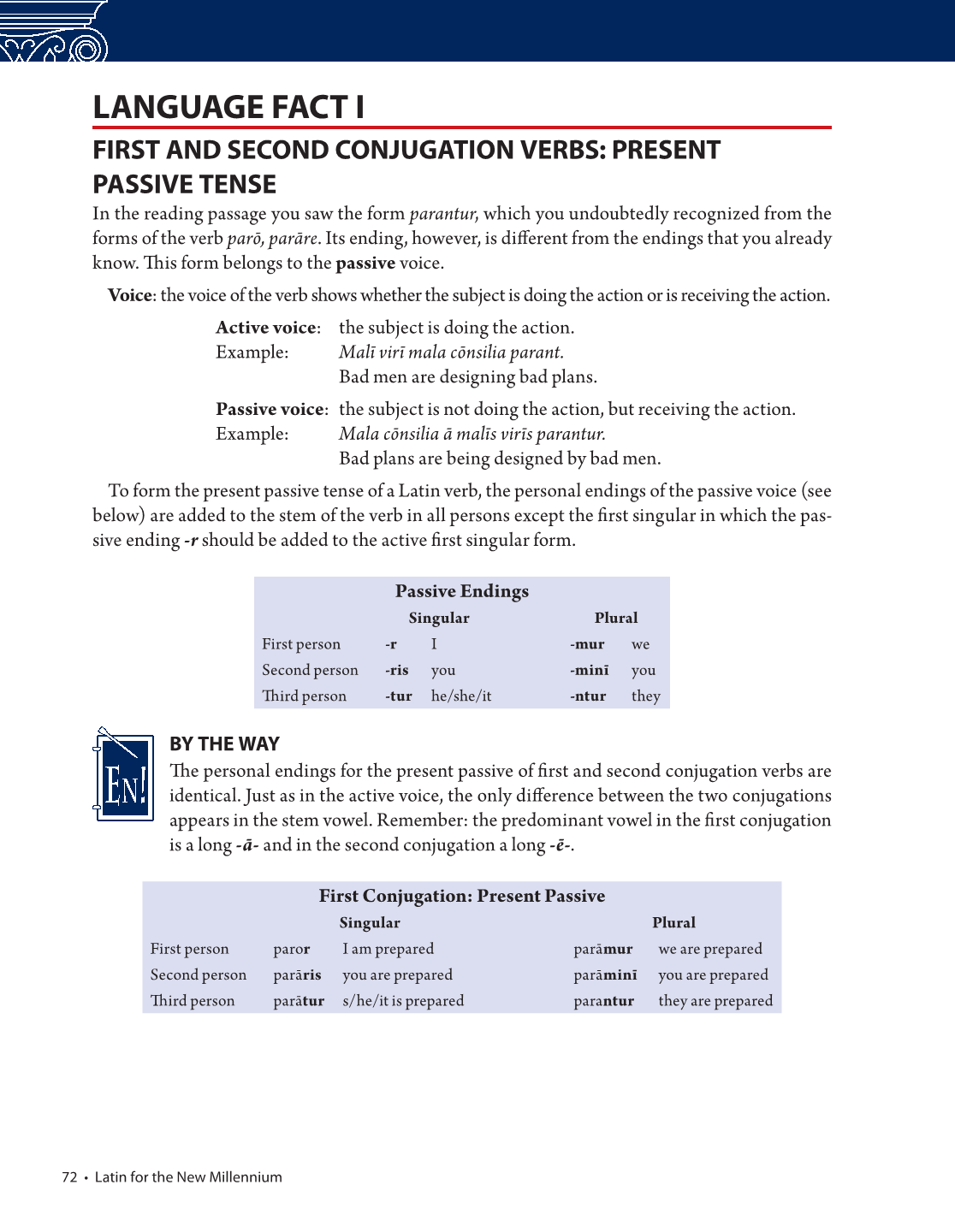
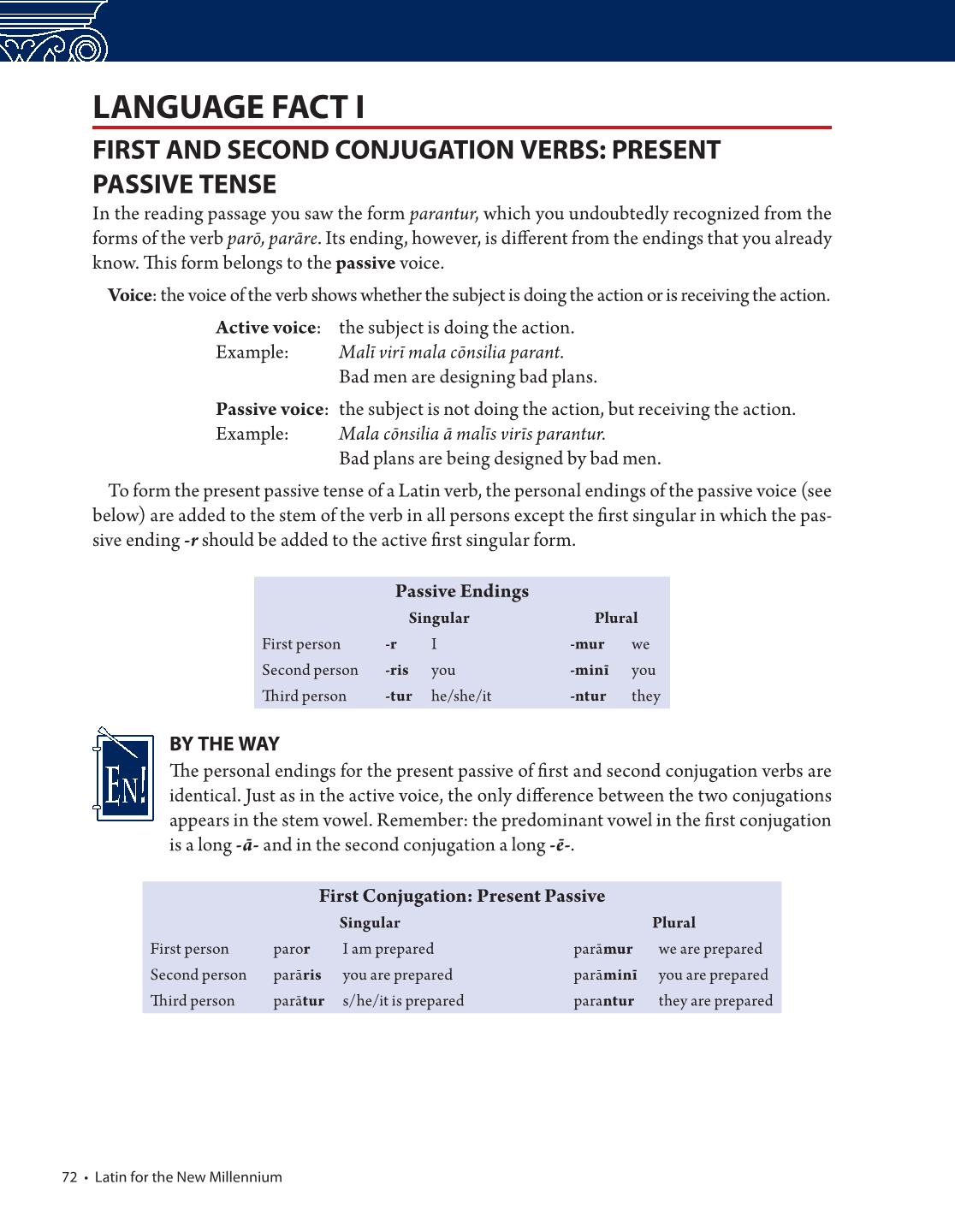
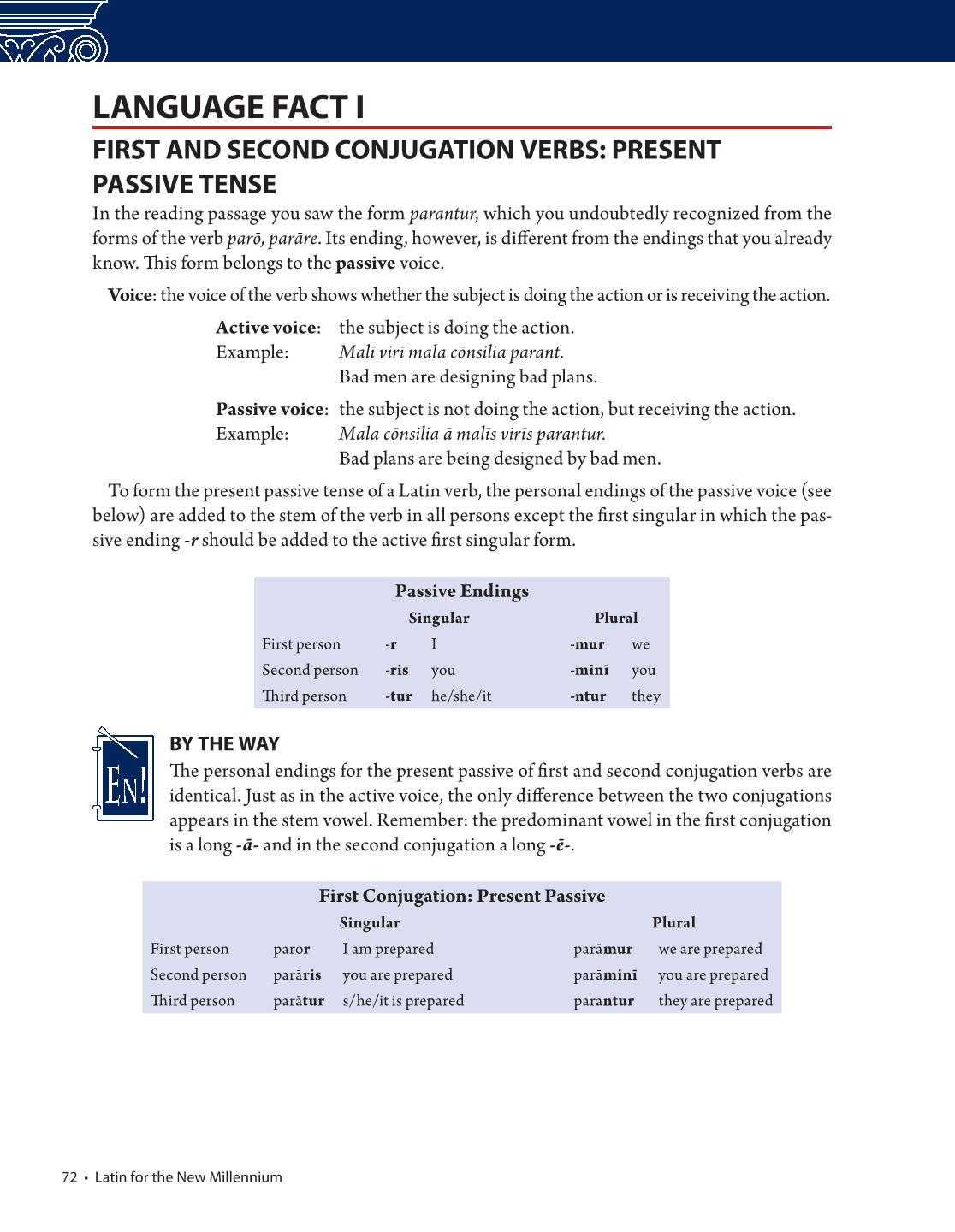
Passive voice is when the subject is receiving the action.
True
False
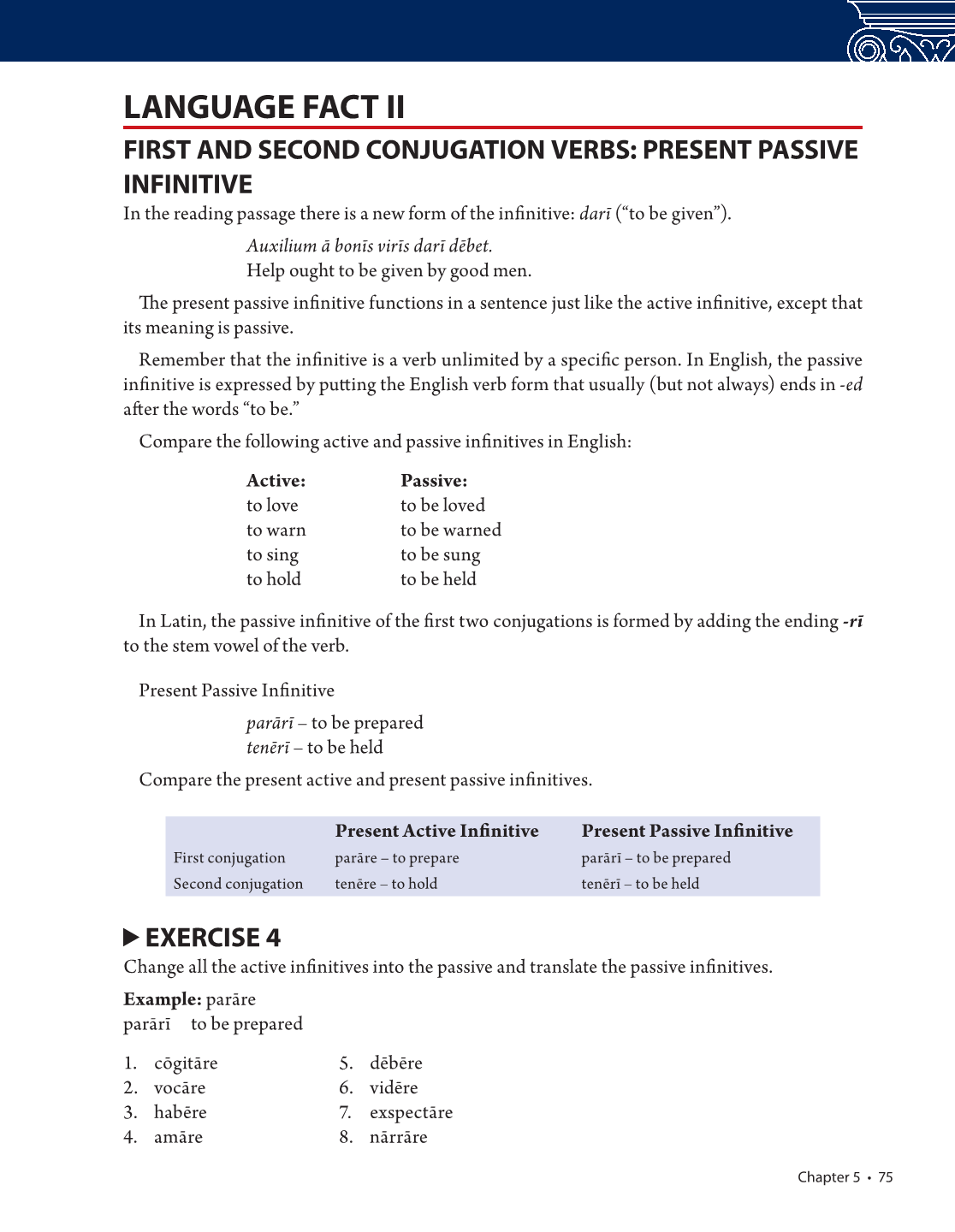
The passive infinitive is translated by using the “–ed” form of a verb after the words “to be.”
True
False
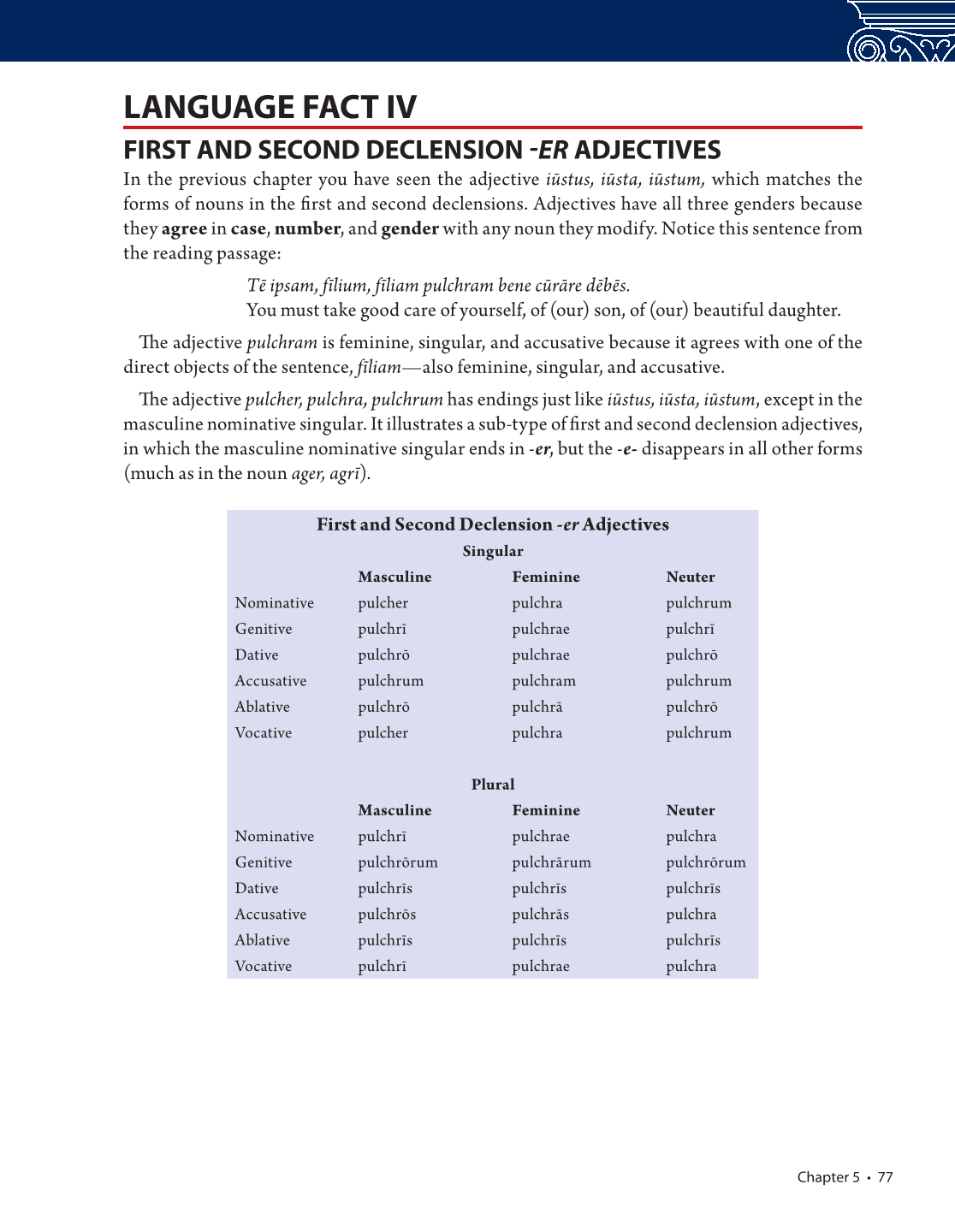
Adjectives have all three genders.
True
False
Which of the following is in the passive voice?
She is being silly.
I shall be ready.
You have been chosen.
Will they be attending class today?
In a Latin sentence containing a passive verb,
the subject receives the action
there is always a direct object
auxiliary verbs are necessary
infinitives can not be used
Choose the ending that does
NOT
belong on the basis of number.
–minī
–tur
–ris
–or
Choose the verb form which does
NOT
belong on the basis of voice.
dēbēmus
parārī
vocantur
iubēmur
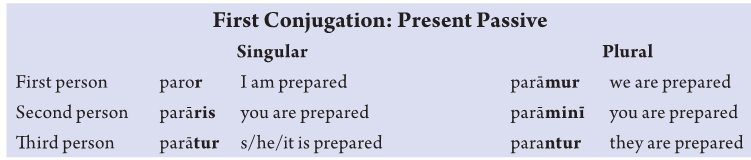
On which principal part is the present passive verb based?
first
second
third
fourth
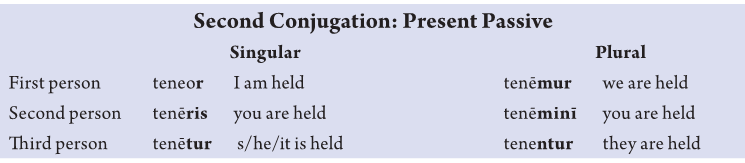
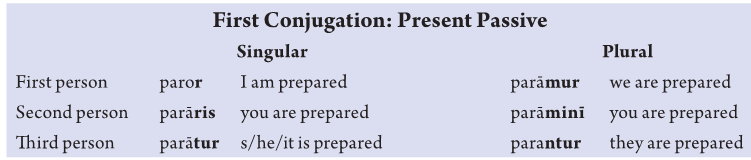
How do the present passive forms of the first and second conjugations differ?
singular endings
stem vowel
translation
plural endings
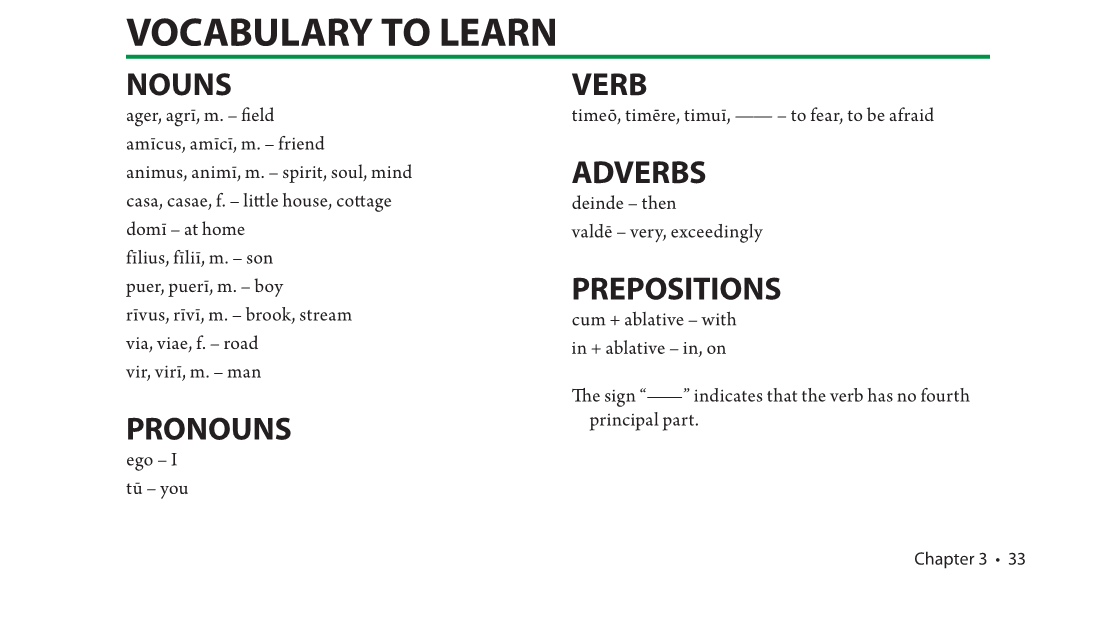
Where is the stem vowel of the first conjugation absent in the present passive?
third person plural
first person singular
second person plural
second person singular
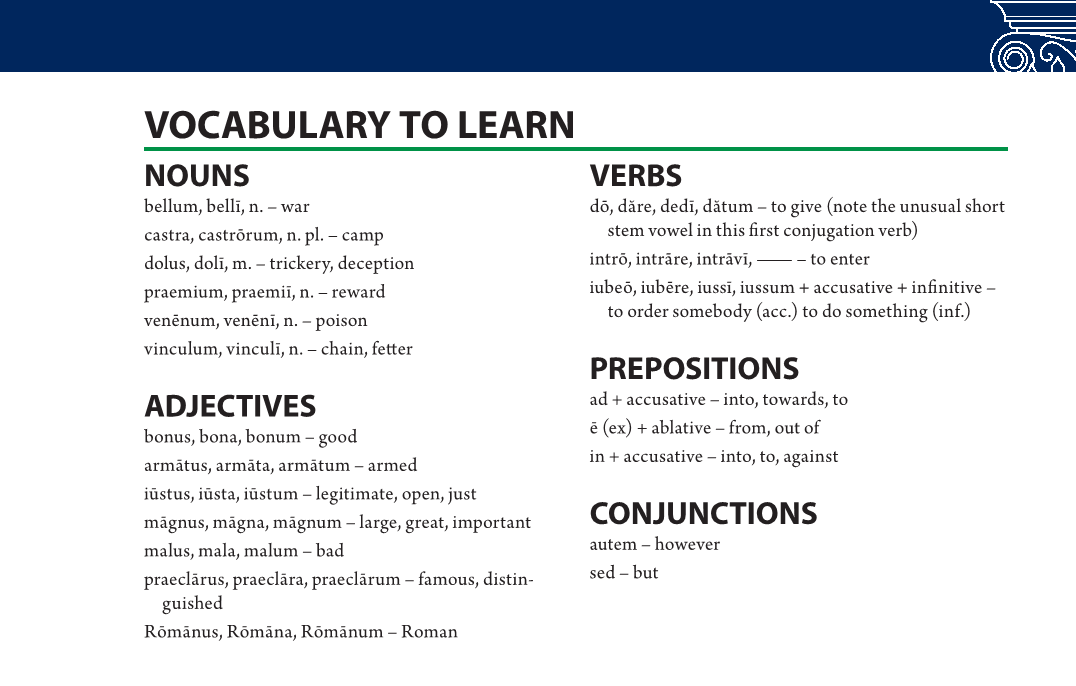
Which of the following can
NOT
be nominative?
cōnsilium
gaudium
animum
bellum
Which of the following can
NOT
be plural?
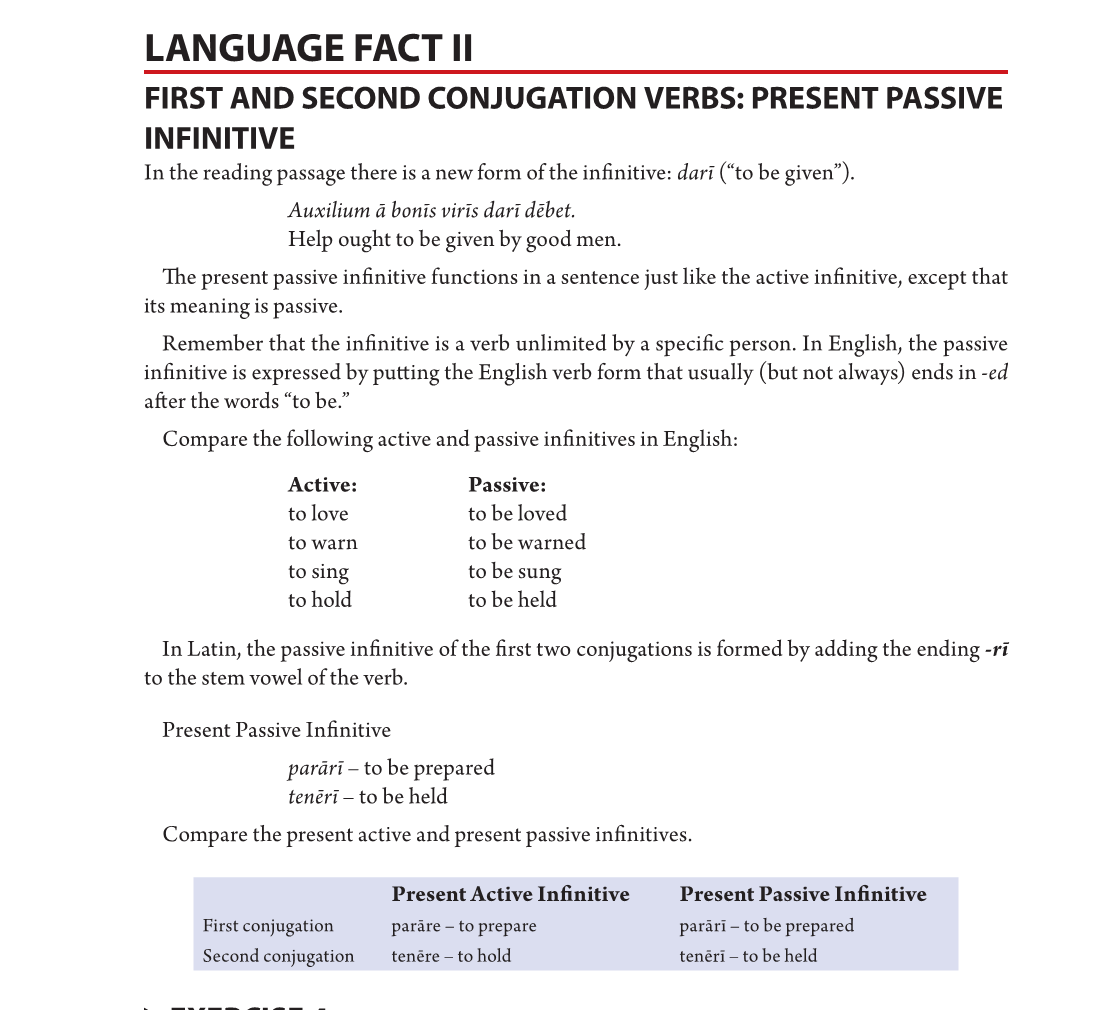
lacrima
auxilia
castra
praemia
A present passive infinitive always ends with the letter
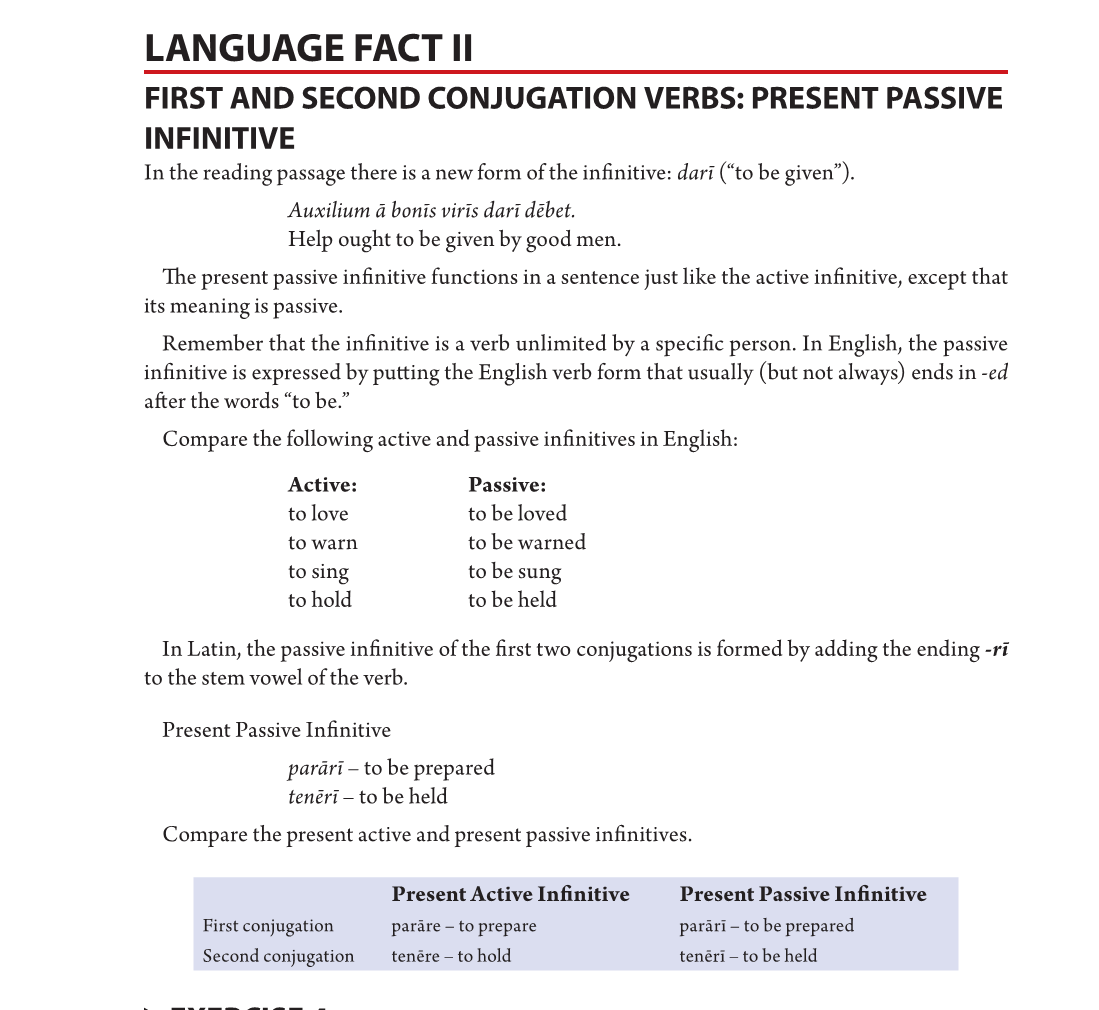
–e
–o
–ī
–a
Which of the following does
NOT
belong grammatically?
amīcī
darī
fīliī
agrī
What preposition is used with an ablative of agent?
ex
dē
in
ab
Which of the following does
NOT
have to occur in a sentence to have an ablative of agent?
present tense
passive verb
preposition
person
Which of the following sentences would need an ablative of agent when translated into Latin?
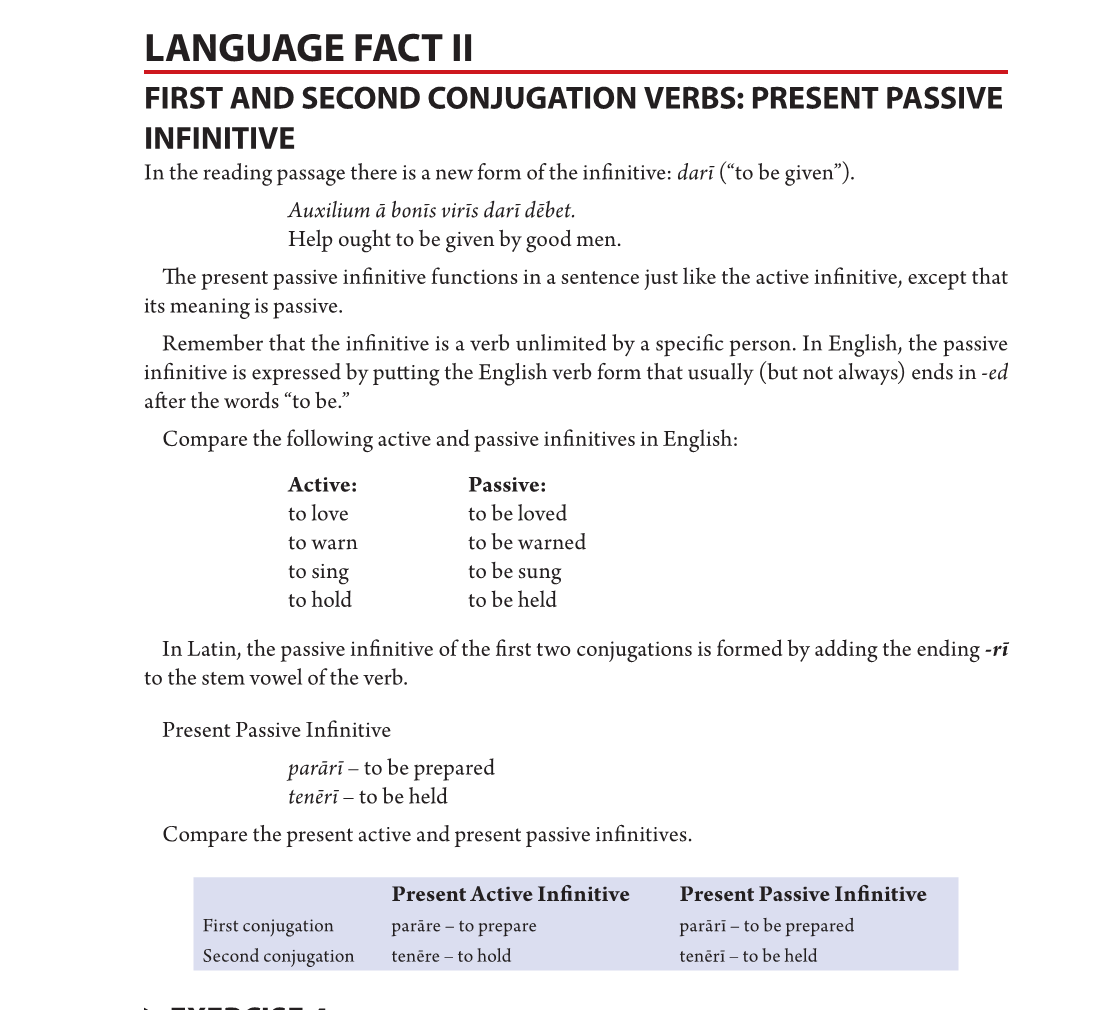
Pablo was hit by a flying rock.
The town was taken by Caesar’s soldiers.
Marcus traveled to Rome by wagon.
Cornelia saved herself by using her wits.
Which of the following is a passive infinitive?
tenērī
amāvī
timuī
iussī
When an active verb in a sentence is changed to the passive form, the direct object becomes
an ablative of agent
the indirect object
a predicate nominative
the subject
Which of the following is
NOT
passive?
they were sent
he was killed
we were happy
she was elected
Nōn sōlum puerī praemia darī dēbent sed etiam puellae.
Rewards ought to be given not only to the boy but also to the girl.
They ought to give not only the boy’s rewards but also the girl’s.
Not only ought the boys to give rewards but also the girls.
Not only boys but also girls ought to be given rewards.
Vipsania owes (her) brother a long letter.
Vipsānia fīliō epistulam longam dēbet
.
Vipsānia fīlium longam epistulam dēbet
.
Vipsānia fīlium longum epistulae dēbet.
Vipsānia fīliō longae epistulae dēbet.
The sailors are waiting for (their) beautiful daughters.
Fīliae pulchrae ā nautīs exspectantur.
Nautae fīliābus pulchrīs exspectant.
Nautae fīliīs pulchrīs exspectantur.
Nautae fīliās pulchrās exspectant.
he is being held
est tenet
tenet
tenētur
est tenentur
Which of the following does
NOT
belong grammatically?
ab
dē
ex
ad
Susan was known for her
lachrymosity
.
She hollered loudly.
She spoke softly.
She cried easily.
She laughed often.
What is the meaning of the word from which we derive “auxiliary”?
plan
aid
nice
design
Which of the following could be described as
sempi
ternal?
diamond
birthday
election
Latin class
The principal noticed that the students were
cogitating
during a test as she passed by the classroom window.
socializing
daydreaming
passing notes
thinking hard
It is easy to see that the Italian
famiglia
and the French
famille
are derived from the Latin word meaning
son
appearance
family
story
Epistle is a more formal word for
pimple
departure
letter
self-confidence
Anna was known at school for her pulchritude.
intelligence
beauty
athletic prowess
friendliness
Mark had a dolorous look on his face when
he won the Latin Club award
a classmate laughed at his silly excuses for not finishing the assignment
his teacher told him he passed the test
his football team lost the state championship game.