Log in
Sign up for FREE
arrow_back
Library

Genetically Modified Organisms UNIT

star
star
star
star
star
Last updated over 5 years ago
33 questions
Note from the author:
This is a unit created during remote learning. It is the first time I've used Formative to structure a longer, multiple week task.
1
1
1
1
1
1
1
1
1
1
1
1
1
1
1
1

Below is the updated schedule - keep checking this please!

Part A: What is a GMO?

Question 1
1.

Check in!

Before reading any of the articles, please write your thinking on the space below.

Absorb

Use the following six links to explore some resources explaining what a GMO is. Feel free to take notes in your science journal.

HERE is a video if you were having trouble with the article links.


Question 2
2.

What does GMO stand for? (video)

Question 3
3.

What is the first genetically engineering crop to be approved commercially in the United States? (Intro to GMO article)

Question 4
4.

Other countries are more strict that the United States in terms of allowing GMOs into the market (Intro to GMO article)

Question 5
5.

How is artificial selection different from genetically modifying organisms? (newsela article)

In your answer define artifical selection and genetically modified organisms.

Question 6
6.

What is the term the U.S. Department of Agriculture wants to use on labels instead of GMO? (USDA article)

Question 7
7.

What exactly is a GMO crop? (USDA article)

Question 8
8.

Connect

Be ready to discuss the following question on our Zoom Meeting. Write your thoughts here so they are ready to go!

What are some of the ways that people have changed the way organisms (plants and animals) look?

Be prepared to describe one example from the text and one example from the videos we have examined.

Question 9
9.

Apply


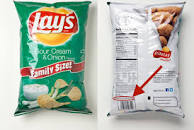
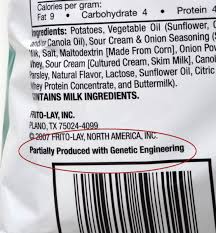
Look at the foods in your home. 1) Take a photo of three food products from three different parts of the MyPlate (see below) and 2) circle whether or not it is labeled with a GMO label or not. You can line the three items up in ONE photo. 3) You will add audio to your response in the next question. (An example is below.)

Circle the label.


Reflect

Return to Question #1 and make changes in a different color.


Part B: GMO Task Analysis


1
Question 11
11.
1
Question 12
12.
1
Question 13
13.
1
Question 14
14.

Please watch the video but do not begin to fill out the chart until Berkeley tells you when. This is a group activity.

Here is a video to help you.


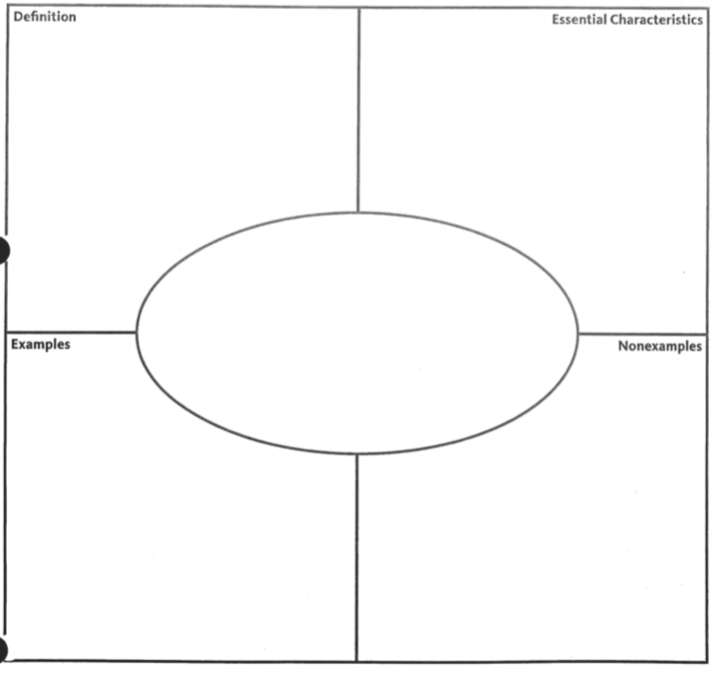
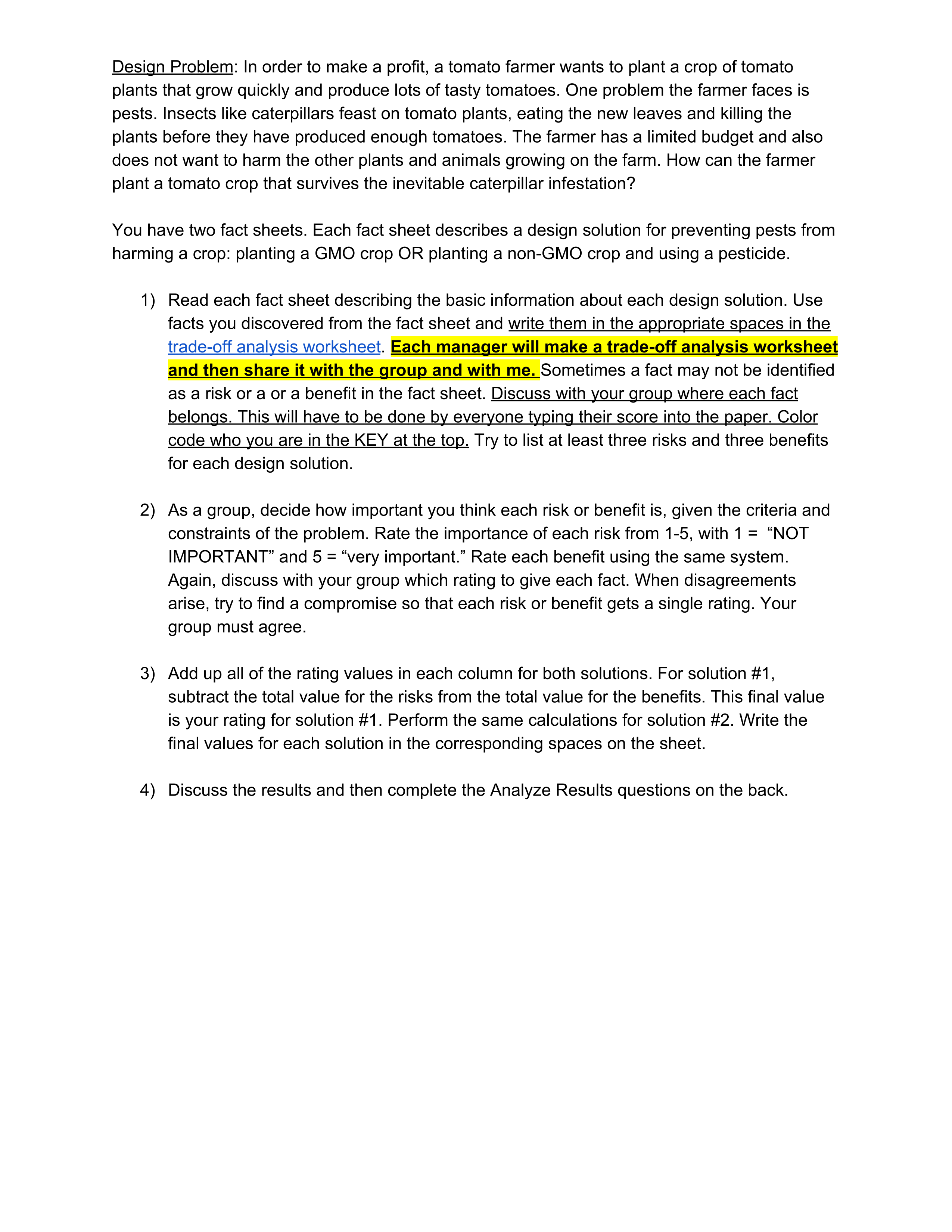
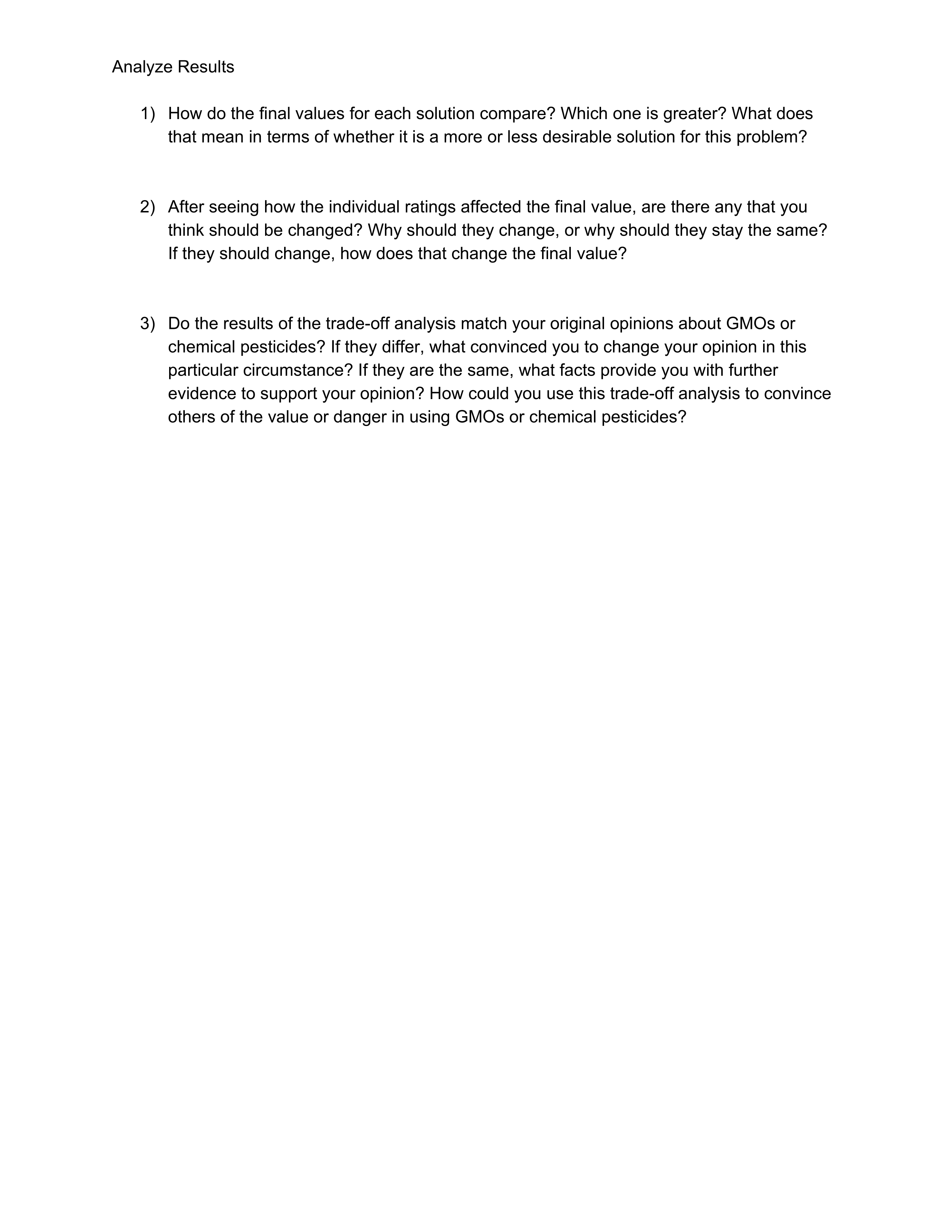
The trade off analysis worksheet needs to be shared and completed with your table group .

This is posted on google classroom attached to this assignment for all of you to see and use. It is also where you will turn it in.

The two fact sheets are in the document as well.

Leave your comments in the document and others will do the same.
1
Question 15
15.
1
Question 16
16.
1
Question 17
17.
Question 18
18.

Reflect

How does science help us make informed decisions about our lives such as GMOs?

Question 19
19.

Check in!

You should now be done with Part A and B.


Send me a celebratory photo of yourself after the work is done! The more creative photo the better! Others will eventually see this too. 😀

Part C: Are GMOs good or bad?

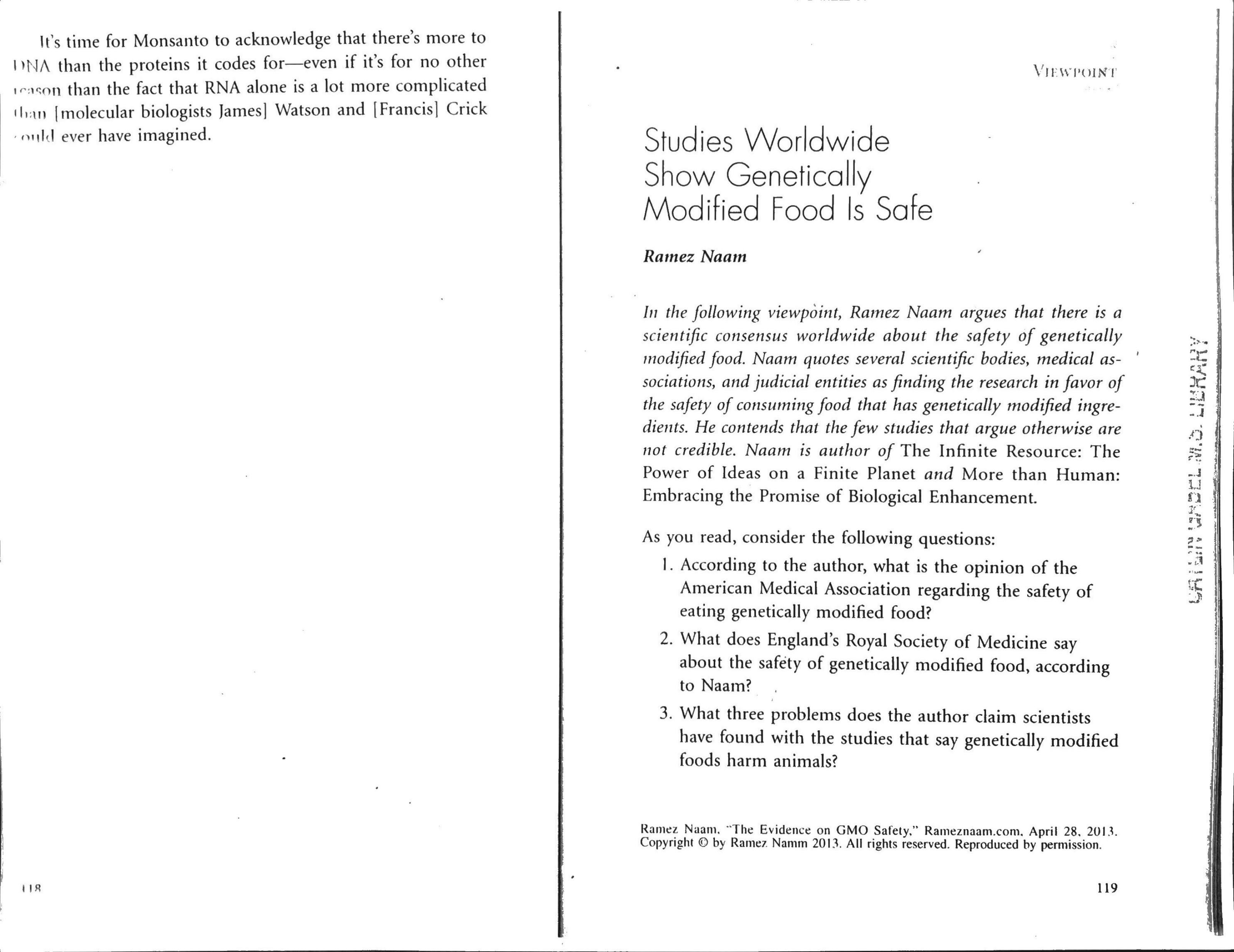
Absorb: Use the following resources to learn more about whether or not GMOs are good or bad.


Pick two of the articles and share your responses to the questions on the article that you chose.


Pay attention to bias in the author and read the questions at the beginning of the article to get you thinking.


1
1
Question 21
21.

Who is the author? Do they have any possible bias?

1
Question 22
22.

Question 1

1
1
1
1
Question 26
26.

Who is the author? Do they have any possible bias?

1
Question 27
27.

Question 1

1
1
Question 30
30.

Apply

In your opinion, are GMOs good or bad?

Write a thoughtful paragraph (7-10 sentences)including a claim, evidence and reasoning argument from the articles above.

Please attach this to the google classroom assignment as a document.


Here is an outline and rubric if you need to organize your thoughts and want to see how this is graded.

Question 31
31.

Check In

Re-read the the article, New label denoting bioengineered ingredients will soon appear on food items in 2020 (on previous resource list). According to the article, what is the current issue with the non-GMO labels in the store? Check all that apply.

Question 33
33.

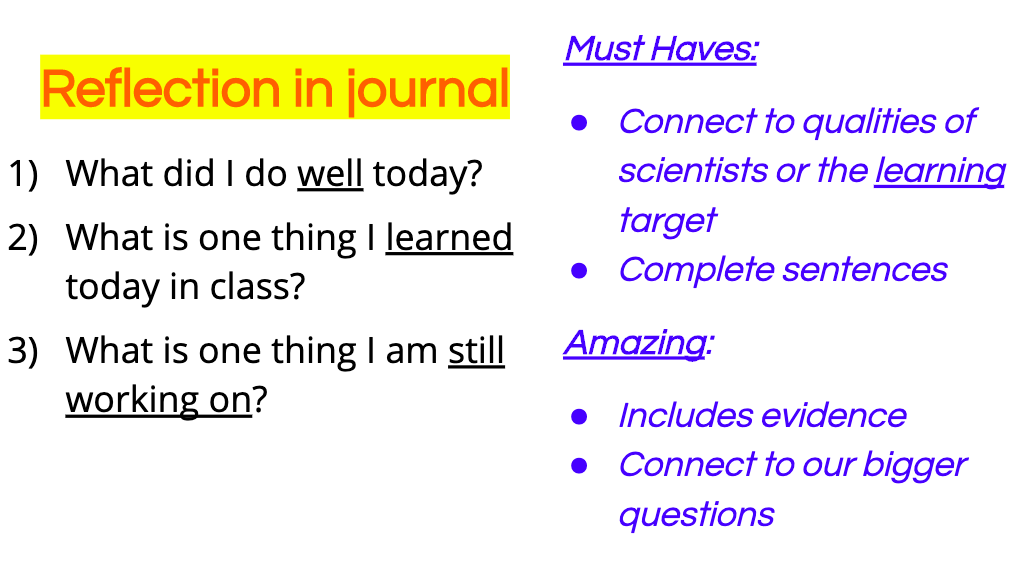
Reflect

Respond in the space below. Think about the whole project and the conversation with your family member as you respond to these questions.

This activity is adapted from Activate Learning.
Question 20
20.

Which article are you reading?

Question 23
23.

Question 2

Question 24
24.

Question 3

Question 25
25.

Which is the second article are you reading?

Question 28
28.

Question 2

Question 29
29.

Question 3