important in high school—reaching your goal of and clutching that diploma in your
hand, or taking time to appreciate the many moments (both good and
bad) that will lead up to graduation day?
4
4
Question 3
3.
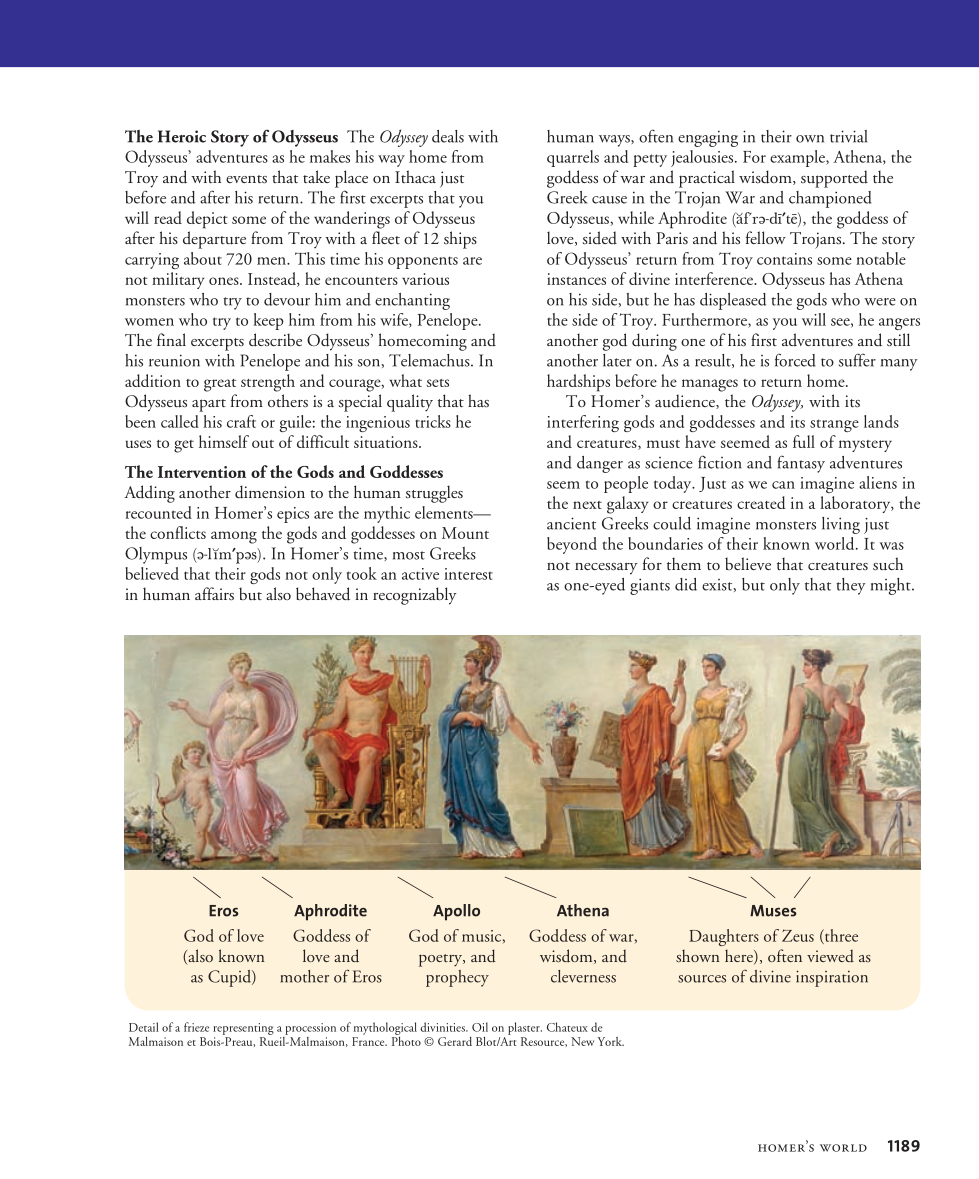
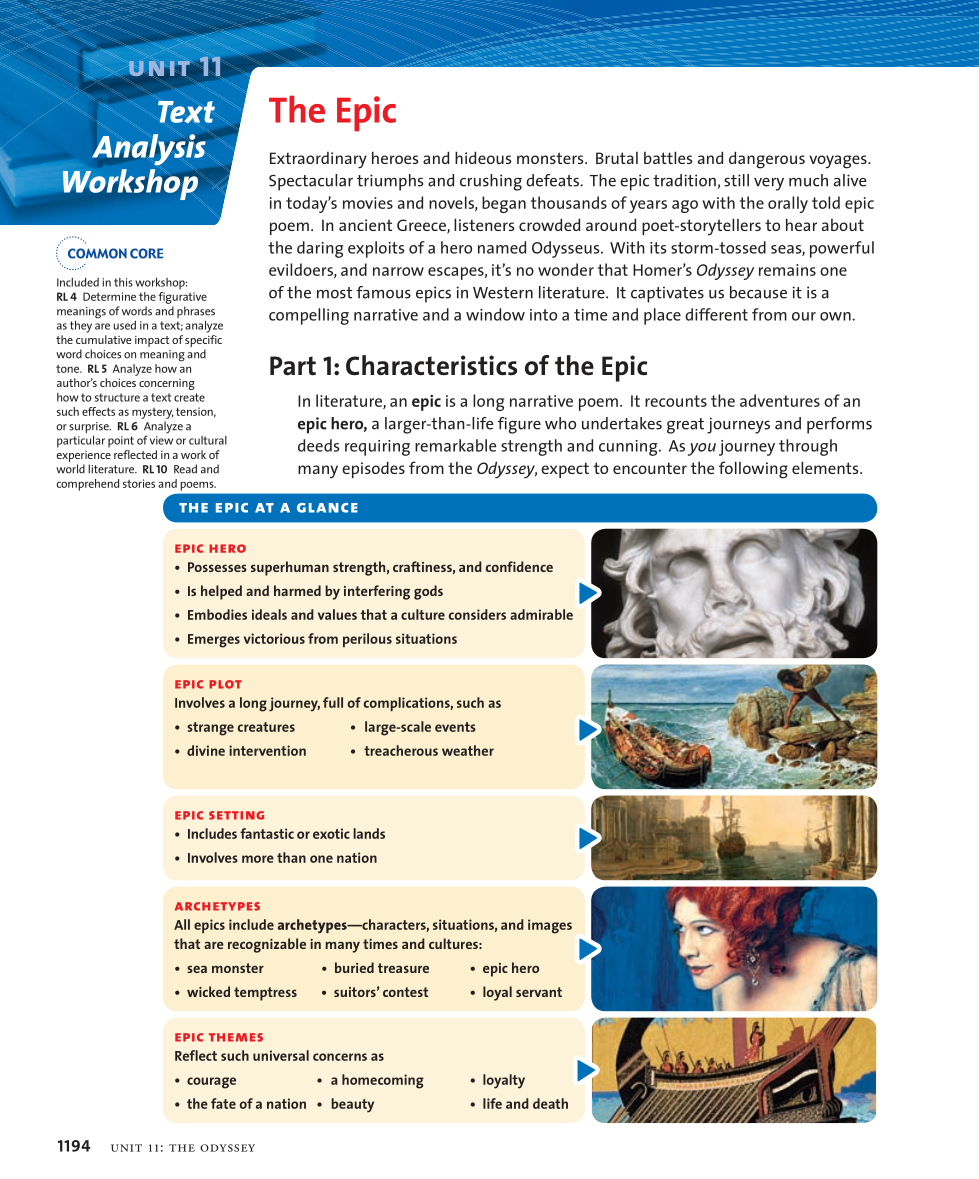
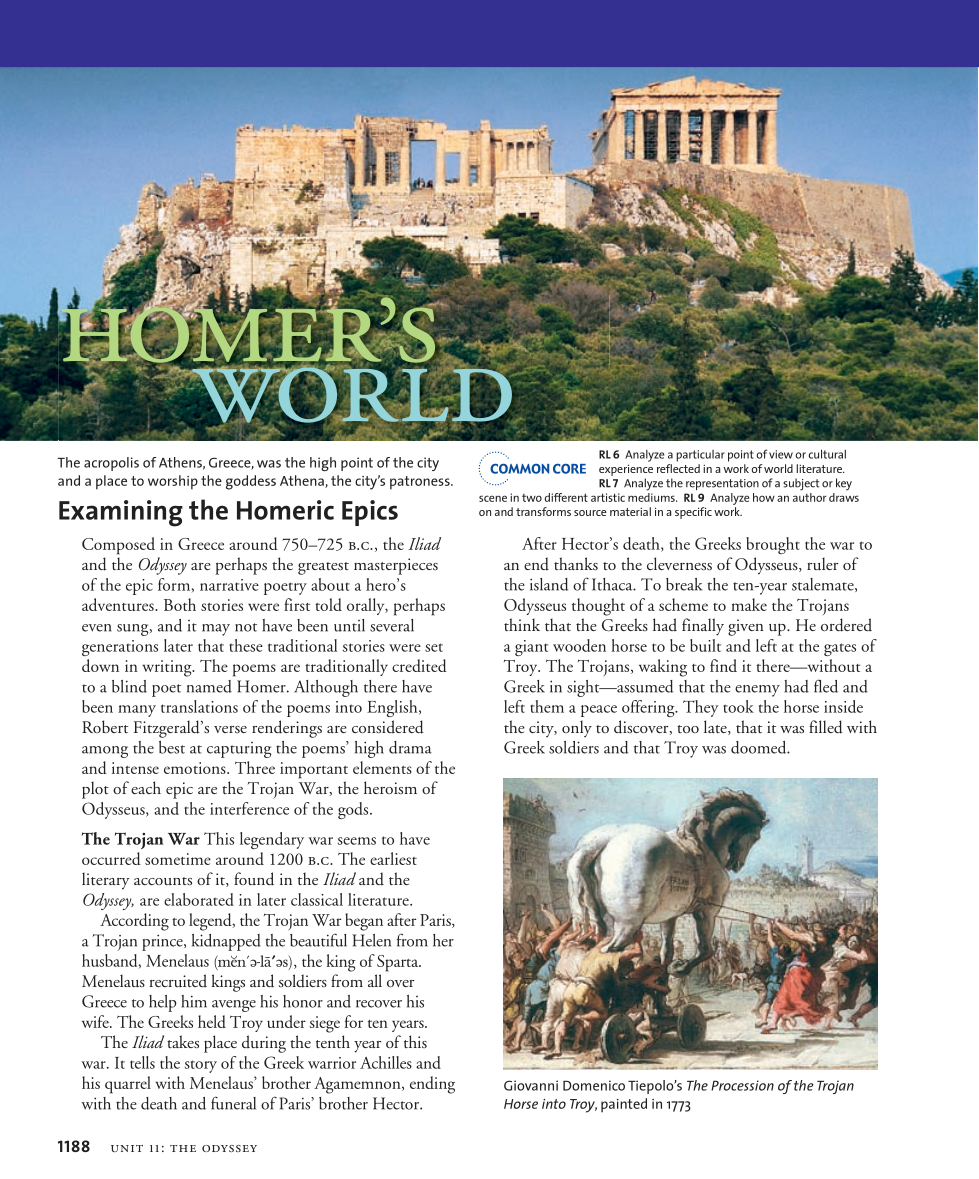
What are the three important elements of Greek epics?
4
4
4
Question 6
6.
What does the text mean with the phrase "divine interference"?
4
4
4
4
4
4
Question 12
12.
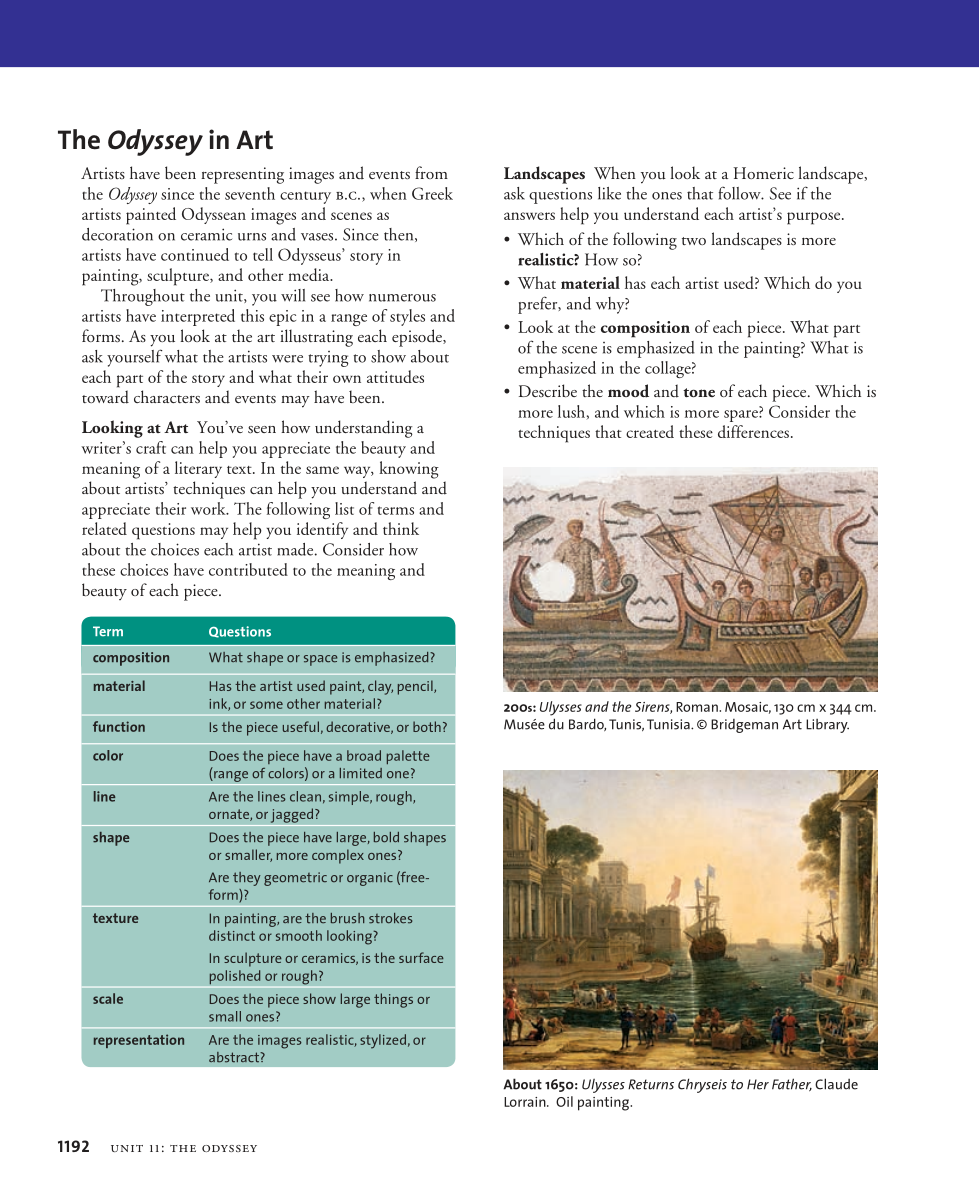
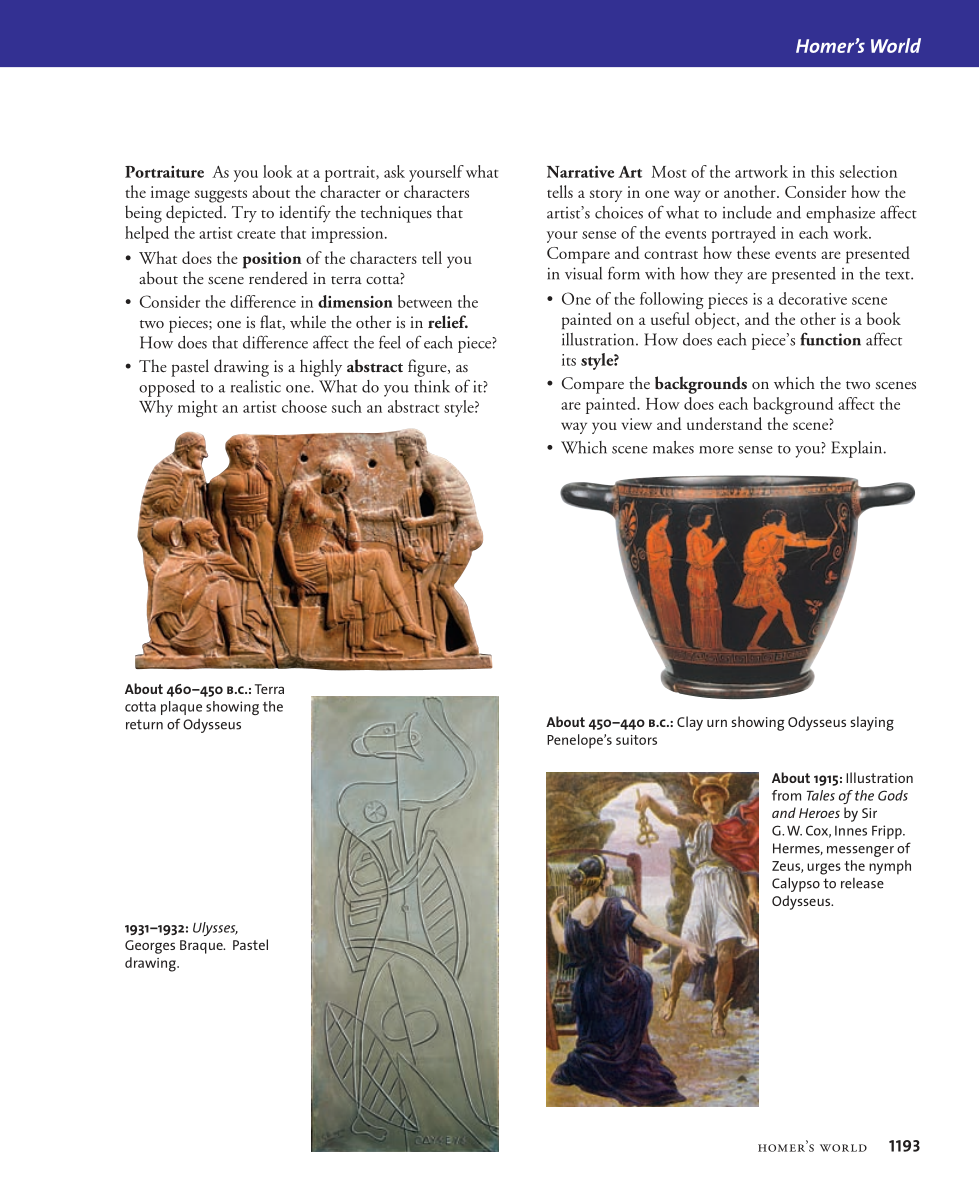
Which of the two landscapes to the left is more realistic? How so?
4
4
Question 14
14.
Look at the portrait piece of the left of this page. What does the position of the characters tell you about the scene?
4
4
4
Question 17
17.
This page has a lot of information on epics. Make THREE notes of information you did not know before you read this page.
4
4
4
4
4
4
4
4
4
Question 27
27.
Define epic (as a literary term):
Question 28
28.
Define epic hero:
Question 29
29.
Define epic simile (homeric simile):
Question 2
2.
List book,, movies, or TV shows that depict a journey of some sort (list about 4); Then, respond: Which seems more important to the story, the destination the character strives to reach or the
journey itself?
Question 4
4.
Question 5
5.
Question 7
7.
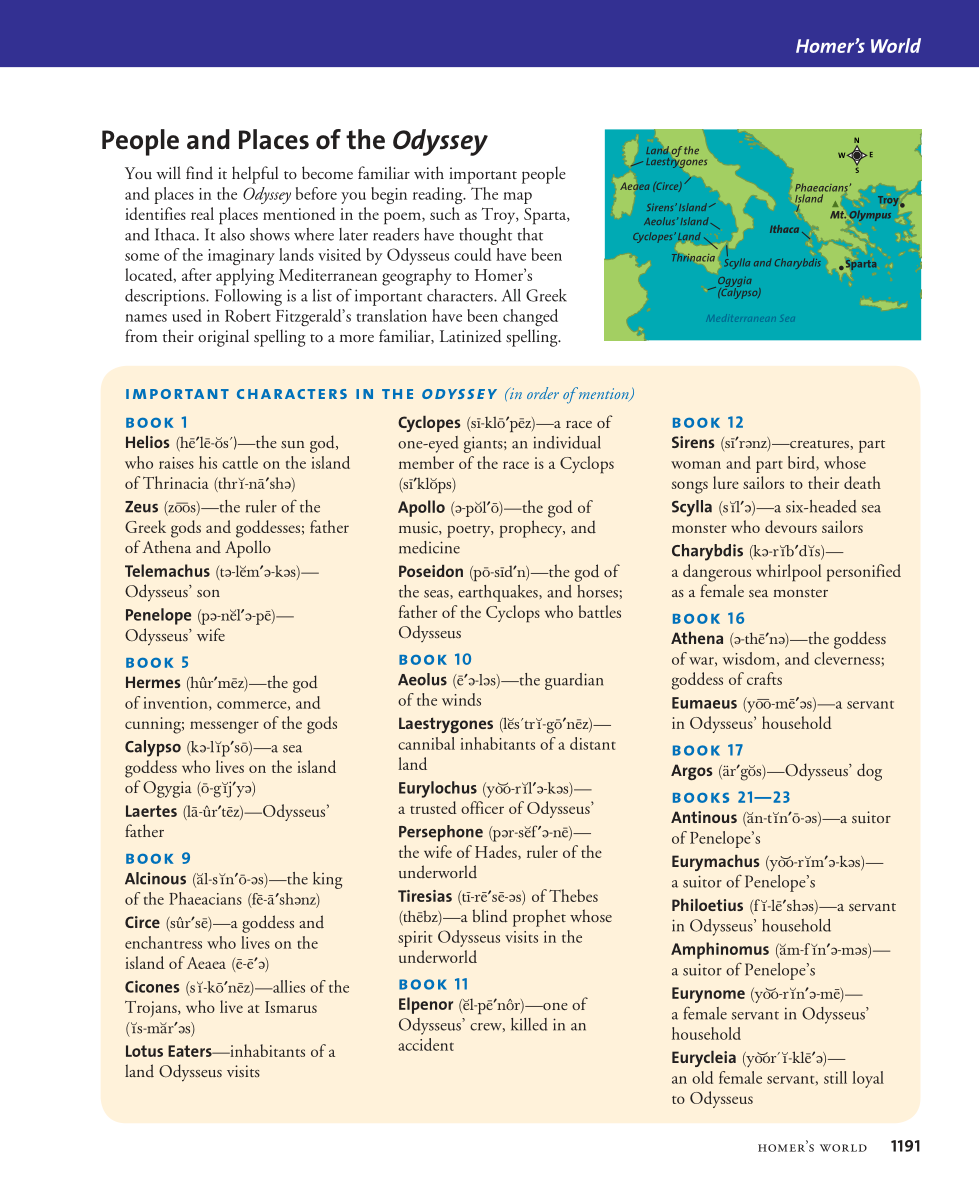
Why is Odysseus forced to suffer hardships on his way home to Ithaka?
Question 8
8.
Question 9
9.
Question 10
10.
Question 13
13.
Look at the composition of each art piece. What part of the scene is emphasized in the painting? What is emphasized in the collage / mosaic?
Question 15
15.
This pastel drawing is highly abstract. What do you think of it? Why might an artist choose such an abstract style?
Question 16
16.
Question 18
18.
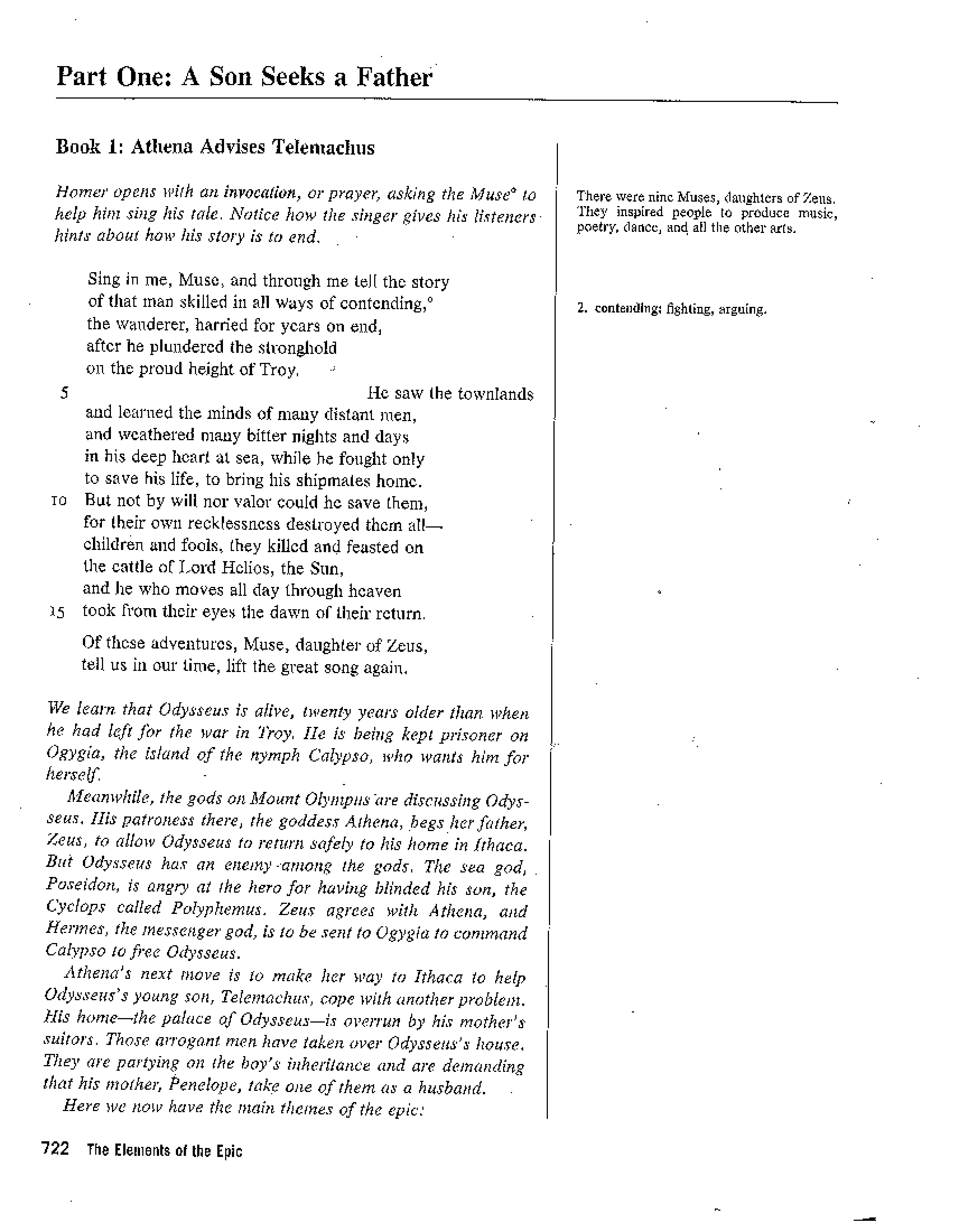
What are the hints Homer gives his audience (listener) about how the story will end?
Question 19
19.
Question 20
20.
Explain the figurative language that occurs in line 15. What it the literal meaning, and how it the figurative langauge used more effective? (write 2 sentences)
Question 21
21.
Pay attention to how the Gods interfere in the lives of mortals? How do they intervene here?
Question 22
22.
Question 23
23.
Question 24
24.
Explain in a few words the context of what is happening in Ithaca, Odysseus's home, when Athena intervenes.
Question 25
25.
Odysseus left Ithaka to fight in the Trojan War, which took 10 years, when Telemachus was an infant. However, at the beginning of the Odyssey, Telemachus is 20 years old. Make an inference about the narrative structure of the Odyssey using the terminology you learned in question 6.
Question 26
26.
True/ False: The Odyssey is set before the Iliad.
True
False
Who or what are the primary antagonists in the Odyssey?
military men
monsters
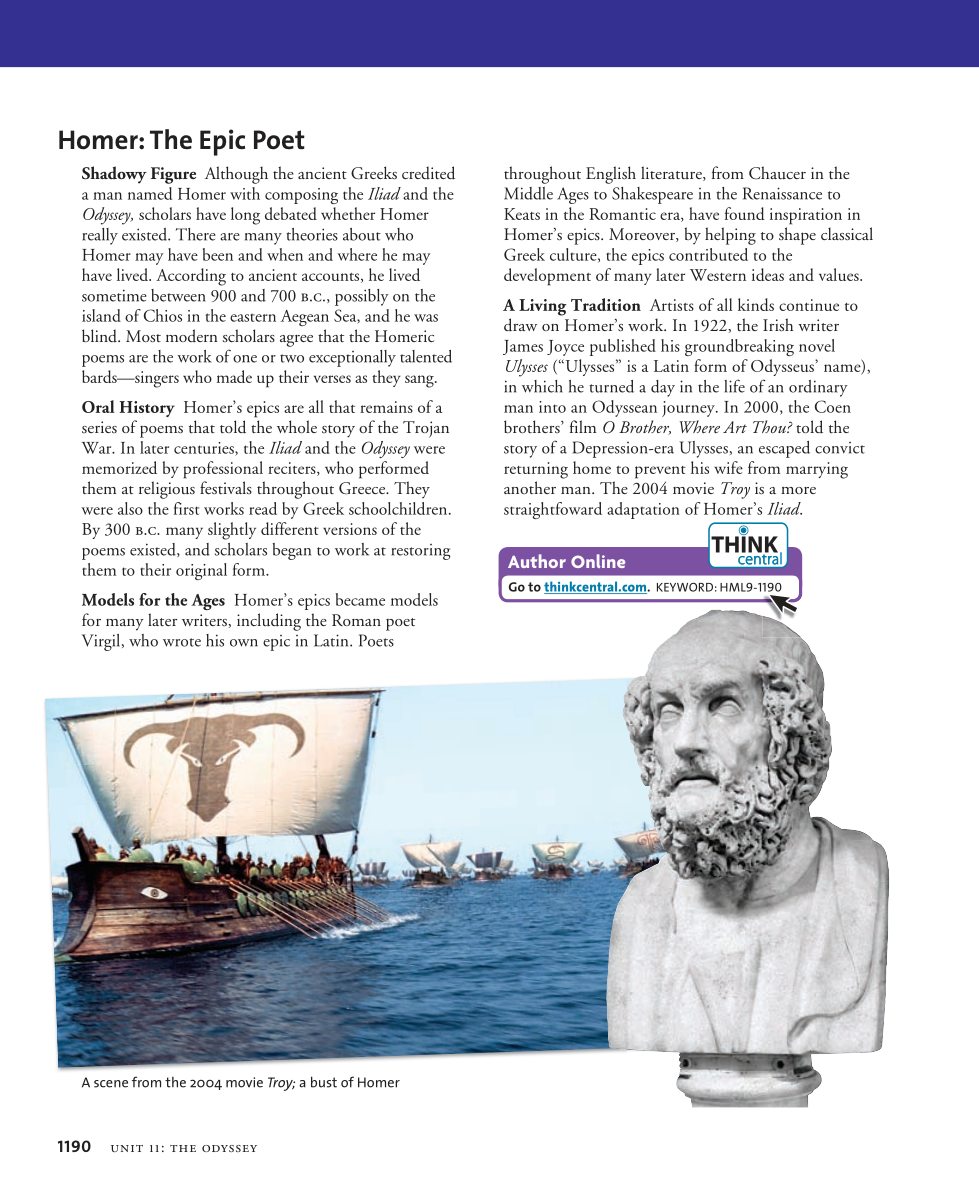
Which of these statements about the figure of Homer is not being considered in this text?
Homer may have been blind
Homer probably lived between 700 - 900 BC
Homer may have been a woman
Homer may have lived on the eastern Aegean Sea
By 300 BC, there were many slightly different versions of the Iliad and the Odyssey.
True
False
Homer's Odyssey continues to inspite modern art.
True
False
Which of these scenes - the clay urn of the illustration -- makes more sense to you?
clay urn
illustration
Based on the context, what is most likely the meaning of the word "harried"?
motivated
beleaguered
persuaded
chided
What does the Gods' interventions in the lives of mortals show about Greek belief?
The Greeks believed the gods played only a small role in their lives
The Greeks believed the gods played a significant role in their lives.
The Greeks believed the gods were worthless and useless to men and women.
The Greeks believed the Gods were impartial and distributed justice evenly.
What is the definition of "medias res" (you may look it up)
the narrative opens in the midst of the plot
the narrative uses foreshadowing to give hints or clues
the narrative follows chronological time lines
the narrative follows multiple points of view
Which Olympian god is considered to be the enemy of Odysseus?