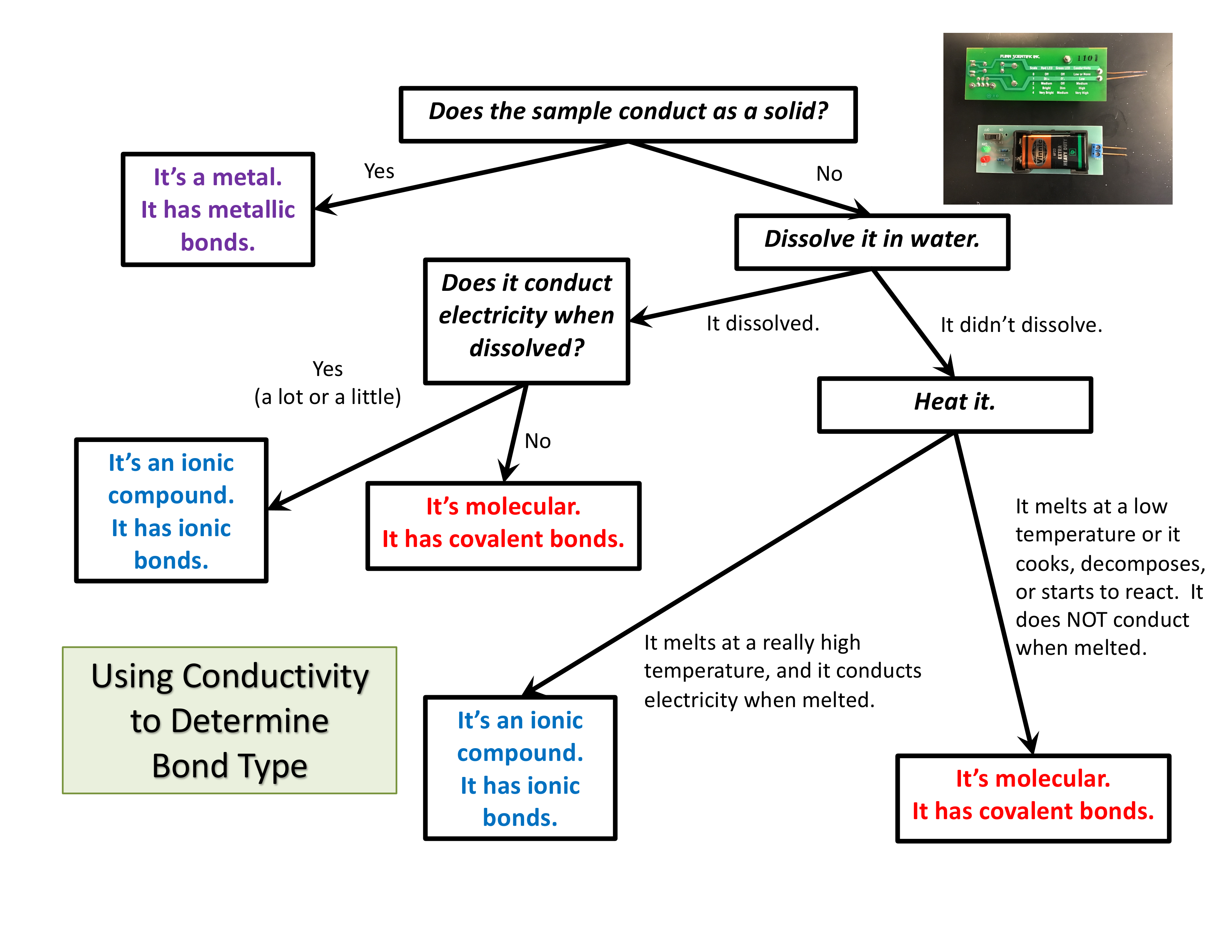
This is a lesson on how to use a conductivity tester to determine the type of bond in a substance.
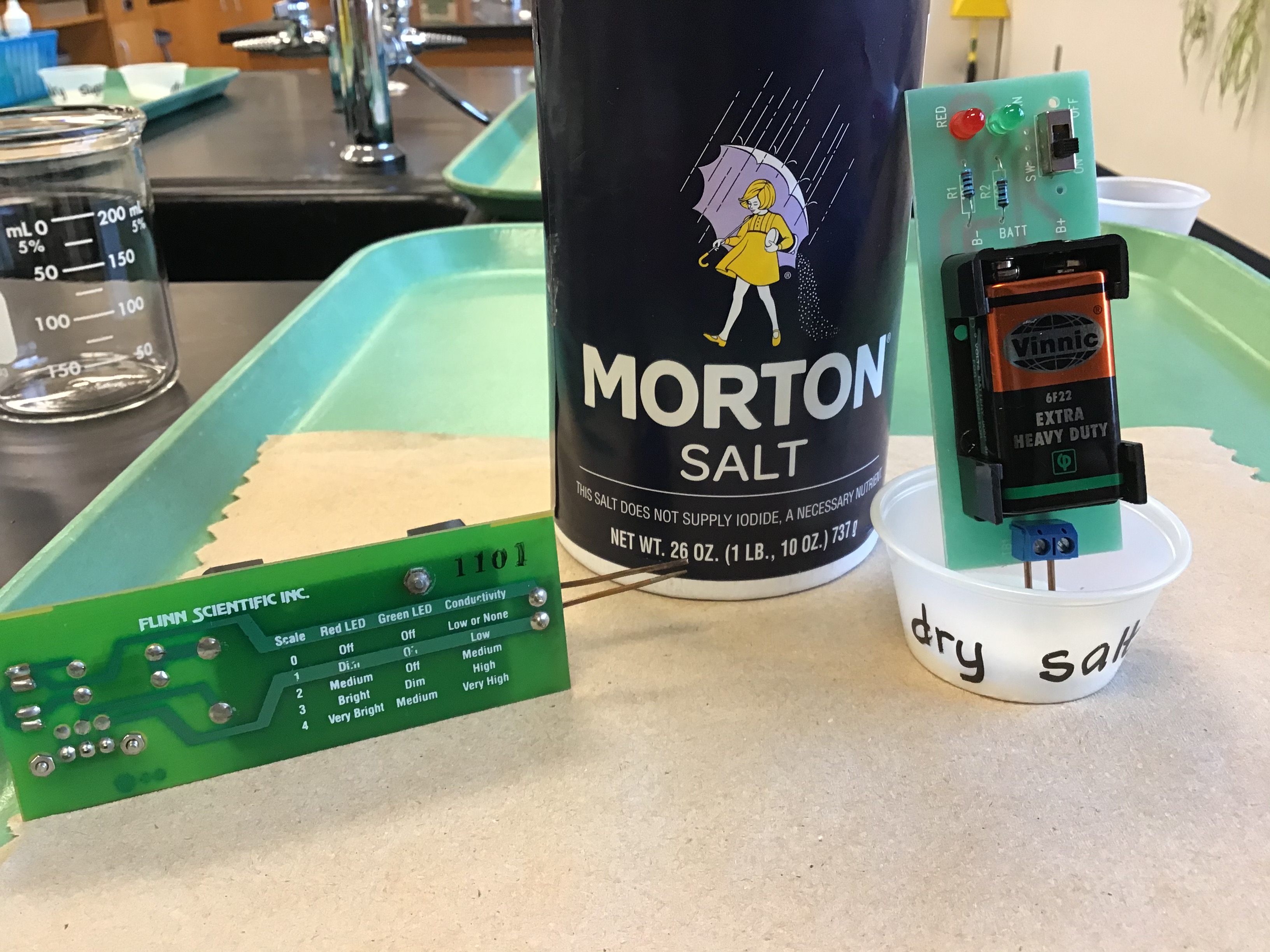
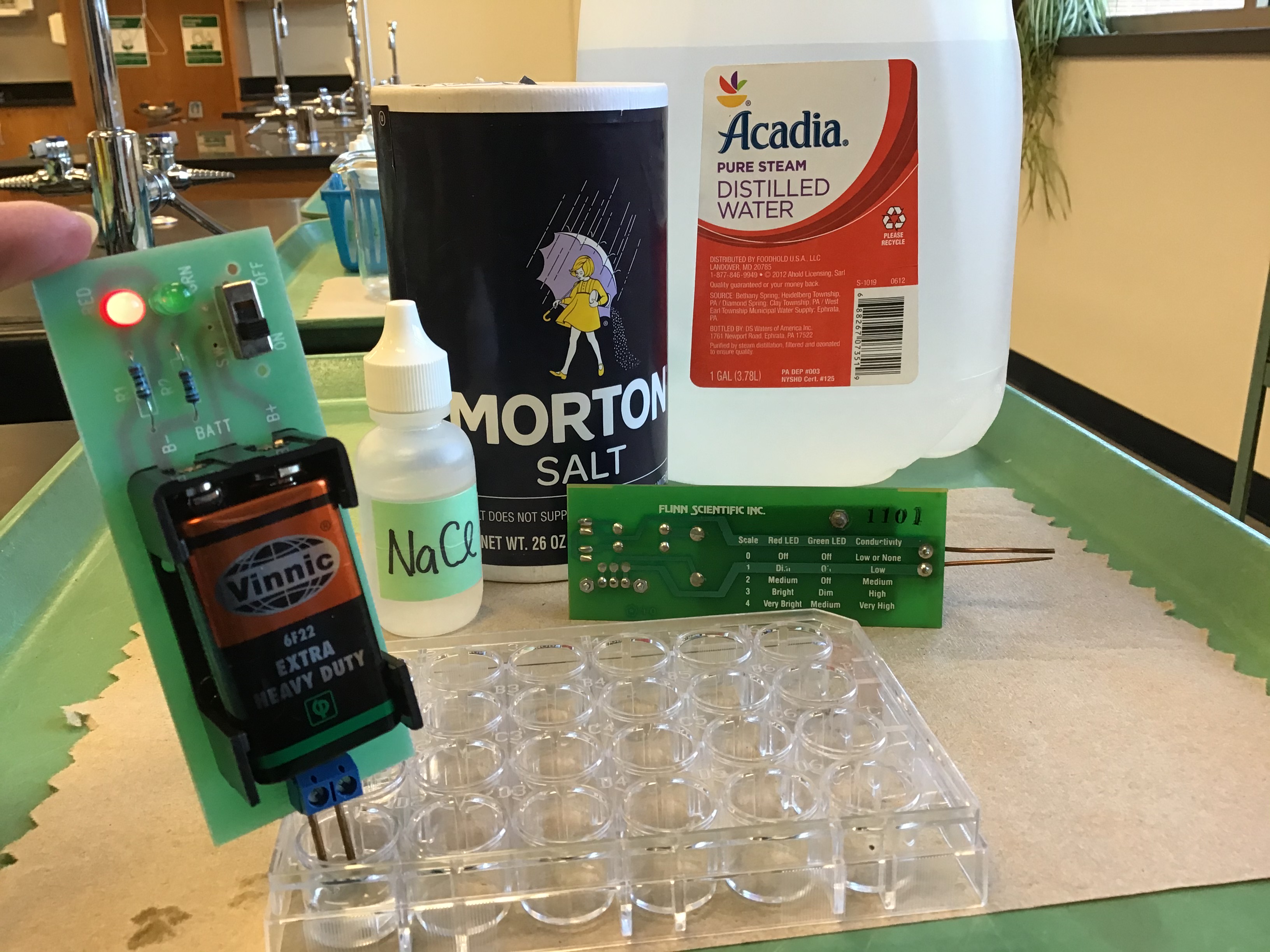
What type of chemical bond is in the substance sodium chloride?
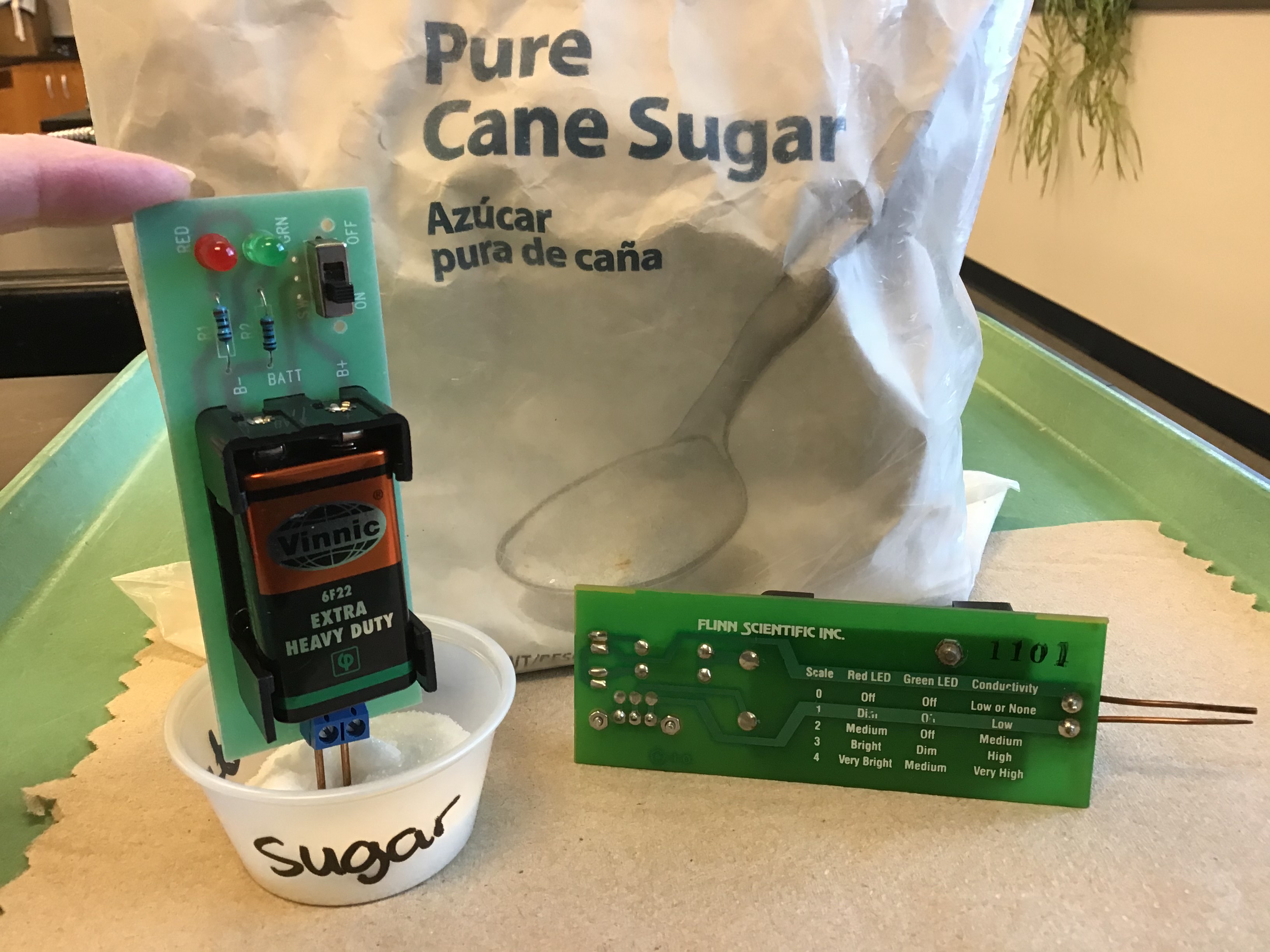
What type of chemical bond is in the substance sucrose?
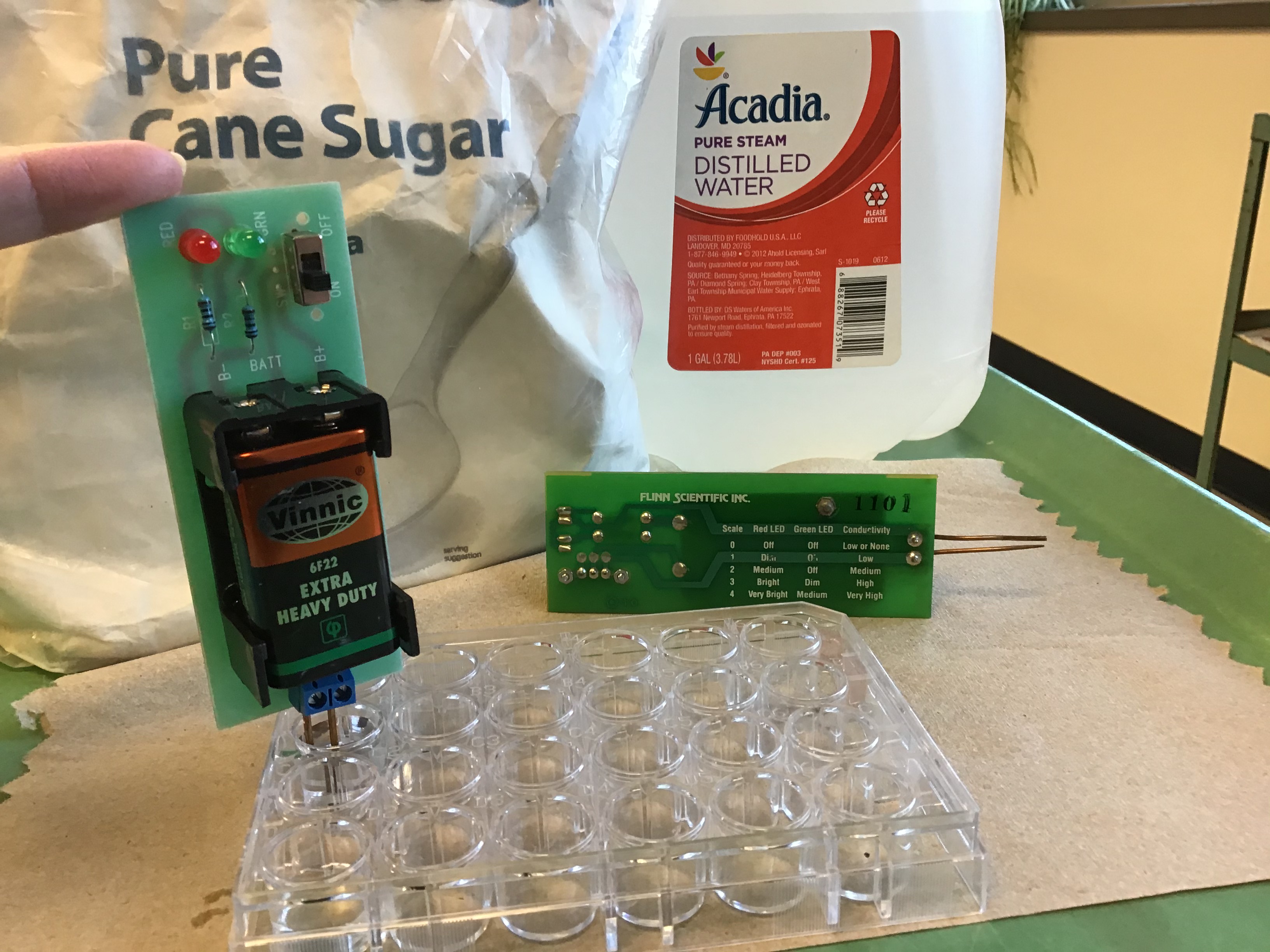
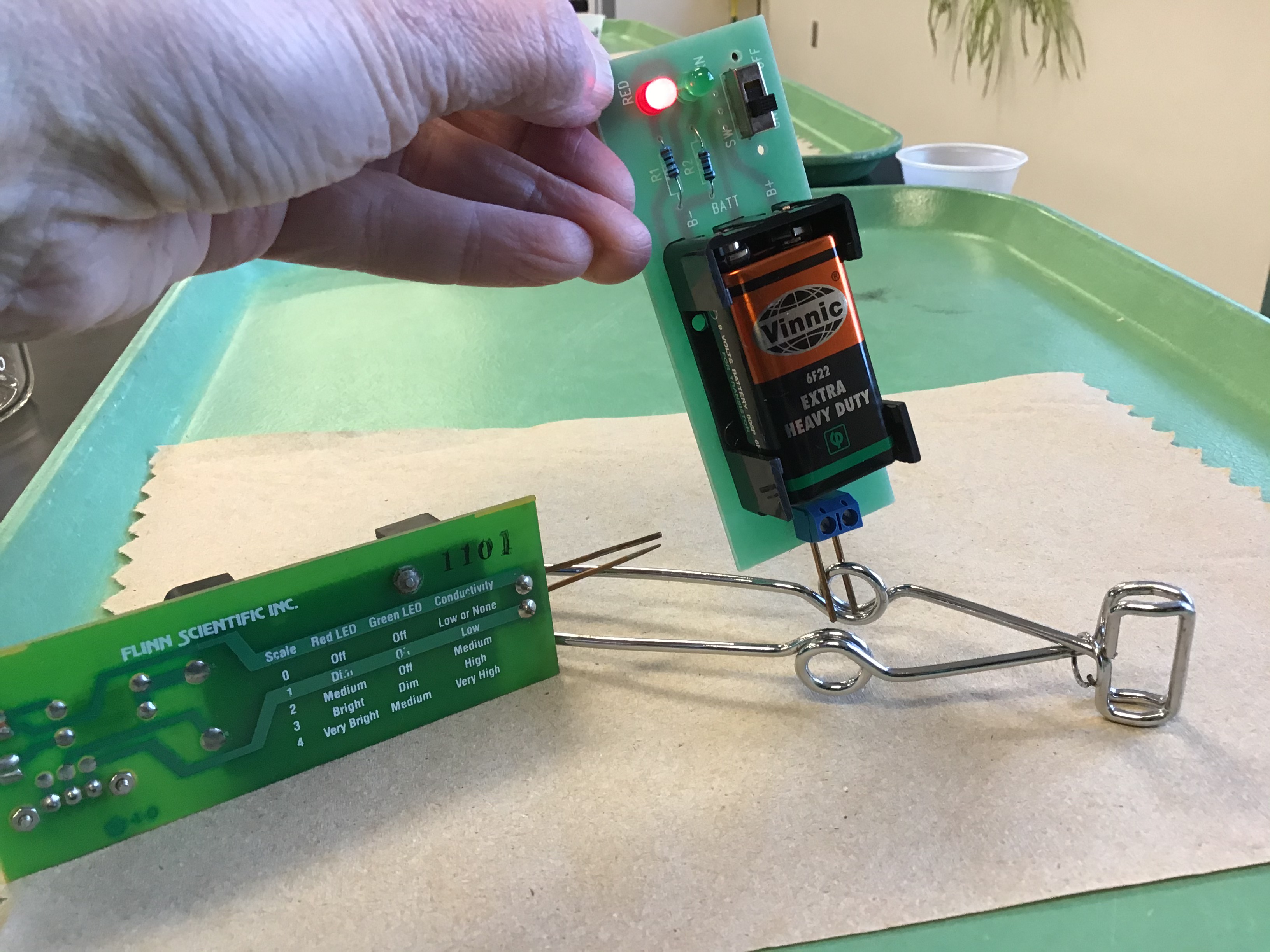
What type of chemical bond is in this test tube holder?
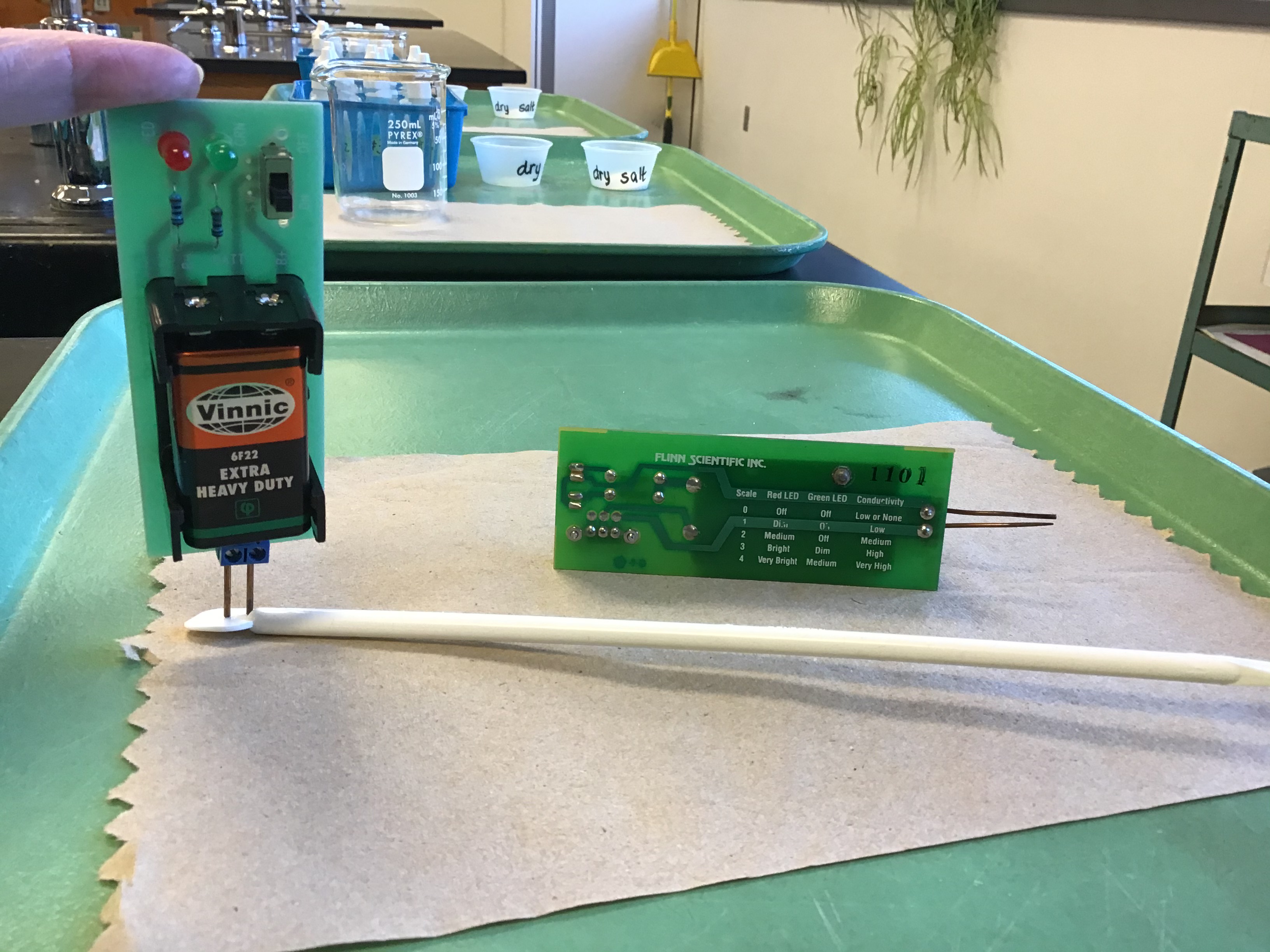
What type of chemical bond is in this stirring rod?
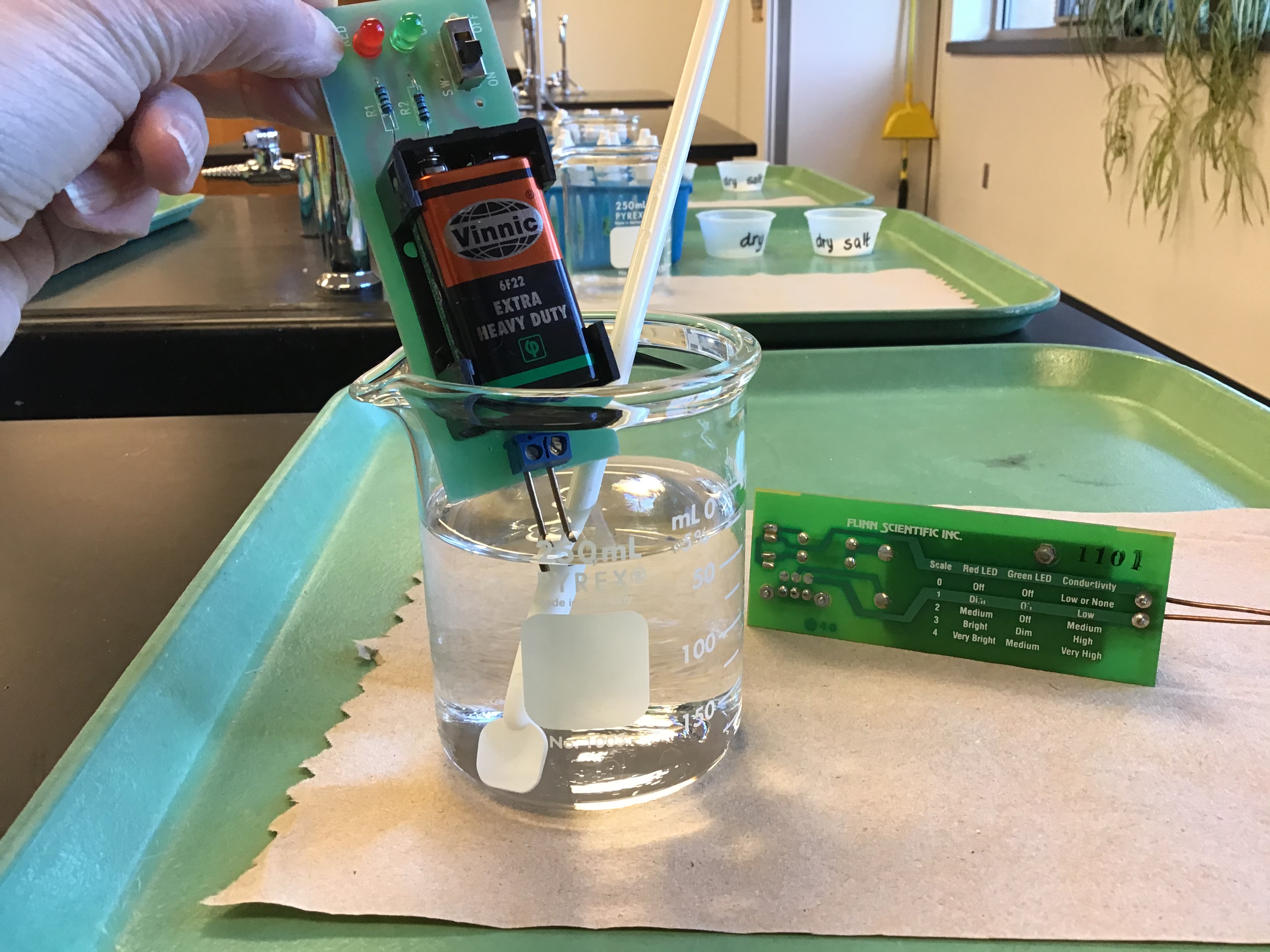
What type of chemical bond is in the substance distilled water?
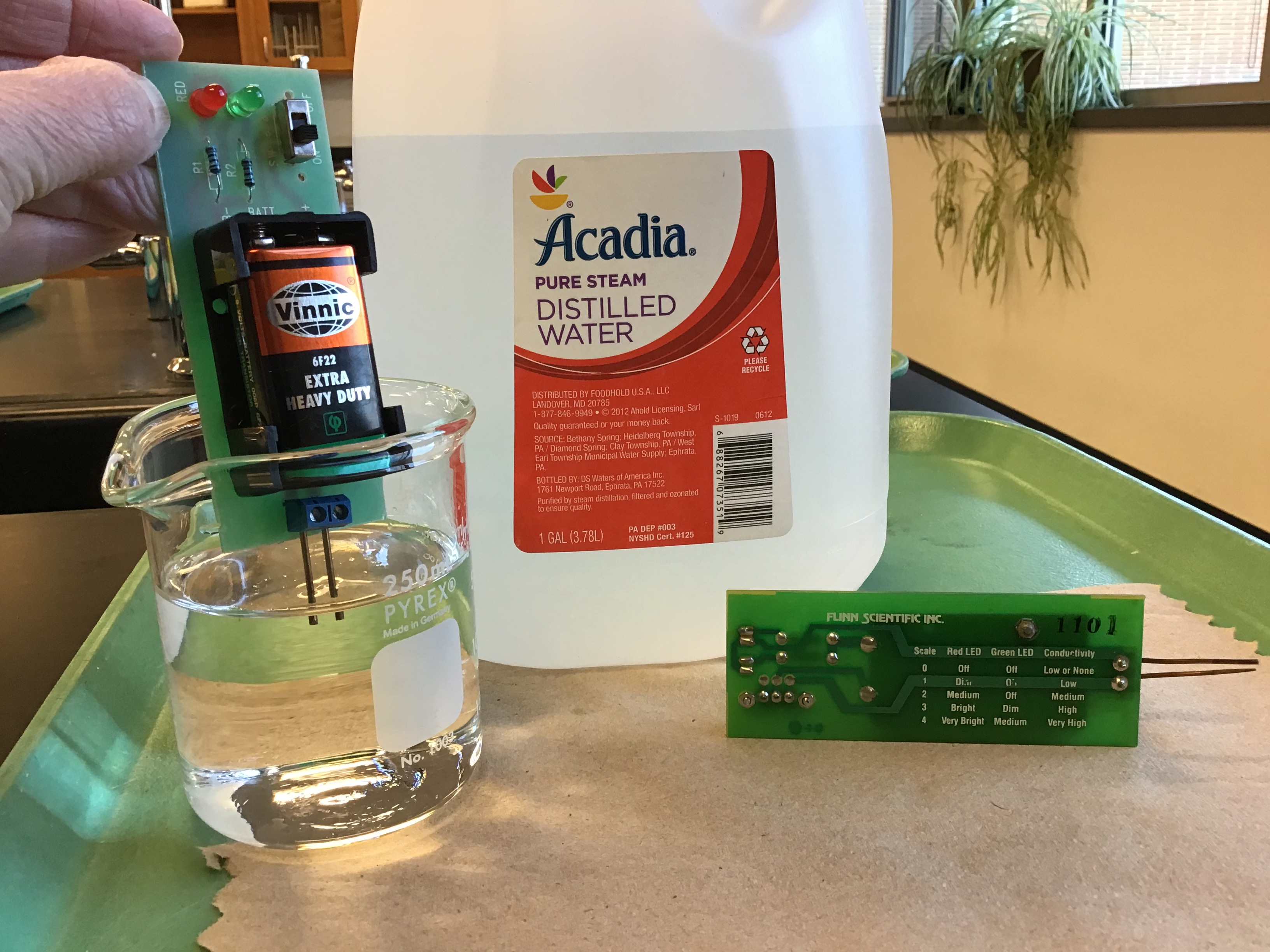
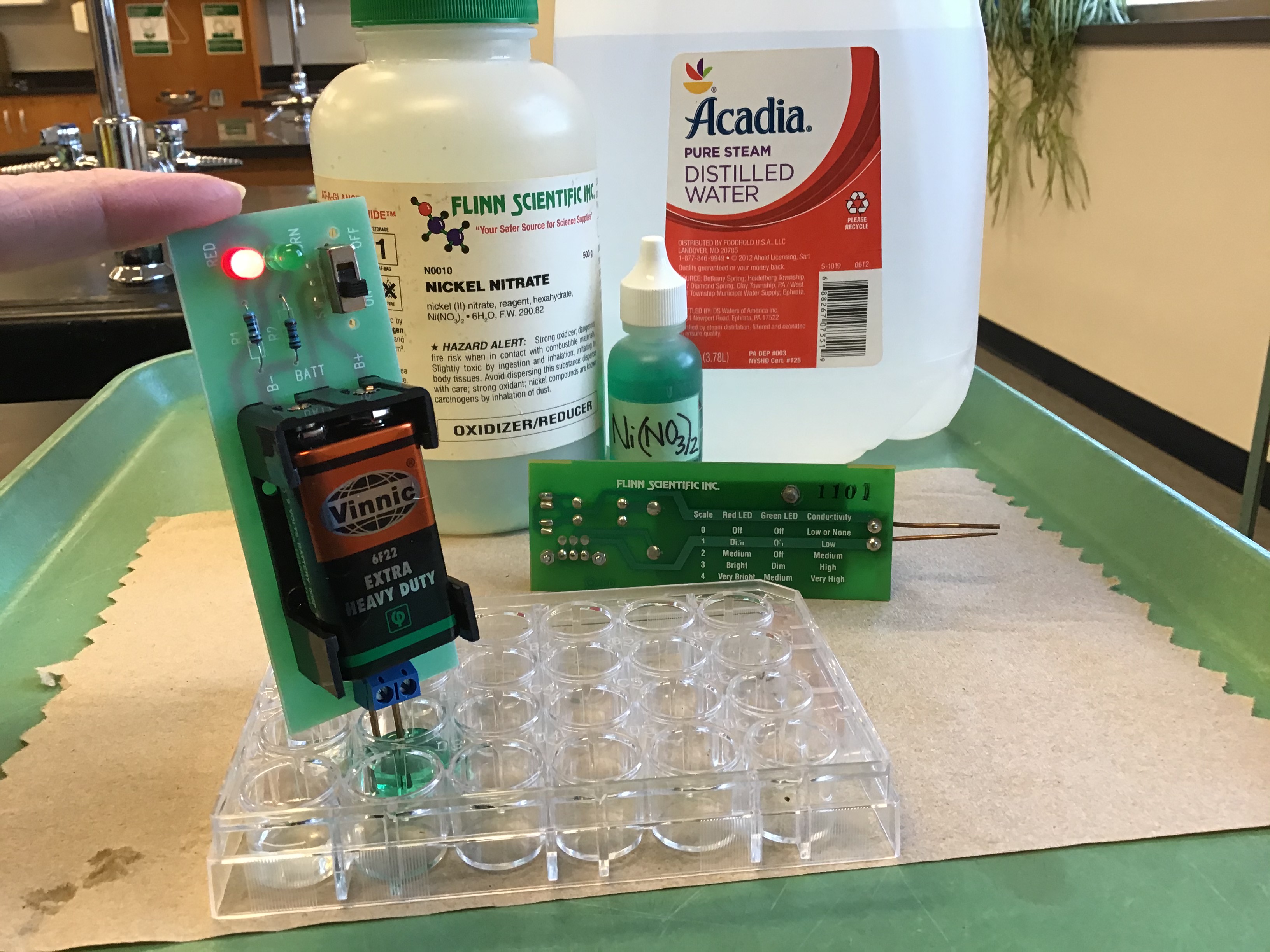
What type of chemical bond is in the substance nickel(II) nitrate?
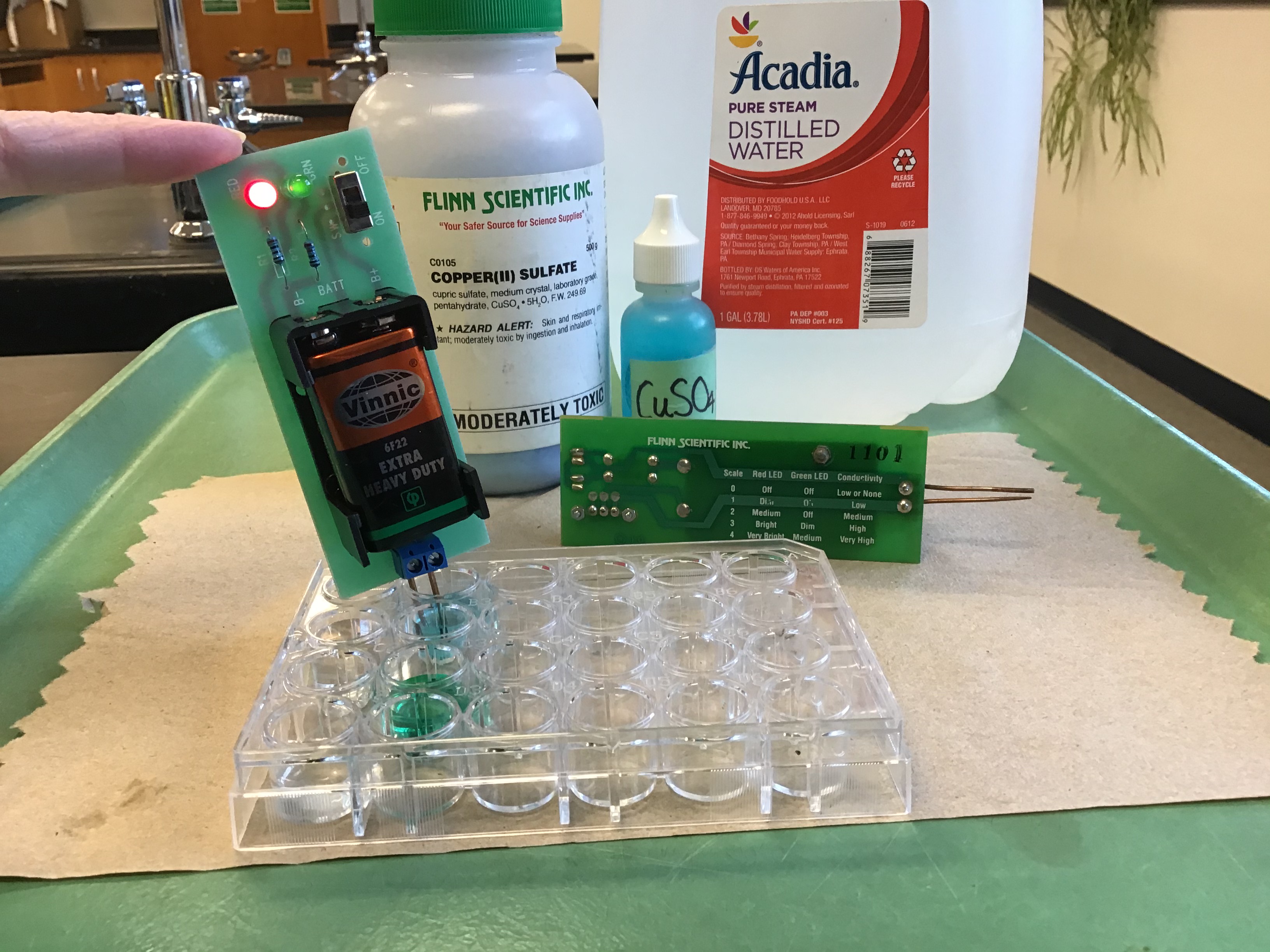
What type of chemical bond is in the substance copper(II) sulfate?
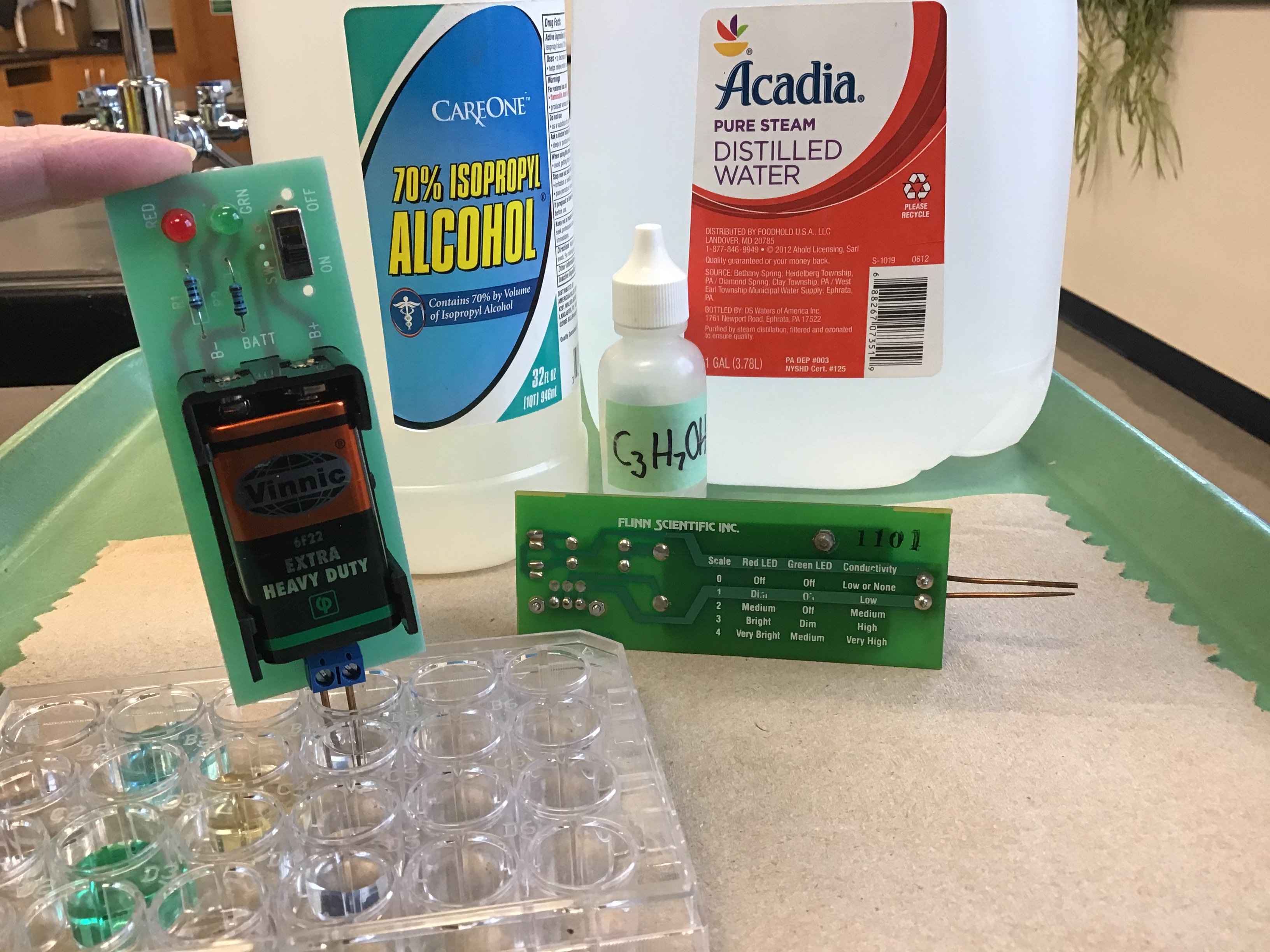
What type of chemical bond is in the substance isopropyl alcohol?
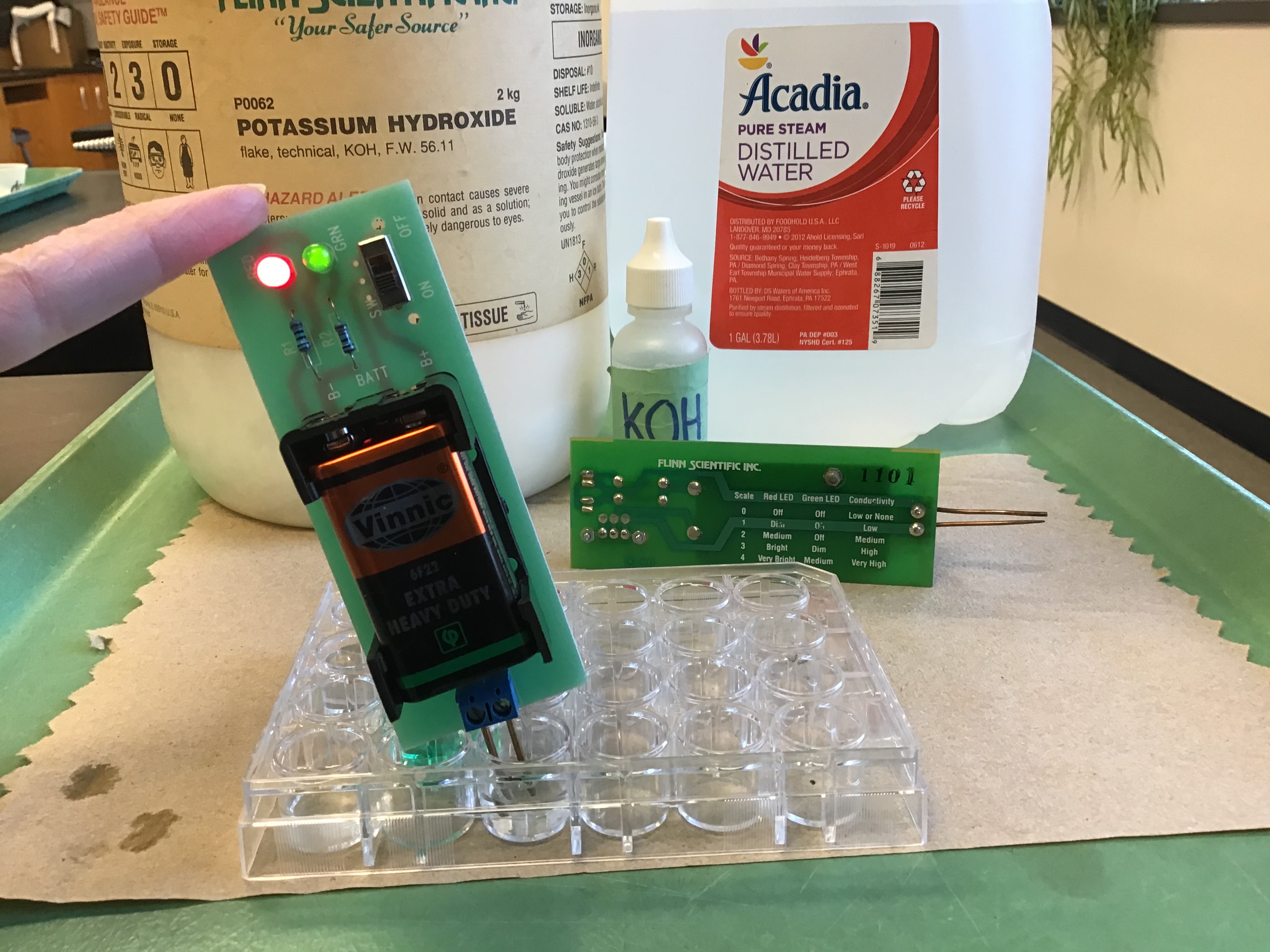
What type of chemical bond is in the substance potassium hydroxide?
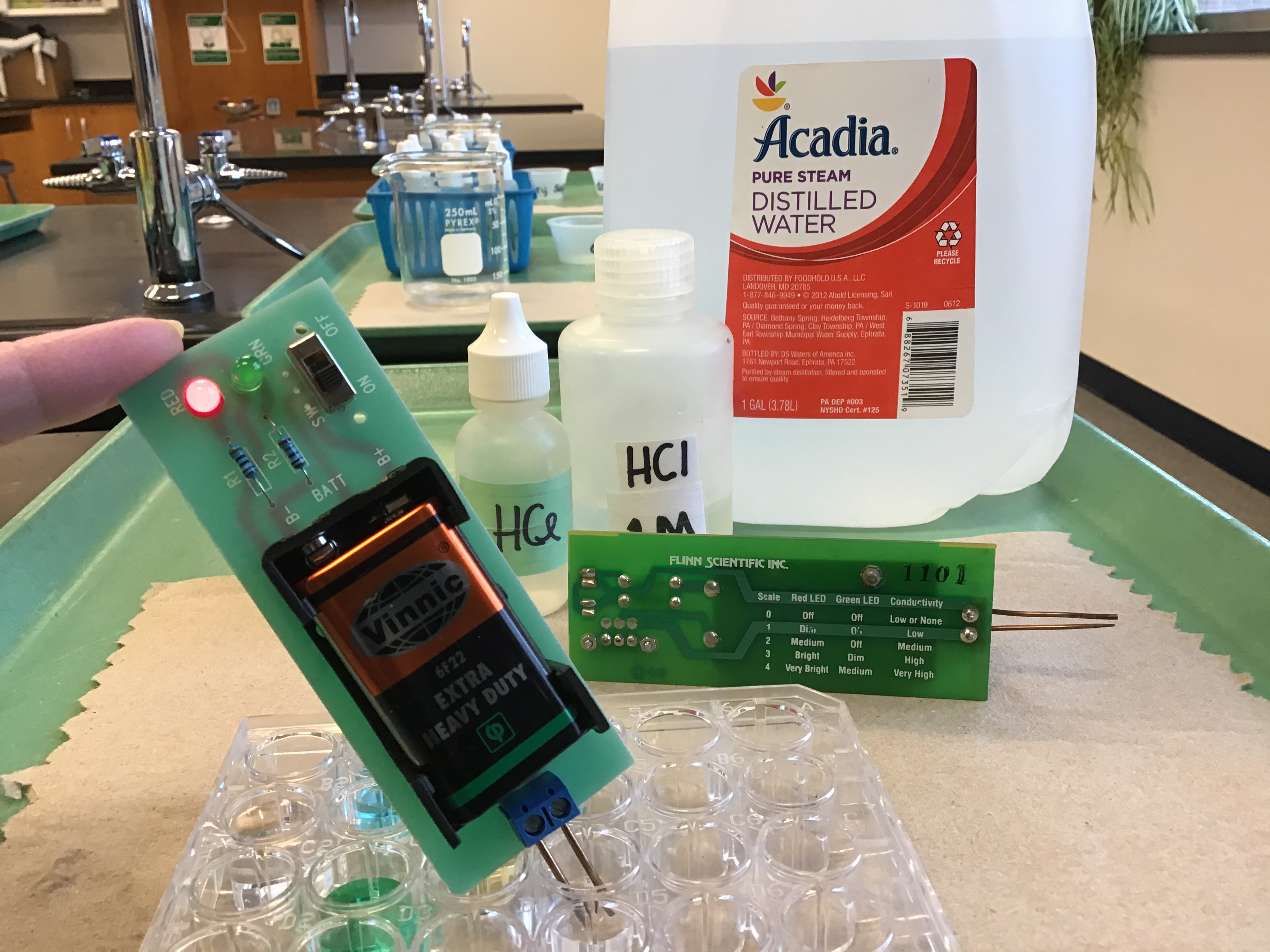
What type of chemical bond is in the substance hydrochloric acid?
What are the characteristics of electrolytes and nonelectrolytes?
Electrolyte | Nonelectrolyte | |
|---|---|---|
Made of charged fragments of compounds | ||
Made of entire molecules | ||
Do not conduct electricity when dissoled in water | ||
Do conduct electricity when dissolved in water | ||
Connected with covalent bonds | ||
Connected with ionic bonds |
What is an aqueous solution?
What condition must be met in order for a material to conduct electricity?
What happens to substances when they dissolve in water?
Substances with Ionic Bonds | Substances with Covalent Bonds | True for all Substances | |
|---|---|---|---|
Particles get surrounded by water molecules | |||
Substance fragments into charged bits | |||
Substance remains as whole units |
Please submit a screenshot or a copy of your document of the data chart for the conductivity lab-tivity. Be certain to include the definitions for the terms below the chart.