Science 8-2: Light and Optics Final
star
star
star
star
star
Last updated 7 months ago
50 Nsɛmmisa
Ɛhia
1
Find below the final exam for the Light and Optics unit. This is a comprehensive exam, and you will need to use some resources to assist in completing it fully. Be sure to use the final review and ANY of your class notes to help you out.
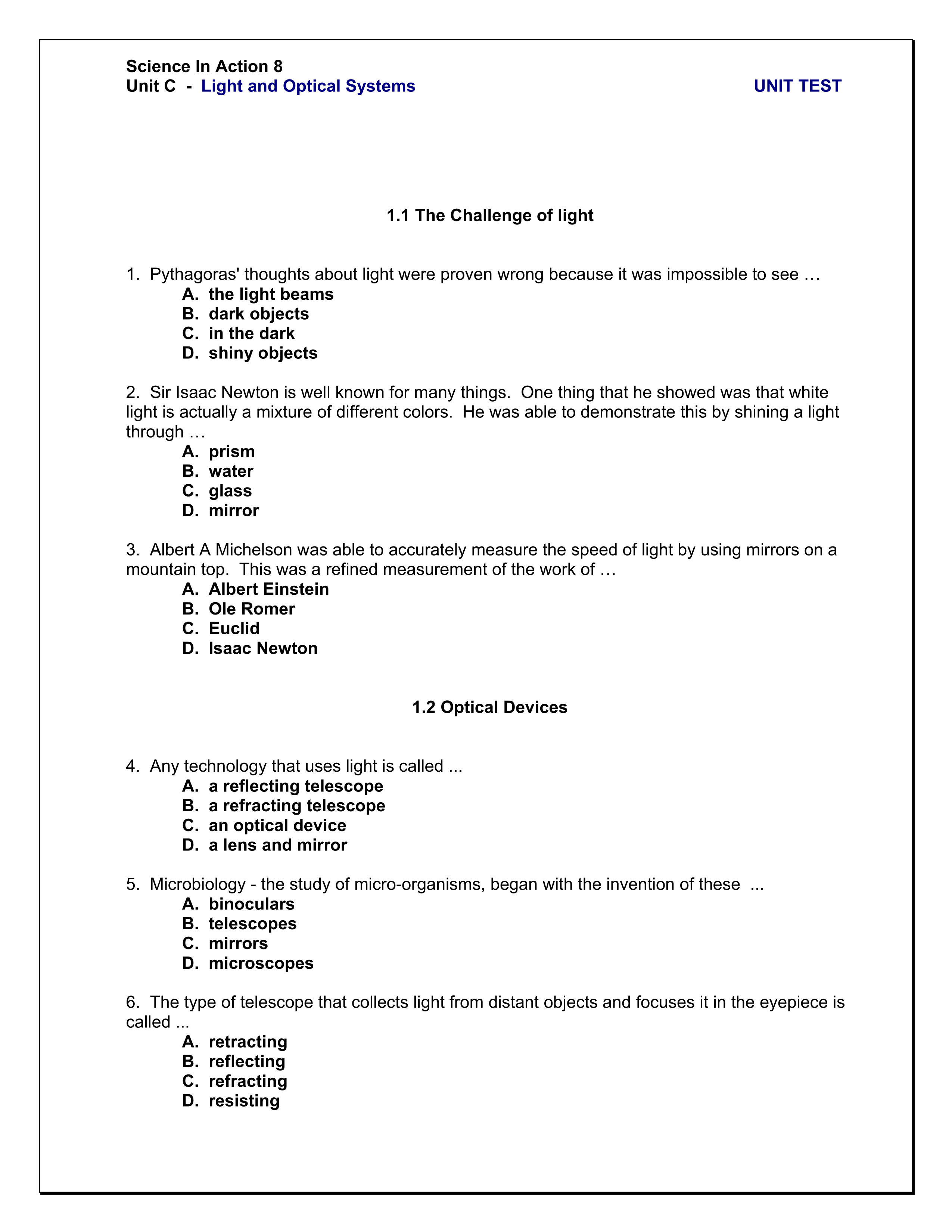

What types of lights are found in our classroom?
Pythagoras' thoughts about light were proven wrong because it was impossible to see ...
Sir Isaac Newton is well known for many things. One thing that he showed was that white light is actually a mixture of different colors. He was able to demonstrate this by shining a light through ...
Albert A Michelson was able to accurately measure the speed of light by using mirrors on a mountain top. This was a refined measurement of the work of ...
Any technology that uses light is called ...
Microbiology - the study of micro-organisms, began with the invention of this device...
The type of telescope that collects light from distant objects and focuses it in the eyepiece is called ...
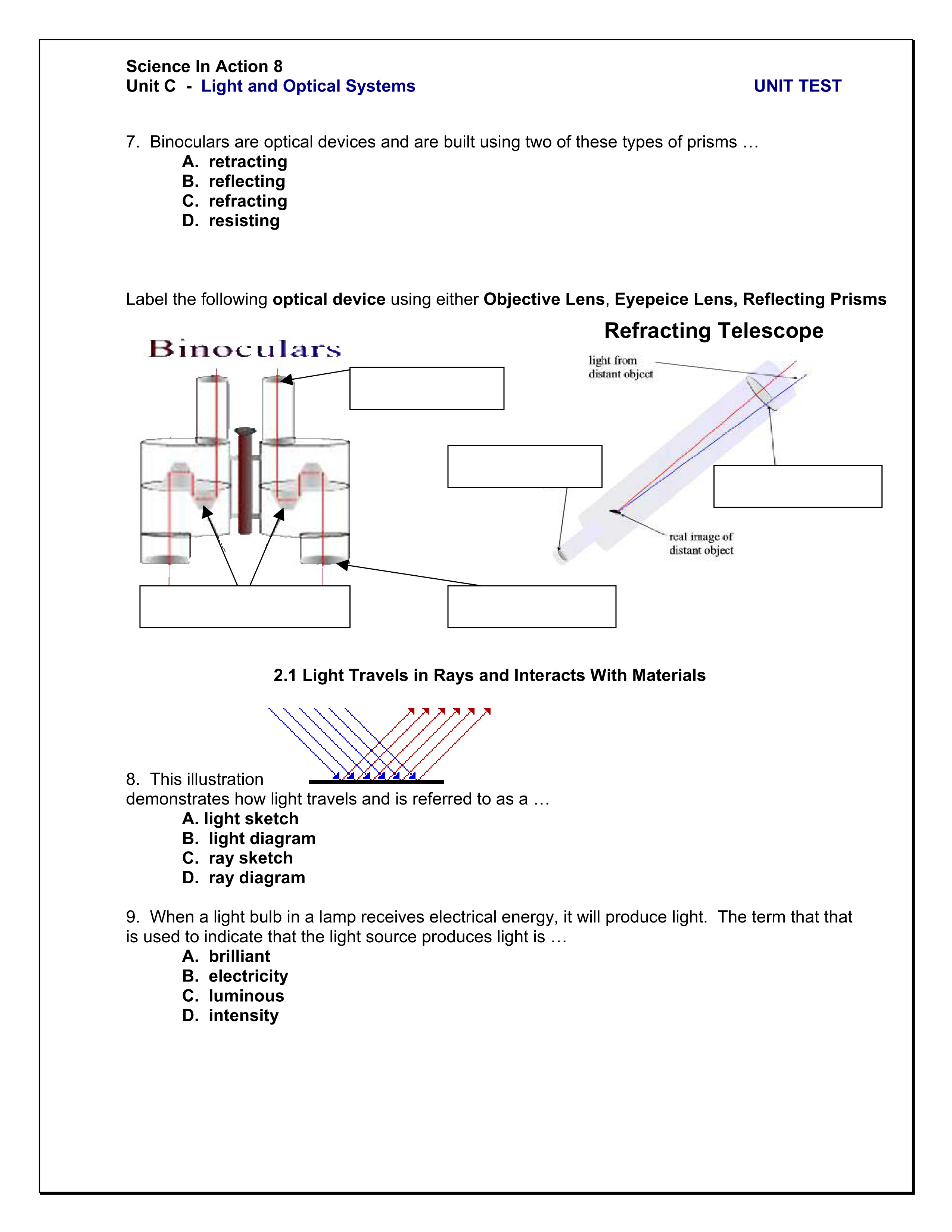
Binoculars are optical devices and are built using two of these types of prisms ...
Identify the part of the optical device as it appears on the diagram...
Identify the part of the optical device as it appears on the diagram...
Identify the part of the optical device as it appears on the diagram...
Identify the part of the optical device as it appears on the diagram...
Identify the part of the optical device as it appears on the diagram...
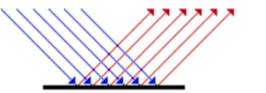
This illustration demonstrates how light travels and is referred to as a ...
When a light bulb in a lamp receives electrical energy, it will produce light. The term that that is used to indicate that the light source produces light is...
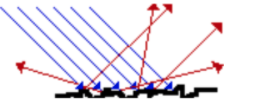
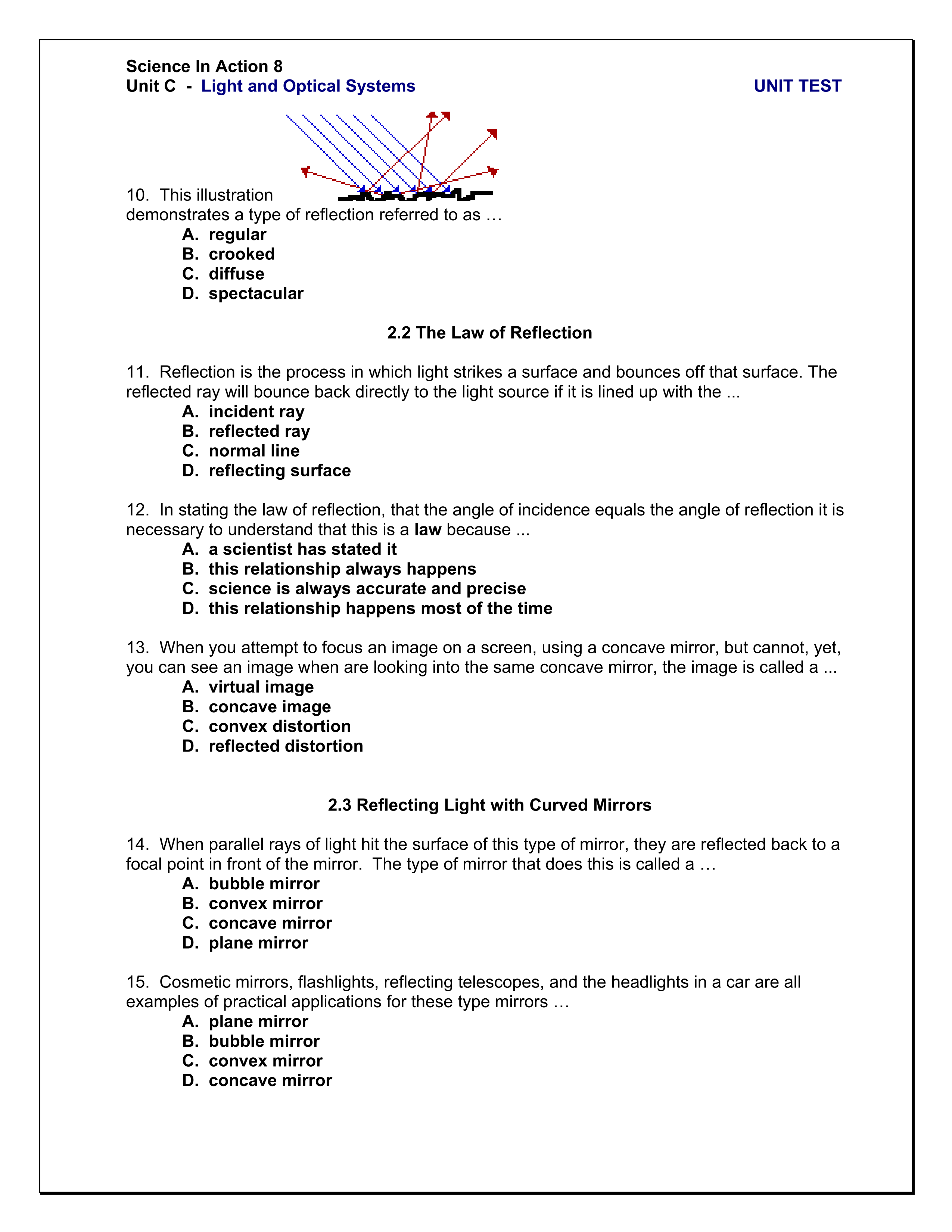
This illustration demonstrates a type of reflection referred to as ...
Reflection is the process in which light strikes a surface and bounces off that surface. The reflected ray will bounce back directly to the light source if it is lined up with the ...
In stating the law of reflection, the angle of incidence equals the angle of reflection, it is necessary to understand that this is a law because...
When you attempt to focus an image on a screen, using a concave mirror, but cannot, yet, you can see an image when you are looking into the same concave mirror, the image is called a ...
When parallel rays of light hit the surface of this type of mirror, they are reflected back to a focal point in front of the mirror. The type of mirror that does this is called an...
Cosmetic mirrors, flashlights, reflecting telescopes, and the headlights in a car are all examples of practical applications for these type mirrors...
If an object is placed between the focal point in a concave mirror and the mirror itself, the image will appear...
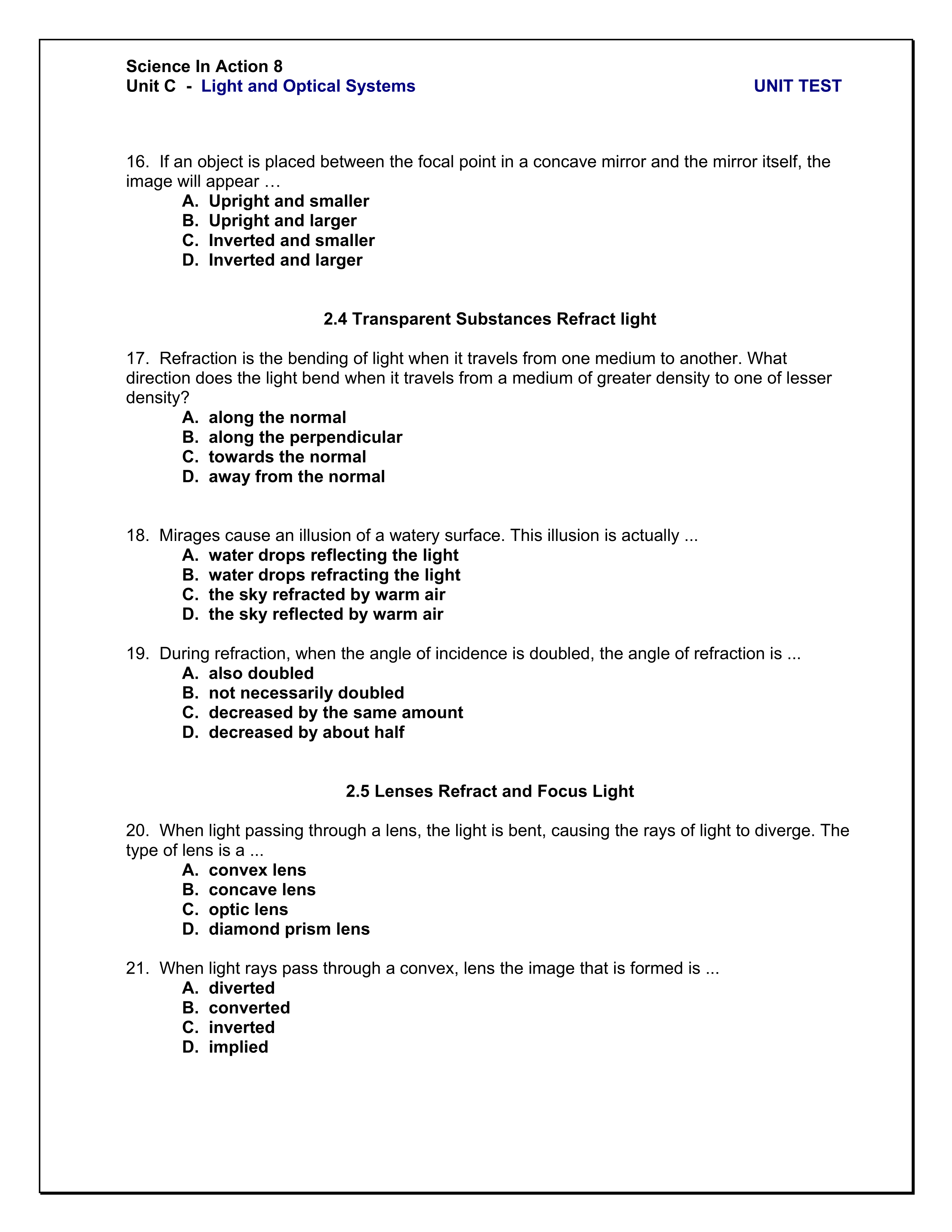
Refraction is the bending of light when it travels from one medium to another. What direction does the light bend when it travels from a medium of greater density to one of lesser density?
Mirages cause an illusion of a watery surface. This illusion is actually...
During refraction, when the angle of incidence is doubled, the angle of refraction is ...
When light is passing through a lens, the light is bent, causing the rays of light to diverge. The type of lens is a...
When light rays pass through a convex lens, the image that is formed is...
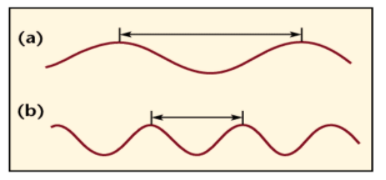
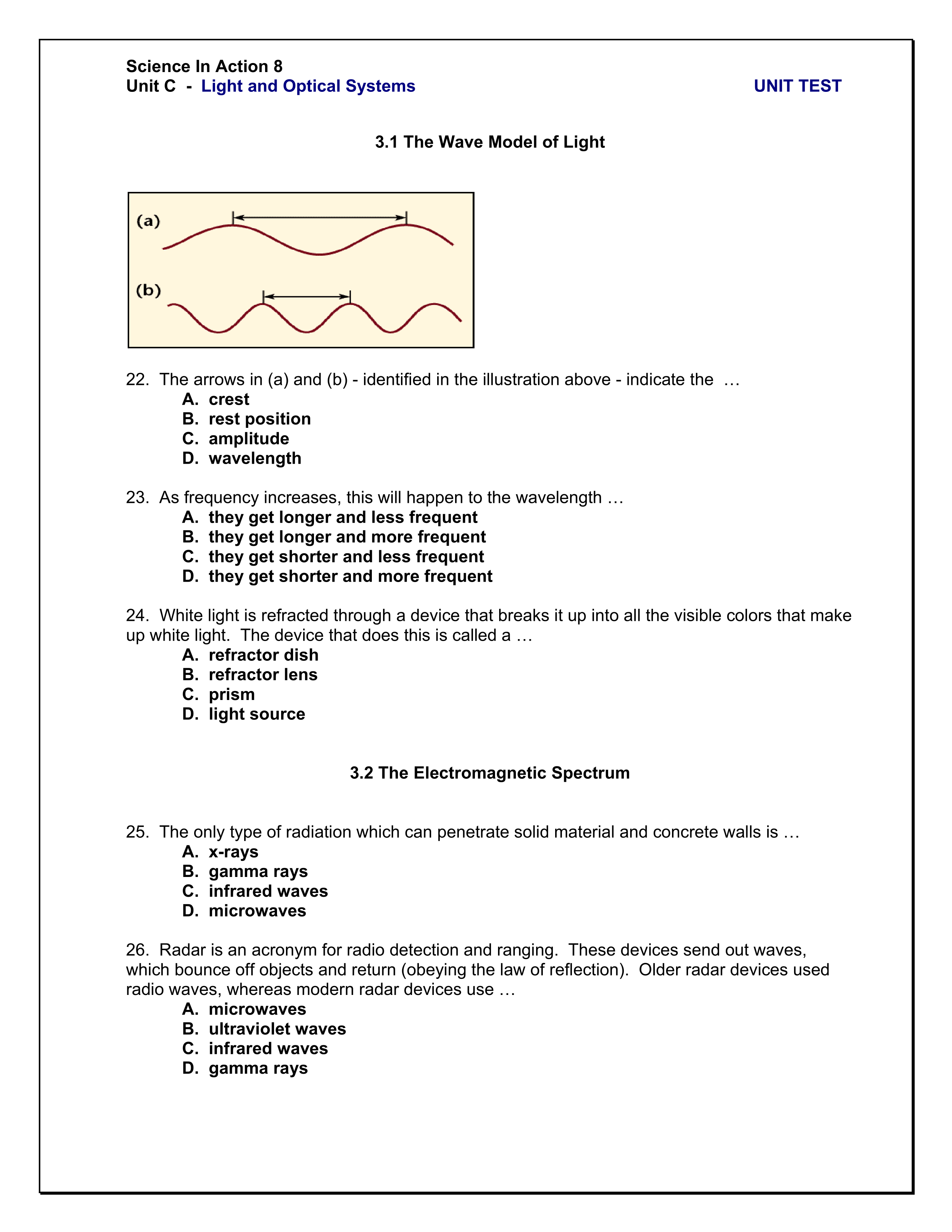
The arrows in (a) and (b) - identified in the illustration above - indicate the...
As frequency increases, this will happen to the wavelength...
White light is refracted through a device that breaks it up into all the visible colors that make up white light. The device that does this is called a...
The only type of radiation which can penetrate solid material and concrete walls is ...
Radar is an acronym for radio detection and ranging. These devices send out waves, which bounce off objects and return (obeying the law of reflection). Older radar devices use radio waves, whereas modern radar devices use...
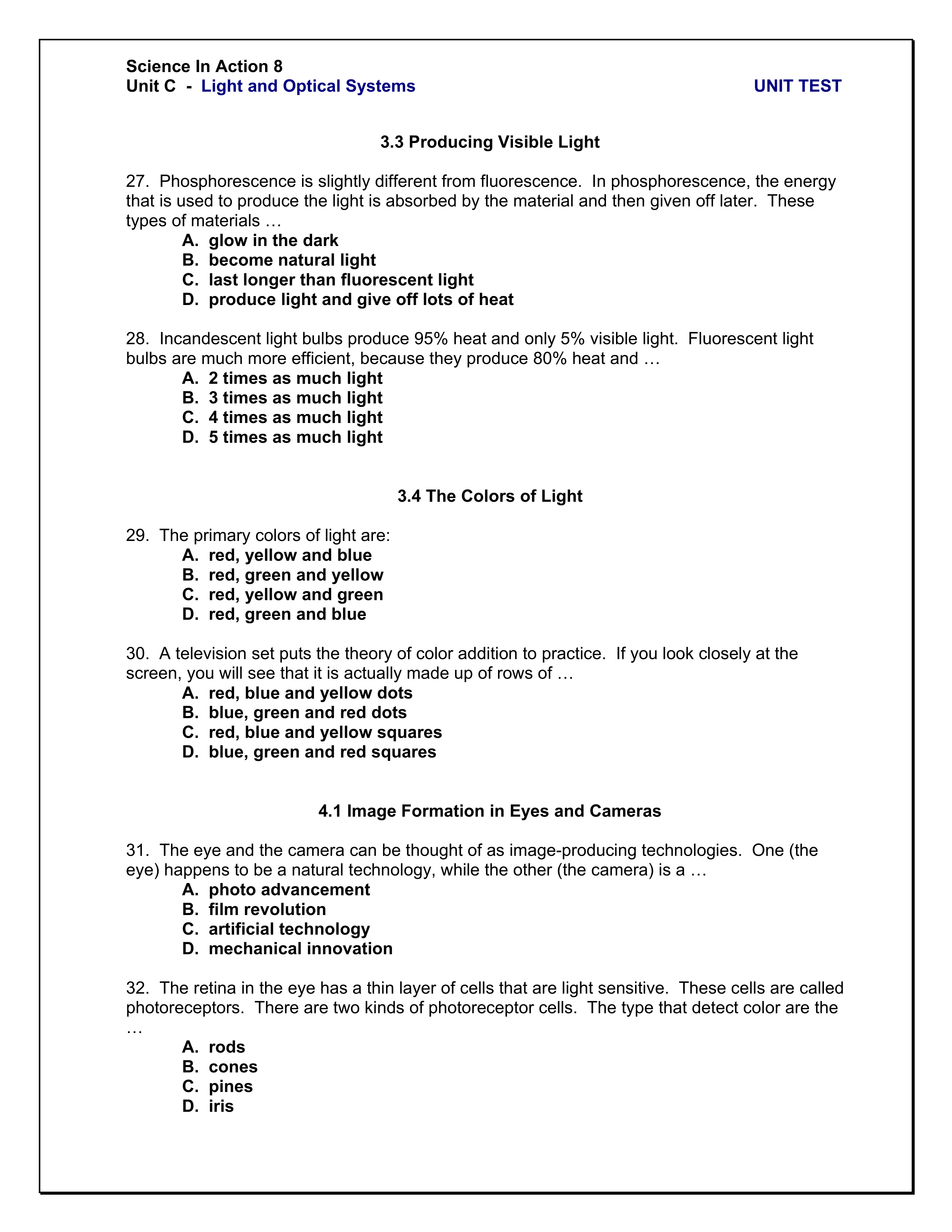
Phosphorescence is slightly different from fluorescence. In phosphorescence, the energy used to produce the light is absorbed by the material and given off later. These types of materials...
Incandescent light bulbs produce 95% heat and only 5% visible light. Fluorescent light bulbs are much more efficient because they make 80% heat and ...
The primary colors of light are:
An older television set puts the theory of color addition into practice. Looking closely at the screen, you will see that it comprises rows of ...
The eye and the camera can be thought of as image-producing technologies. One (the eye) is a natural technology, while the other (the camera) is a...
The retina in the eye has a thin layer of light-sensitive cells. These cells are called photoreceptors. There are two kinds of photoreceptor cells. The types that detect color are the...
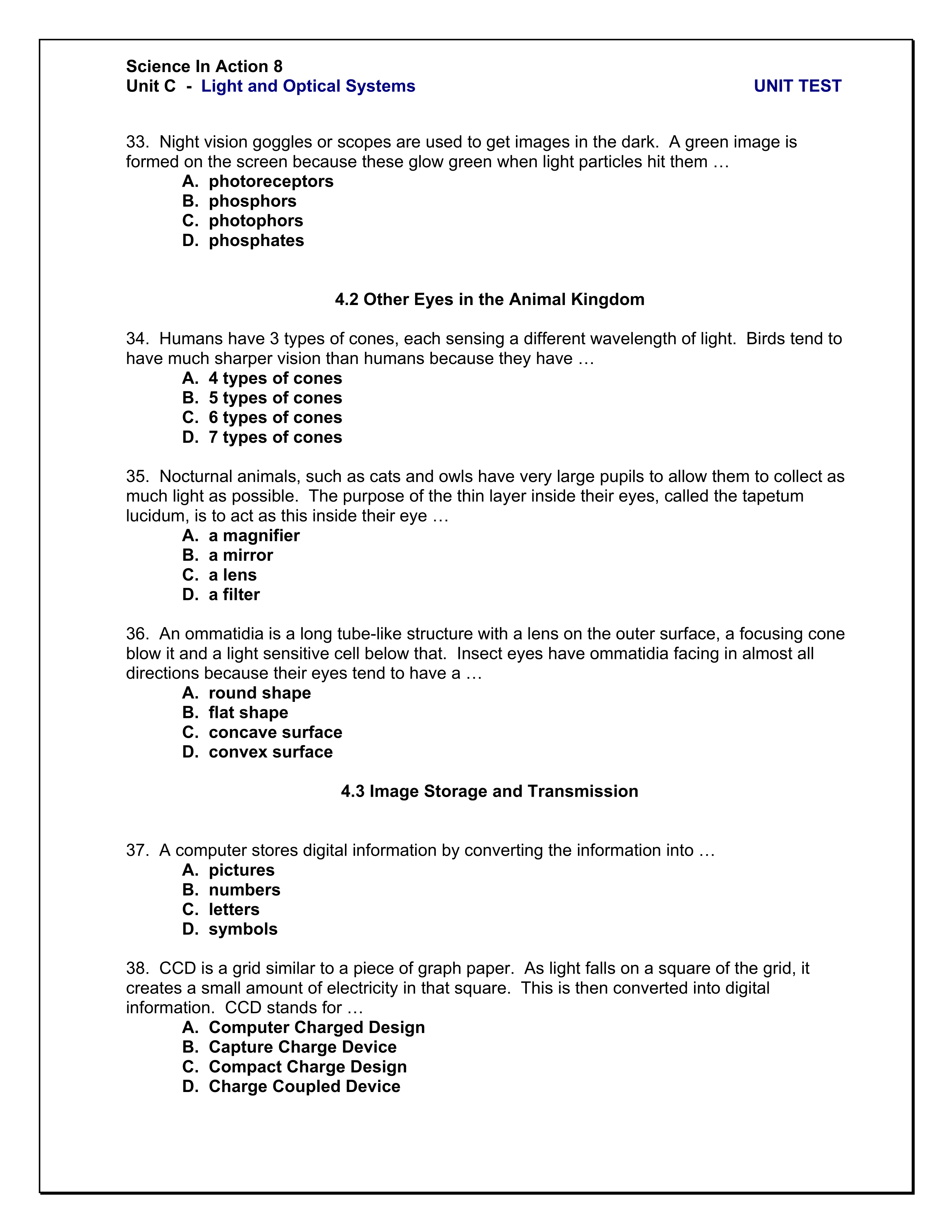
Night vision goggles or scopes are used to get images in the dark. A green image is formed on the screen because these glow green when light particles hit them ...
Humans have 3 types of cones, each sensing a different wavelength of light. Birds tend to have much sharper vision than humans because they have ...
Nocturnal animals, such as cats and owls, have huge pupils that allow them to collect as much light as possible. The thin layer inside their eyes, called the tapetum lucidum, is to act as this inside their eye ...
An ommatidium is a long tube-like structure with a lens on the outer surface, a focusing cone below it, and a light-sensitive cell below that. Insect eyes have ommatidia facing in almost all directions because their eyes tend to have a ...
A computer stores digital information by converting the information into...
CCD is a grid similar to a piece of graph paper. As light falls on a square of the grid, it creates a small amount of electricity in that square. This is then converted into digital information. CCD stands for ...
The most significant advantage to digital imaging is that the pictures don't have to be ...
Use one of the following choices to complete the eye and camera comparison chart.
Use one of the following choices to complete the eye and camera comparison chart.
Use one of the following choices to complete the eye and camera comparison chart.
Use one of the following choices to complete the eye and camera comparison chart.
Use one of the following choices to complete the eye and camera comparison chart.