Twa kɔ nsɛm atitiriw so
Log in
Sign up for FREE
arrow_back
Laabri

Unit 6 - Study Guide - 8.SP.2 & 8.SP.4

star
star
star
star
star
Last updated 2 months ago
27 Nsɛmmisa

ME - 80% - 100%

AP - 60% - 79%

DM - 0% - 59%

1

Determine whether the following scenarios have a positive, negative or no association.

1
1
Asemmisa {{asɛmmisaAhyɛnsode}}
1.

Mr. Gettleman created a website about the basketball team. He has a hit counter on his site that lets him know how many people have visited the site. He kept track of the number of hits the site received each day for the first two weeks.

The graph is a scatter plot for the collected data along with the regression line.
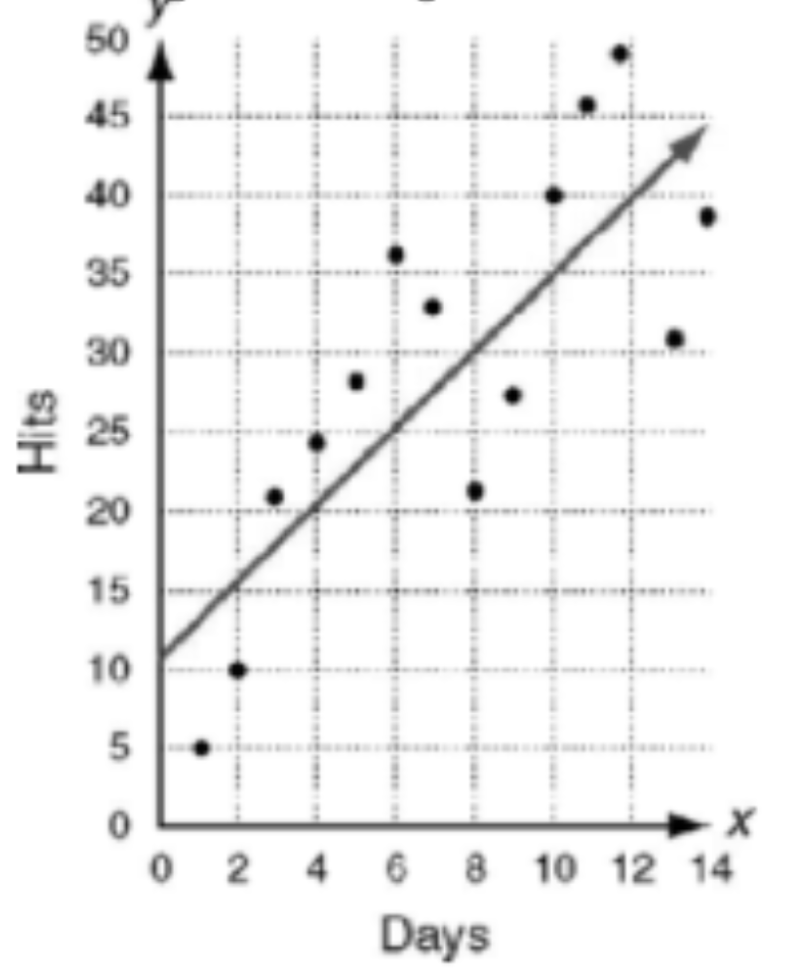
Make sure to use your LINE OF BEST FIT for answering this question!
Asemmisa {{asɛmmisaAhyɛnsode}}
2.

The amount of time someone spends on social media and the amount of homework they complete.

Asemmisa {{asɛmmisaAhyɛnsode}}
3.

The length of hair and the number of math problems you can do

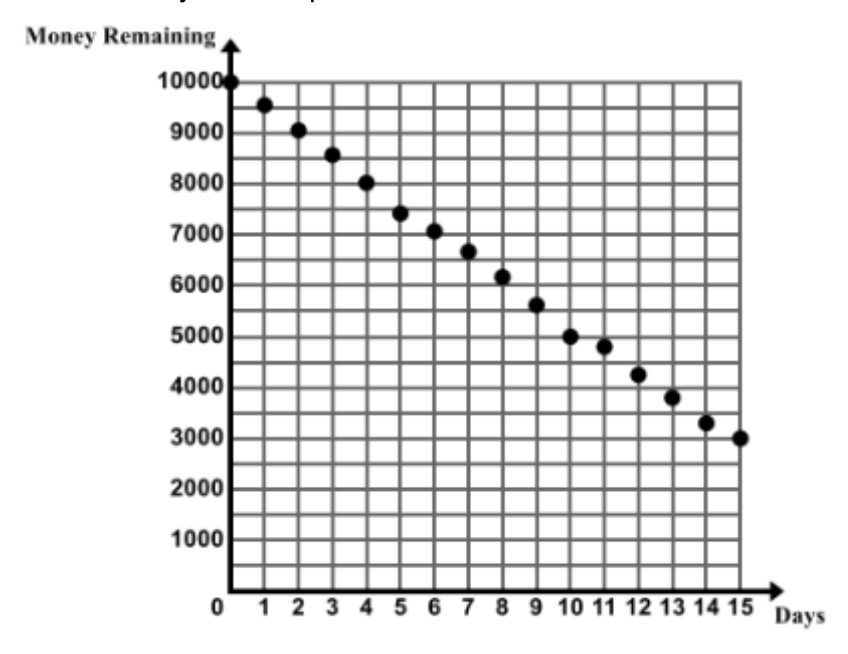
The Ehrenberg family took a 15-day vacation to southern California and visited several popular theme parks during their trip.

The graph below shows the amount of money the Ehrenberg family had remaining at the end of each day of their trip.

1
Asemmisa {{asɛmmisaAhyɛnsode}}
4.

Draw the line of best fit!

1
1
Asemmisa {{asɛmmisaAhyɛnsode}}
6.

Write the PREDICTION FUNCTION.

Make sure to write it in y=mx+b form!

1
Asemmisa {{asɛmmisaAhyɛnsode}}
7.

THIS QUESTION IS MANUALLY GRADED

Explain the slope.

USE THE VALUE OF THE SLOPE IN YOUR ANSWER

1
1

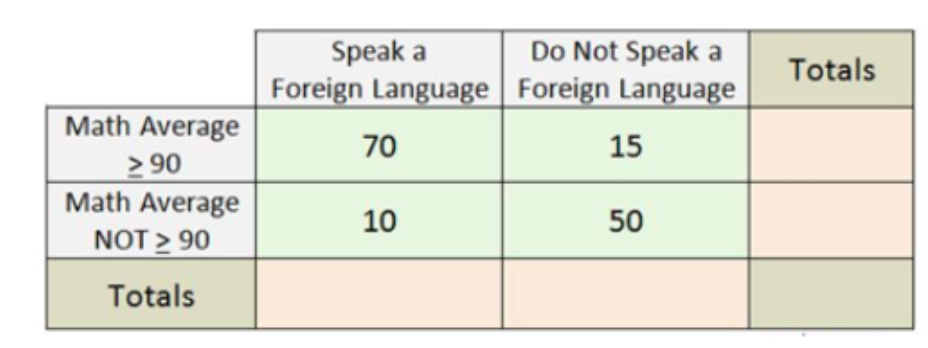
Leo is testing a theory that says students who speak a foreign language are also strong mathematics students. He surveys the freshman class at Niles North and the results are shown below in an incomplete 2-way frequency table.

Complete the totals column and row and answer the questions below regarding this table.

1
Asemmisa {{asɛmmisaAhyɛnsode}}
10.
1
1
1
1
1
1

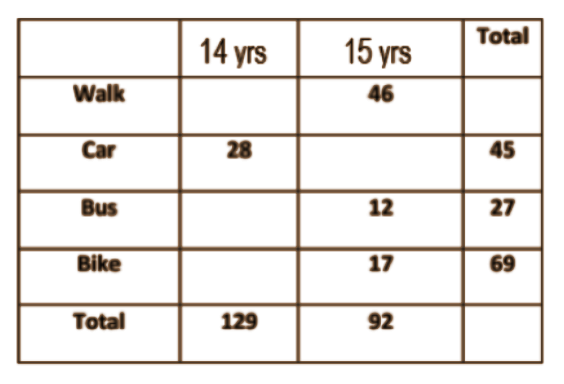
Ms. DiZillo conducted a class survey with the 8th graders from Class of 2025 and the Class of 2026.

Complete the table and answer the questions below regarding her findings.

1
1
1
1
1
1
1
1
1
1
1
Asemmisa {{asɛmmisaAhyɛnsode}}
5.

Describe the association between the two variables.

Select all that apply

Asemmisa {{asɛmmisaAhyɛnsode}}
8.

THIS QUESTION IS MANUALLY GRADED

Explain the y-intercept.

USE THE VALUE OF THE Y-INTERCEPT IN YOUR ANSWER

Asemmisa {{asɛmmisaAhyɛnsode}}
9.

Use your prediction function (#6) to predict how much money the Ehrenberg family will have at the end of the Day 18 if they extend the length of their trip.

Answer an amount like $50

Asemmisa {{asɛmmisaAhyɛnsode}}
11.
Asemmisa {{asɛmmisaAhyɛnsode}}
12.
Asemmisa {{asɛmmisaAhyɛnsode}}
13.
Asemmisa {{asɛmmisaAhyɛnsode}}
14.
Asemmisa {{asɛmmisaAhyɛnsode}}
15.

What percent of students with a math average GREATER than or equal to 90 DO NOT speak a foreign language?

Enter a percentage like 70%. Round your answer to the nearest whole percentage.

Asemmisa {{asɛmmisaAhyɛnsode}}
16.

What percent of students with a math average NOT GREATER than or equal to 90 DO NOT speak a foreign language?

Enter a percentage like 70%. Round your answer to the nearest whole percentage.

Asemmisa {{asɛmmisaAhyɛnsode}}
17.

Complete the table here first! Then answer #21-29

Asemmisa {{asɛmmisaAhyɛnsode}}
18.
Asemmisa {{asɛmmisaAhyɛnsode}}
19.
Asemmisa {{asɛmmisaAhyɛnsode}}
20.
Asemmisa {{asɛmmisaAhyɛnsode}}
21.
Asemmisa {{asɛmmisaAhyɛnsode}}
22.
Asemmisa {{asɛmmisaAhyɛnsode}}
23.
Asemmisa {{asɛmmisaAhyɛnsode}}
24.

What percent of 14 year olds walk to school?

Enter a percentage like 70%. Round your answer to the nearest whole percentage.

Asemmisa {{asɛmmisaAhyɛnsode}}
25.

What percentage of 15 year olds walk to school?

Enter a percentage like 70%. Round your answer to the nearest whole percentage.

Asemmisa {{asɛmmisaAhyɛnsode}}
26.

What percentage of students who ride a bike to school are 14 year olds?

Enter a percentage like 70%. Round your answer to the nearest whole percentage.

Asemmisa {{asɛmmisaAhyɛnsode}}
27.

What percentage of 14 year olds ride their bike to school?

Enter a percentage like 70%. Round your answer to the nearest whole percentage.