What if the Moon didn’t exist?
Why a small silvery-looking sphere orbiting 384,400 kilometers away has a profound impact on us here on Earth
If the Moon were to suddenly vanish like in a sci-fi movie, our nights wouldn’t just be darker, our world would be radically changed – though at first, it would be hard to spot the difference. The most immediate effects of a post-Moon world would be small.
Although the lack of eclipses of any kind would be a sad loss, without the Moon’s glare, darker night skies would be great for anyone with a telescope.
For others, the outlook would not be so bright. Coral and certain species of crabs, worms, and fish can sense the moonlight from particular phases of the Moon. They use this as a trigger to start species-wide reproduction. How they would react to a permanently Moon-less night sky is unclear.
Tide times
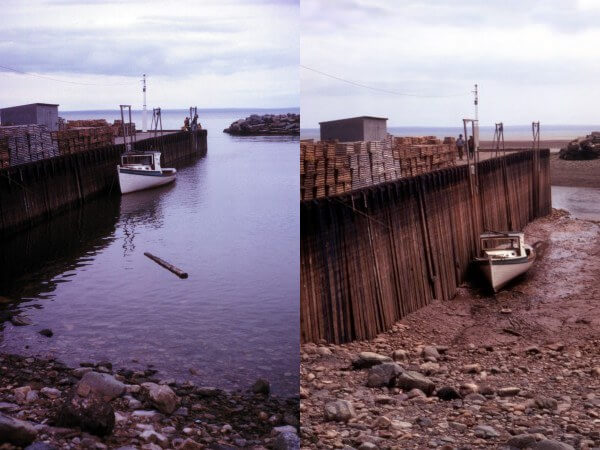
A bigger instant effect would be on the ocean’s tides. Without the Moon dominating this picture, the Earth’s tides would be much simpler, but importantly much weaker.
📷
Turtles and surfers
With no strong tug from the Moon influencing the tides, animal life – particularly in the intertidal zone – would have to adapt fast. The intertidal zone is a concentrated band where certain species thrive between the ecological communities of the sea and the land. Weaker tides would cause this band to become narrower, increasing competition and jeopardizing survival.
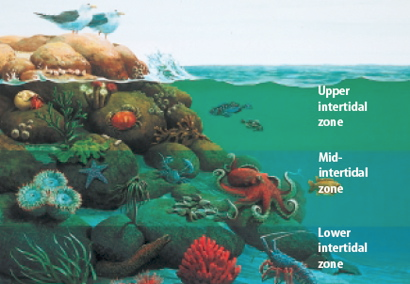
Intertidal Zone
For example, the California grunion fish and various types of sea turtle would be lost if the Moon were to disappear, as they have evolved to be highly attuned to the rising and falling tides. They lay their eggs in the sand and time hatching to coincide with the tides that will give their offspring the best possible chance of survival. This system would break down without the Moon’s influence.
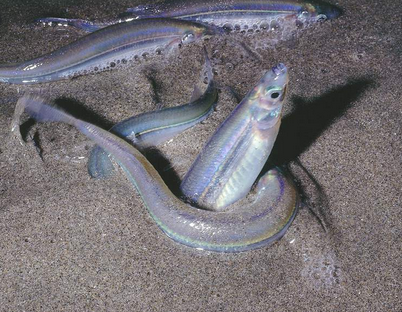
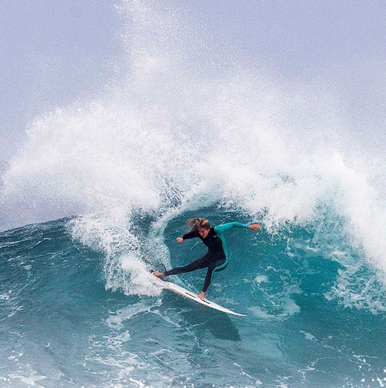
From a human point of view, weaker tides would make fishing for sea life that lives on or near the shore more difficult, as these marine animals move according to the movements of the tide. And it could also wipe out the sport of surfing. Though surfers rely on breaking waves for their fun – which are the result of how wind interacts with waves at the beach – they also follow the tide times avidly. This is because many surfers think that an incoming tide pushes more water towards the beach to make larger waves. Only recently were these surfers proved right about this phenomenon. So we now know that in a Moon-less world, big wave surfing would end.