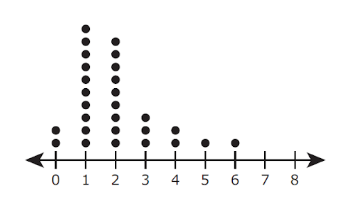
Use the data below for questions 1, 2, and 3.
Use the data below for questions 1, 2, and 3.
Create a box plot for this data.
What is the interquartile range?
What is the difference between the range and the mode?
The following data shows the prices of meals at Bob’s Burgers.
Create a histogram that correctly displays this data.
The set of data below shows the number of students at seven different club meetings.
9, 13, 5, 7, 12, 11, 6
What is the sum of the mean and median of this set of data?
Use the data below to answer questions 6, 7, and 8.
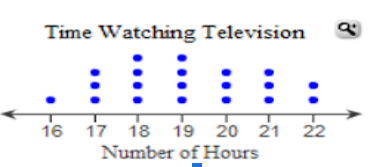
A doctor asked some patients to record how many hours of television each watched in a week. The dot plot displays the data.
What is the range of the data above?
What is the mode of the data above?
Note: Multiple answers can be selected if needed.
What percent of the patients watch television for 17 or 18 hours during the week?
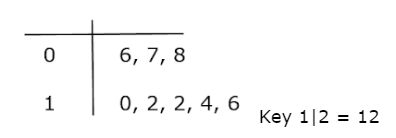
The stem and leaf plot shows the grades of the 20 students on a science test.
Which statement about the data is true?
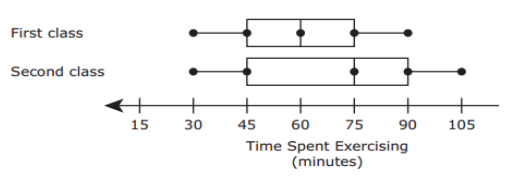
The box plots below represent the average amount of time students in two classes spent exercising daily outside of class.
Based on this information in the box plot, select ALL of the false statements?