Activity 7 - Assessment (OPVL)
star
star
star
star
star
Last updated over 6 years ago
4 Nsɛmmisa

2
2
3
3
One of the very important skills in life is to decide whether the information we get on a daily basis is trustworthy. Can I trust the information to be TRUE?
Remember! This is a crucial life skill each and every person should master. Fake news is a huge problem! We CANNOT just believe everything we read and see.
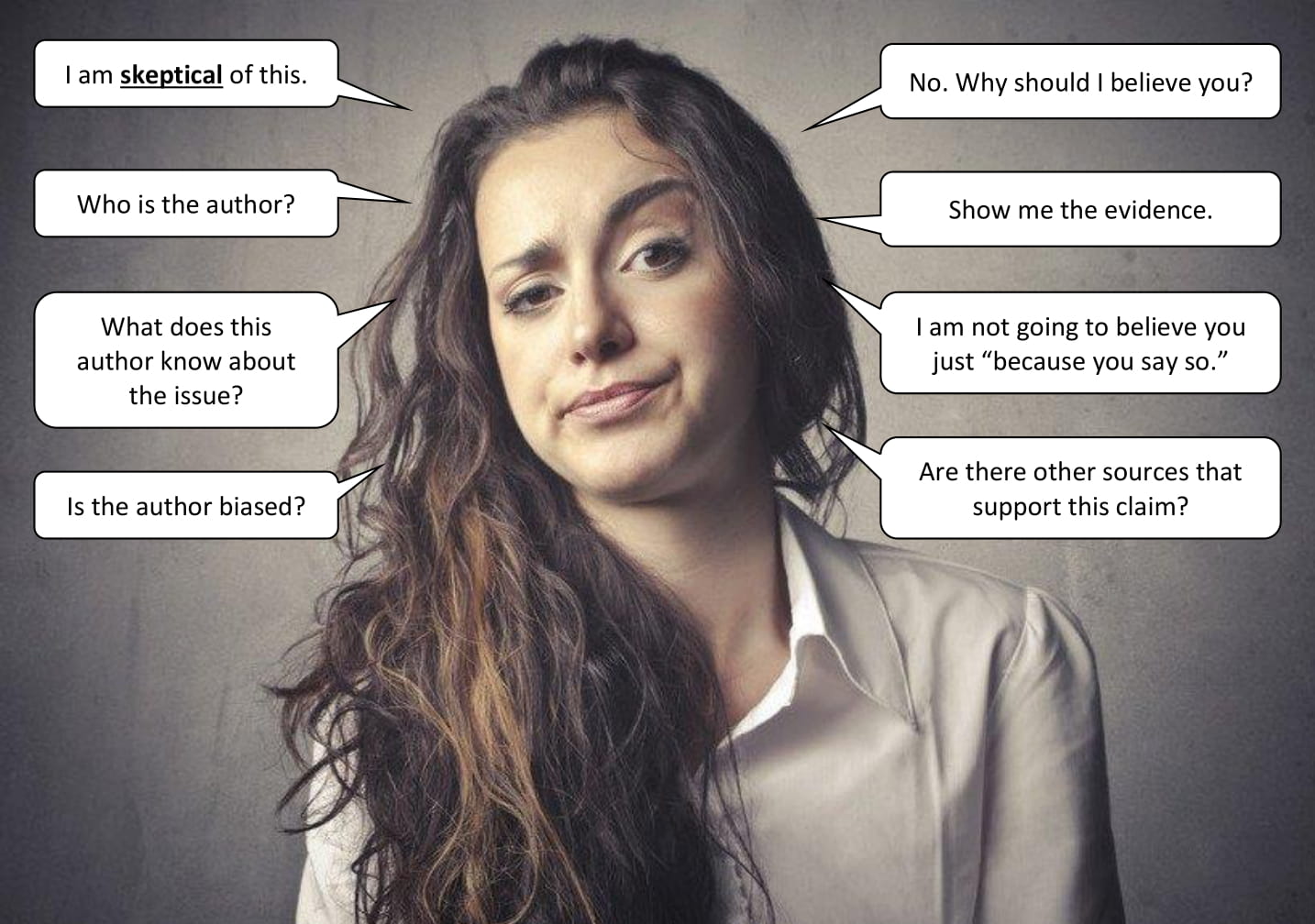
Students, I want you to be SKEPTICAL of EVERYTHING. Ask questions when you see or hear something. Never just accept something to be true if you have not thought about it and made sure that the source is giving you accurate information.
Skepticism = The attitude of doubting something UNTIL you see the evidence for it.
Imagine you have to do a project about the Spanish Flu and you find this book below.
First, be SKEPTICAL of this book! How do I know I can trust this book to be true?
The method we use to decide if we will believe a source is evaluation. We need to ask questions about the book and based on those answers, we make an informed decision.
In I&S, we ask 4 main questions about a source of information.
1. What is the origin of the source?
2. What is the purpose of this source?
3. What is the value of this source?
4. What are the limitations of this source?
In other words, we do the OPVL evaluation.
Just like we practiced in previous units, you will now do the OPVL evaluation of the source of information below.
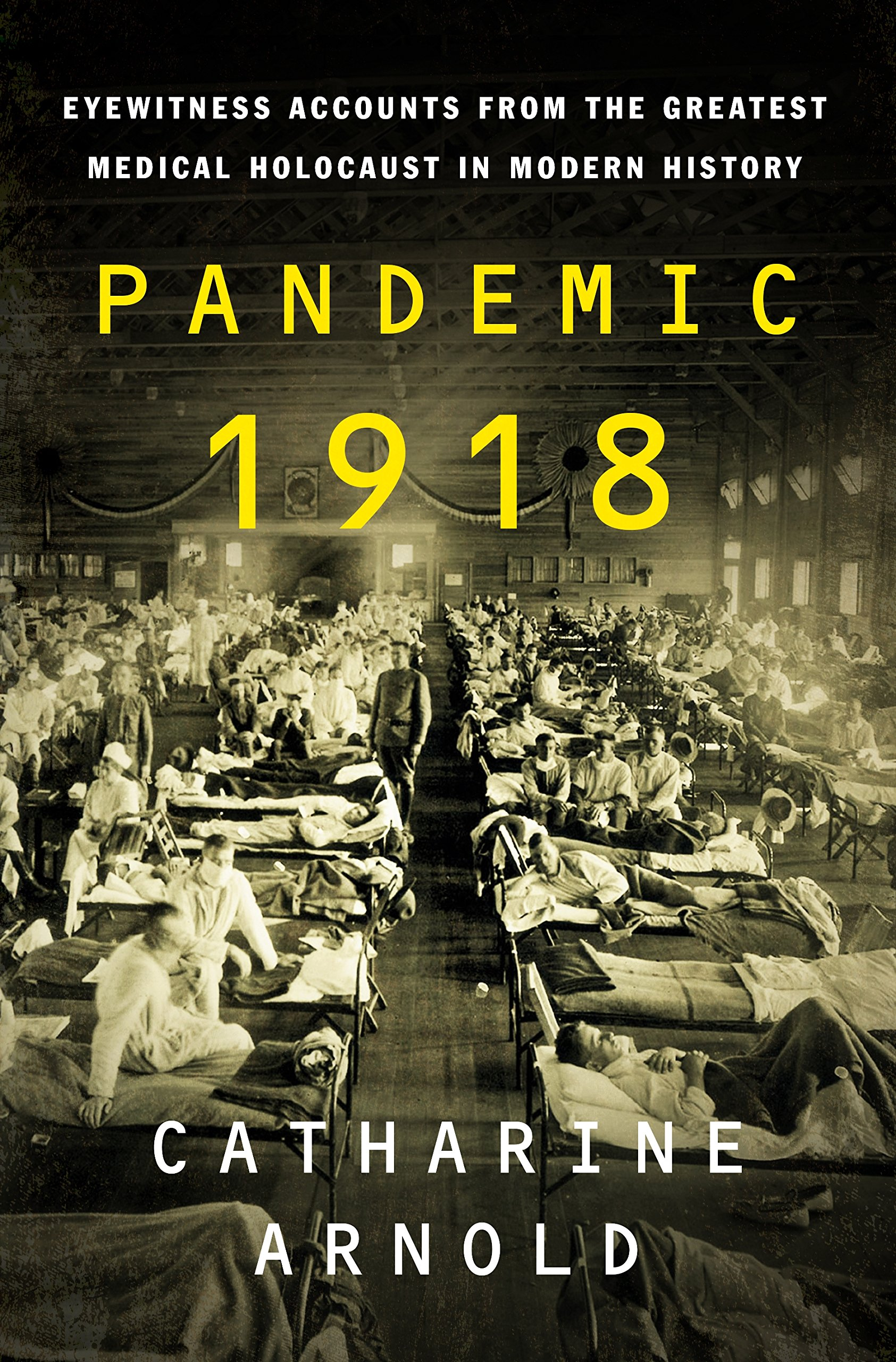
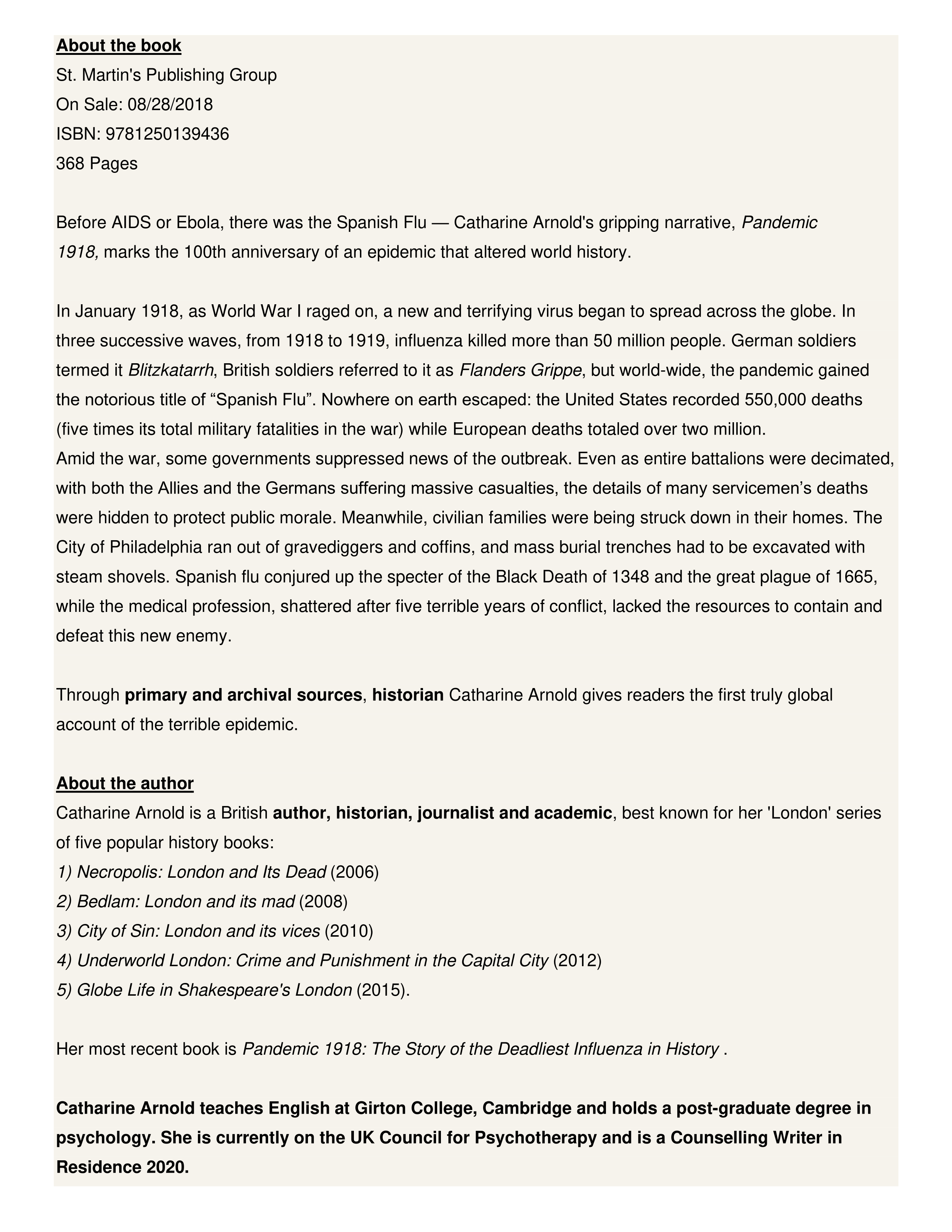
Outline the origin of this source.
Write one paragraph in which you answer as many of the following questions as possible:
•Is it a primary or secondary source?
•Who created it?
•Who is the author?
•When was it created?
•When was it published?
•Who published it?
Outline the purpose of the source.
Write one paragraph in which you answer as many of the following questions as possible:
•Why does this document exist?
•Why did the author create this piece of work?
•What is the author's intent? Is he/she biased in any way?
•Why did the author choose this particular format?
•Who is the intended audience?
Describe the value of this source.
Write one paragraph in which you answer as many of the following questions as possible:
•How does this source help me understand the topic?
•How useful it the information? Is it true? Why can I believe it?
•How can it be applied to my project?
•What can we tell about the author from the piece? Is he/she trustworthy? Does he/she know what they are talking about?
•Does the source show us a BALANCED view of the situation? Or is it only one-sided?
Describe the limitations of this source.
Write one paragraph in which you answer as many of the following questions as possible:
•What does the author leave out and why does he/she leave it out?
•What is purposely not addressed?
•Does the source show us a BALANCED view of the situation? Or is it only one-sided?
I know you haven't read the book, but think about what more than this one book you would need to gain a better understanding of the Spanish Flu of 1918.