More people in the United States have allergies today compared with decades ago. Allergies are bad reactions to things around you or that you eat.
In 2010, more than half of Americans were sensitive to at least one allergen. That was the finding of one survey by the National Institutes of Health. Allergens are things that set off allergies. Many allergens—such as dust and mold—are found in the air.
“Allergies [are] increasing over time,” said Andy Nish. He is a doctor from Georgia.
Allergens in the air aren’t the only problem. Kids’ food allergies have risen too. Between 1997 and 2007, the number of kids with food allergies jumped 18 percent. Eating milk products and eggs can give some children rashes. Those foods can even cause some people to have trouble breathing.
What’s behind the spread of allergies? Some scientists think our immune systems don’t have enough to do. Immune systems help our bodies fight germs. But many kids today come in contact with fewer germs than their grandparents did. That’s in part because they grow up in environments with fewer germs such as cleaner homes and smaller families. Experts say that when our immune systems have fewer germs to fight, they can get confused. They attack other things, such as milk that we drink, instead.
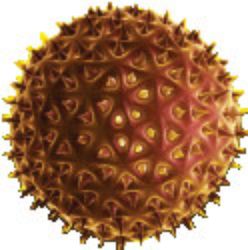
Other scientists say hotter temperatures are to blame. They say the weather is warmer for longer periods now, so plants bloom longer. Plants release pollen, which is a common allergen.
Doctors do not know for sure what’s making allergies increase. But they do know how to treat them with medicine. “There is very good treatment for allergies,” Nish says. “No one should suffer with symptoms.”
Take Cover!
Dust and other allergens that float into your nose are in for a blast—a cough or a sneeze, that is! Both are natural reflexes, or responses, to help keep you from getting sick. Here’s a look at the big bursts.
Sneeze
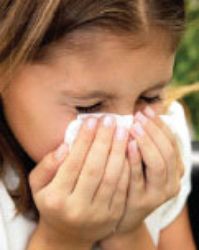
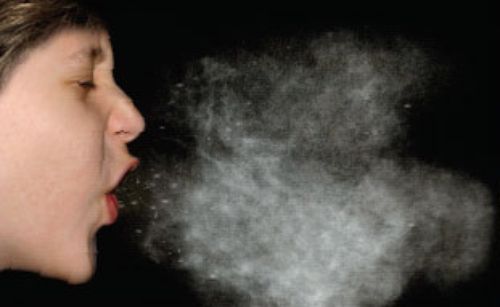
Sneezes start at the back of your throat. Each quick burst can force out up to 40,000 droplets of saliva. The tiny droplets travel at up to 300 miles per hour.
Cough

Coughs come out of your lungs. Each blast can push out 3,000 saliva droplets as fast as 50 miles per hour. Enough air comes out to almost fill a two-liter bottle.