What is the name of the state just north of Missouri?
What is the name of the state just north of Missouri?
What is the name of the state just north of Missouri?
Which are the other three states that meet at one point with Arizona?
Name one natural feature that seperates Texas from Mexico?
The Contiguous United States consists of the states between Canada and Mexico.
Which states are not Contiguous?
What do Alaska and Hawaii have in common?
Which state can claim to have the highest point in the United States?
The Rocky Mountains are parallel mountain chains known as a(n) _____.
An example of an archipelago is _____.
Between the Rockies and the Sierra Nevada and Cascade Range is a mix of landforms. They can be grouped into three sections.

Give the names of the 3 regions.
In spite of their flat appearance, however, the Plains are tilted downward toward the east.
In eastern Nebraska, for example, the elevation of the land is less than 1,500 feet (457 m) above sea level. But on the western edge of Nebraska, the land rises to about 6,000 feet (1,829 m).
Use the information above and the map below to draw a simple cross section of Nebraska, as if you were to view the landscape standing in Texas, looking northward at Nebraska.
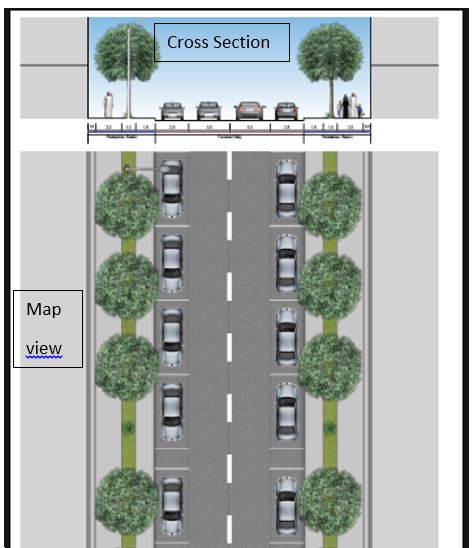
Here is an example of a more complex cross section.
Using one line to show the change in elevation from West to East.
Add the elevation and direction to your cross section from West to East.
What makes the Rocky Mountains a cordillera?