1
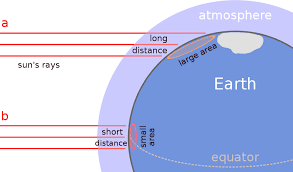
Why would tempretures be colder here (refer to diagram for explanation)
Why would tempretures be colder here (refer to diagram for explanation)
Climate is the same as Weather
What are the two most important parts of climate?
Match the factors with the closest relating concept
| Draggable item | arrow_right_alt | Corresponding Item |
|---|---|---|
Distance from Sea | arrow_right_alt | Latitude |
Height above Sea Level | arrow_right_alt | Solids and liquids heat up differently |
Mountains (Relief) | arrow_right_alt | Altitude |
Distance from Equator | arrow_right_alt | Benguela |
Ocean Currents | arrow_right_alt | Height above sea level |
Why would tempretures be colder here (refer to diagram for explanation)
Give the name of the Ocean current labled 1.
Give the name for the Ocean Current labled 2.
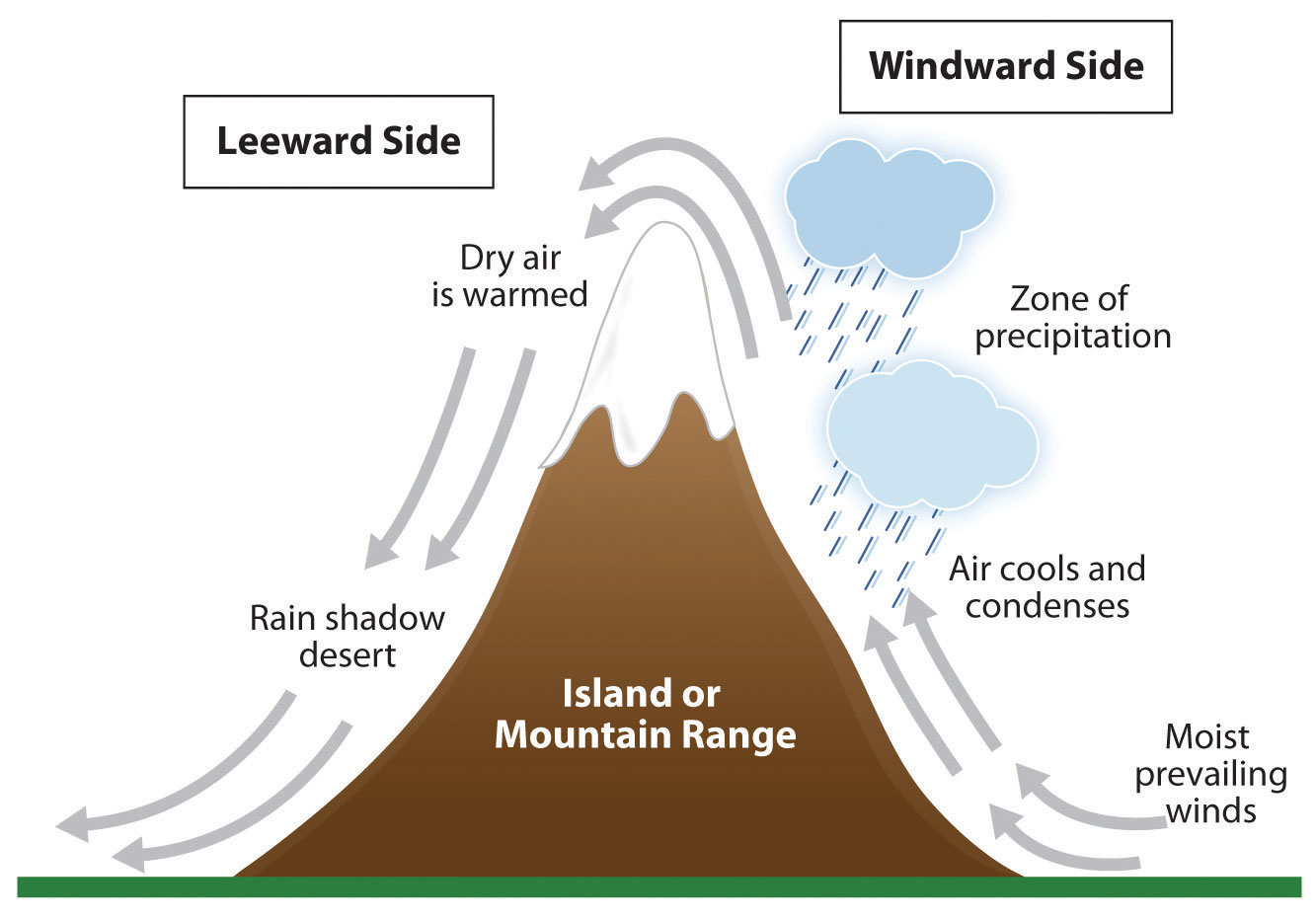
Leeward side Means:
"What should I wear today?"
"It has rained on my birthday for the past three years."
"Bloemfontein has experienced the worst drought since records began more than 120 years ago."
The ocean heats up slower than land. When air heats above land, it rises and cooler air above the ocean moves onto the land, creating a cool sea breeze and keeping temperatures lower and more moderate.
The equator receives direct sunlight and causes areas around the equator to be warm all year long. The poles receive less direct sunlight and cause these areas to be cooler all year long.
The higher you are above sea level, the less air molecules there will be. This results in cooler temperatures at high altitudes and warmer temperatures near sea level.
Mountains act as a barrier for moisture. When clouds move from the ocean towards the mountains, the air rises quickly and cools, resulting in precipitation.
As the air at the equator is heated, it expands and moves towards the colder poles. Cold air at the poles moves towards the equator. This happens all year long due to unequal heating of the Earth’s surface.
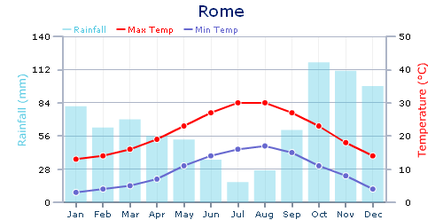
Which month had the Highest rainfall for the year?
What was the highest temperature that Rome experienced?
How many mm of rain was there in April?
Windward means
What is the rain shadow?