Napoleon - the case for or against
star
star
star
star
star
Last updated over 6 years ago
16 Nsɛmmisa
3
1
2
3
2
2
2
3
2
2
2
3
3
3
4
5
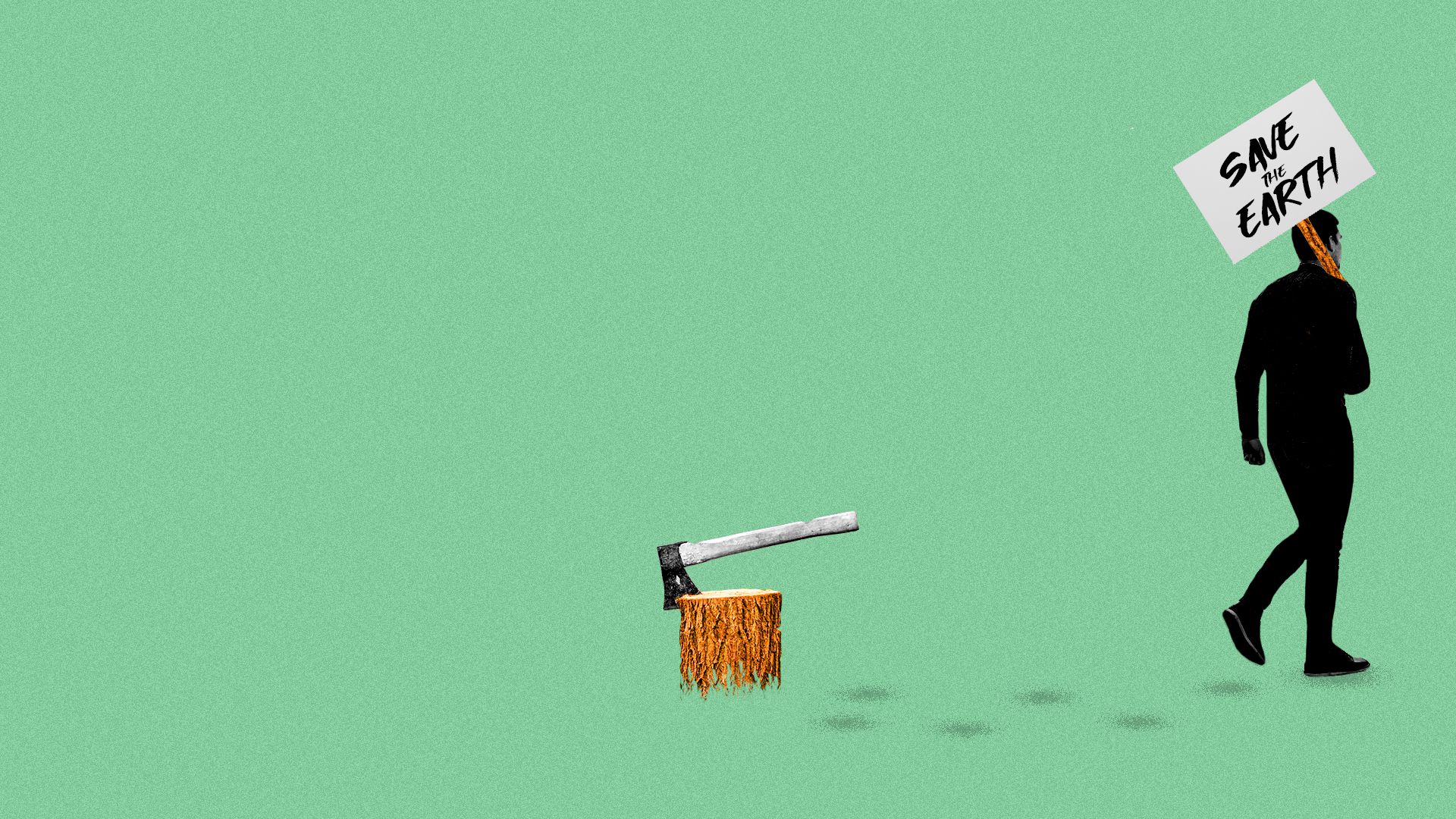
Identify the example of hypocrisy in the above image. Dont forget to refer to the image and back up your statment with a decent and full explaination.
After the French Revolution erupted in 1789, Europe was thrown into chaos. Neighboring countries’ monarchs feared they would share the fate of Louis XVI and attacked the new Republic, while at home, extremism and mistrust between factions led to bloodshed. In the midst of all this conflict, Napoleon emerged. But did he save the revolution, or destroy it? Alex Gendler puts Napoleon on trial.
It is important to remember that Napoleon believed in the ideals of the French Revolution and he fought to bring about the ideals of freedom(liberte) and equality(egalite) and the only way of bringing this about in his mind was to take the reigns and force the people of Europe to change accept these new laws. He became a Dictator to safeguard the fledgeling state of France and protect the ideals of the Revolution.
Read the statement above and discuss the hypocrisy of Napoleon.
Why did neighboring countries attack France following the 1789 revolution?
How do you think that Frances neighbors were affected by this revolution? Think about Britain, Italy and Austria during this time?
The monarchies of Europe protected their power and position by invading France.
Briefly explain your answer to question 5.
Who of the following did NOT support the ideals of the Revolution?
What happened to the King of France? What actions directly led to this fate?
The new government that was established called for power to be shared by three consuls. You already see a kind of terminology that’s not harkening back to the revolution, nor even to the old regime, but consuls harkening back to the Roman Empire. Power was to be shared by a triumvirate, and Napoleon was to be first consul, primus inter pares, first among equals.
Two things were already very clear about him at this point. One was his enormous ambition, and the other was his great charisma. One had seen this in his dealings with the troops—his troops in northern Italy, his troops in Egypt—and also, all sorts of contemporary evidence suggests that in dealing with people individually he exerted an enormous amount of charm, power, and charisma. It was hardly a mystery that he would very quickly outmanoeuvre his two partners in this triumvirate, as well as the legislative bodies of the regime.
What is this new government called?
Napoleon was to be first consul, primus inter pares. What does this mean in terms of Napoleons power in the government and France?
Napoleon was to be first consul, primus inter pares. What does this mean in terms of Napoleons standing or position within the government and France?
What characteristics did Napoleon have that meant that it was enevitable that he would outmaneuver the other consuls and the rest of the government.
Is the action taken by Napoleon described above democratic? Why or why not?
Considering the way he rose to power comment on the landslide win when napoleon asked the public to vote to ratify his selfapointed position. Why do you think that he won the vote so easily?
Which of the following were achieved under Napoleons rule?
Briefly explain your standing on whether Europe would be better or worse without Napoleon?Concider the video and take into account that while Napoleon was opressive he was also extreemly popular.