Log in
Sign up for FREE
arrow_back
Library

U1 L2 E2: The Cell System

star
star
star
star
star
Last updated over 5 years ago
10 questions
Note from the author:
1
DCI.LS1.A.9-12.6
1
DCI.LS1.A.9-12.6
1
DCI.LS1.A.9-12.6
1
DCI.LS1.A.9-12.6
1
DCI.LS1.A.9-12.6
1
DCI.LS1.A.9-12.6
1
DCI.LS1.A.9-12.6
1
DCI.LS1.A.9-12.6
1
DCI.LS1.A.9-12.6
1
DCI.LS1.A.9-12.6
After reviewing a video on Cellular Stucture and function, students will answer follow up questions
Question 1
1.

When were cells first observed with a microscope?

Question 2
2.

The smallest unit of life is the

Question 3
3.

Resequence the levels of organization in living systems from least to most inclusive.

  1. tissues
  2. organ systems
  3. organs
  4. cells
Question 4
4.

Question 5
5.

Animal and plant cells are both types of eukaryotic cells.

Question 6
6.

Draggable itemarrow_right_altCorresponding Item
arrow_right_alt
arrow_right_alt
arrow_right_alt
arrow_right_alt
arrow_right_alt
arrow_right_alt
arrow_right_alt
Question 7
7.

A student viewed a cell under a microscope and identified a large central vacuole, nucleus, chloroplast and mitochondria. What type of cell is the student viewing?

Question 8
8.

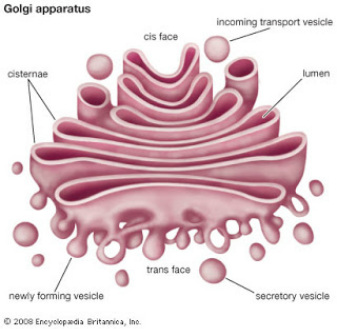
The diagram above is an example of a(n)

Question 9
9.

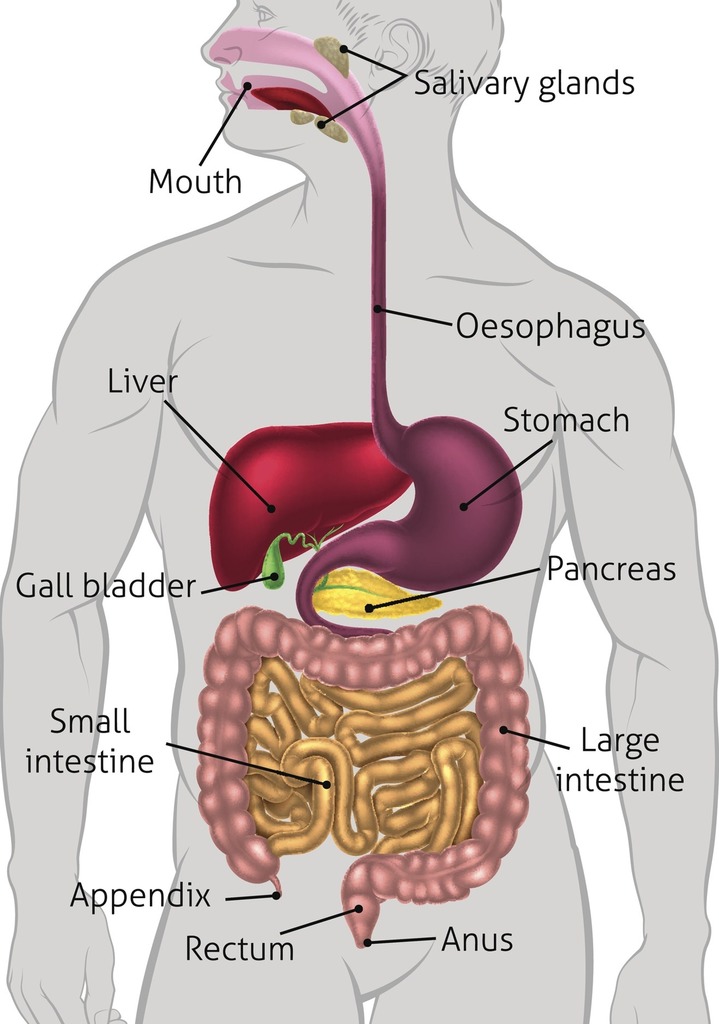
The diagram above is an example of a(n)

Question 10
10.

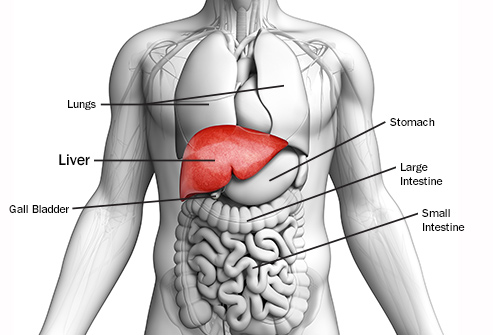
The liver in the diagram above is an example of a(n)

Select all that apply to prokaryotic cells
animal cells
do not contain nucleus or membrane bound organells
contain nucleus and membrane bound organelles
bacteria cells
have a cellular membrane
plant cells
relatively complex
contain DNA
Match the structure with its function
The brain of the cell where DNA is located
Phospholipid bilayer
Small globular bodies that carry out protein synthesis
Nucleus
Small vescicles that contain digestive enzymes for intercellular digestion
Mitochondria
Interconnected tubes that transport proteins throughout the cell
ribosomes
Membranous sacs that transport secretory vescicles and produce lysosomes
Endoplasmic Reticulum
The power house of the cell where ATP is generated
Golgi Apparatus
Acts as a gate to allow substances to enter or exit the cell
Lysosomes
cyanobacterial cell
eukaryotic cell
animal cell