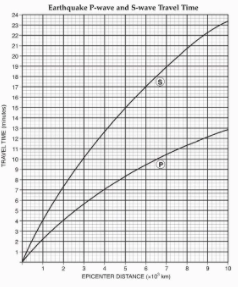
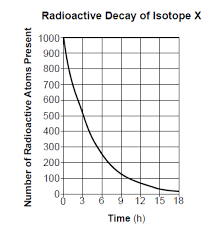
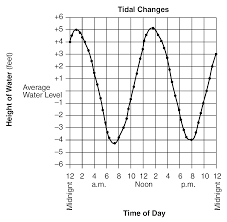
Match the graph to the name of its relationship.
Match the graph to the name of its relationship.
| Draggable item | arrow_right_alt | Corresponding Item |
|---|---|---|
Cyclic | arrow_right_alt |
|
Direct | arrow_right_alt |
|
Indirect | arrow_right_alt |
|
Constant | arrow_right_alt |
|
If I want to know how many glasses of water you drank every month.
Monthly average temperatures
The amount of water on earth that is fresh, salinated (salt water), trapped in ice, etc.
The speed of water needed to pick up rocks of different sizes to transport them
For the list below, please resequence the steps we learned when reviewing a graph
Read the intervals to understand the scale.
Read the title.
Read the variables on the axes.
Look at the trend to begin making understanding.
Match the graph to the name of its relationship.
| Draggable item | arrow_right_alt | Corresponding Item |
|---|---|---|
Cyclic | arrow_right_alt |
|
Direct | arrow_right_alt |
|
Indirect | arrow_right_alt |
|
Constant | arrow_right_alt |
|
Graph the relationship between the distance of a runner and the amount of fatigue they have.
Please mark the graphs with conceptual points, place the "x" or dots and then connect the line.
Graph the relationship between the proximity to fire and the temperature.
Please mark the graphs with conceptual points, place the "x" or dots and then connect the line.