Log in
Sign up for FREE
arrow_back
Library
Organic Molecule Stations
By Katelyn Owens
star
star
star
star
star
Share
share
Last updated almost 2 years ago
43 questions
Add this activity
zoom_in
0
Question 1
1.
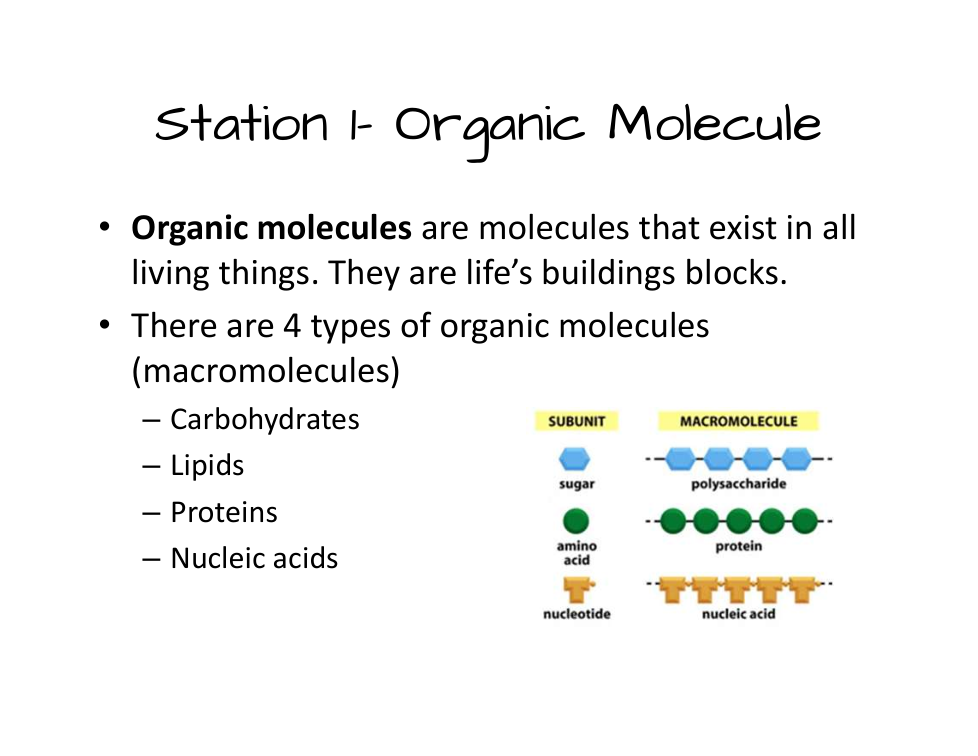
What are the four organic molecules?
zoom_in
1
Question 2
2.
All organic molecules contain
1
zoom_in
1
Question 4
4.
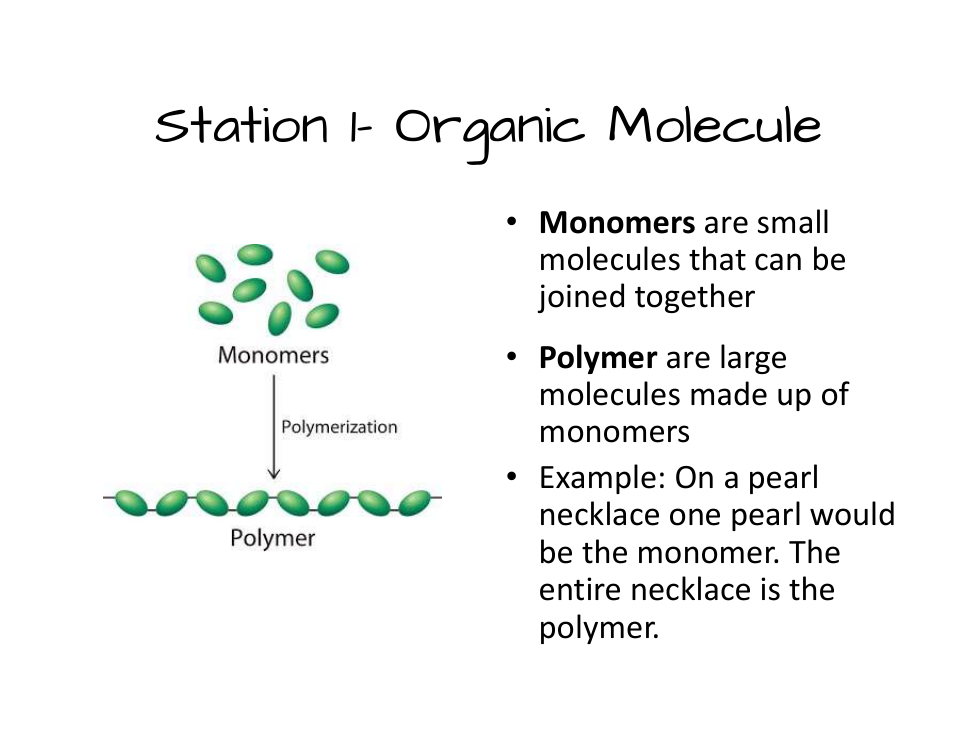
Small molecules that can be joined together are called
1
zoom_in
1
Question 6
6.
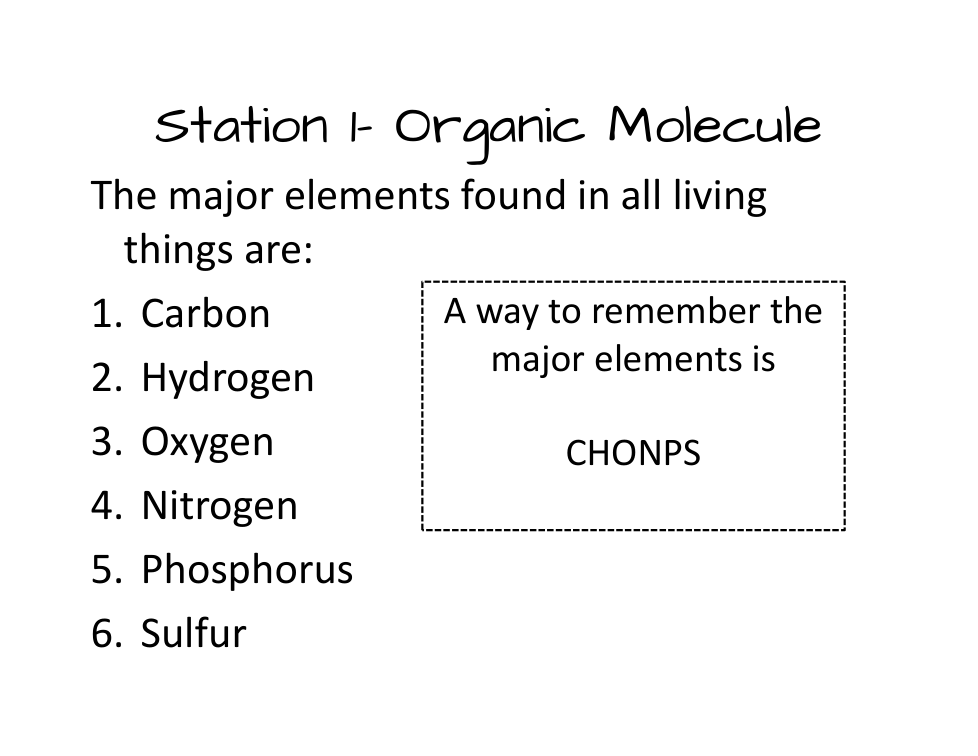
Which is NOT a major element found in all living things?
A. carbon
B. oxygen
zoom_in
1
Question 7
7.
1
1
zoom_in
1
Question 10
10.
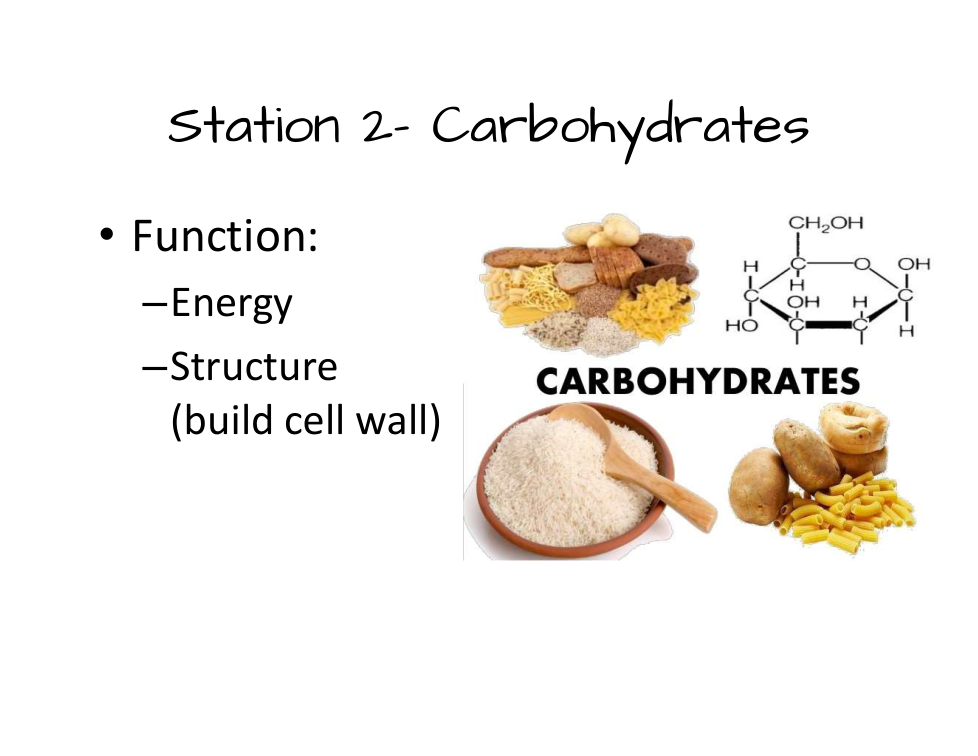
One function of carbohydrates is
A. to store genetic information
B. to make the plasma membrane
zoom_in
1
Question 11
11.
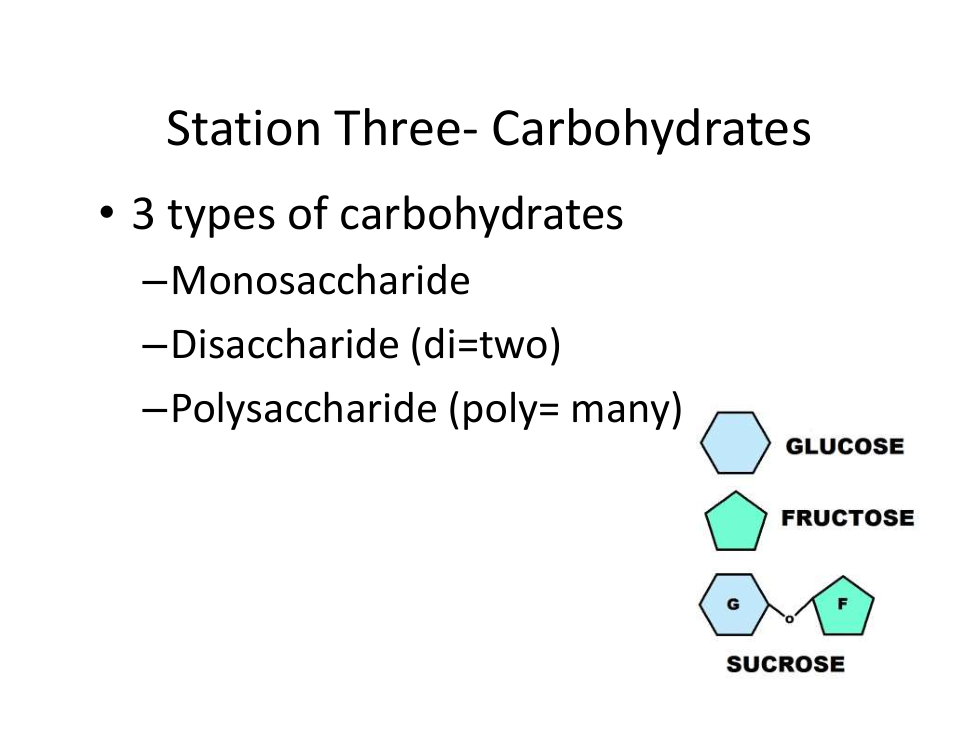
How many types of carbohydrates are there?
1
2
zoom_in
1
Question 12
12.
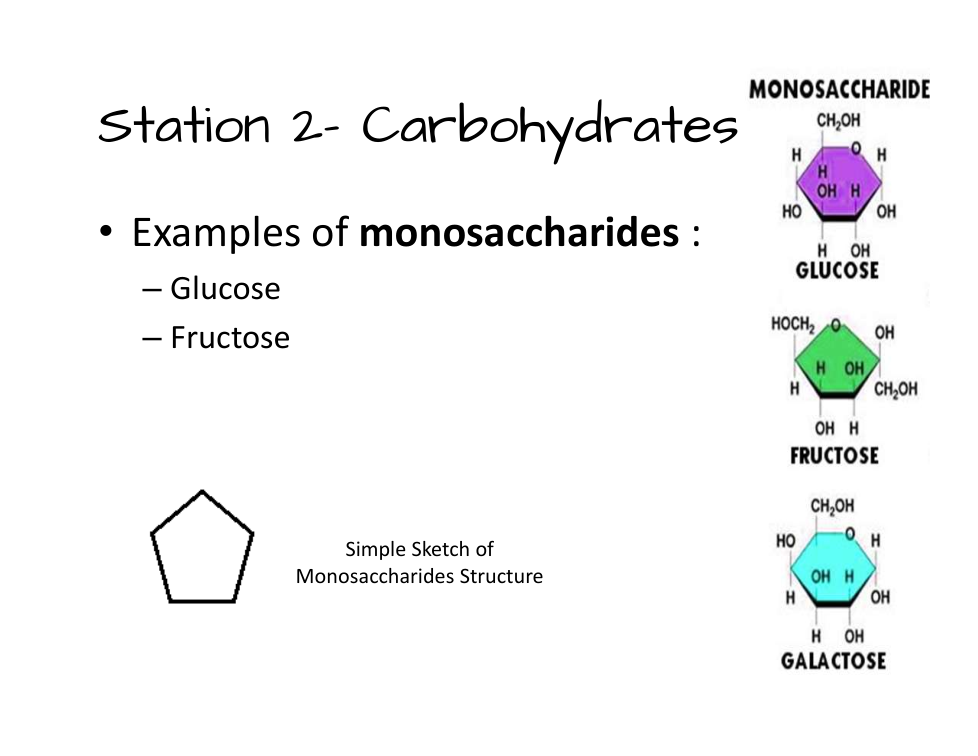
Click on two examples of monosaccharides
A. glucose
zoom_in
1
Question 13
13.
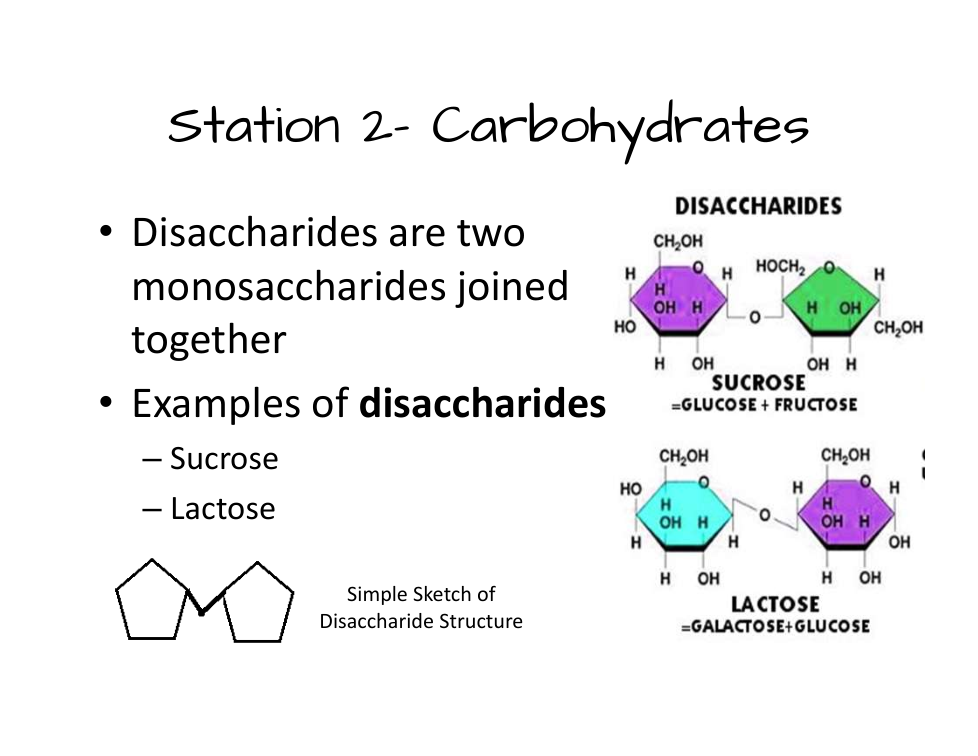
Two monosaccharides joined together is called a
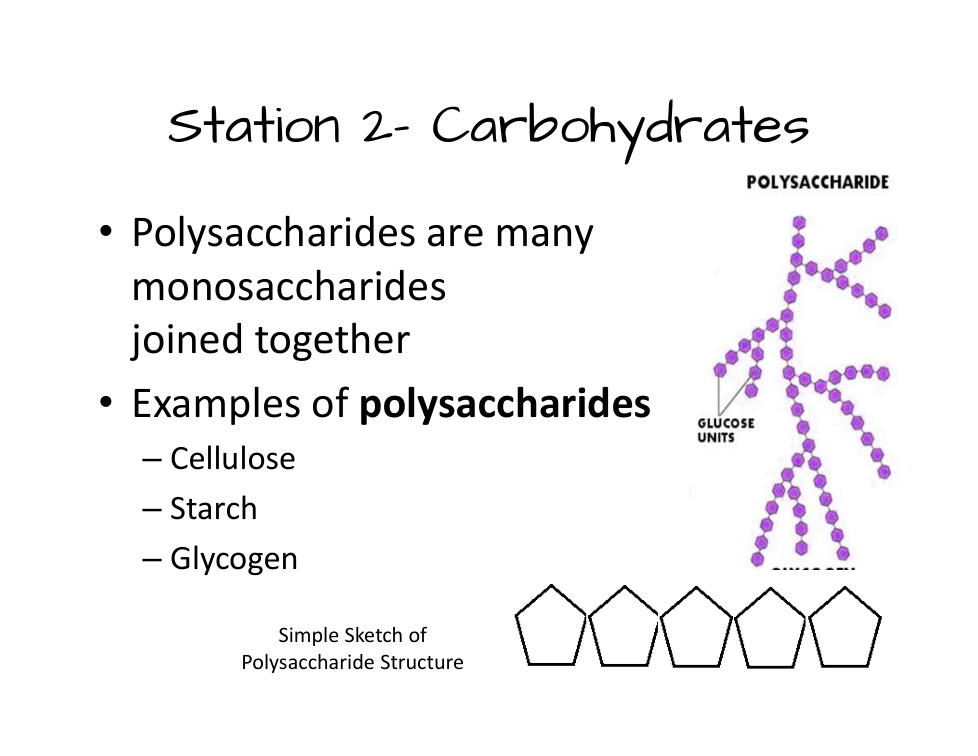
A. polysaccharide
B. triglyceride
zoom_in
1
Question 14
14.
1
1
zoom_in
1
Question 17
17.
Lipids are __________ meaning they do not dissolve in water
1
1
zoom_in
1
Question 20
20.
A function of lipids is
A. storing genetic information
B. long term energy
zoom_in
1
Question 21
21.
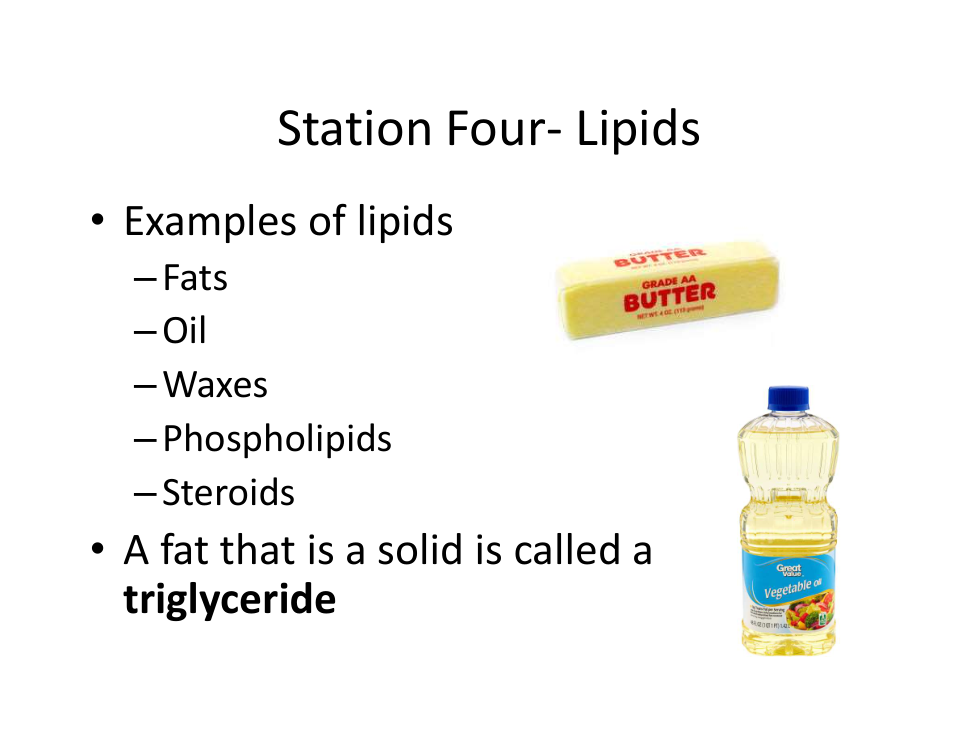
An example of a lipid is
A. potatoes (Starch)
B. meat
zoom_in
1
Question 22
22.
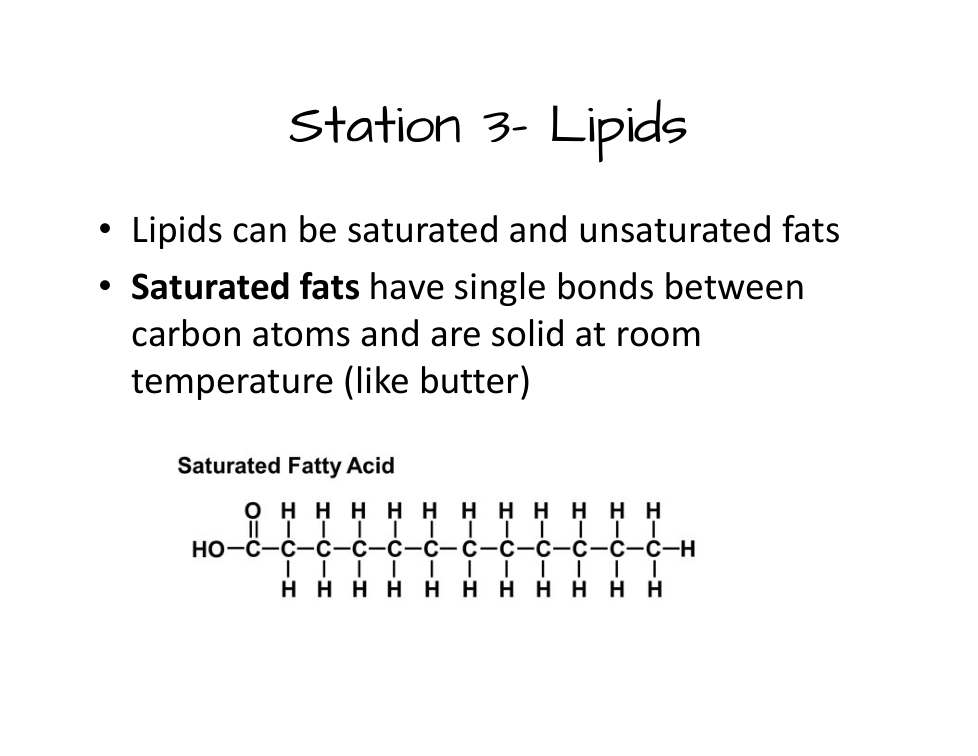
What type of fats have are solid at room temperature?
A. saturated fats
B. unsaturated fats
C. triglycerides
zoom_in
1
Question 23
23.
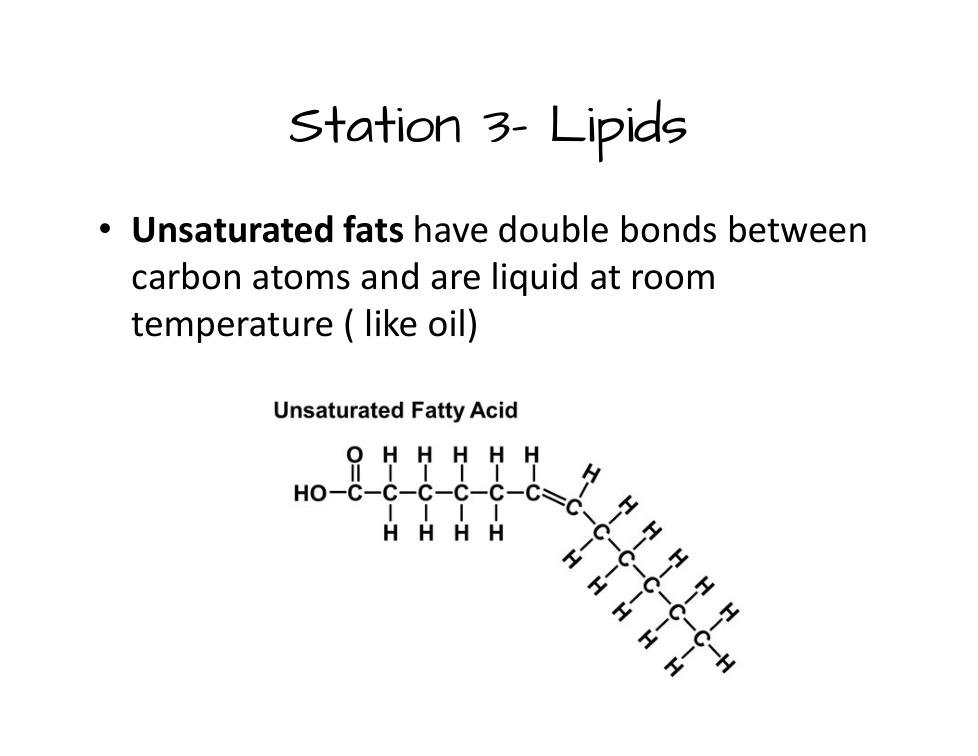
What type of fats have are liquid at room temperature?
A. saturated fats
B. unsaturated fats
C. triglycerides
zoom_in
1
Question 24
24.
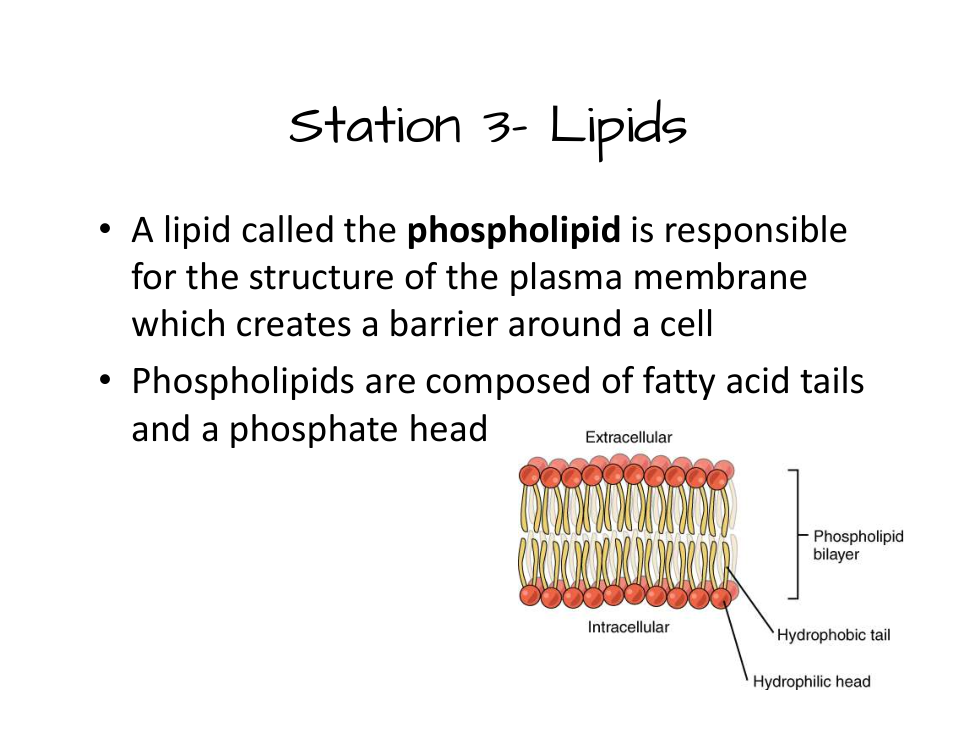
What type of lipid makes up the plasma membrane?
A. steroid
B. monosaccharide
zoom_in
1
Question 25
25.
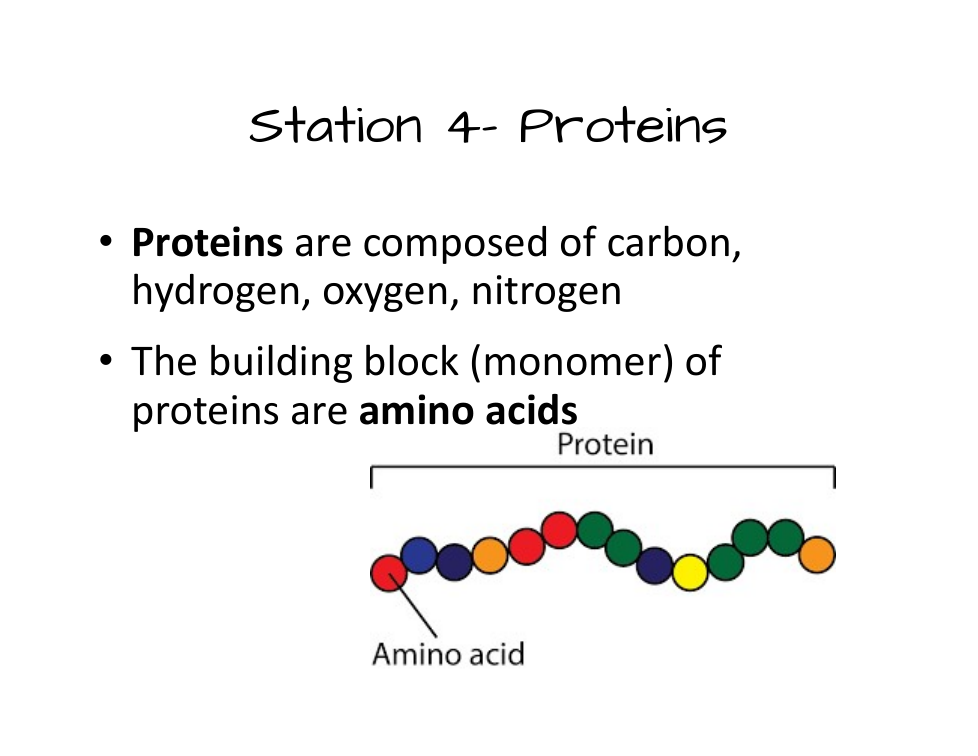
Proteins are composed of carbon, hydrogen, oxygen and
1
zoom_in
1
Question 27
27.
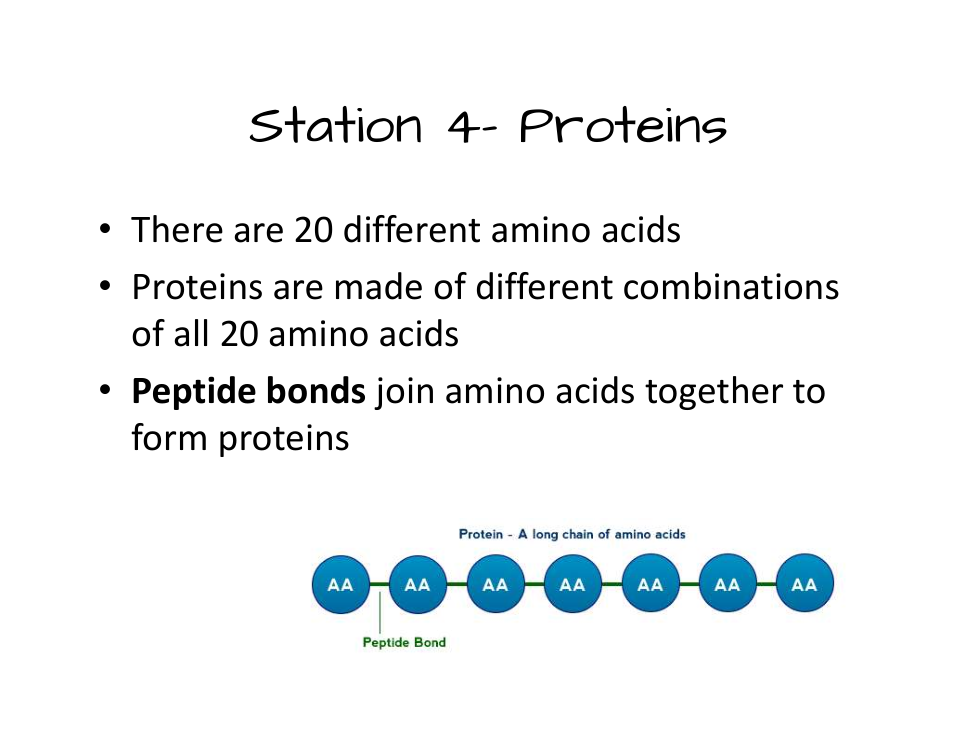
How many amino acids are there
1
zoom_in
1
Question 29
29.
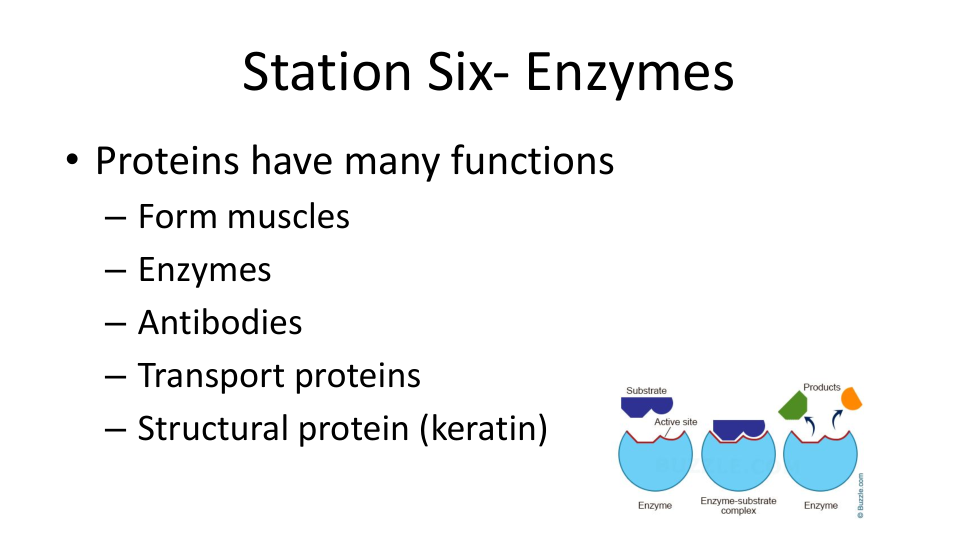
Which is NOT a function of proteins
A. form muscles
B. enzymes
zoom_in
1
Question 30
30.
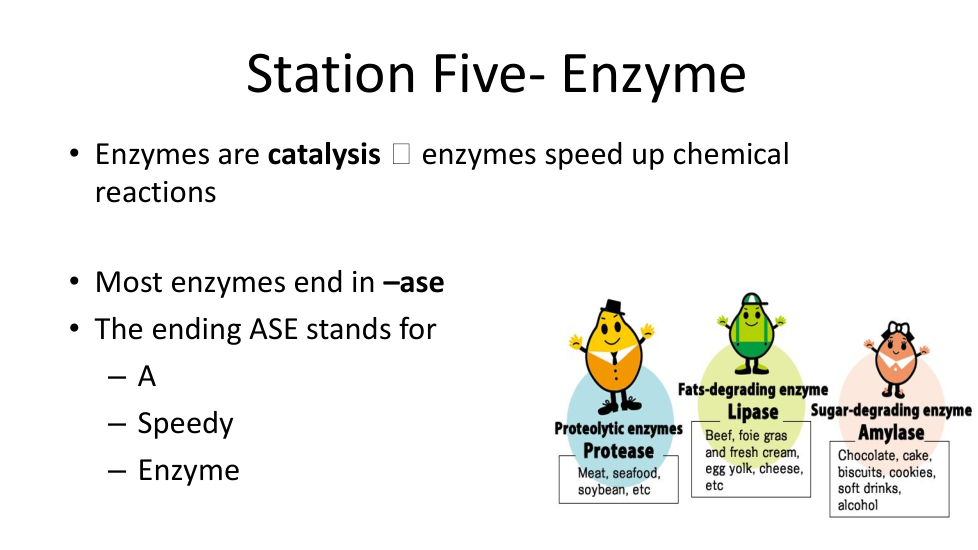
What is the function of enzymes?
1
zoom_in
1
Question 32
32.
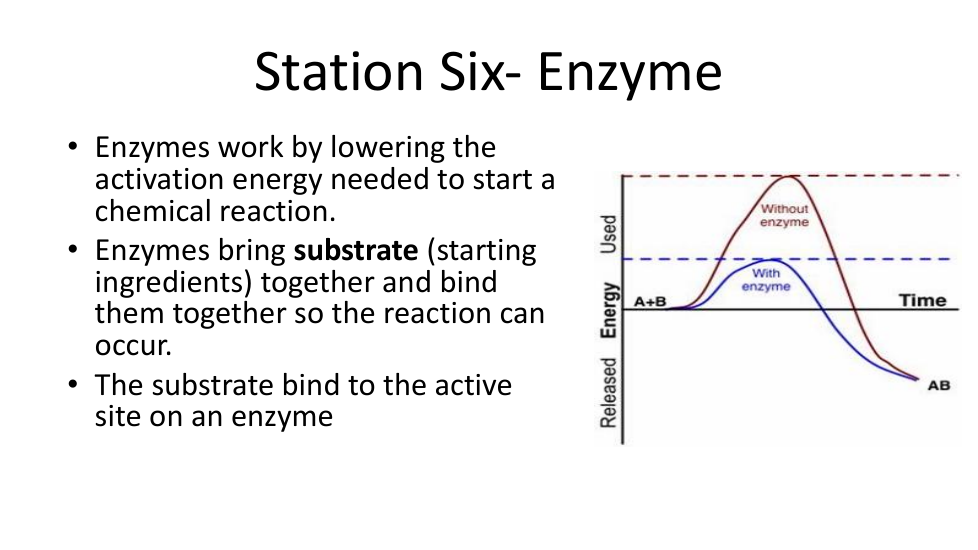
Enzymes work by lowering the activation energy needed to start a chemical reaction
True
False
zoom_in
1
Question 33
33.
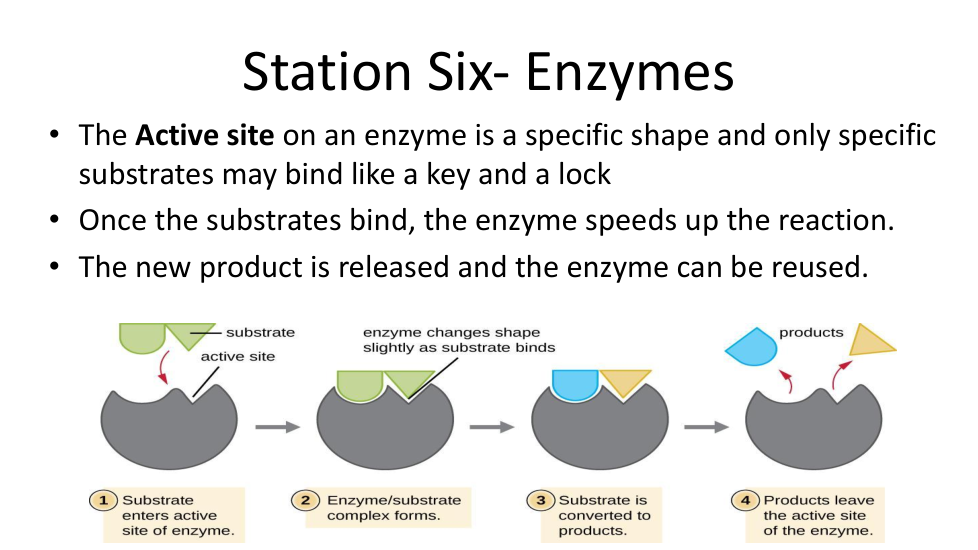
The __________ on an enzyme is a specific shape and only specific substrates may bind like a lock and key
zoom_in
1
Question 34
34.
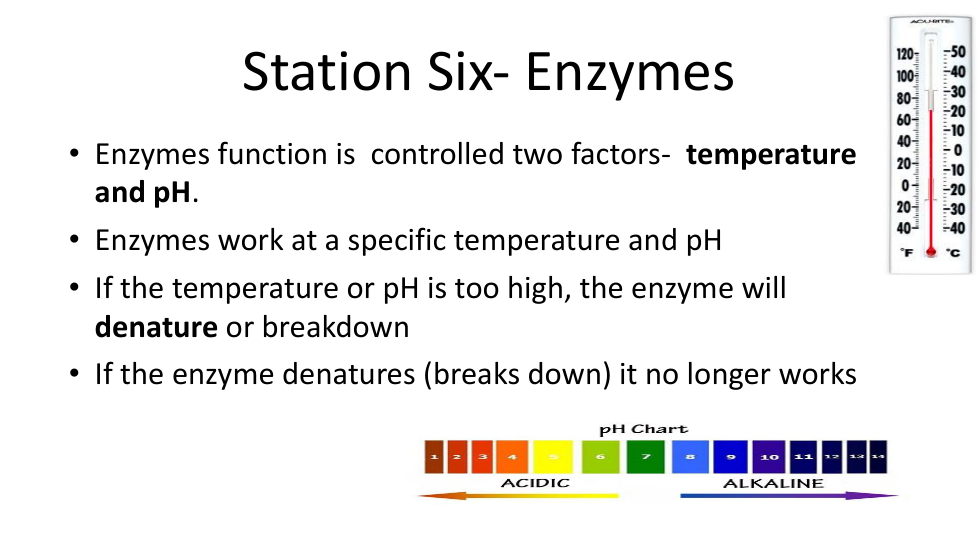
Enzymes are controlled by temperature and
1
zoom_in
1
Question 36
36.
Unlike carbohydrates, proteins, and lipids, nucleic acids contain
1
zoom_in
1
Question 38
38.
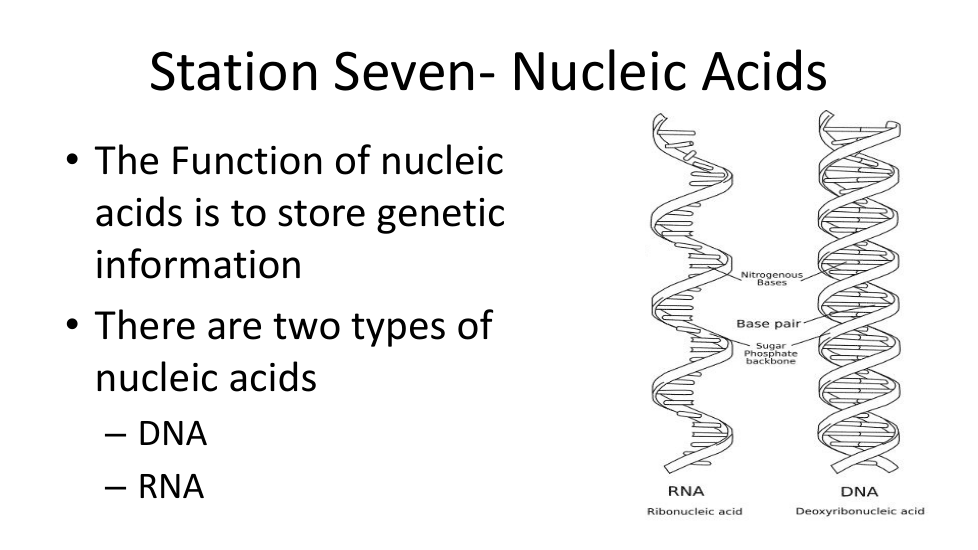
The function of nucleic acids is
1
zoom_in
1
Question 40
40.
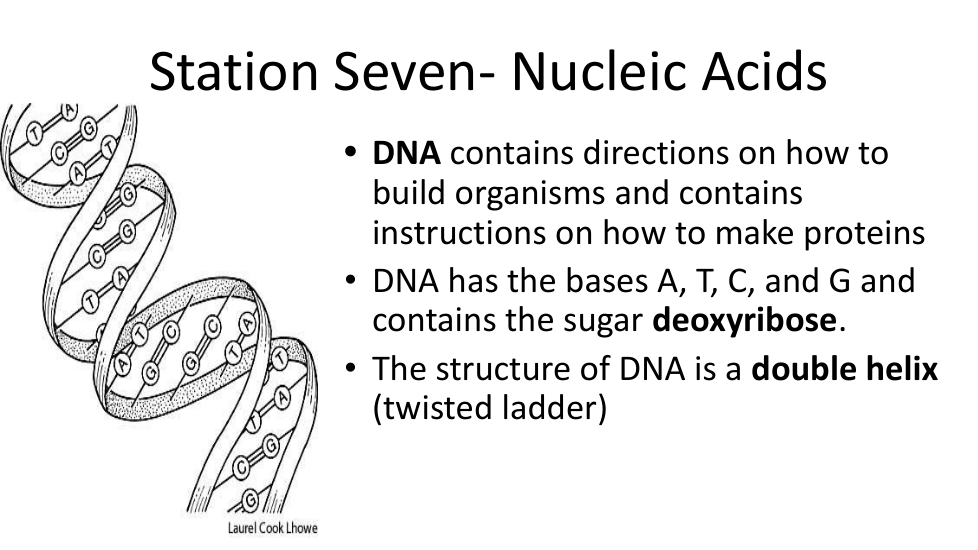
DNA contains the bases A, C, G and
A. U
B. T
1
zoom_in
1
Question 42
42.
DNA makes
1
A. oxygen
B. nitrogen
C. carbon
D. hydrogen
Question 3
3.
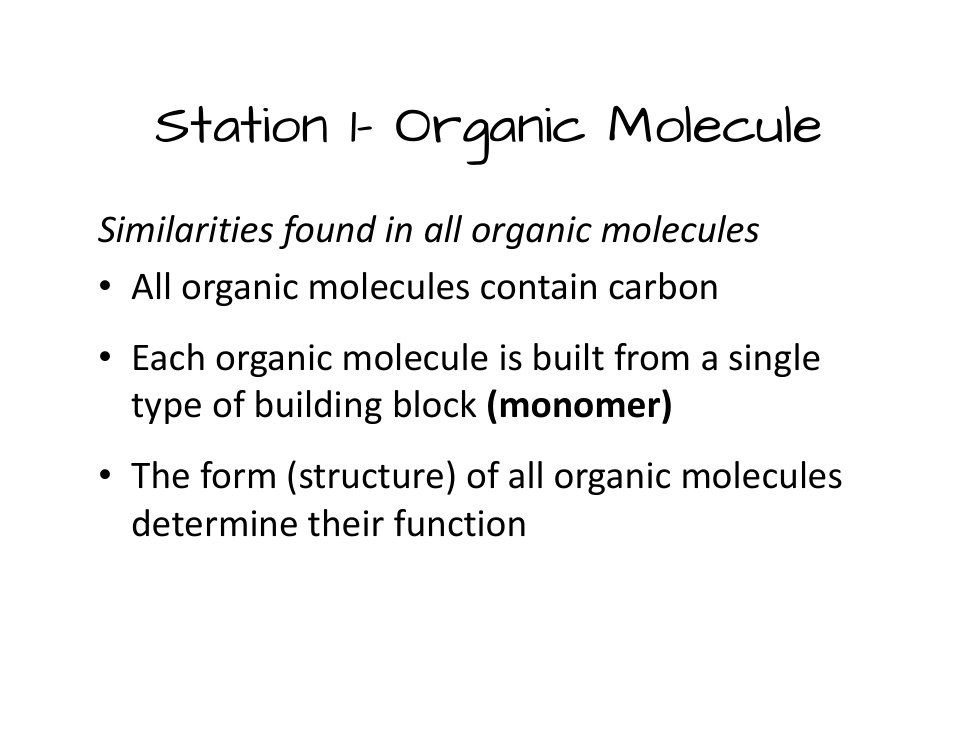
Each organic molecule is built from a single monomer or building block
A. true
B. false
A. macromolecule
B. monomer
C. polymer
D. organic molecule
Question 5
5.
Large molecule made up of monomers is called a
A. monomer
B. polymer
C. element
D. compound
C. hydrogen
D. iron
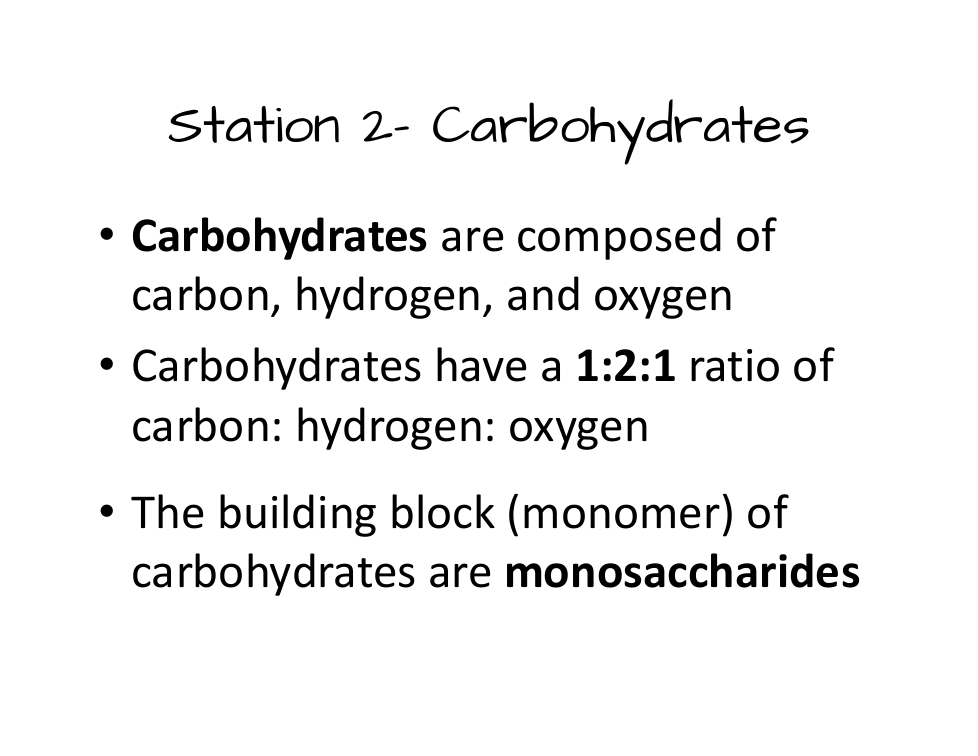
Carbohydrates are composed of what three elements
A. carbon, nitrogen, and sulfur
B. carbon, hydrogen, and phosphorus
C. hydrogen, phosphorus, and glucose
D. carbon, hydrogen, and oxygen
Question 8
8.
Carbohydrates have a __________ ratio of carbon: hydrogen: oxygen
Question 9
9.
The building block of carbohydrates are
A. polysaccharides
B. amino acids
C. fatty acids
D. monosaccharides
C. to provide energy
D. insulation
3
4
B. starch
C. sucrose
D. fructose
C. disaccharide
D. polypeptide
Many monosaccharides joined together is called a
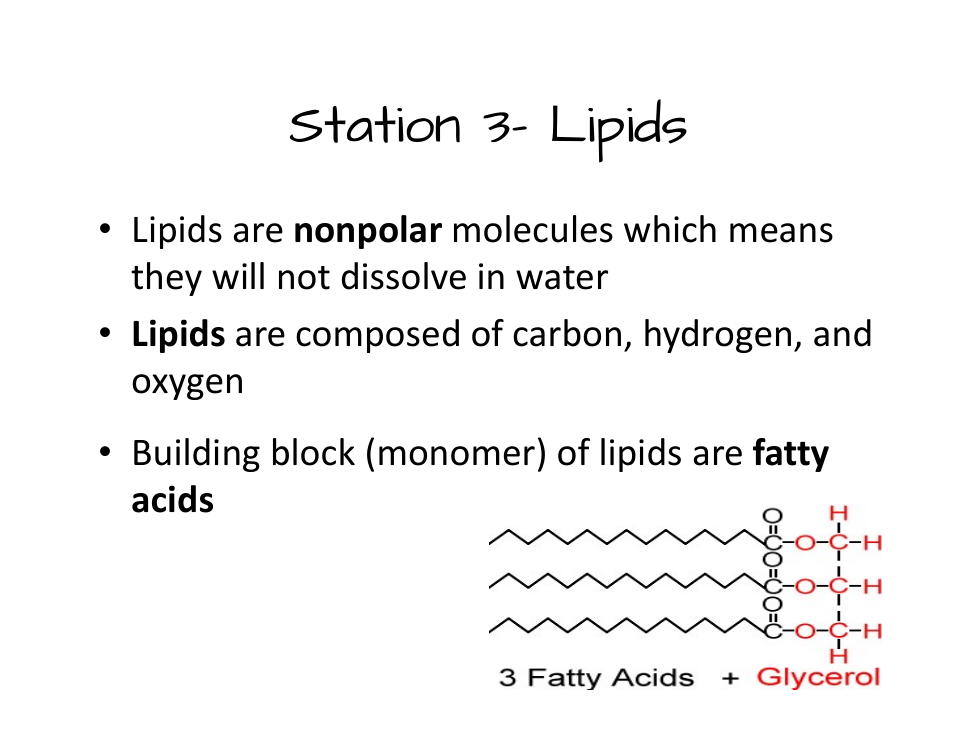
A. polysaccharide
B. disaccharide
C. polypeptide
D. fatty acid chain
Question 15
15.
An example of a polysaccharide is
A. glucose
B. fuctose
C. sucrose
D. starch
Question 16
16.
Most carbohydrates end in
A. -ase
B. -ose
C. -sis
D. lyse
Question 18
18.
Lipids are composed of carbon, hydrogen and
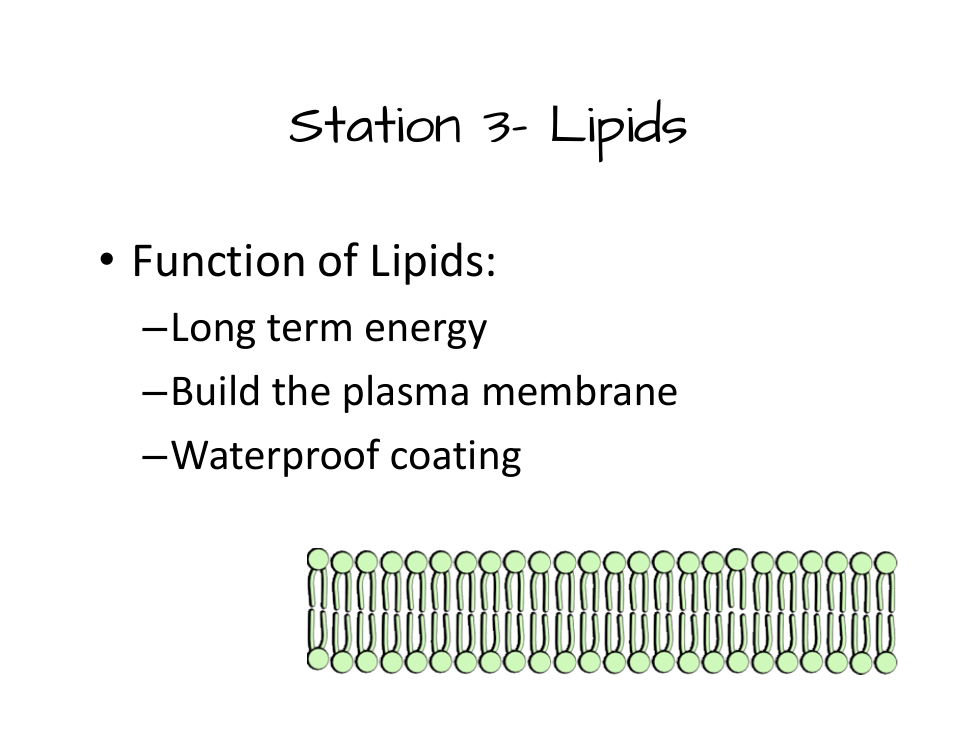
A. iron
B. nitrogen
C. oxygen
D. phosphorus
Question 19
19.
The building blocks of lipids are
A. fatty acids
B. amino acids
C. monosaccharides
D. amino acids
C. making the cell wall
D. fighting infection
C. oil
D. strawberry
C. membrane protein
D. phospholipid
A. phosphorous
B. nitrogen
C. helium
D. sulfur
Question 26
26.
The building blocks of proteins are
A. monosaccharides
B. amino acids
C. fatty acids
D. nucleotides
A. 10
B. 15
C. 20
D.75
Question 28
28.
What type of bond joins amino acids together in a protein?
A. peptide
B. hydrogen
C. phsophorus
D. helicase
C. antibodies
D. long term energy
A. speed up chemical reaction
B. forms energy
C. makes up the plasma membrane
D. insulation
Question 31
31.
Most enzymes end in
-ose
-ase
-owens
A. water content
B. air pressure
C. pH
D. osmosis level
Question 35
35.
If the temperature or pH is too high, the enzyme will
A. work faster
B. denature
C. catch on fire
D. divide
A. sulfur
B. phosphorus
C. iron
D. helium
Question 37
37.
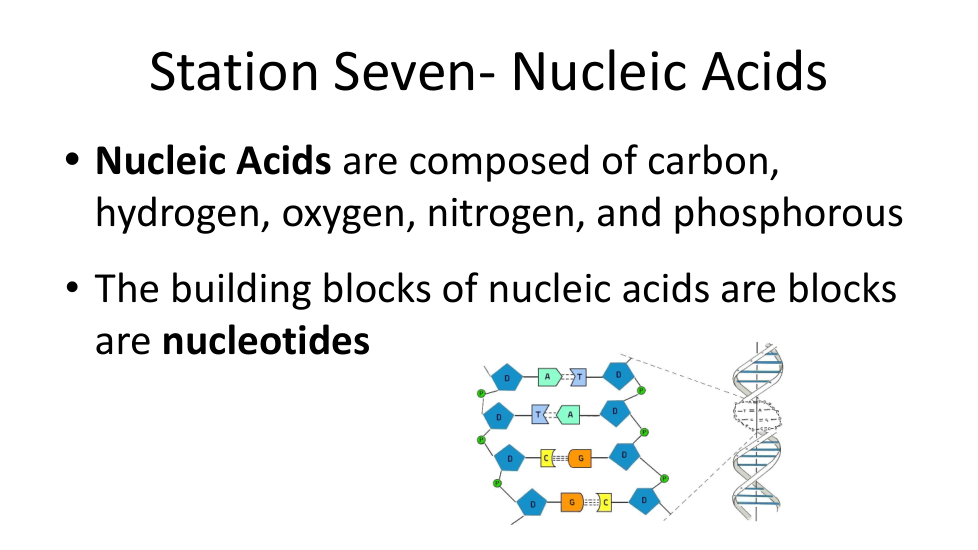
The building blocks of nucleic acids are
A. fatty acids
B. nucleotides
C. amino acids
D. monosaccharides
A. to speed up reactions
B. long term energy
C. to make up the plasma membrane
D. to store genetic information
Question 39
39.
Two types of nucleic acids are
A. glucose and fructose
B. DNA and RNA
C. helicase and amylase
D. fats and oils
Question 41
41.
What sugar is found in DNA?
A. ribose
B. glucose
C. deoxyribose
D. sucrose
A. carbohydrates
B. RNA
C. fatty acids
D. chitin
Question 43
43.
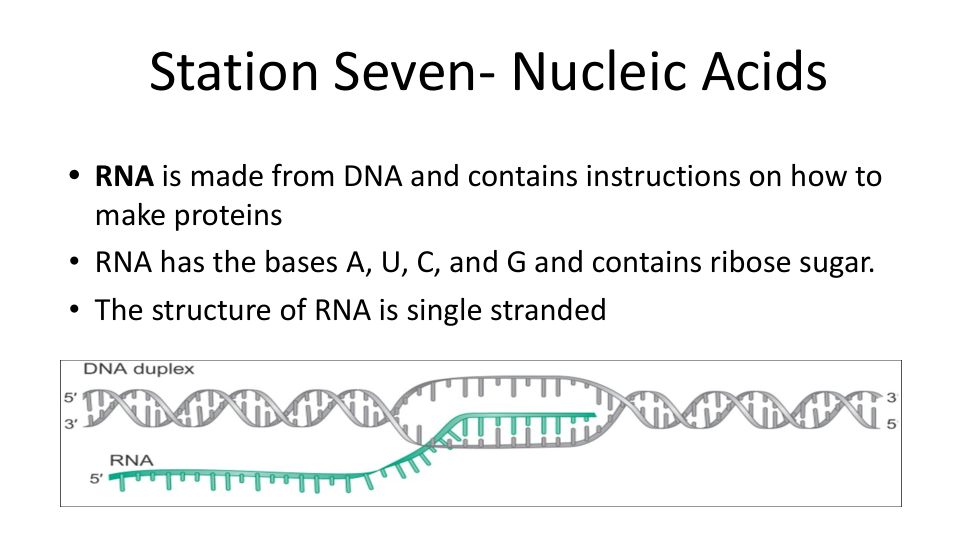
The four bases in RNA are A, U, C and G
A. True
B. False