Algebra 1 2-7 Guided Practice: Solving Proportions
star
star
star
star
star
Last updated almost 6 years ago
17 Nsɛmmisa





10
A.CED.1
A.REI.3


10
A.CED.1
A.REI.3
10
A.CED.1
10
A.CED.1
A.REI.3

10
A.CED.1
A.REI.3
N.Q.1

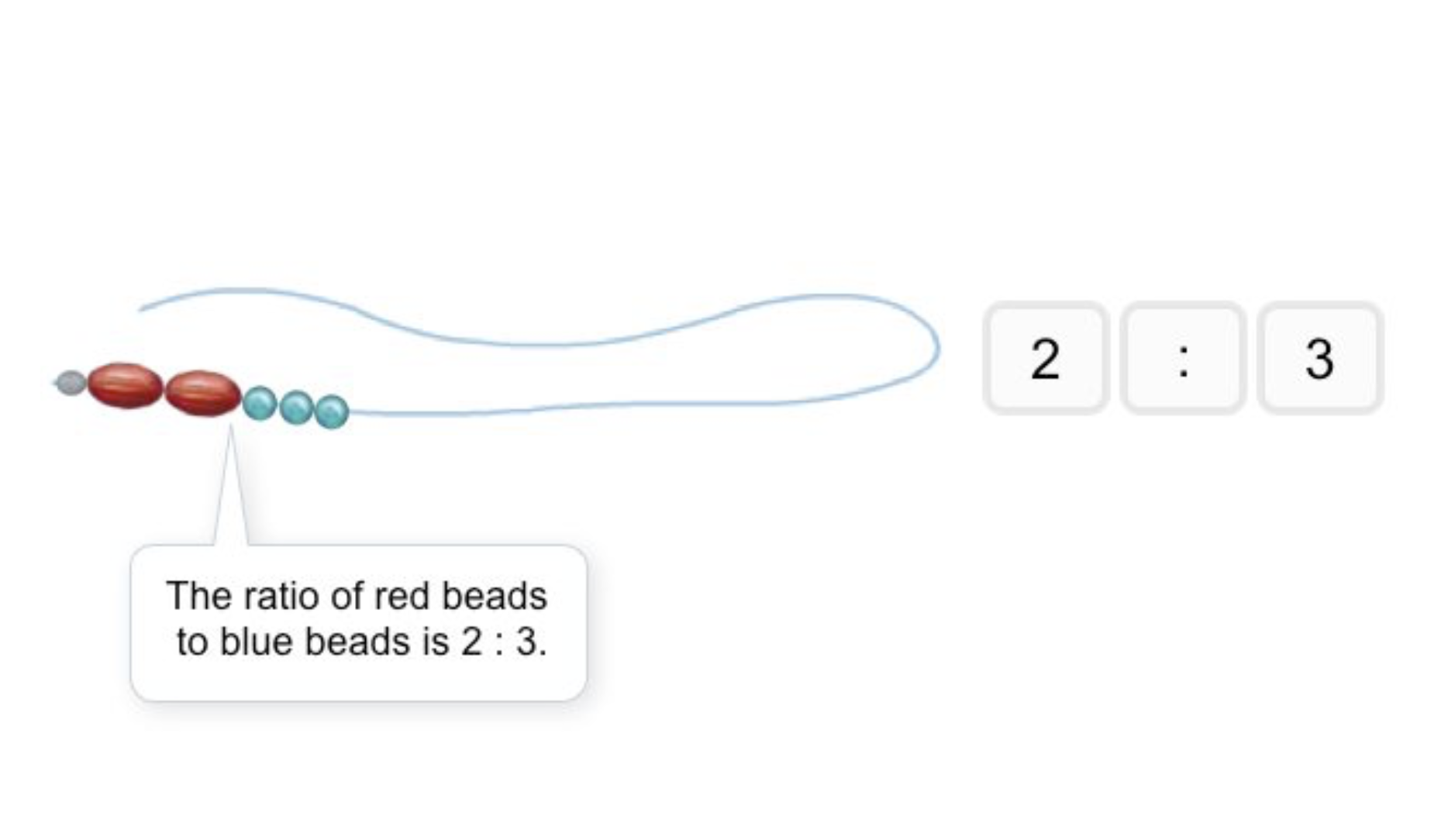
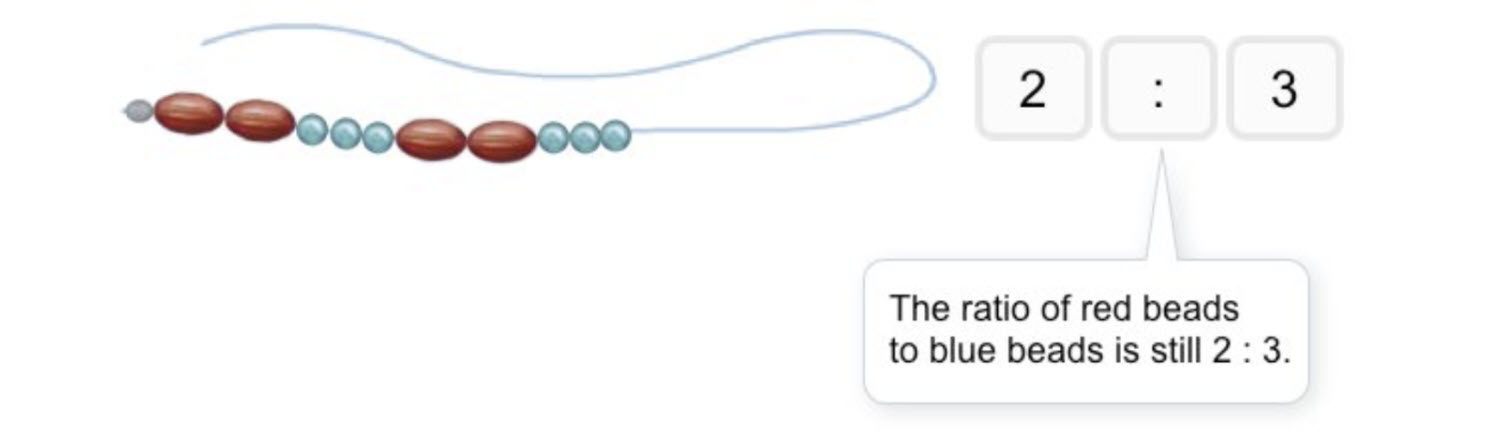
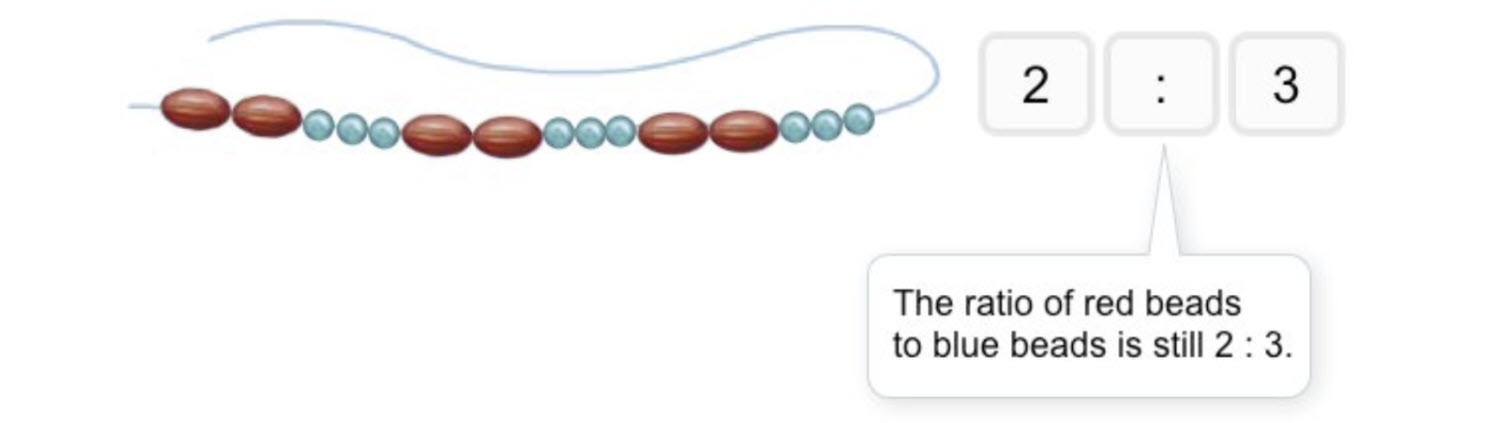
Solve It! You are making beaded necklaces, using a pattern in which 2 large red beads are followed by 3 small blue beads. Each set of 5 beads adds 1.25 in. to the length of the necklace. How many of each color bead will you need for a 20-in necklace?

Take Note: Define ratio.
Take Note: Provide an example of a simplified ratio.
Take Note: Define proportion.
Take Note: Provide an example of a proportion.
Problem 1 Got It? What is the solution of the proportion?

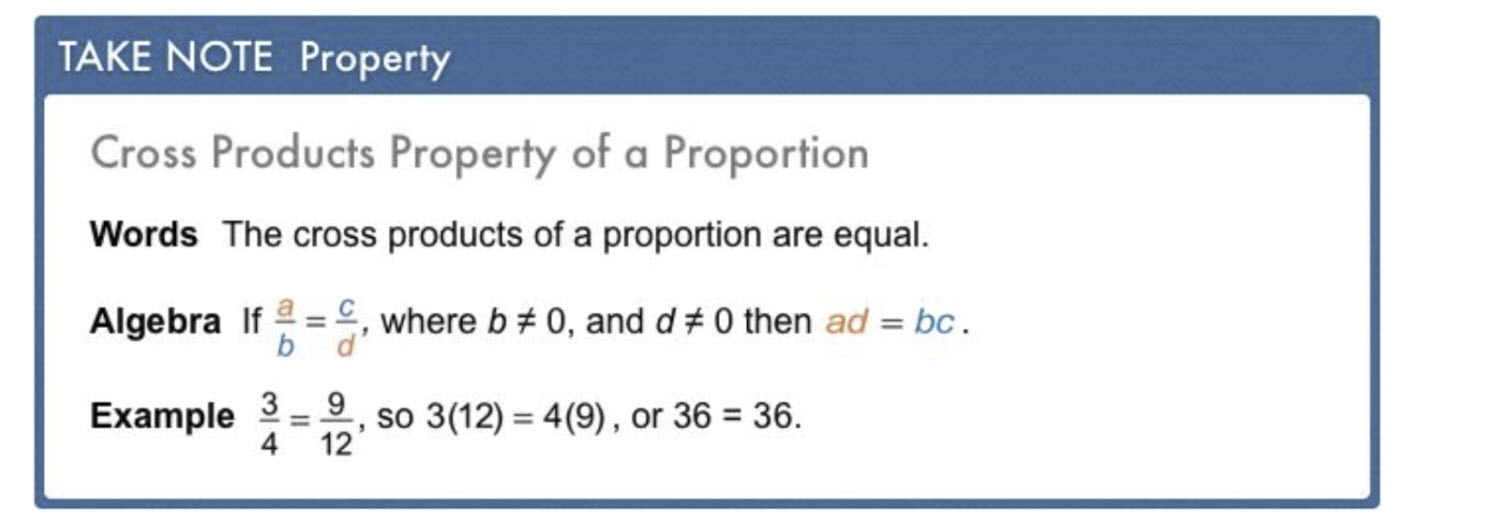
Take Note: Define cross products.
Problem 2 Got It? What is the solution of the proportion?
Problem 2 Got It? Reasoning: Would you rather use the Cross Products Property or the Multiplication Property of Equality (aka multiply the numerator and denominator of at least 1 ratio by the same number) to solve the proportion? Explain.
Problem 3 Got It? What is the solution of the proportion?
Problem 4 Got It? An 8-oz can of orange juice contains about 97 mg of vitamin C.
About how many milligrams of vitamin C are there in a 12-oz can of orange juice?
Take Note: Summarize the mathematical content of this lesson. What topics, ideas, and vocabulary were introduced?
Explain your answer.
Take Note: Fill in the blank:
The cross products of a __________ are equal.
Take Note: Fill in the blank:
Assume that
Select all that apply.
Take Note: Identify the extremes of the proportion. Select all that apply.
Take Note: Identify the means of the proportion. Select all that apply.