MB 2.4

Last updated almost 3 years ago
16 questions
Untitled Section

MB 2.4: Analyzing Experiments with Mice

Objective: KWBAT analyze experimental data and text to explain how the interactions between bacteria and its environment can affect the human body.
Part 1

Part 1: Do Now

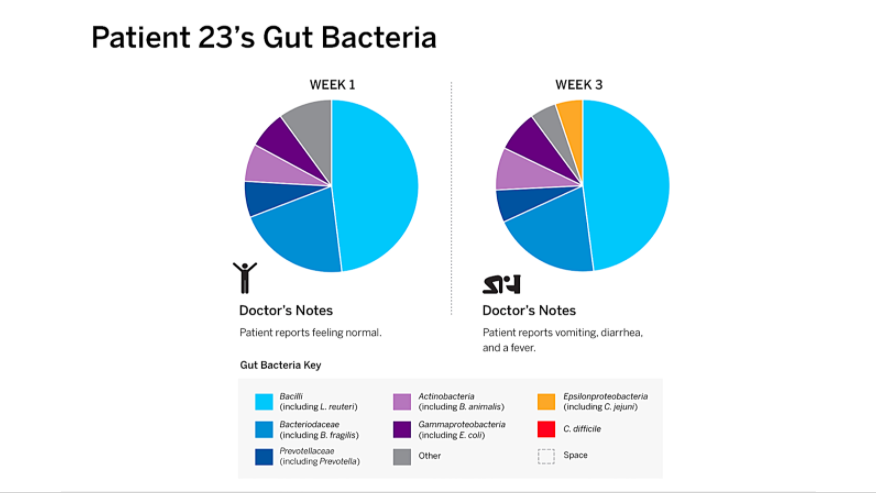
Reflect back on MB 2.3 and read the data.
1

Recap: Why was Patient 23 feeling sick during week 3?

0

Are all bacteria bad for you? Explain your response here and use the data from the chart to support your answer.
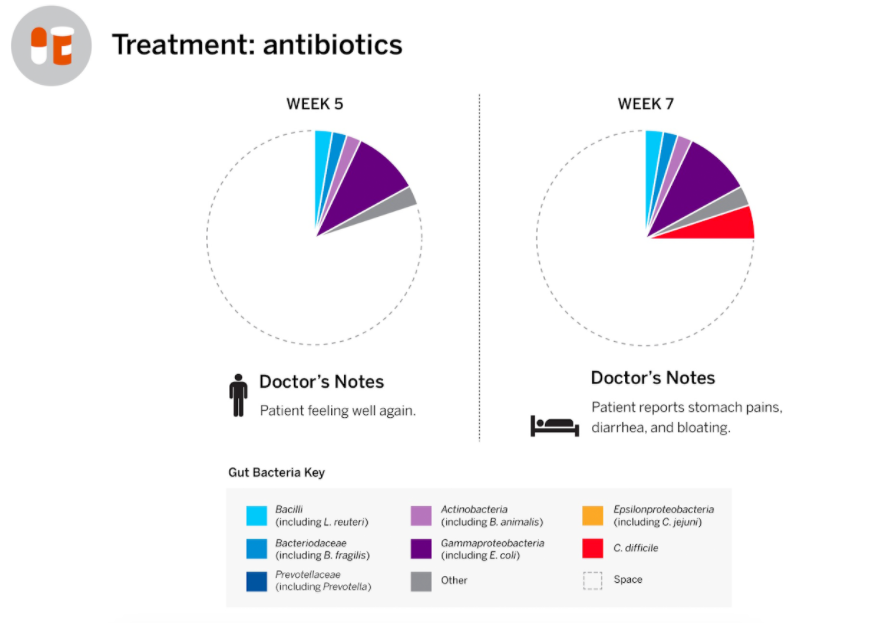

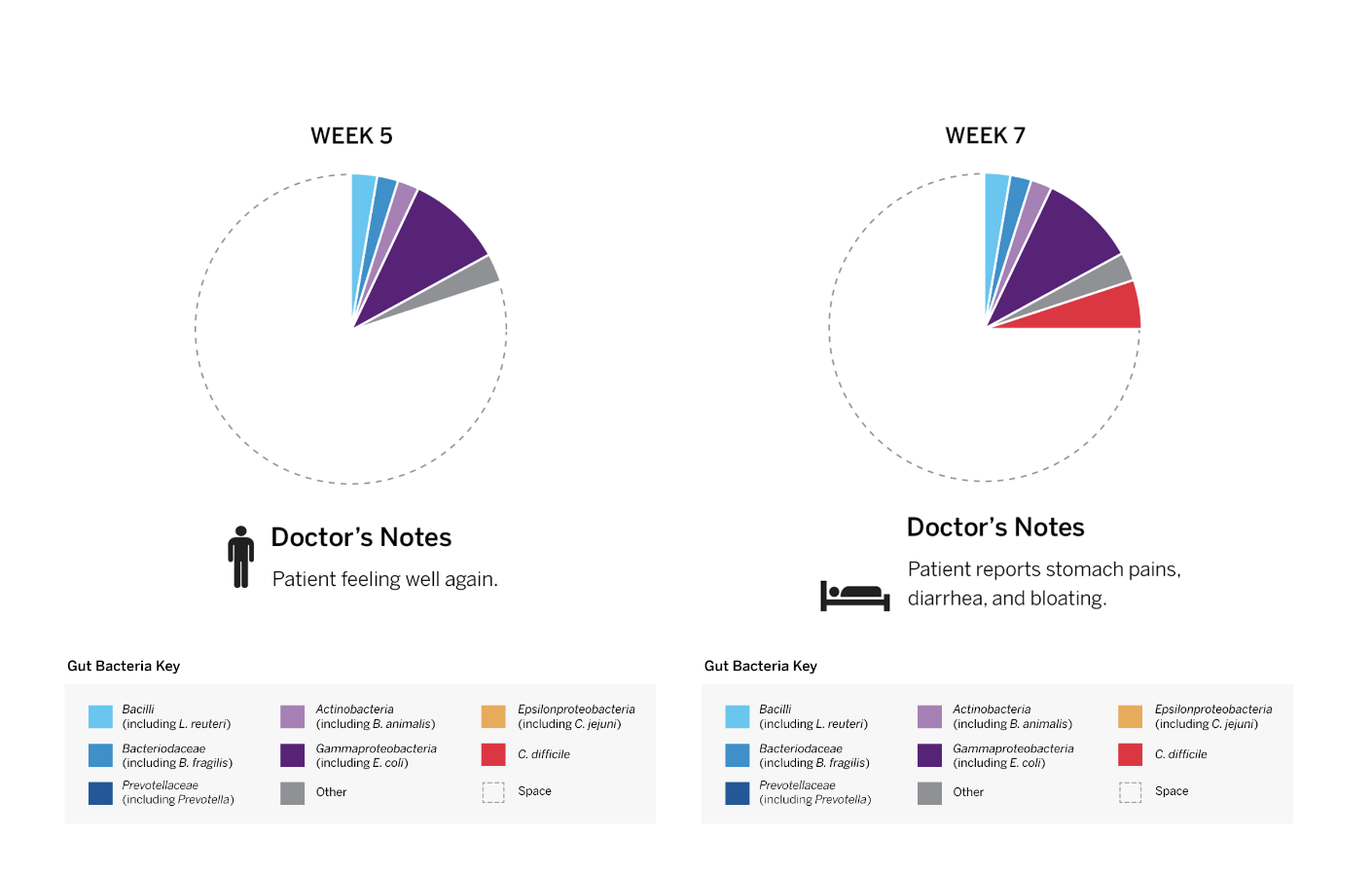
As you remember, Patient 23 received antibiotics during week 3, and by week 5 they were feeling better! Below you’ll find a new piece of data: their microbiome at week 7.

1

Which new type of bacteria was introduced to Patient 23’s gut microbiome?

0

Predict: What effect do you think this new bacteria will have on Patient 23’s overall health?

Part 2

Part 2: Analyzing an Experiment About the Microbiome

So what happened? The antibiotics seemed to make Patient 23 so much healthier… how did they get sick again? Let’s review a key concept we discovered last week:


So how might this impact Patient 23? Here’s the question we’ll answer today:
How can having fewer than normal bacteria in the gut microbiome affect the overall health of the body?

To figure this out, scientists have used experiments with mice. Even though they are very different from us in many ways, mice have very similar microbiomes. This makes them good test subjects for learning more about the microbiome.

Read the description of an experiment performed by scientists on mice. Then, answer the questions below.

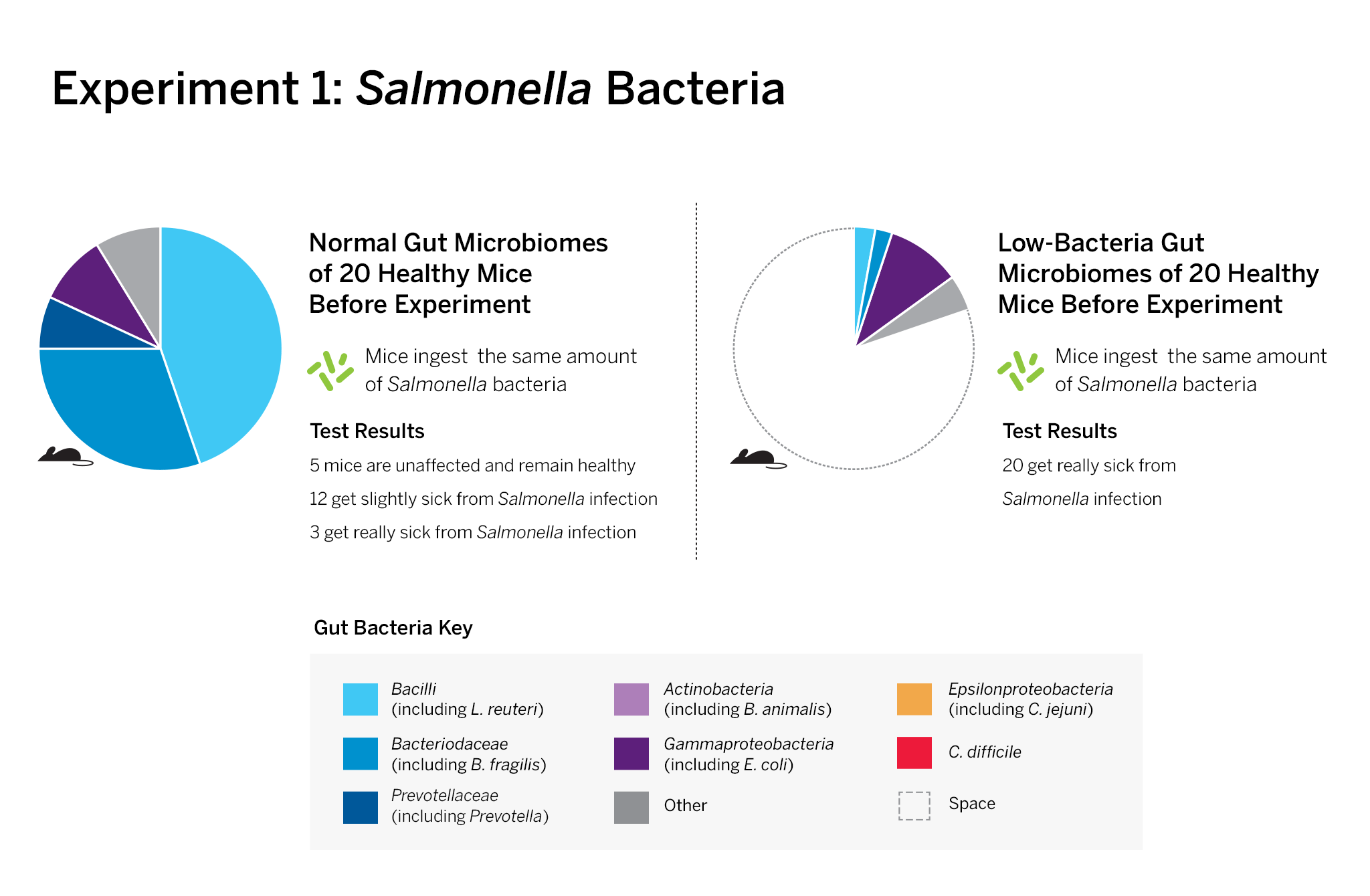
Scientists wanted to know whether having fewer bacteria in their gut microbiome would make a mouse more likely to become infected with Salmonella, a type of harmful bacteria. They ran an experiment with 40 laboratory mice. At the start of the experiment, 20 mice had normal gut microbiomes and 20 mice had low-bacteria gut microbiomes. Both groups were healthy at the start of the experiment. Then, each group of mice ingested (ate) Salmonella bacteria.

0

What was different about the two groups of mice before the experiment started?

Part 3

Part 3: Reading About Salmonella Bacteria

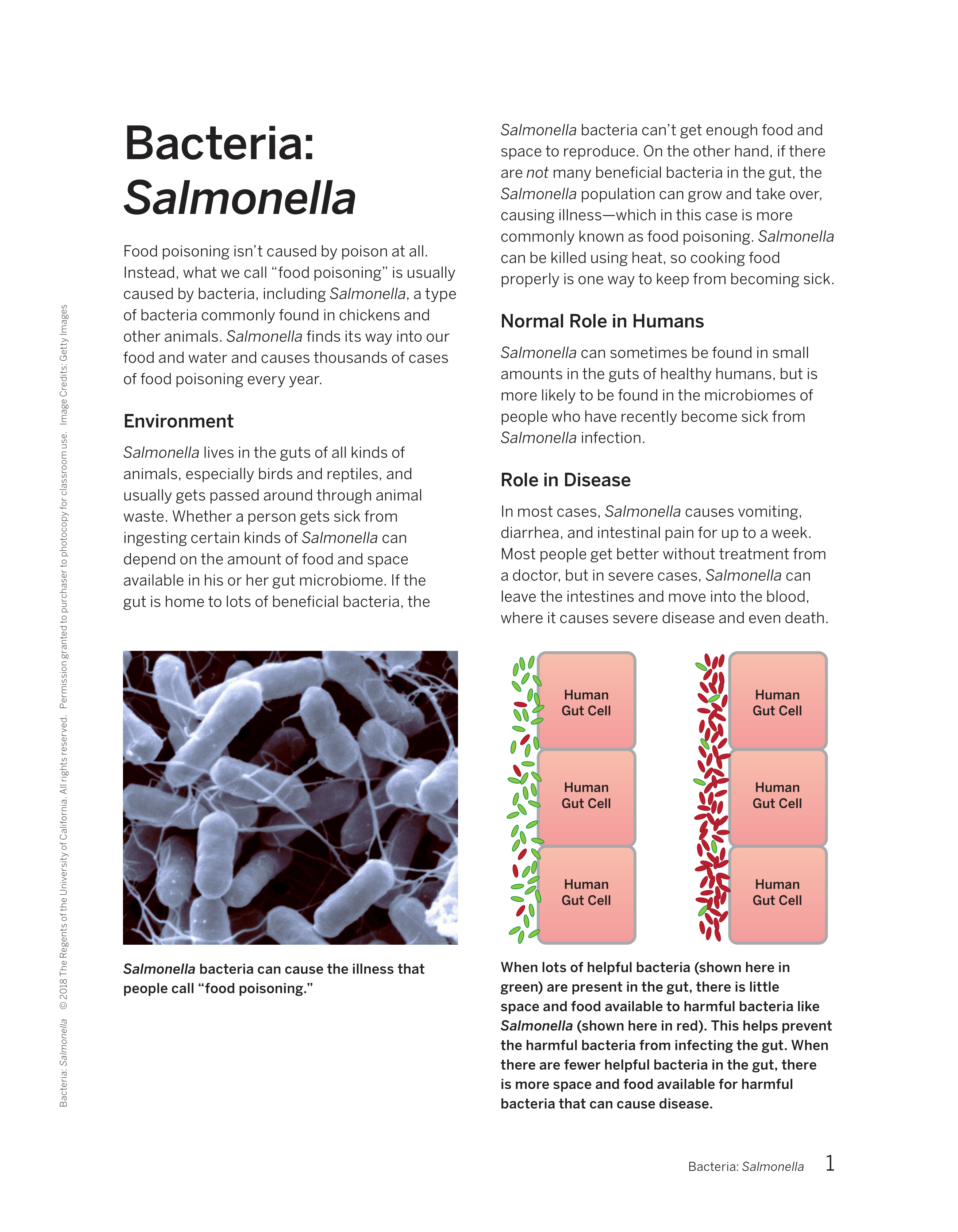
As we can see, the low-bacteria mice seemed more likely to get very sick; let’s do some reading to figure out why.

Link to have it read outloud to you:

https://ereader.learning.amplify.com/#/reader/5dc3fb67-9a96-4b71-97cc-30ebb6121d2e
1

True or False: If the gut is home to lots of beneficial bacteria, the Salmonella bacteria can't get enough food and space which means that the bacteria will not continue to multiply.

1

How do Salmonella bacteria in the gut microbiome affect the body?

0

Think back to the mice experiment. Why were the low-bacteria mice in the experiment more likely to get the Salmonella bacteria infection?

HINT: Use the diagram to help you answer the question!

Sentence stater:
I think the low-bacteria mice in the experiment were more likely to get the Salmonella bacteria infection because....

Part 4

Part 4: Reading About C. Difficle Bacteria

Link to have the article read out loud to you:

https://ereader.learning.amplify.com/#/reader/56528d59-a816-4768-a27c-093ee9e6188c
2

Why are C. difficile considered difficult? Select all that apply.

1

Where is most C.difficile found in nature?

0

Explain what happens when C.difficile is exposed to oxygen in the air.

1

True or False: Most healthy people have a lot of C.difficile in their microbiomes.

0

Explain why C.difficile cannot survive when there is a lot of competition from other bacteria.

0

Summarize the main points of the paragraph "Role in Disease."

Part 5

Part 5: Exit Ticket

0

What happened to Patient 23 during week 5?

0

What happened to Patient 23 during week 7?

Finished?
Finished early?
  • Read
  • Complete other classwork
  • Try these games: https://app.legendsoflearning.com/join/YXNzaWdubWVudC0xNzg5NDM3