Log in
Sign up for FREE
arrow_back
Library

9/14 Step 3 Hydrologic Cycle CFU AP

star
star
star
star
star
Last updated 10 months ago
15 questions
1
diagram abiotic cycles, including the rock, hydrologic, carbon, and nitrogen cycles;
1
1
1
1
1
1
1
1
Question 1
1.

Match the steps of the hydrologic cycle to their definition

Draggable itemarrow_right_altCorresponding Item
arrow_right_alt
arrow_right_alt
arrow_right_alt
arrow_right_alt
arrow_right_alt
arrow_right_alt
Question 2
2.


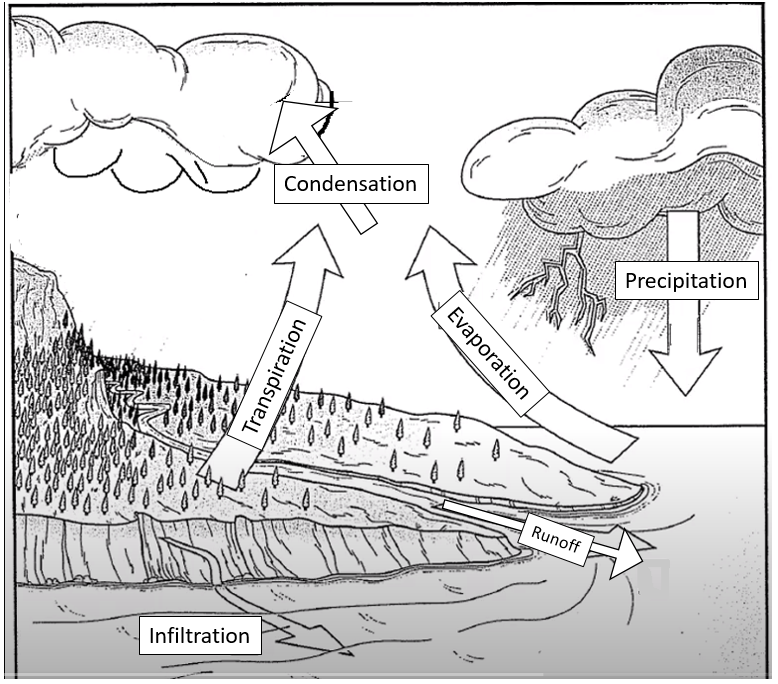
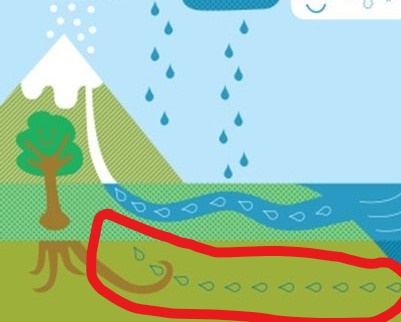
What step of the water cycle is represented by the part of the diagram circled in red showing water moving from the surface to a body of water?
Question 3
3.


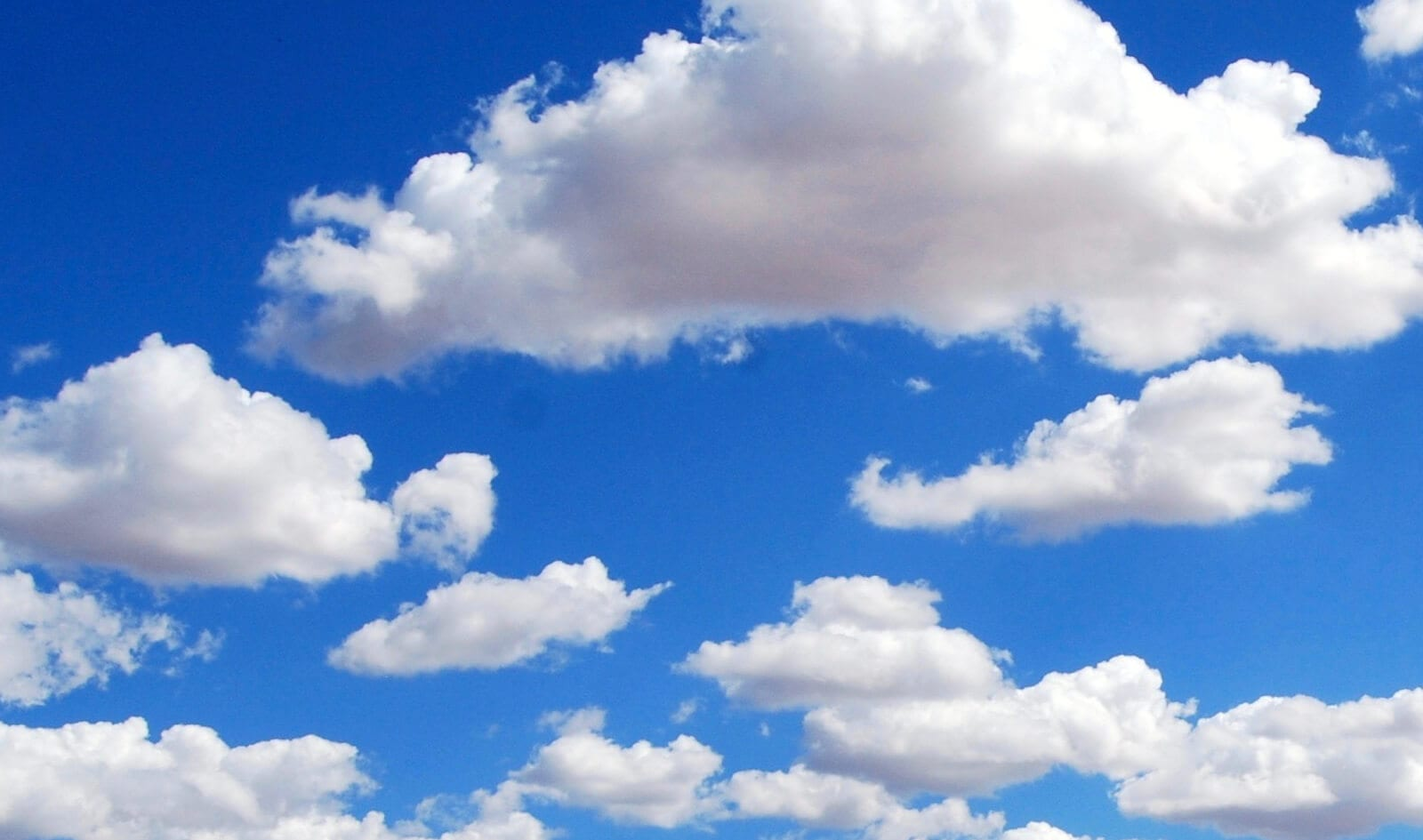
When water vapor collects and create clouds what is it called?

Question 4
4.

What step of the water cycle is represented by the part of the diagram circled in red where water is being filtered as it passes through the soil? (precipitation, evaporation, transpiration, runoff, condensation, infiltration)

Question 5
5.

When the sun heats up liquid water, turning it to vapor (water as a gas), what is this called?

Question 6
6.

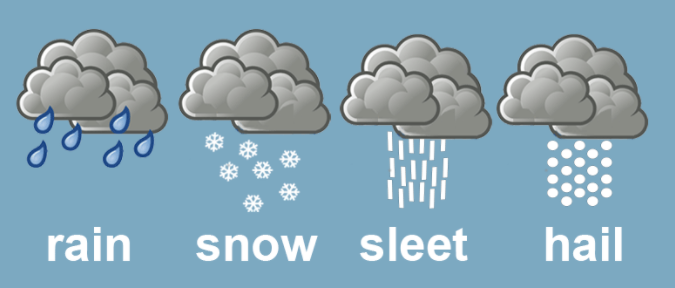
When liquid water falls back to the earth due to gravity as rain, snow or sleet, this is called -

Question 7
7.


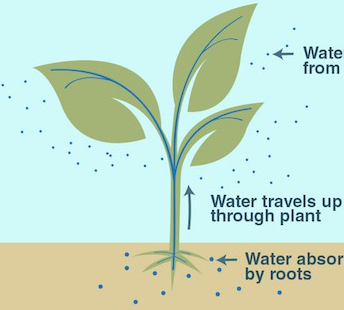
When trees release water into the atmosphere this is called...

Question 8
8.

Oceans and lakes are examples of

1
1
1
1
1
1
Question 15
15.

Click the image below and follow the directions given.

Evaporation
Gravity draws water back to Earth as rain, sleet, or snow
Transpiration
Solar radiation changing water from a liquid to a gas
Precipitation
Water that is lost through the leaves of plants
Condensation
Water flowing from the surface of the Earth toward bodies of water
Runoff
Water percolating (filtering through) from the surface through the soil to aquifers
Infiltration
Water vapor turning back into liquid water
Precipitation
Infiltration
Precipitation
Run off
Transpiration
Precipitation
Condensation
Transpiration
Evaporation
Transpiration
Suface water
Question 9
9.

In a diagram of the water cycle, how would you identify precipitation?

Question 10
10.

In a diagram of the water cycle, how would you identify evaporation?

Question 11
11.

In a diagram of the water cycle, how would you identify transpiration?

Question 12
12.

In a diagram of the water cycle, how would you identify condensation?

Question 13
13.

In a diagram of the water cycle, how would you identify runoff?

Question 14
14.

In a diagram of the water cycle, how would you identify infiltration?

Look from an arrow pointing from a cloud to the the earth
Look for an arrow coming from a stream or river into a large body of water
Look for an arrow showing water moving through the soil under ground
Look from an arrow pointing from a cloud to the the earth
Look for an arrow coming from a stream or river into a large body of water
Look for an arrow showing water moving through the soil under ground
Look from an arrow pointing from a cloud to the the earth
Look for an arrow coming from a stream or river into a large body of water
Look for an arrow showing water moving through the soil under ground
Look for an arrow pointing from a body of water to the sky/clouds
Look for an arrow pointing trees to the sky/clouds
Look from an arrow pointing from a cloud to the the earth
Look for an arrow coming from a stream or river into a large body of water
Look for an arrow showing water moving through the soil under ground
Look for an arrow pointing to a cloud (usually from evaporation)
Look for an arrow pointing from a body of water to the sky/clouds
Look for an arrow pointing trees to the sky/clouds
Look from an arrow pointing from a cloud to the the earth
Look for an arrow coming from a stream or river into a large body of water
Look for an arrow showing water moving through the soil under ground
Look for an arrow pointing to a cloud (usually from evaporation)
Look for an arrow pointing from a body of water to the sky/clouds
Look for an arrow pointing trees to the sky/clouds
Look from an arrow pointing from a cloud to the the earth
Look for an arrow coming from a stream or river into a large body of water
Look for an arrow showing water moving through the soil under ground
Look for an arrow pointing to a cloud (usually from evaporation)