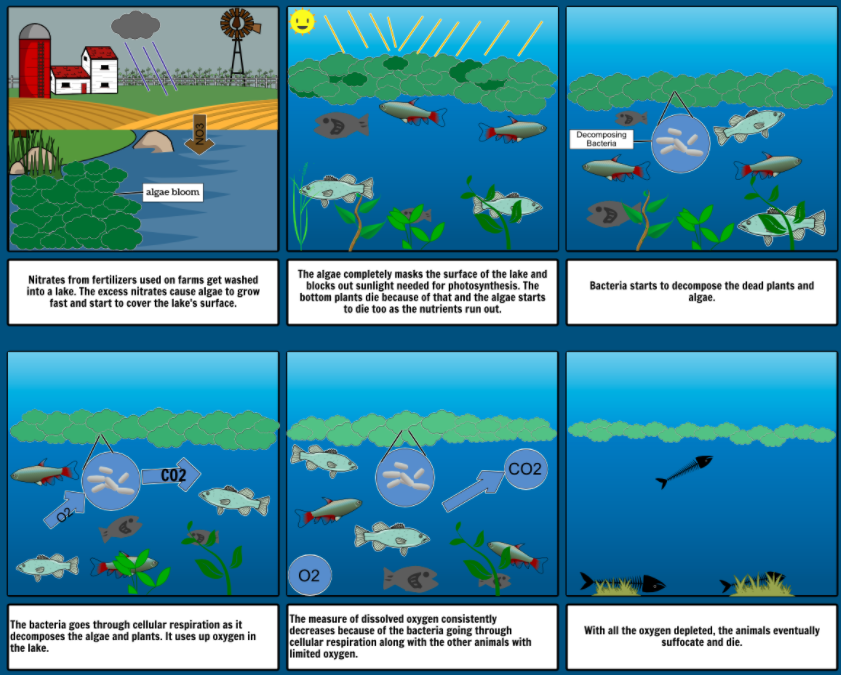
This is a two part question: Which ecosystem has more biodiversity? Explain how you know!
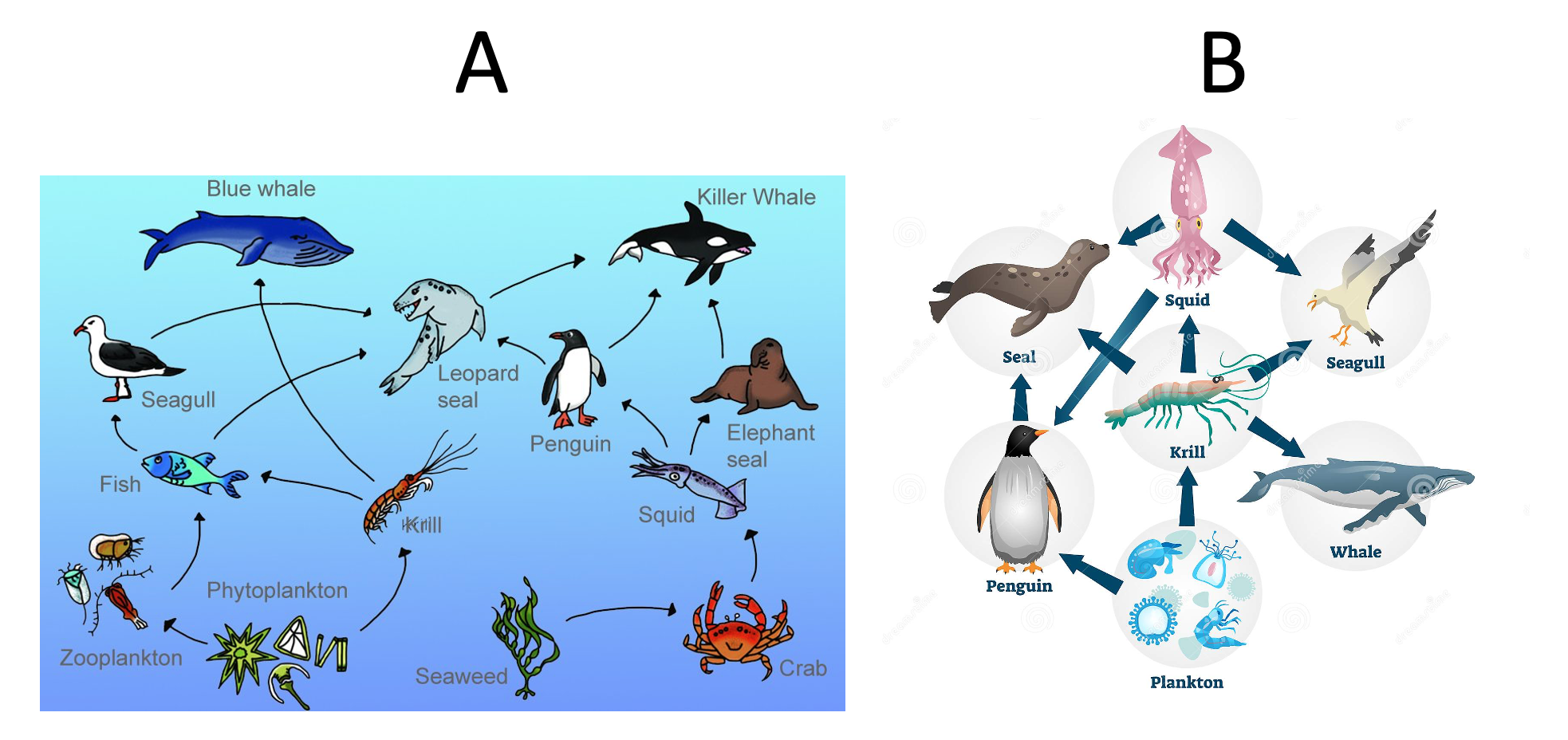
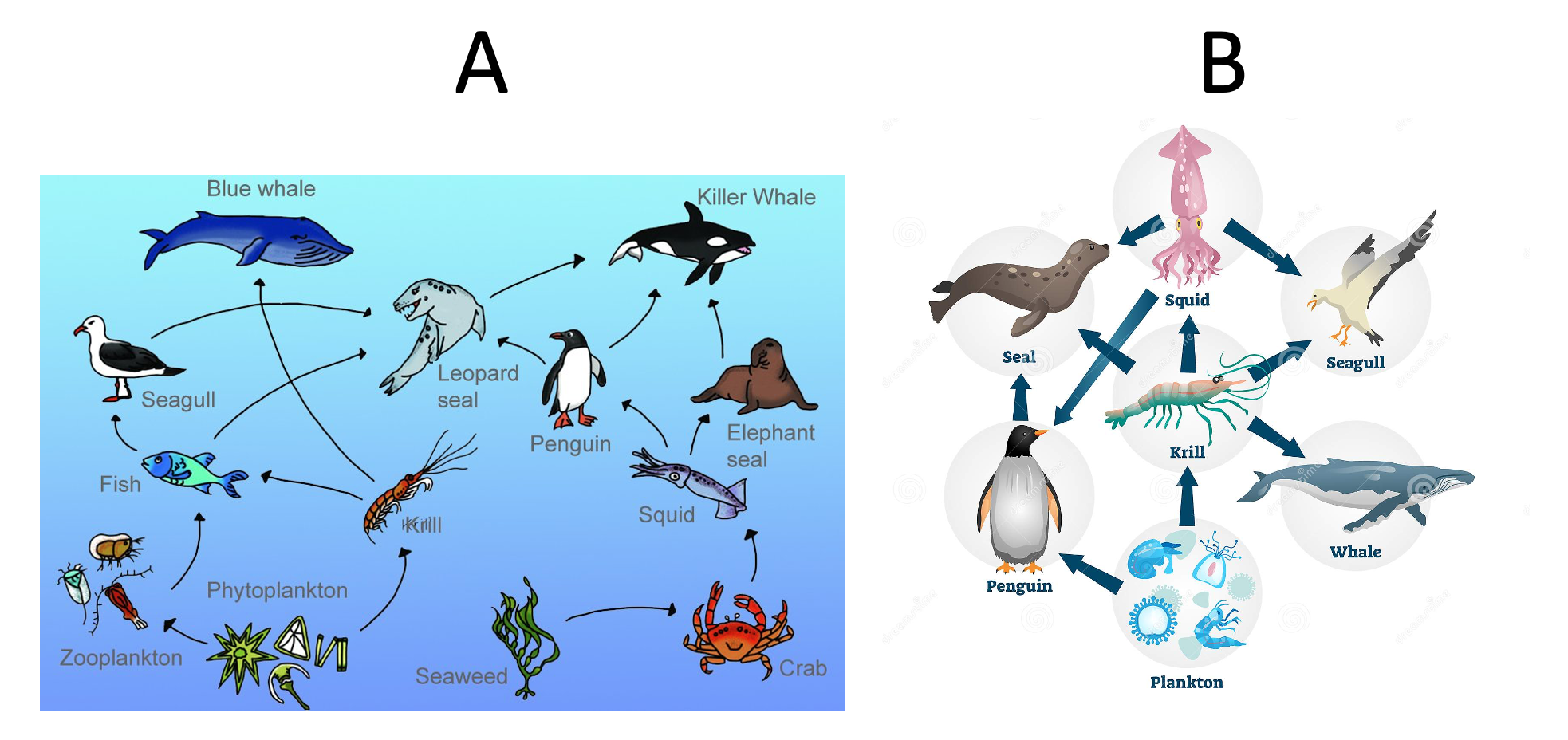
This is a two part question: Which ecosystem has more biodiversity? Explain how you know!
This is a two part question: Which ecosystem has more biodiversity? Explain how you know!
Which of the following provides evidence to support the claim: If all the phytoplankton were killed in both ecosystems, ecosystem A would remain more stable.
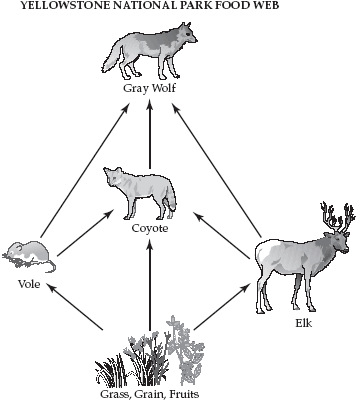
Which of the following statements would be included in a reasoning that supports the claim: This ecosystem would not remain stable if the wolves were removed. SELECT 1 ANSWER!
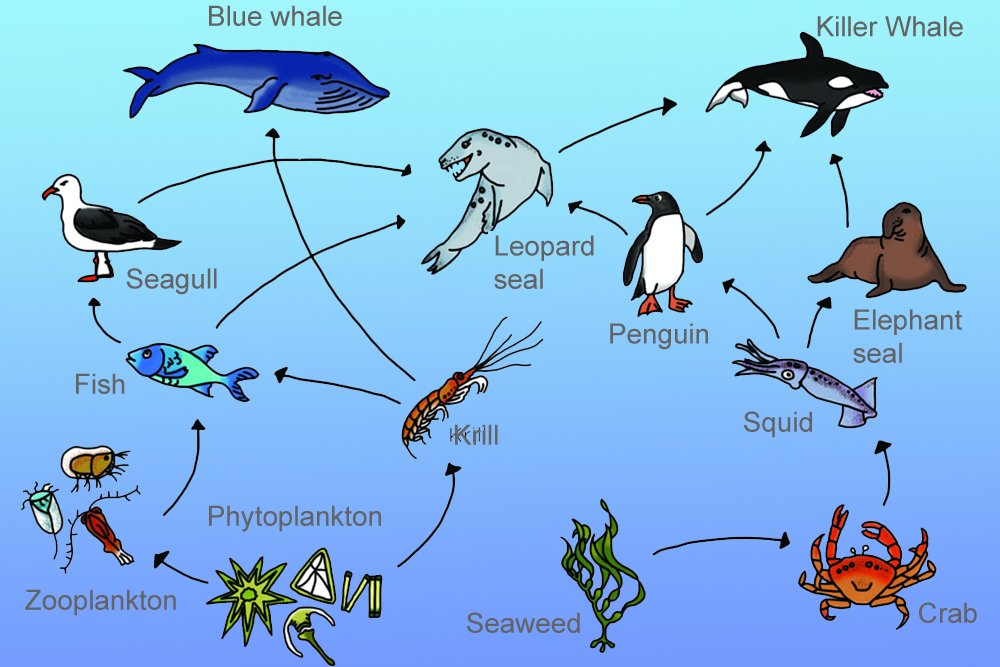
This is a two part question. In the ecosystem pictured, which of the following would result in the LARGEST decrease in BIODIVERSITY? Explain your reasoning in GREAT detail!
A. A virus wiping out the seaweed population.
B. A bacteria infesting all the crabs.
C. A fisherman killing 10 fish in one day.
D. A Dead Zone as described in question 7
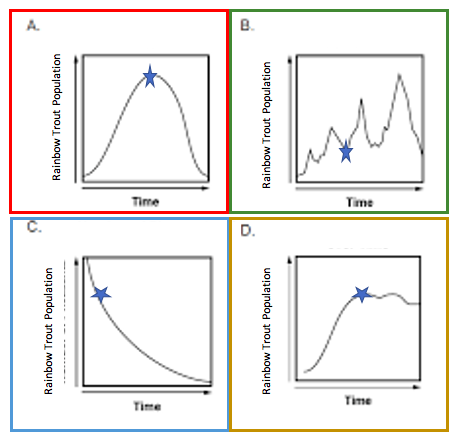
Which graph below represents the response of the rainbow trout population to a ban on fishing? Note: The star in each graph marks the start of the fishing ban. You may add a comment to defend your answer, but you don't have to---sometimes you can select the wrong answer but defend it well enough that I can mark it correct.
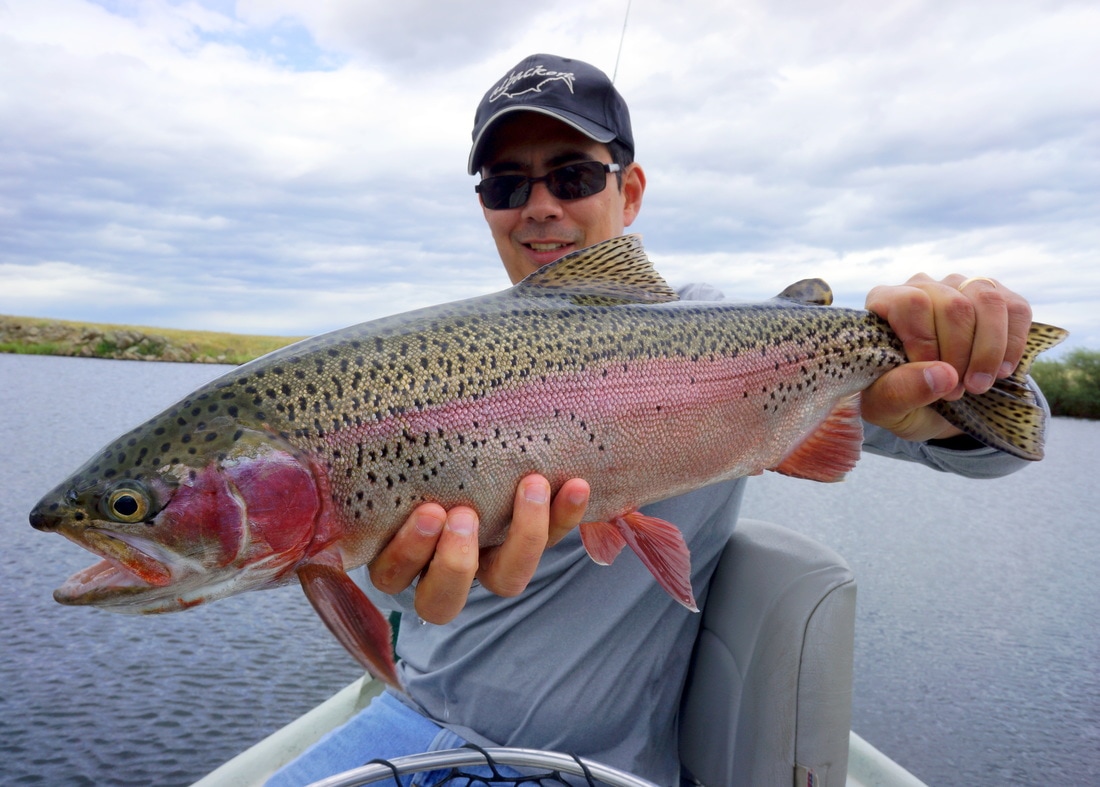
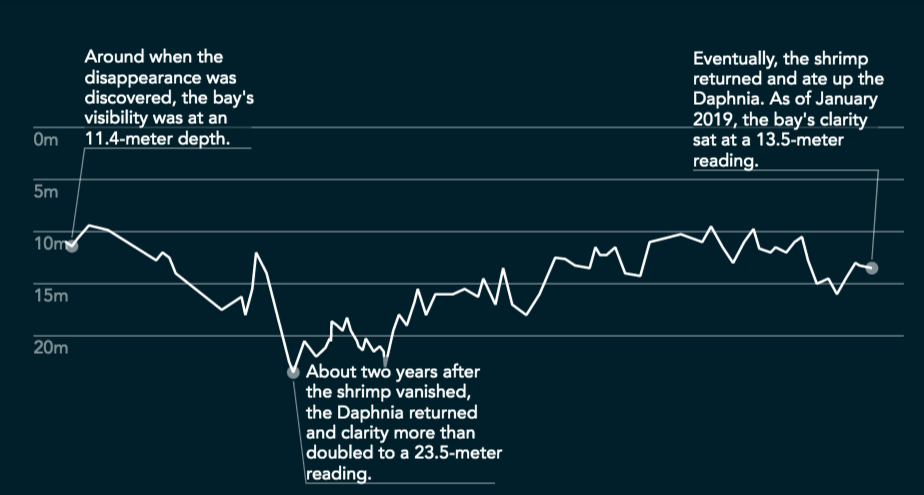
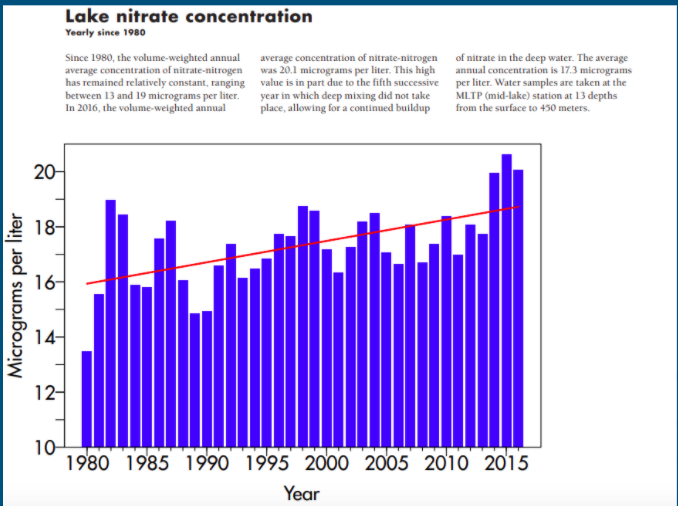
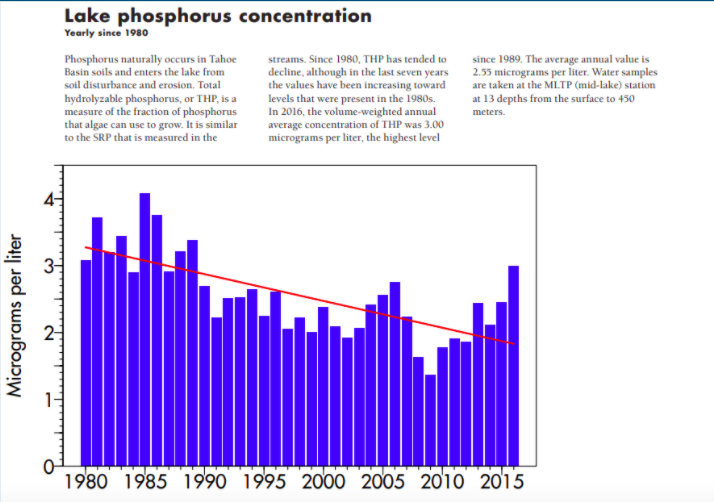
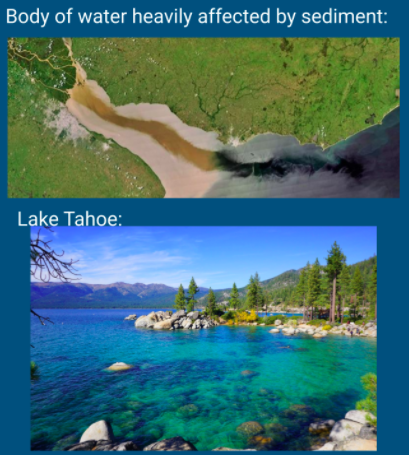
Students looked at the evidence below, they made a claim to answer the question: Which factor below is the main factor leading to the decreasing clarity in Lake Tahoe? They then wrote a reasoning to support their claim. Which students' answer is BEST?
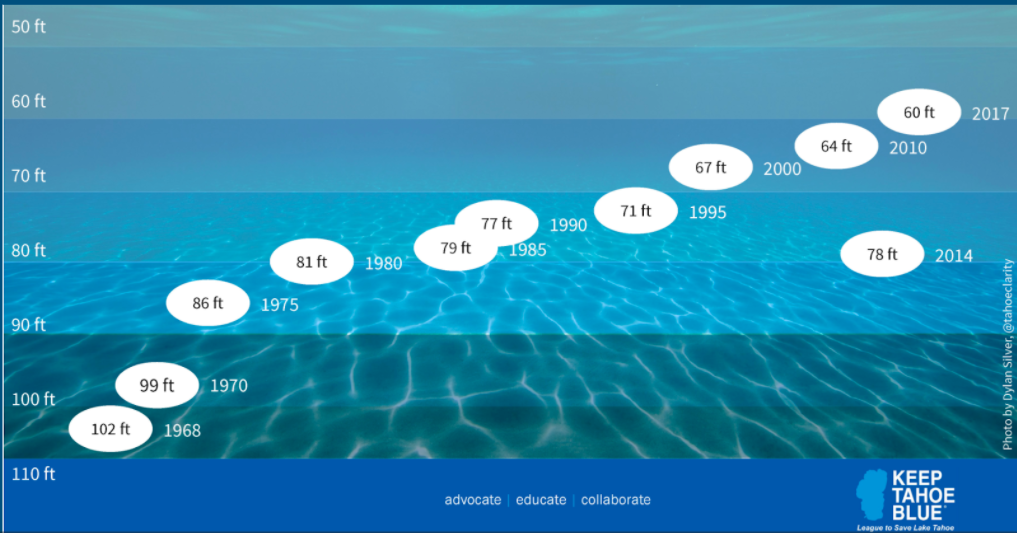
Graph showing the clarity of Lake Tahoe in relationship to the Mysis Shrimp presence. The first caption is from 2011.
This graph shows the nitrogen concentration in Lake Tahoe from runoff, over time.
This graph shows the phosphorous concentration in Lake Tahoe from runoff, over time.
Sediment:
What evidence could BEST be used to support the claim: Dead zones decrease biodiversity in ecosystems as stability is not able to be maintained.