Retake Objective 16
star
star
star
star
star
Last updated about 5 years ago
7 Nsɛmmisa
4
4
4
4
4
4
4
In meiosis....(select all that apply)
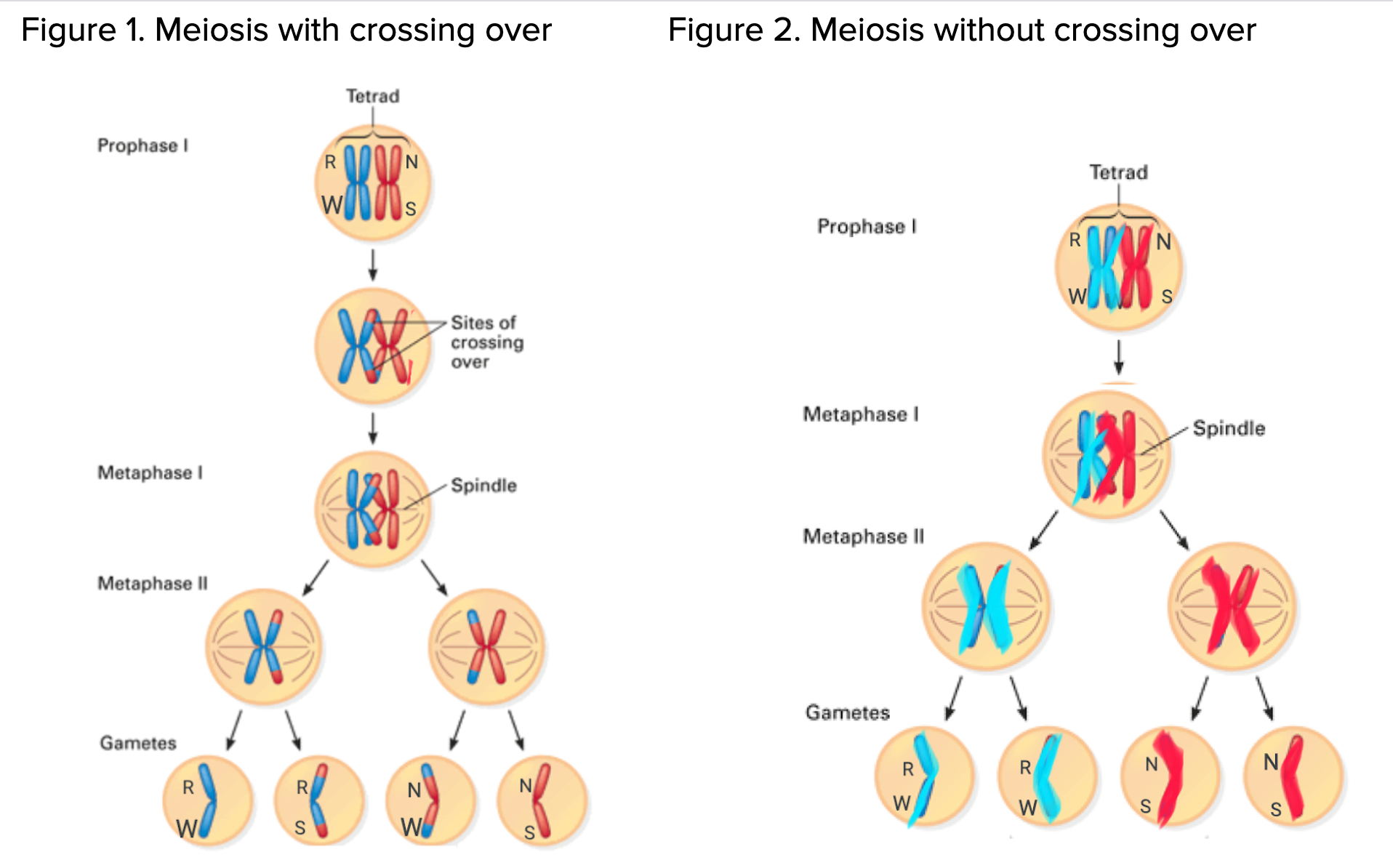
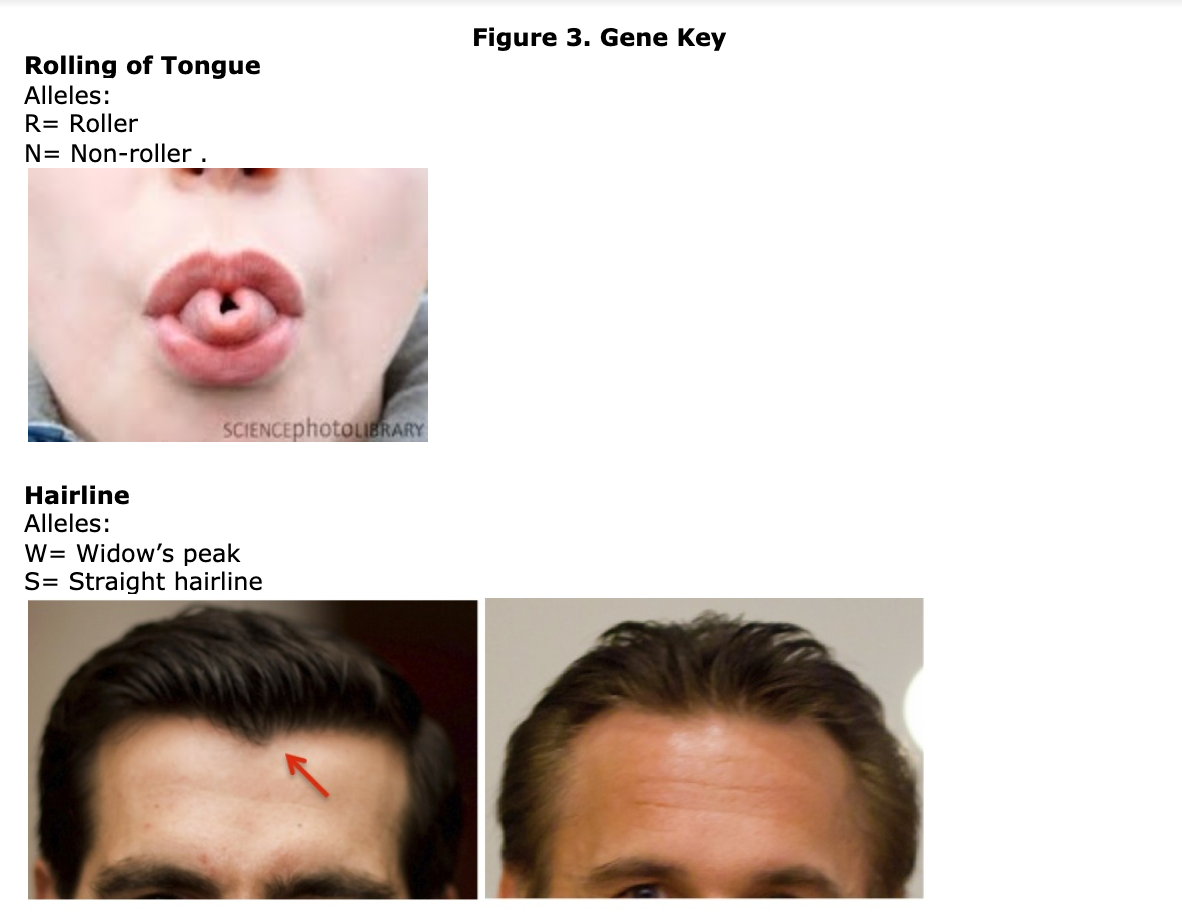
Let’s say this shows meiosis in a mom’s ovary cells. Interphase in which chromosomes are copied already occurred. The red chromosomes represent grandmas DNA, and the blue chromosomes represent grandpa’s DNA. Figures 1 and 2 show Meiosis with crossing over (which does happen) and without it (which never happens). Figure 3 is a key so you know what the genes N, S, R and W code for.
In meiosis WITHOUT crossing over (figure 2), select all of the following gene combinations that are possible in the gamete cells produced.
In meiosis WITH crossing over (figure 1), select all of the following gene combinations that are possible in the gamete cells produced.
Based off your answers to questions 2 and 3, which of the following is TRUE.
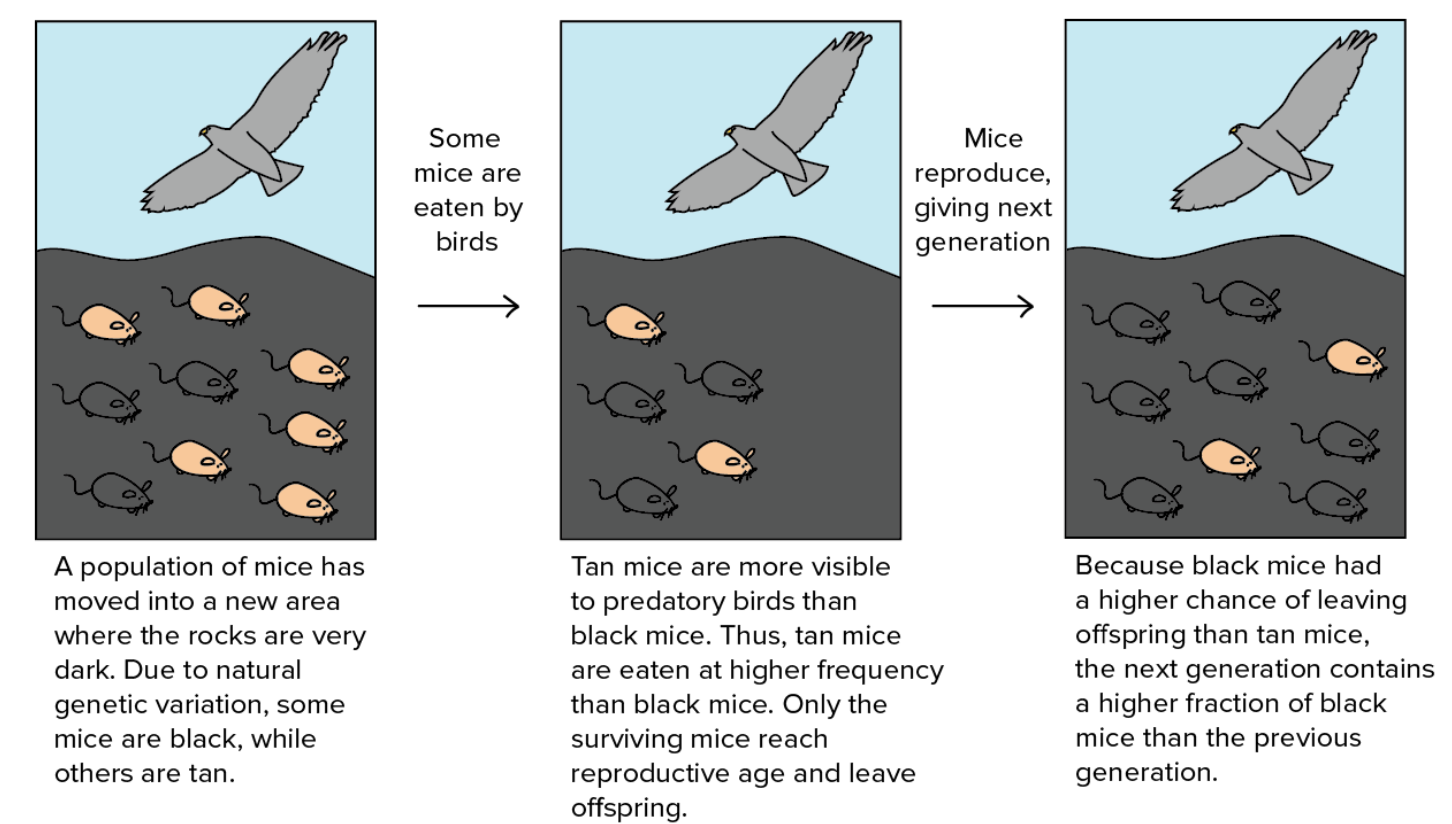
Explain why genetic variation is beneficial to a species. Use evidence from the image below to strengthen your answer.
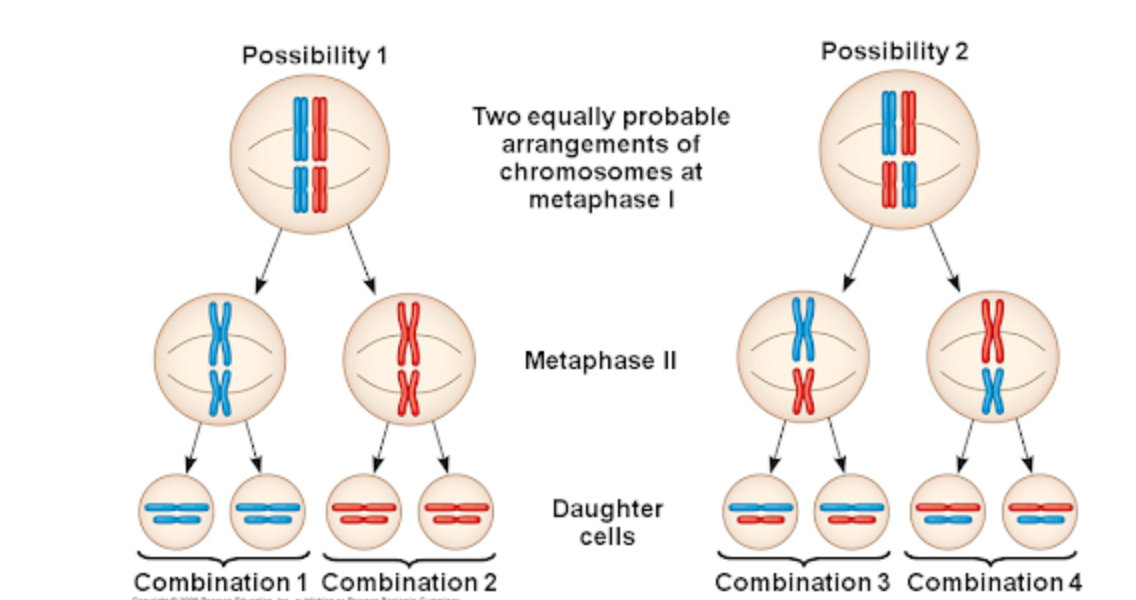
Random assortment is shown below. Select the proper description of this event which increases genetic variation in gametes.
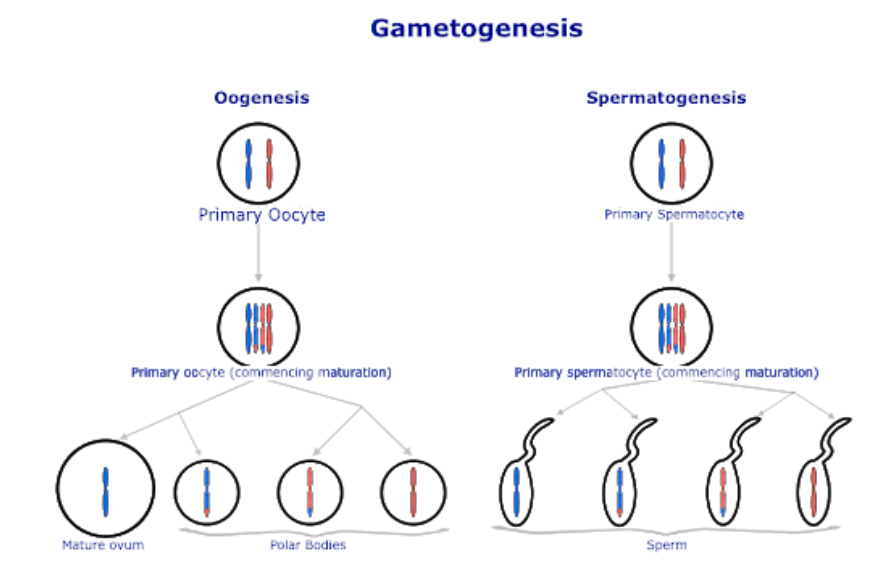
Below you can see 4 egg cells produced in a female ovary, and 4 sperm cells produced in a male testes. BEFORE the divisions shown could begin, which of the following must have occurred?